
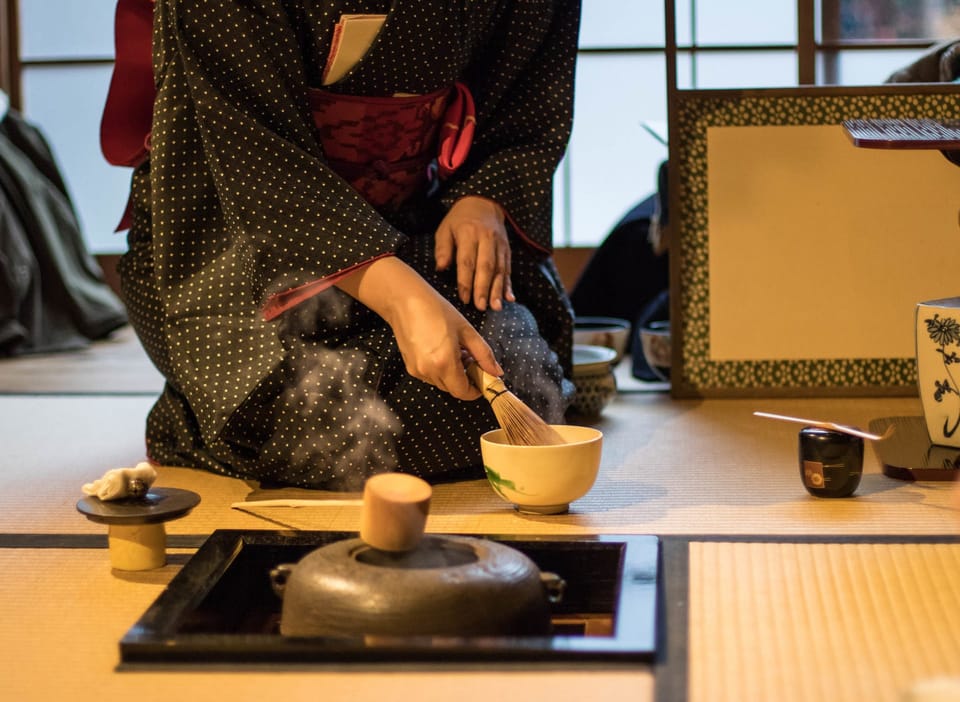

Unveiling the Mystique: The Ancient Art of Matcha Tea Ceremony 🍵
Immerse yourself in the mesmerizing world of the Matcha tea ceremony, a centuries-old Japanese ritual steeped in tradition and cultural significance. Imagine yourself in the heart of Kyoto, the birthplace of this sacred ritual, where every sip of Matcha is a journey through time, a celebration of harmony and respect. But what exactly is the Matcha tea ceremony, and why does it hold such a special place in Japanese culture?
The Matcha tea ceremony, or 'Chanoyu', is a choreographed ritual of preparing and serving Matcha, a powdered green tea renowned for its health benefits. It's not just about drinking tea, but about mindfulness, aesthetics, and connecting with others. The ceremony originated among Zen monks, who appreciated Matcha for its meditative properties and ability to foster a sense of tranquility.
Whether you're a seasoned tea enthusiast or a curious novice, understanding the significance of the Matcha tea ceremony can enrich your appreciation for this unique drink. Ready to delve deeper into the philosophy behind the ceremony, or perhaps you're eager to try your hand at a homemade Matcha latte or a delightful Matcha cookies recipe? Let's embark on this journey together.
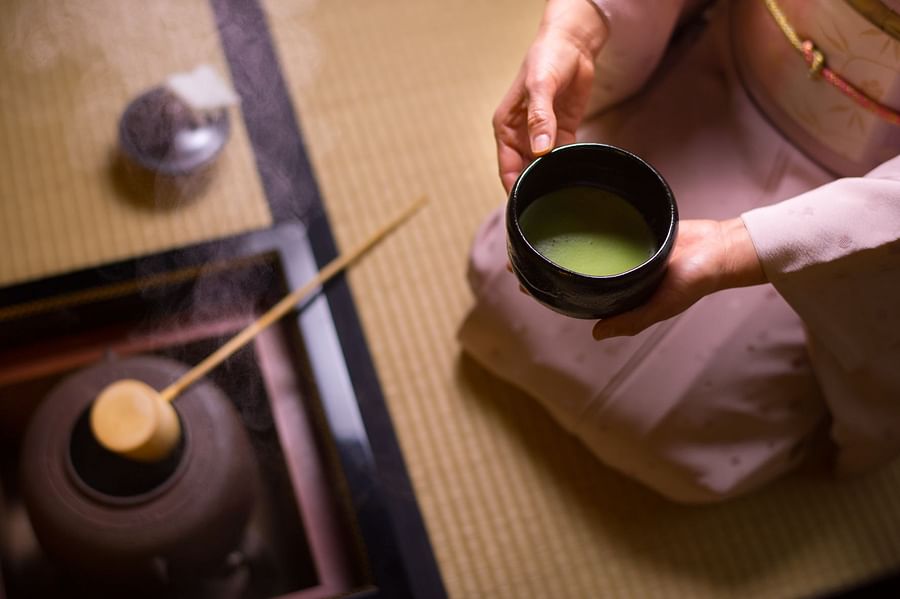
Why So Ceremonial? Unpacking the Philosophy of Matcha Tea Rituals 🧠
Immersing yourself in the traditional matcha tea ceremony is akin to stepping into a tranquil oasis of respect, harmony, purity, and tranquility. Each element, from the way the tea is prepared and served, to the quietude of the ceremony, is a testament to these principles. The ceremonial-grade matcha used in the ceremony is not just a drink, but a symbol of these enduring values.
But why do these principles matter? Can't we just enjoy our iced matcha lattes without the ceremony? Well, understanding these principles deepens our appreciation of the tea and its origins. It's a journey that goes beyond taste, into the realms of mindfulness and cultural appreciation. So, are you ready to explore the significance of the matcha tea ceremony and learn how to ace it?
The Four Principles of the Matcha Tea Ceremony
Your DIY Guide: Mastering the Traditional Matcha Tea Ceremony Step by Step 📚
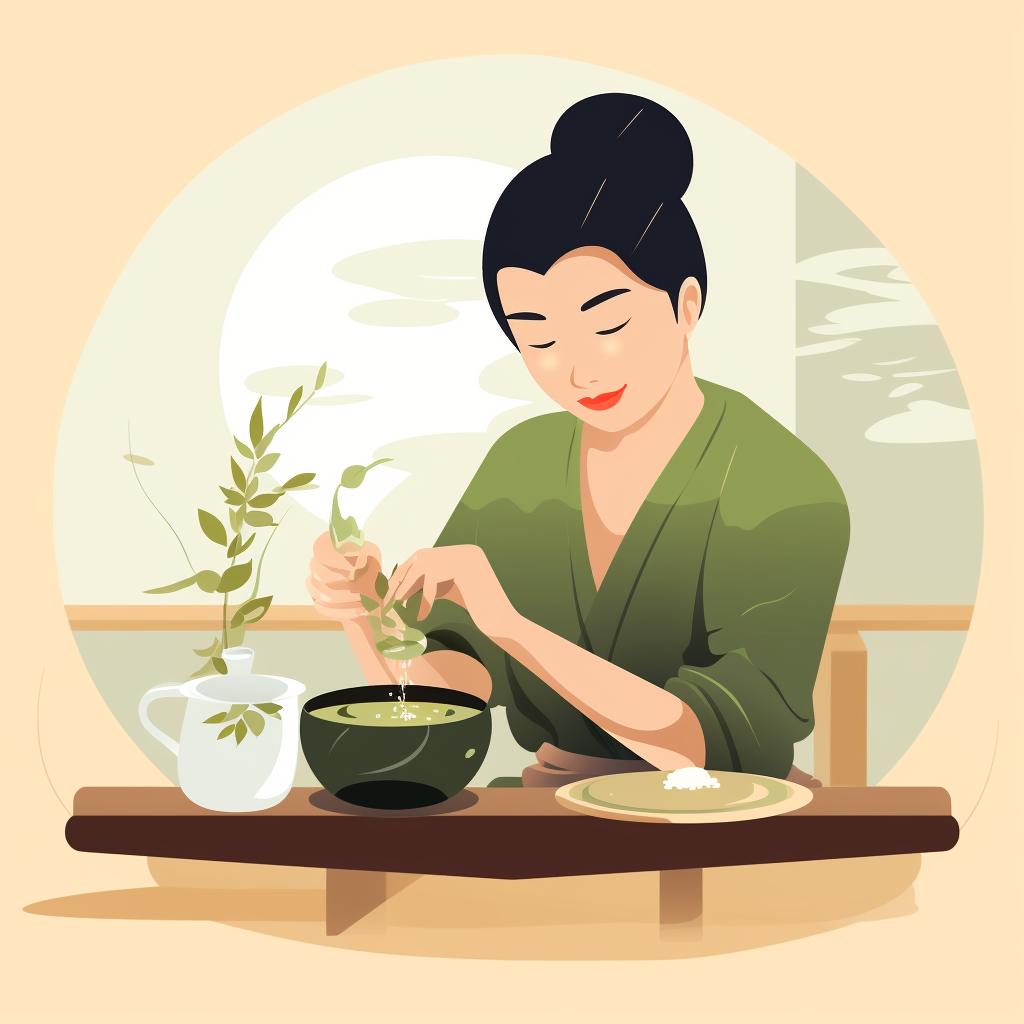
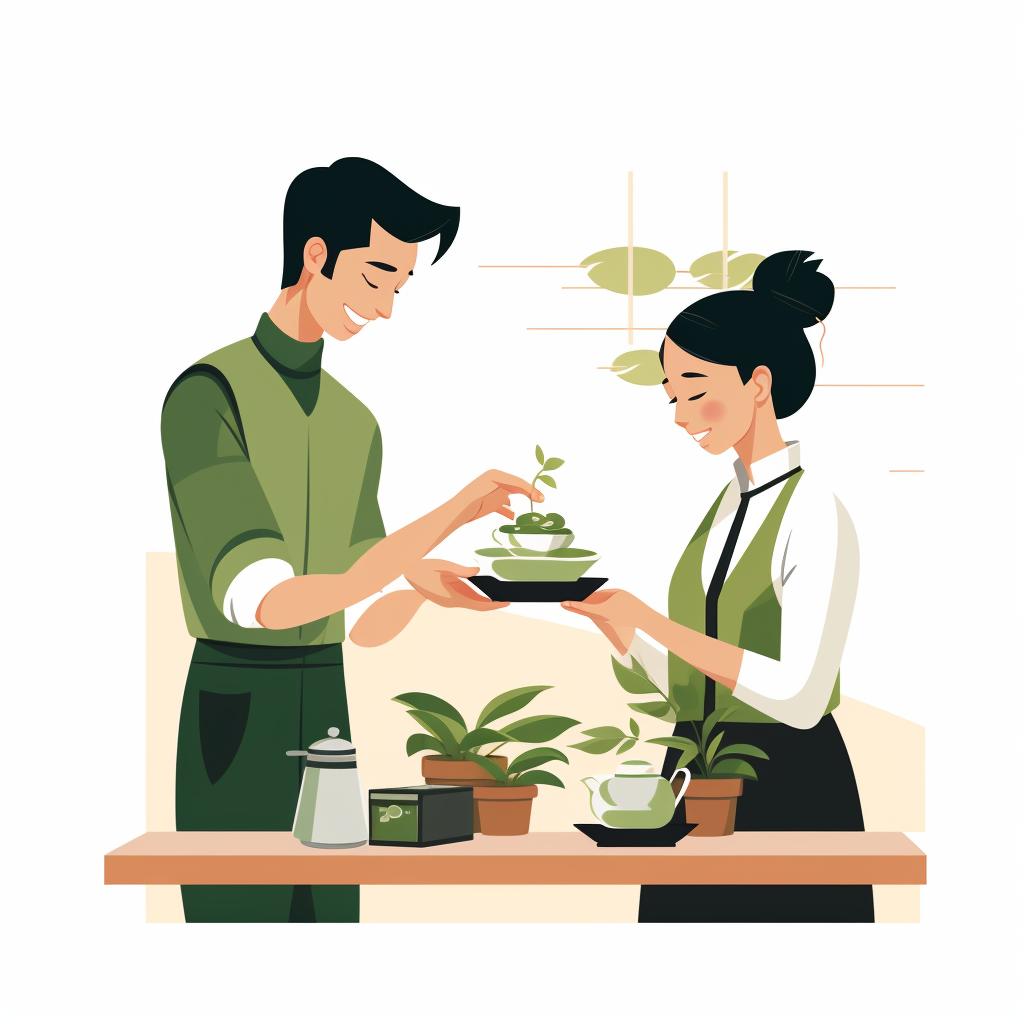
Now that we've understood the philosophy behind the matcha tea ceremony, let's dive into the actual steps involved in this beautiful ritual. Here's an easy-to-follow guide that will take you through each stage of the ceremony, from preparation to cleanup.
Mastering the Ritual: A Step-by-Step Guide to the Traditional Matcha Tea Ceremony



Learn more about 🍵 Mastering the Traditional Matcha Tea Ceremony: A Step-by-Step Guide 🍵 or discover other Matcha Lattes guides.
These are the main steps involved in a traditional matcha tea ceremony. The video below will provide a visual demonstration of these steps, helping you to better understand and appreciate this ancient ritual.
To help you visualize the process better, let's watch a video demonstration of a traditional matcha tea ceremony. This video will guide you through the steps, from preparation to cleanup, and also explain the utensils used in the process.
After watching the video, you should have a clearer understanding of the traditional matcha tea ceremony. Now, let's delve deeper into the role of matcha in the tea ceremony.
Why Matcha? Exploring Its Pivotal Role in the Tea Ceremony 🌿
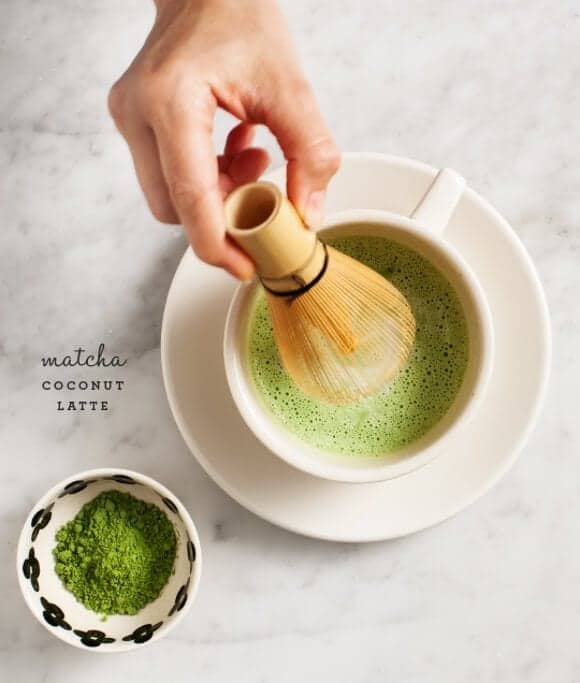
The matcha used in the tea ceremony isn't your average green tea. It's a finely ground, high-quality powder derived from shade-grown tea leaves, known as Tencha. This unique cultivation results in a vibrant green color and a rich, distinct flavor that is both bitter and sweet. The ceremonial-grade matcha, reserved for tea ceremonies, is carefully whisked with hot water in a chawan (tea bowl) until it forms a frothy texture. This process is not just about making a drink, but also about celebrating the significance of matcha tea.
But why matcha? The answer lies in its unique properties. Matcha embodies the spirit of the ceremony, blending the health benefits of matcha with the ritual's philosophy of mindfulness and respect. This mindful preparation of matcha, from the careful measurement of the powder to the rhythmic whisking, is a meditative act that invites us to slow down and appreciate the moment.
Want to experience this ceremony at home? Check out our matcha tea ceremony guide and explore our delicious homemade matcha drinks recipes, including the popular matcha lattes recipe. Embrace the matcha ritual and find tranquility in a cup of tea.
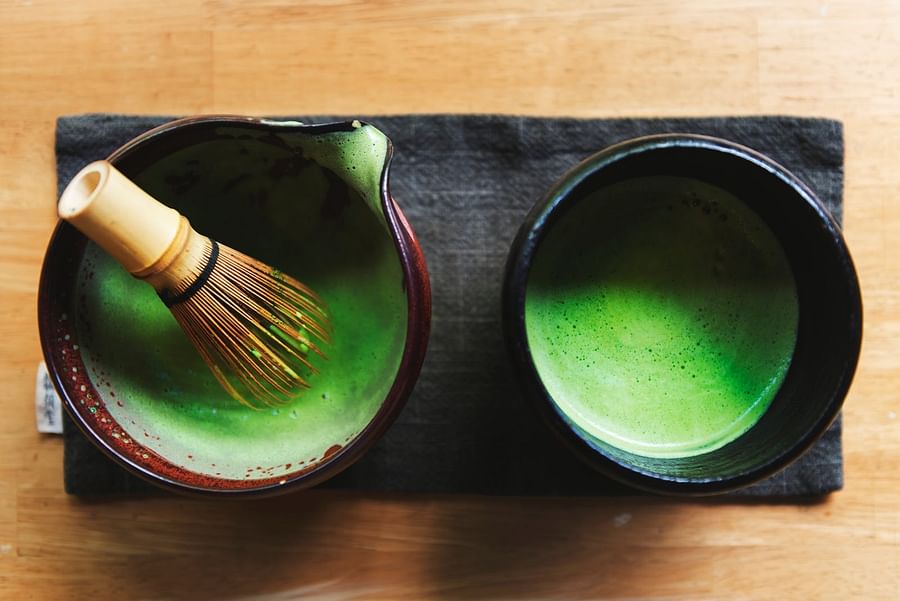
Essential Gear: The Must-Have Equipment for a Matcha Tea Ceremony 🛠️
Traditional Tools Used in the Matcha Tea Ceremony
- Chawan: This is the tea bowl used in the ceremony. It's usually made of ceramic and has a wide, flat shape to allow for the proper whisking of matcha.
- Chasen: The tea whisk, usually made from bamboo. It's used to mix the matcha powder with hot water to create a frothy, smooth tea.
- Chashaku: A bamboo tea scoop. It's used to measure the right amount of matcha powder for each serving.
- Natsume: A small lidded container, often made of lacquered wood. It's used to hold the matcha powder during the ceremony.
- Hisyaku: A bamboo ladle used for transferring water.
- Fukusa: A silk cloth used for cleaning the tea utensils.
- Kama: A traditional iron pot used to heat the water for the tea.
- Furo: A portable brazier used to hold the Kama.
Essential Tools for a Traditional Matcha Tea Ceremony
Tradition Meets Today: The Modern Practice of the Matcha Tea Ceremony 🌎
As the sun rises in the Land of the Rising Sun, the matcha tea ceremony, a timeless ritual, continues to hold a special place in the heart of Japanese culture. Today, it's not just about savoring the health benefits of matcha or indulging in a homemade matcha latte or cookie, it's about embracing a practice that embodies respect, harmony, purity, and tranquility. Why does matcha green tea have a different flavor compared to regular green tea?, you might ask. The answer lies in the unique cultivation and preparation methods that are integral to the tea ceremony.
The modern world has witnessed the global spread of this ceremonial art, with people across continents learning how to ace the matcha tea ceremony. It's fascinating to see how a homemade matcha green tea latte or a matcha milk tea can connect people to an ancient tradition. Can I make my own matcha at home? Of course, you can! And in doing so, you become part of a global community preserving a centuries-old tradition.
Whether you're whisking your matcha in a traditional chawan or sipping a homemade Starbucks matcha latte, remember, each sip is a nod to a ritual that goes beyond the cup. So next time you're enjoying your homemade iced matcha green tea latte or matcha bubble tea, take a moment to appreciate the rich history and cultural significance it represents. Want to try a matcha cookies recipe? Go ahead, and let the matcha magic unfold!
Understanding the Matcha Tea Ceremony
Test your knowledge on the Matcha Tea Ceremony, its significance, rituals, and the philosophy behind it.
Learn more about 🍵 Understanding the Matcha Tea Ceremony: Test Your Knowledge 📚 or discover other Matcha Lattes quizzes.
Wrapping Up: The Enduring Charm of the Matcha Tea Ceremony 🏮
As we fold away our Chasen (tea whisk) and seal the last whisper of Matcha into its jar, we are left with the echoes of a time-honored ritual. A ceremony, yes, but more than that - a dance of respect and harmony, a testament to the purity and tranquility of our world, distilled into a cup of tea. The significance of the Matcha tea ceremony extends far beyond the artful preparation of a healthful drink; it's a profound reflection of our relationship with nature and our place within it.
So, next time you whisk up a quality matcha for your homemade latte or indulge in a matcha cookie, remember the philosophy that underpins each sip and bite. Harness the wisdom of the ages to ace your own Matcha tea ceremony, and let every sip be a tribute to the art of living consciously.
As we've learned, the matcha tea ceremony is not just about drinking tea. It's a meditative practice that helps us connect with the present moment and appreciate the beauty in the ordinary. Here's a beautiful example of a modern-day individual performing a matcha tea ceremony.
As you can see, the ritual is performed with grace and respect, a testament to the enduring value of this ancient tradition. Whether you're a seasoned tea master or a novice, every matcha tea ceremony is a unique experience that brings peace and mindfulness.
No comments yet. Be the first to share your thoughts!