
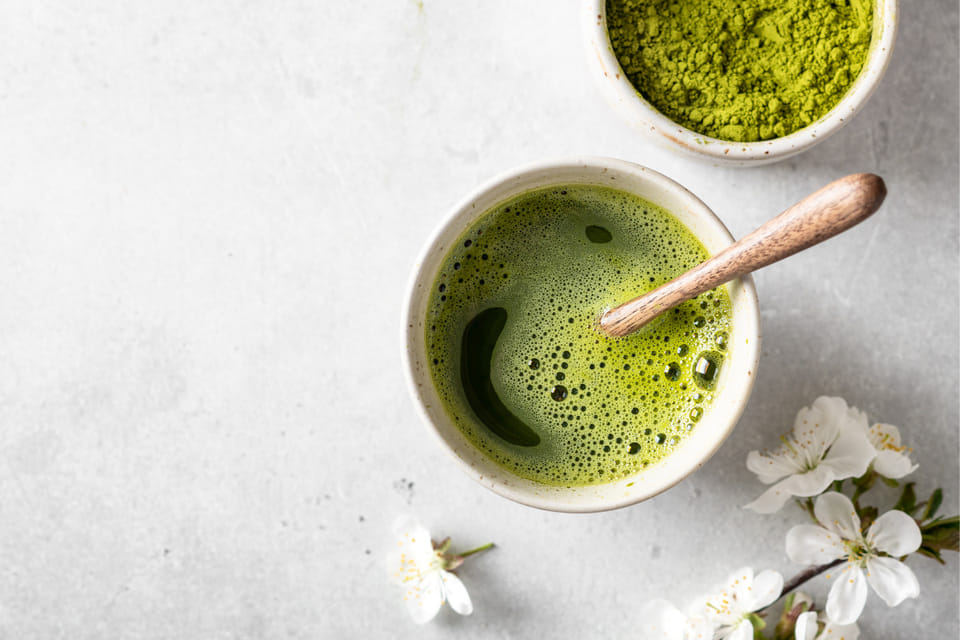

Unveiling the Green Gold: Matcha and Its Nutritional Powerhouse 🍵
Imagine a beverage that's not only a treat to your taste buds but also a boon to your health. Enter the world of Matcha Lattes, a vibrant green elixir that's been stealing hearts globally. Originating from the tranquil tea fields of Japan, matcha has rapidly gained popularity worldwide, not just for its unique taste and eye-catching color, but also for its impressive nutritional profile.
But what makes this green tea derivative a healthy choice? What's hidden in its verdant depths that's causing such a stir? Let's dive into the nutritional aspects of matcha and discover why making a homemade matcha latte might just be the healthiest decision you make today.
From its antioxidant-rich composition to its metabolism-boosting properties, matcha is more than just a delicious ingredient in your latte or matcha cookies recipe. It's a nutritional powerhouse, a gift from nature, wrapped in a delightful, creamy package.
Unpacking the Nutritional Treasure Chest of Matcha 🌿
Ever wondered what makes your morning cup of homemade matcha latte a powerhouse of nutrients? Let's dive into the heart of this vibrant green elixir. Matcha, a finely ground powder of specially grown and processed green tea leaves, is a nutritional superstar. It's packed with a unique blend of vitamins, minerals, and antioxidants, including vitamin C, selenium, chromium, zinc, and magnesium.
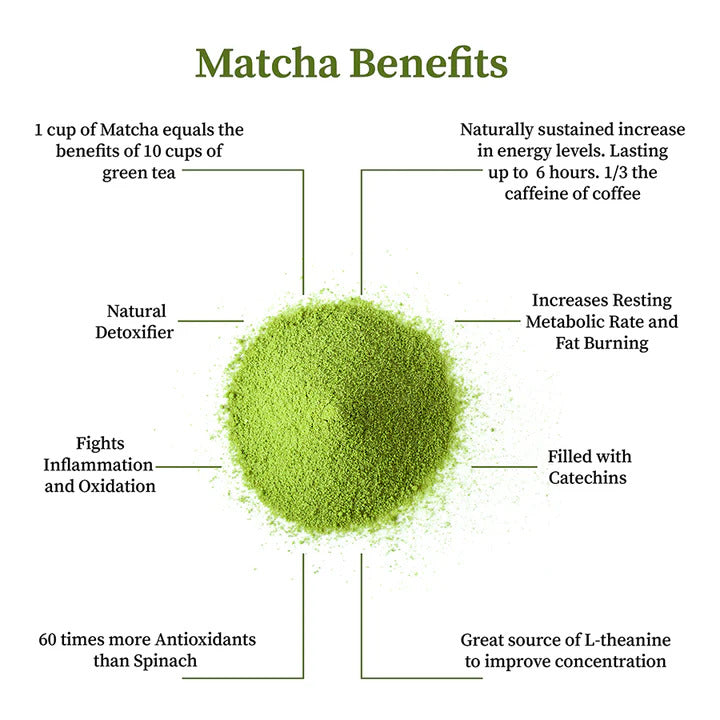
Research has shown that matcha has a higher concentration of antioxidants compared to traditional green tea. One study found that the concentration of epigallocatechin gallate (EGCG), a potent antioxidant, is up to 137 times greater in matcha than in China Green Tips green tea! Now, that's a health benefit worth sipping for.
But that's not all. When you're making matcha latte at home, you're also getting a healthy dose of dietary fiber and a decent amount of protein. So, is your Starbucks matcha latte still looking as appealing? Let's find out!
Nutritional Breakdown of a Matcha Latte
Why is Matcha Latte the Superhero of Beverages? 💪
What sets matcha lattes apart in the health beverage arena? The secret lies in its unique combination of nutrients. This vibrant green concoction is a metabolic powerhouse, not only boosting your metabolism but also aiding in fat oxidation. It's a secret weapon for those looking to maintain a healthy weight.
But that's not all. Matcha is packed with antioxidants, specifically catechins, which are known for their cancer-fighting properties. Ever wondered why matcha lattes have been linked to improved mental health? It's because they contain L-theanine, an amino acid that promotes relaxation and stress relief without drowsiness. It's the perfect balance to the caffeine content, offering a calm alertness, unlike the jitters you might get from coffee.
So, whether you're making matcha latte at home, trying out a new matcha cookies recipe, or comparing matcha latte vs coffee, remember, you're not just enjoying a delicious drink, you're fueling your body with a nutrient-dense superfood.
Health Benefits of Regular Matcha Latte Consumption
- Rich in Antioxidants: Matcha is packed with catechins, a class of potent antioxidants, which help to combat oxidative stress and inflammation in the body.
- Boosts Metabolism: Matcha can help to increase your metabolic rate, aiding in weight management and promoting better digestion.
- Enhances Mood and Concentration: The unique combination of caffeine and L-theanine in matcha can improve brain function, enhancing mood, and promoting better concentration.
- Supports Heart Health: Regular consumption of matcha lattes may help to reduce bad LDL cholesterol levels, thereby supporting heart health.
- Detoxifies the Body: The high levels of chlorophyll in matcha can aid in the body's natural detoxification process, helping to eliminate harmful toxins.
- Strengthens the Immune System: Matcha is rich in various vitamins and minerals that can boost your immune system and help your body fight off infections.
- Improves Skin Health: The antioxidants in matcha can help to rejuvenate skin cells, promoting a healthier complexion and reducing signs of aging.
Sprinkling Matcha Magic into Your Daily Diet: How-To Guide 🍽️
Integrating matcha latte into your daily regimen can be as simple as swapping your regular cup of joe for this vibrant green elixir. With its unique blend of nutrients, matcha latte can serve as a refreshing morning pick-me-up or a soothing afternoon treat. But what about those mid-day hunger pangs or late-night cookie cravings?
Well, why not try making matcha cookies at home? Our delectable matcha cookies recipe is a healthy and delicious way to satiate your sweet tooth while reaping the benefits of matcha. For those who prefer a colder beverage, especially during those sweltering summer months, our iced matcha latte recipe is the perfect refreshment.
Whether you're a vegan, a paleo enthusiast, or someone who just wants to make healthier choices, matcha latte's versatility allows it to seamlessly fit into various meal plans. Remember, a balanced diet isn't about deprivation, it's about making room for nourishing, flavorful options like matcha latte.
Healthy Matcha Latte
You will need:
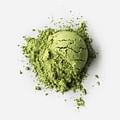 1 teaspoon matcha powder
 1 cup unsweetened almond milk
 1 tablespoon honey or sweetener of choice
 Hot water
 Whisk
Whisk
Instructions
- Heat the almond milk in a saucepan over medium heat until hot but not boiling.
- In a separate bowl, whisk the matcha powder with a little hot water until smooth.
- Add the heated almond milk to the matcha mixture.
- Sweeten with honey or your preferred sweetener.
- Whisk until frothy and well combined.
Notes
For a vegan version, use a plant-based sweetener like agave nectar or maple syrup. You can also use a milk frother to achieve a more frothy texture. Enjoy this healthy beverage hot or cold, according to your preference.
Learn more about 🍵 Healthy Matcha Latte Recipe or discover other Matcha Lattes recipes.
Busting Myths: The Real Scoop on Matcha Latte's Nutrition 🕵️♀️
Let's debunk a few myths about matcha, shall we? First off, it's a common belief that matcha is just another form of green tea, but that's a half-truth at best. Unlike traditional green tea, matcha is made from finely powdered, shade-grown tea leaves, giving it a unique nutritional profile and a distinct flavor that's both vibrant and soothing. Here is a detailed comparison between the two.
Another misconception? That matcha lattes are packed full of sugar. While some coffee shops may add sweeteners, making matcha latte at home allows you to control the sweetness level while still enjoying its health benefits. Here is a simple guide to making your own.
Lastly, many believe that matcha contains less caffeine than coffee. While it's true that a cup of matcha has less caffeine than a typical coffee, the caffeine in matcha is absorbed more slowly, providing a gentler and longer-lasting energy boost without the jitters. Learn more about the caffeine content in matcha.
Before we wrap up, here are some frequently asked questions about the nutrition of matcha lattes.
With these questions answered, you're now equipped with the knowledge to make informed decisions about incorporating matcha lattes into your diet. Now, let's recap the nutritional benefits of matcha lattes.
Wrapping Up: The Mighty Matcha Latte and Your Health 🎁
And there you have it, the emerald elixir of health - the matcha latte. A drink that tours the world from the tea fields of Kyoto Matcha Around The World: A Deep Dive into Kyoto Matcha to your kitchen, armed to the brim with nutrients, antioxidants, and a flavor that wakes up your senses. We've explored its nutritional wealth, debunked some myths, compared it to coffee, and even made some at home with a little help from our How to Make a Matcha Green Tea Latte guide.
Take a moment to appreciate the journey you've embarked on, from leaf to latte. Today, we've mastered the art of making matcha latte at home. Tomorrow? Who knows, we might just venture into the world of matcha cookies. The matcha universe is vast and waiting to be explored. Are you ready to dive in?
Matcha Latte Nutrition Facts Quiz
Test your knowledge on the nutritional aspects of matcha latte with this interactive quiz!
Learn more about 🌿 Take the Matcha Latte Nutrition Facts Quiz 🌿 or discover other Matcha Lattes quizzes.

No comments yet. Be the first to share your thoughts!