

Matcha vs Green Tea: What's the Difference?
Let's dive into the world of matcha and green tea. You might be wondering, what's the difference between matcha and green tea? Well, it's all about the cultivation, processing, and preparation.

Both matcha and green tea come from the same plant, Camellia sinensis. However, matcha plants are shaded from the sun for about 20-30 days before harvesting. This process boosts the plant's chlorophyll levels, giving matcha its vibrant green color and enhancing its health benefits.
Once harvested, the leaves are steamed, dried, and ground into a fine powder. This is what we know as matcha. On the other hand, green tea leaves are typically rolled and steamed to prevent oxidation, then dried and crushed.
The preparation is also a key difference. For matcha, you're consuming the entire leaf, as it's whisked into hot water. This results in a richer, creamier, and more concentrated flavor. Green tea, however, is steeped and the leaves are discarded, resulting in a lighter taste and color.

So, while they may come from the same plant, the difference between matcha and green tea lies in their cultivation, processing, and preparation. Each offers a unique taste and a host of health benefits, making them both wonderful additions to your daily routine.
What is Matcha?
Let's dive into the vibrant world of matcha, a unique type of green tea that has taken the world by storm. Originating from Japan, matcha is a finely ground powder made from specially grown and processed green tea leaves. The name 'matcha' translates to 'powdered tea', which perfectly describes its form.
Unlike traditional green tea, where the leaves are infused in water and then discarded, matcha involves consuming the entire leaf. The leaves used to make matcha are shaded from the sun for about 20-30 days before harvest. This process boosts their chlorophyll levels, giving matcha its distinctive bright green color and enhancing its nutritional profile. After harvesting, the leaves are carefully ground into a fine powder.
When it comes to taste, matcha is known for its unique flavor profile. It has a rich, creamy texture and a sweet, vegetal taste with a hint of bitterness. The quality of matcha can greatly affect its taste. High-quality matcha tends to be smoother and less bitter than its lower-quality counterparts.

Matcha isn't just for sipping, though. It's a versatile ingredient that can be used in a variety of dishes, from lattes to cookies and everything in between. Its vibrant color and unique flavor make it a popular choice for both sweet and savory recipes. So, whether you're a seasoned matcha enthusiast or a curious newcomer, there's always something new to discover in the world of matcha.
Stay tuned as we delve deeper into the difference between matcha and green tea, the health benefits of matcha, and how you can incorporate this superfood into your daily routine.
What is Green Tea?
As we journey further into the world of tea, let's take a moment to understand the essence of green tea. Green tea, like its vibrant cousin matcha, originates from the Camellia sinensis plant. However, the processing methods and consumption style of green tea are quite different, leading to a distinct taste and health profile.
Green tea leaves are typically harvested and then quickly heated—either by steaming (a method common in Japan) or pan-firing (a Chinese method). This heat treatment prevents oxidation, helping the leaves retain their green color and fresh, grassy flavor. After heating, the leaves are rolled and dried to create the final product. 
When you brew a cup of green tea, you're infusing the dried leaves in hot water. The resulting beverage is a delicate balance of flavors—sweet, bitter, floral, and vegetal notes can all be detected in a well-brewed cup. Unlike matcha, after brewing, the leaves are usually discarded. This means that you're not consuming the whole leaf and therefore not getting the full spectrum of nutrients that the leaf has to offer.
Green tea is celebrated worldwide for its refreshing taste and numerous health benefits. It's a staple in many cultures, particularly in Asia, and has been consumed for centuries for its calming effects and medicinal properties. However, the health benefits of green tea and how they compare to those of matcha is a topic for our next section. So, keep reading to deepen your understanding of matcha vs green tea benefits.
Whether you're a tea connoisseur or a casual drinker, understanding the difference between matcha and green tea can help you appreciate these beverages on a whole new level. From their unique production processes to their distinct flavors and health benefits, there's a lot to learn and love about both matcha and green tea.
Health Benefits of Green Tea
Green tea, a staple in many cultures, is renowned for its myriad of health benefits. But do you know exactly what these benefits are? Let's dive into the world of green tea and explore its health-boosting properties.

First off, green tea is a treasure trove of antioxidants. These powerful compounds, known as catechins, help to combat free radicals in your body, protecting your cells from damage. This means that regularly sipping on green tea could help to keep your body healthy and youthful.
Did you know that green tea can also boost your brain function? It's true! Green tea contains caffeine, which can help to improve various aspects of brain function, including mood, vigilance, reaction time, and memory. But that's not all. Green tea also contains an amino acid called L-theanine, which can work synergistically with caffeine to improve brain function even further.

Another fantastic benefit of green tea is its potential to aid in weight loss. Studies have shown that the catechins in green tea can boost your metabolism, helping you to burn more calories and lose weight. Plus, green tea is virtually calorie-free, making it a great choice for those watching their waistline.
Finally, green tea may also help to lower your risk of developing certain diseases. For example, the antioxidants in green tea have been linked to a reduced risk of heart disease and certain types of cancer. So, not only does green tea taste great, but it could also help to keep you healthy in the long run.
In summary, green tea is a health powerhouse, packed with antioxidants, brain-boosting compounds, and metabolism-boosting properties. So why not brew yourself a cup today?
Matcha Latte Recipes
Now that we've explored the difference between matcha and green tea, and understood the numerous health benefits of matcha, it's time to dive into the delicious world of matcha latte recipes. Whether you're a seasoned barista or a home cook, these recipes will help you create the perfect matcha latte, right in your own kitchen.
First, let's start with the basics: how to make a matcha drink at home. The key to a great matcha latte lies in the quality of your matcha powder. Opt for a high-grade, ceremonial matcha for the best flavor.

To make a basic matcha latte, you'll need:
- 1 teaspoon of matcha powder
- 2 teaspoons of hot water
- 1 cup of milk (any kind you prefer)
- Sweetener to taste (optional)
Here's the process:
- Sift your matcha powder into a bowl to remove any clumps.
- Add hot water and whisk until the matcha is fully dissolved.
- Heat your milk and froth it until it's nice and creamy.
- Pour the matcha mixture into a cup, followed by the frothed milk.
- Sweeten to taste, and enjoy!

Now, if you're feeling adventurous and want to replicate the Starbucks matcha latte at home, simply add a dash of vanilla syrup to the above recipe. It's that easy!
And let's not forget about matcha cookies. Incorporating matcha into your baking can bring a unique twist to your favorite treats. Stay tuned for our upcoming guide to matcha cookies recipe!
Remember, making matcha drinks at home is not just about the end product, but also about enjoying the process. So, take your time, experiment with flavors, and most importantly, have fun!
The Differences Between Matcha and Green Tea
Let's dive into the heart of our discussion: the difference between matcha and green tea. While both originate from the same plant, their cultivation, processing, and preparation methods set them apart, leading to unique taste profiles and health benefits.
Matcha's journey begins while the tea plants are still in the field. About three weeks before harvest, the plants are shaded to increase chlorophyll production, which gives matcha its vibrant green color. After harvesting, the leaves are steamed to halt oxidation, then dried and ground into a fine powder. This meticulous process results in matcha's unique, rich flavor and nutrient-dense profile.

When it comes to preparation, matcha stands out. Unlike green tea, where the leaves are steeped and then discarded, matcha involves whisking the powdered tea into hot water. This means you're consuming the entire leaf, leading to a more potent flavor and a higher concentration of nutrients. It's like comparing a fresh, juicy apple to apple juice - both come from the same source, but one offers a more concentrated experience.
On the other hand, green tea undergoes less processing. The leaves are harvested, quickly heated, rolled, and dried. This results in a lighter, more delicate flavor compared to matcha. When you sip a cup of green tea, you're tasting the leaf in its more natural state.

In terms of health benefits, both matcha and green tea are powerhouses. However, because matcha involves consuming the whole leaf, it generally contains more antioxidants, caffeine, and L-theanine (an amino acid known for its calming effects) than green tea. We'll delve deeper into the matcha vs green tea benefits in the following sections.
Now that you understand the difference between matcha and green tea, you can appreciate the unique characteristics each brings to your cup. Whether you're making matcha drinks at home or savoring a cup of green tea, you're partaking in a centuries-old tradition that celebrates the art and science of tea.
Health Benefits of Matcha
Let's shift our focus to the star of the show: matcha. This vibrant green powder is not just a treat for your taste buds, but it's also packed with a plethora of health benefits.
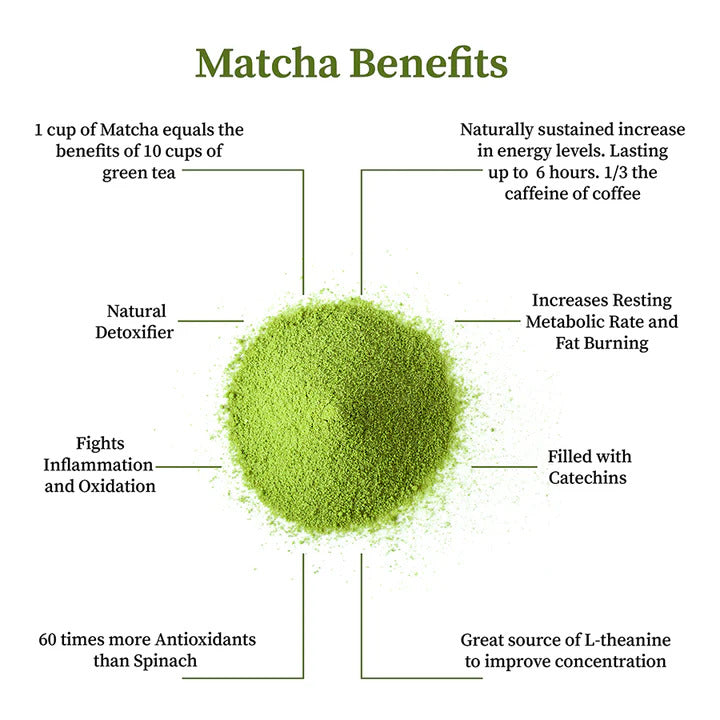
First off, matcha is a rich source of antioxidants. These powerful compounds help protect your body from harmful free radicals, which can lead to chronic diseases like cancer and heart disease. In fact, matcha has up to 137 times more antioxidants than regular green tea. That's like getting a supercharged antioxidant boost with every sip! 
Another standout benefit of matcha is its caffeine content. But don't worry, it's not the same as the jitters you get from coffee. Matcha contains a unique form of caffeine known as 'theophylline', which releases slowly over time. This means you get a gentle, sustained energy boost without the crash. It's the perfect pick-me-up for those mid-afternoon slumps.
Matcha is also rich in L-theanine, an amino acid that promotes relaxation without drowsiness. This, combined with the caffeine, creates a calm, focused state of mind. It's no wonder that Buddhist monks have been using matcha for centuries to aid in meditation. 
Lastly, matcha can aid in weight loss. Studies have shown that it can boost metabolism and increase fat burning, making it a great addition to any weight loss plan. Plus, it's a delicious way to stay hydrated and curb those sugar cravings.
In a nutshell, matcha is a powerhouse of health benefits. From its antioxidant properties to its calming effects, it's a drink that truly nourishes your body and mind. So why not whip up a matcha latte or try a matcha cookies recipe? Your body will thank you for it.
Making Matcha Drinks at Home: Tips and Tricks
Stepping into the world of matcha can be a delightful journey. The vibrant green powder has a unique, rich taste that can be enjoyed in a variety of ways. Here are some tips and tricks to help you make the perfect matcha drinks at home.
Quality Matters: The first step to making great matcha drinks at home is to choose high-quality matcha powder. The difference between matcha and green tea lies in the processing and quality of the leaves. Matcha is made from finely ground, shade-grown tea leaves, which gives it a vibrant green color and a rich, creamy taste. Look for matcha that is bright green and has a smooth texture.

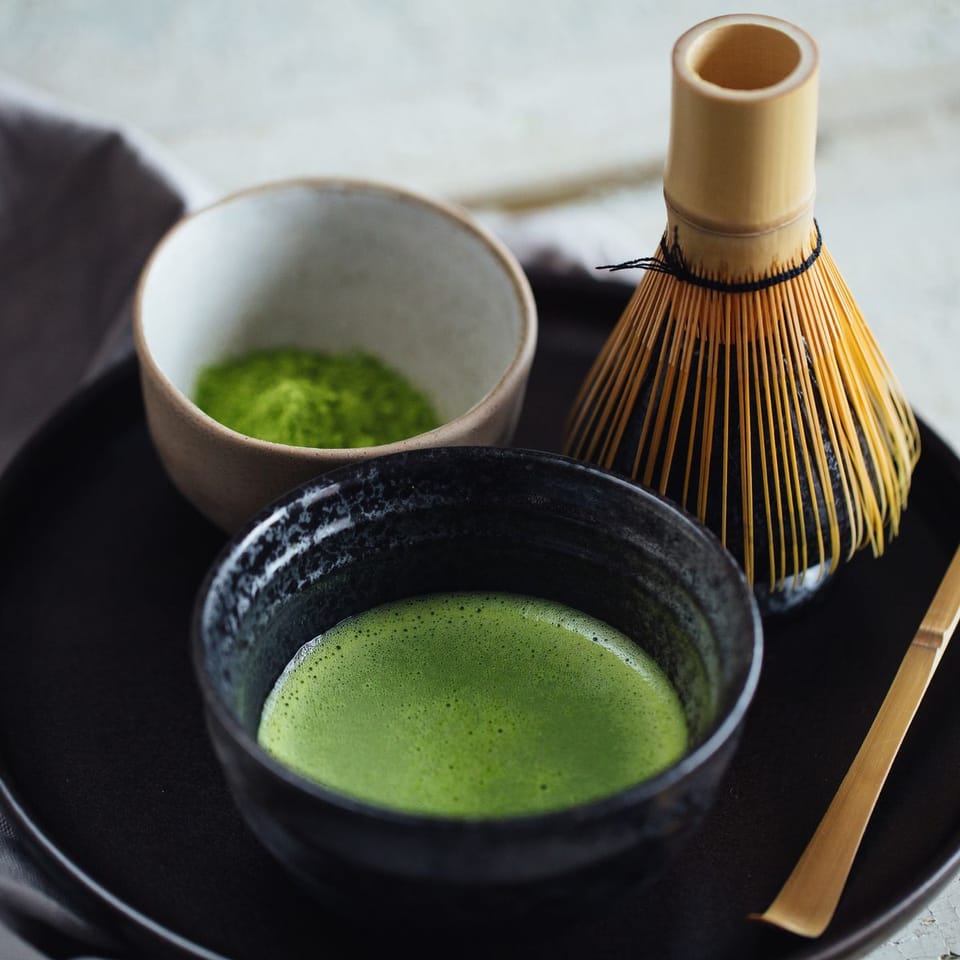
Tools of the Trade: To make a traditional matcha drink, you'll need a bamboo whisk (also known as a chasen) and a matcha bowl (or chawan). These tools help to create a frothy, smooth matcha drink. However, if you're making a matcha latte or another type of matcha drink, a small electric whisk or a blender can also do the trick.

Temperature is Key: When making matcha drinks, the water temperature is crucial. Too hot, and the matcha can become bitter. Aim for water that's around 175°F (80°C). If you don't have a thermometer, simply bring your water to a boil and then let it cool for a few minutes before adding your matcha.
Experiment and Enjoy: The beauty of making matcha drinks at home is that you can experiment with different flavors and recipes. Try a classic matcha latte, or venture into the world of matcha smoothies, iced matcha drinks, or even matcha cookies. The possibilities are endless!
Remember, the journey to understanding matcha and making the perfect matcha drink at home is all about exploration and enjoyment. So, take your time, experiment, and most importantly, enjoy your matcha journey!
Making Starbucks Matcha Latte at Home: A Step-by-Step Tutorial
If you're a fan of the Starbucks matcha latte, you'll be thrilled to know that you can recreate this delicious drink in the comfort of your own home. Here's a simple step-by-step tutorial to guide you through the process.
Step 1: Gather Your Ingredients
You'll need the following:
- 1 teaspoon of matcha powder
- 2 teaspoons of sugar (or sweetener of choice)
- 1 cup of milk (any type you prefer)
- Hot water

Step 2: Prepare the Matcha
Sift the matcha powder into a bowl to remove any lumps. Add a small amount of hot water (not boiling) and whisk until it forms a smooth paste. This is your matcha shot.

Step 3: Sweeten the Matcha
Add your sugar or sweetener to the matcha shot and stir until it's fully dissolved.
Step 4: Heat the Milk
Heat your milk until it's hot but not boiling. If you have a frother, you can use it to create a creamy texture.
Step 5: Combine and Enjoy
Pour the sweetened matcha shot into a cup, then add the heated milk. Stir well, and there you have it - a homemade Starbucks matcha latte!

With this guide, you can enjoy a Starbucks matcha latte anytime you want, without leaving your home. Plus, you can adjust the sweetness and milk type to suit your taste. Happy brewing!
Making Matcha Tea at Home: Simple and Easy Recipes
Now that you've mastered the art of making a Starbucks matcha latte at home, let's dive into the world of matcha tea. The difference between matcha and green tea lies not only in their taste and texture but also in the way they are prepared. While green tea is steeped, matcha is whisked into water, creating a frothy, vibrant green drink that's both refreshing and invigorating. Here are some simple and easy recipes to help you make matcha tea at home.
Traditional Matcha Tea
Ingredients:
- 1-2 teaspoons of matcha powder
- Hot water (not boiling)
Instructions:
- Sift your matcha powder into a bowl to remove any lumps.
- Add a small amount of hot water and whisk until it forms a smooth paste. This is your matcha shot.
- Add more hot water to your liking, whisking until frothy.
- Sip and enjoy your traditional matcha tea!
Iced Matcha Tea
Ingredients:
- 1-2 teaspoons of matcha powder
- Hot water (not boiling)
- Ice cubes
Instructions:
- Prepare your matcha shot as described above.
- Fill a glass with ice cubes.
- Pour the matcha shot over the ice, then fill the rest of the glass with cold water.
- Stir well and enjoy your refreshing iced matcha tea!
These simple recipes are just the beginning. Once you're comfortable with making matcha tea, you can experiment with adding flavors like vanilla, almond, or coconut. You can even try making your own matcha cookies or other matcha-infused treats. The possibilities are endless!
Remember, the key to a great matcha drink is using high-quality matcha powder. So, invest in a good brand and enjoy the health benefits of matcha in every sip.
Unveiling the Green Mystery: Difference Between Matcha and Green Tea
Imagine yourself in a serene Japanese tea garden, the scent of fresh leaves wafting through the air, and a warm cup of tea in your hands. But wait, is it matcha or green tea? This is the green mystery we're about to unveil. The difference between matcha and green tea is more than just a matter of name. It's a tale of cultivation, preparation, taste, and health benefits.
At first glance, matcha and green tea may seem identical, both originating from the Camellia sinensis plant. However, the distinction lies in their growth and processing methods. Matcha is grown under shade, enhancing its chlorophyll and amino acid content, then ground into a fine powder. This means when you drink matcha, you're consuming the entire leaf, not just an infusion. On the other hand, green tea is grown in sunlight and steeped in water, resulting in a lighter flavor and a different set of health benefits.
But what does this mean for you, the tea drinker? How does this impact the matcha vs green tea benefits? And what's the difference when it comes to making matcha tea at home versus a green tea brew? As we delve deeper into this guide to matcha and its green tea counterpart, we'll explore these questions and more. From the health benefits of matcha and green tea to DIY matcha creations you can whip up in your kitchen, this is your ultimate journey into the world of these green powerhouses.
So, are you ready to dive into the vibrant world of matcha and green tea? Let's embark on this green journey together, one sip at a time.
Unveiling the Green Mystery: Matcha Vs Green Tea
Imagine a world where the color green is not just a hue, but a symbol of health, vitality, and a unique taste experience. Welcome to the universe of matcha and green tea, two power-packed beverages that have been steeped in tradition and sipped for centuries. But what exactly sets these two apart? What's the difference between matcha and green tea? And why should you care?
As you journey through this guide, you'll discover the distinctive characteristics that make matcha and green tea unique in their own right. You'll delve into the myriad of health benefits of matcha and green tea, from their antioxidant properties to their potential role in weight management. You'll also uncover the enticing world of matcha latte benefits, and why this frothy, vibrant drink is more than just a tasty treat.
But that's not all. You'll also explore the depths of matcha health benefits in a deeper dive, and unravel the power behind the leaf with a look at green tea health benefits. And for those eager to bring the magic of matcha into their own kitchen, we'll guide you through the process of making matcha at home, ensuring you can whip up the perfect latte whenever the craving strikes.
So, are you ready to unveil the green mystery of matcha vs green tea? Let's embark on this flavorful journey together. 
Unveiling the Mystery: What is Matcha and Green Tea?
Imagine a serene morning, the sun is just peeking over the horizon, and you're cradling a warm, frothy cup of vibrant green liquid. This isn't just any ordinary tea; it's a cup of matcha, a traditional Japanese beverage that's been gaining popularity worldwide. But what exactly is matcha? And how does it differ from the more familiar green tea? Let's embark on a journey to understand the intriguing world of matcha vs green tea.
At first glance, the difference between matcha and green tea might seem trivial. After all, aren't they both derived from the same plant, Camellia sinensis? While that's true, the cultivation methods, processing, and preparation of these two types of tea are vastly different, leading to unique flavor profiles, nutrient compositions, and health benefits.
Matcha, for instance, is made from tea leaves that are shade-grown for a few weeks before harvest. This process boosts the plant's chlorophyll levels, giving matcha its distinctive bright green color. After harvesting, the leaves are carefully ground into a fine powder, which is then whisked with hot water to create a matcha latte or tea. On the other hand, green tea is typically steeped and strained, leaving behind a lighter, more delicate flavor.
But the differences don't stop at taste and preparation. The health benefits of matcha and green tea health benefits also vary, thanks to their unique cultivation and processing methods. Intrigued yet? Stick around as we delve deeper into the matcha vs green tea benefits, explore delicious matcha latte recipes, and unveil the mysteries of these remarkable beverages.
So, are you ready to dive into the world of matcha and green tea? Let's steep ourselves in knowledge and discover the secrets of these ancient, health-boosting beverages.
Unveiling the Mystery: Difference Between Matcha and Green Tea
When it comes to the world of tea, there's a vibrant green duo that often stirs up confusion - matcha and green tea. Are they the same? If not, what's the difference between matcha and green tea? Let's embark on a journey to unveil this mystery.
At first glance, matcha and green tea may seem identical, both boasting a rich green hue and a reputation for numerous health benefits. However, the differences start to emerge when you delve a little deeper. The primary distinction lies in their cultivation and preparation process. Green tea leaves are grown in the sun and steeped in water, whereas matcha leaves are grown in the shade and ground into a fine powder. This difference in growth conditions results in matcha having a more vibrant color, a smoother taste, and a higher concentration of nutrients.
But that's not all. When you consume matcha, you're ingesting the entire tea leaf, not just the brewed water. This means that matcha health benefits are significantly more potent than those of green tea. From boosting metabolism to enhancing mood, the health benefits of matcha are truly impressive.
So, in the green tea vs matcha debate, who wins? Well, it's not about winning or losing. It's about understanding the unique qualities of each and choosing what suits your palate and health goals best. Intrigued? Stick around as we dive deeper into the health benefits of these green gems, guide you through making matcha at home, and even share a delightful matcha latte recipe. Let's explore the fascinating world of matcha and green tea together!
Unveiling the Green Mysteries: Matcha Vs Green Tea
Welcome to the world of green, where the leaves hold secrets of health, taste, and culture. Today, we're diving deep into the green mysteries, exploring the difference between matcha and green tea. Ever wondered why one is a vibrant emerald powder while the other is often seen in leaf form? Or why the taste of matcha is so distinct from that of regular green tea? Well, you're about to find out.
Both matcha and green tea hail from the same plant, Camellia sinensis, but their cultivation, preparation, and consumption methods set them worlds apart. The journey from leaf to cup is a fascinating one, and it's this journey that gives each its unique characteristics and health benefits.
Matcha, the powdered protagonist of our story, is a superstar in the world of wellness, renowned for its health benefits. But does it truly outshine its green tea counterpart? We'll be putting matcha and green tea head-to-head in a health showdown, comparing the benefits of each and helping you decide which one deserves the top spot in your pantry.
And it's not just about health. We'll also be exploring the taste profiles of matcha and green tea. Is matcha's rich, creamy flavor more your style, or do you prefer the light, fresh notes of green tea?
Finally, we'll bring the magic of matcha right into your kitchen with a DIY matcha latte guide. Ready to embark on this green journey? Let's unveil the mysteries of matcha and green tea together.
Green Tea Vs Matcha: A Battle of the Brews
As we delve into the Green Tea Vs Matcha: A Battle of the Brews section, it's essential to remember that this isn't a contest with a clear winner or loser. Instead, it's about appreciating the unique characteristics of each brew and understanding how they can contribute to your health and wellness journey.
So, what sets matcha apart in the matcha vs green tea debate? The answer lies in the way we consume it. When you sip on a cup of green tea, you're enjoying the essence of the tea leaves steeped in hot water. On the other hand, with matcha, you're consuming the entire leaf, ground into a fine, vibrant powder. This means that every sip of matcha is packed with more antioxidants, vitamins, and minerals than its green tea counterpart.
But what does this mean for you? Well, imagine enjoying a drink that not only tastes good but also works actively to boost your metabolism, enhance your mood, and even support your heart health. That's the power of matcha. The health benefits of matcha are not only potent but also diverse, making it a versatile addition to your diet.
However, this doesn't mean that green tea takes a back seat. Green tea is a powerhouse in its own right, offering a plethora of health benefits, including improved brain function, fat loss, and a lower risk of cancer. Its lighter flavor profile also makes it a popular choice for those who prefer a more subtle taste.
So, in the end, the choice between matcha and green tea boils down to personal preference. Whether you're a fan of the robust, creamy flavor of matcha or the light, refreshing taste of green tea, there's no denying that both are excellent choices for tea lovers. So why not enjoy the best of both worlds? After all, variety is the spice of life!
Stay tuned as we continue to explore the health benefits from matcha green tea and green tea in the upcoming sections. Who knows, you might just find your new favorite brew!
The Origins of Matcha and Green Tea: A Brief History
Delve into the verdant world of matcha and green tea, two of the most cherished beverages from the East, each with a rich history and a plethora of health benefits. But what is the difference between matcha and green tea? And how did these two distinct forms of the same plant come to be? Let's embark on a journey back in time to unravel the origins of these two green gems.
The tale begins in China during the Tang Dynasty, where tea leaves were steamed, formed into bricks, and ground into powder - the earliest form of matcha. This method was brought to Japan by Zen Buddhist monks, who appreciated the tea's ability to promote alertness during meditation. Over time, the Japanese refined the process, shading the tea plants to boost their chlorophyll and amino acid content. The result? A vibrant, finely powdered tea we now know as matcha.
On the other hand, green tea, as we know it today, has its roots in the Song Dynasty in China. Unlike matcha, green tea leaves are not ground but are instead steamed or pan-fired to prevent oxidation, preserving their green color and potent antioxidants. The leaves are then rolled and dried, creating the loose-leaf green tea that is popular worldwide.
So, in the green tea vs matcha debate, it's clear that while they come from the same plant, their differences lie in their cultivation, preparation, and, consequently, their taste and health benefits. Curious about the health benefits from matcha green tea? Or perhaps the unique advantages of regular green tea? Stay tuned as we delve deeper into the matcha vs green tea benefits, and how you can incorporate these healthful brews into your diet.
The Green Duel: Matcha Vs Green Tea
Stepping into the ring for The Green Duel: Matcha Vs Green Tea, let's delve into the unique characteristics of these two green powerhouses. While both hail from the Camellia sinensis plant, the difference between matcha and green tea lies in their cultivation, preparation, and nutrient profile. But how does this translate to the health benefits from matcha green tea and regular green tea?
Imagine sipping on a cup of green tea. You're enjoying the health benefits of the steeped leaves, which include antioxidants, potential weight loss assistance, and a gentle caffeine boost. Now, picture drinking a cup of matcha. You're not just sipping on steeped leaves, but consuming the entire leaf in a powdered form. This means you're receiving all the matcha health benefits in a concentrated dose, including higher levels of antioxidants, a more significant metabolism boost, and a calming effect on the mind.
When it comes to the green tea vs matcha debate, it's like comparing a superhero to a supercharged superhero. Both have their unique strengths and health benefits. The choice between matcha and green tea boils down to your personal preference and health goals. Do you prefer the subtle, soothing flavor of green tea, or are you ready to embrace the robust, earthy taste of matcha? Are you seeking a gentle health boost, or are you after a potent dose of nutrients?
Whether you're a matcha enthusiast or a green tea lover, one thing is clear: both offer a wealth of health benefits that can complement a balanced lifestyle. So, why not mix it up? Enjoy a soothing cup of green tea one day, and a vibrant matcha latte the next. After all, variety is the spice of life!
Stay tuned as we continue to unravel the health benefits of these green gems, and guide you through creating your own matcha masterpiece at home.
Unveiling the Mysteries: Difference Between Matcha and Green Tea
Stepping into the world of tea can be a journey of delightful discovery. Among the vast array of teas, two have risen to prominence for their unique flavors and health benefits: matcha and green tea. But what is the difference between matcha and green tea? And which one offers the most health benefits? Let's embark on a journey to unveil the mysteries of these two super beverages.
At first glance, matcha and green tea might seem similar. After all, they both originate from the same plant, Camellia sinensis. However, the similarities end there. The cultivation process, preparation, taste, and even the health benefits differ significantly. Green tea is usually steeped and strained, leaving you with a calming, slightly bitter brew. On the other hand, matcha is a finely ground powder made from shade-grown tea leaves, whisked into a frothy, vibrant green drink that offers a more potent flavor and a higher concentration of nutrients.
So, is one superior to the other? Well, it's not a simple case of matcha vs green tea. Both have their unique qualities and health benefits. From boosting metabolism to enhancing mood, these two teas have a lot to offer. But which one will suit your taste buds and health goals the best? As we delve deeper into the green tea health benefit and the health benefits of matcha, you'll be able to make an informed choice. So, are you ready to explore the power of green?
Exploring the Green Tea Health Benefit: What Makes it a Healthy Choice?
As we delve into the fascinating world of green tea, it's important to understand what makes it a healthy choice. The green tea health benefit is widely recognized and celebrated. But what exactly are these benefits, and how do they compare to the health benefits of matcha?
Green tea is packed with antioxidants known as catechins, which have been linked to a variety of health benefits. These include improved heart health, reduced cholesterol levels, and even potential cancer-fighting properties. The most notable catechin in green tea is Epigallocatechin Gallate (EGCG), a potent antioxidant that is believed to be responsible for much of green tea's health benefits.
But that's not all. Green tea is also a great source of L-theanine, an amino acid that promotes relaxation and combats stress, without causing drowsiness. This combination of caffeine and L-theanine in green tea can improve brain function, mood, and even productivity. So, whether you're looking for a health boost or a calm focus, green tea has got you covered.
But how does this compare to matcha? As we'll explore in the next section, matcha is essentially green tea's more concentrated sibling. It contains all the health benefits of green tea, but in a more potent form. So, when it comes to the question of matcha vs green tea benefits, it's not so much about which is better, but rather, which is more suited to your personal health goals and taste preferences.
So, is green tea matcha good for you? Absolutely! But as with anything, it's all about balance and moderation. Stay tuned as we continue to unravel the health benefits from matcha green tea and help you decide which green powerhouse is the right choice for you.
Matcha Vs Green Tea: A Comparative Analysis
Stepping into the realm of Matcha Vs Green Tea: A Comparative Analysis, it's essential to understand the fundamental difference between matcha and green tea. While both originate from the same plant, Camellia Sinensis, their cultivation and processing methods differ significantly, leading to distinct flavors, textures, and health benefits.
Matcha, a traditional Japanese tea, is grown in the shade, which boosts its chlorophyll levels, giving it a vibrant green color and a higher concentration of nutrients. The tea leaves are then ground into a fine powder, which you consume entirely when you drink matcha. This means you're ingesting all the antioxidants, fiber, and other nutrients present in the leaves, making matcha a nutritional powerhouse. In fact, one cup of matcha is equivalent to about three cups of regular green tea in terms of nutritional content and antioxidant levels.
On the other hand, green tea, typically grown in the sun, is steeped and then the leaves are discarded. While still rich in antioxidants, especially EGCG, you don’t get as concentrated a dose of nutrients as you do from matcha. However, green tea offers a more diverse flavor profile, ranging from grassy to sweet, depending on the variety.
So, when considering matcha vs green tea benefits, it's all about what you're looking for. Do you want a potent, nutrient-packed beverage with a smooth, creamy taste? Then matcha might be your cup of tea. Or do you prefer a lighter, more refreshing drink with a diverse flavor profile? Then green tea could be the one for you. Remember, both offer incredible health benefits, so you can't go wrong with either choice.
As we continue our exploration, we'll unravel the specific health benefits from matcha green tea. Is green tea matcha good for you? The answer is a resounding yes, but let's delve deeper into why that is in the next section. 
Unraveling the Health Benefits from Matcha Green Tea
Unraveling the health benefits from matcha green tea, we find a treasure trove of wellness. The difference between matcha and green tea extends beyond their cultivation and taste, reaching into the realm of health benefits. So, what makes matcha a standout in the green tea vs matcha debate? Let's dive in.
Firstly, matcha is a rich source of antioxidants, specifically catechins, which are known for their cancer-fighting properties. In fact, matcha boasts a higher concentration of these powerful antioxidants compared to traditional green tea. This is because, with matcha, you're consuming the entire leaf, not just the brewed water. Imagine the health benefits of matcha if one cup is equivalent to about three cups of regular green tea in terms of antioxidant levels!
Secondly, matcha is a natural energy booster. It contains a modest amount of caffeine, but unlike coffee, matcha releases this energy slowly over several hours, providing a sustained energy boost without the jitters or crash. This is due to the presence of the amino acid L-theanine, which promotes relaxation without drowsiness, resulting in a calm, focused energy. It's like having your cake and eating it too!
Lastly, matcha can aid in weight loss. Studies have shown that the catechins in matcha can boost metabolism and increase fat burning, making it a great addition to any weight loss regimen. Plus, with its rich, creamy taste, it's a delicious way to stay healthy.
So, is green tea matcha good for you? Absolutely! With its high antioxidant content, energy-boosting properties, and weight loss benefits, matcha is more than just a trendy drink. It's a health elixir wrapped in a vibrant green package. Whether you're a health enthusiast or just someone looking for a tasty way to boost your wellness, matcha green tea is a fantastic choice. 
Remember, the green tea vs matcha debate isn't about which is better, but about understanding the unique health benefits each offers. So, why not enjoy both? After all, variety is the spice of life!
The Power of Green: Health Benefits of Matcha
Stepping into the vibrant world of matcha, we uncover a cornucopia of health benefits that truly set it apart in the green tea vs matcha debate. The health benefits of matcha are as rich and diverse as its verdant hue, making it a worthy contender in your daily wellness routine.
Have you ever wondered about the difference between matcha and green tea when it comes to their health benefits? Well, the secret lies in the way matcha is consumed. Unlike green tea where you steep the leaves and discard them, matcha involves consuming the entire leaf in powdered form. This means you're ingesting all the nutrients, antioxidants, and minerals the leaf has to offer. Think of it as a full-bodied wellness experience, one that traditional green tea simply can't match.
One of the key health benefits from matcha green tea is its ability to support heart health. The potent antioxidants in matcha, particularly the catechins, have been linked to reducing levels of bad LDL cholesterol, thereby promoting a healthy heart.
But that's not all. Matcha is also a champion for gut health. It's rich in dietary fiber that aids digestion and promotes a healthy gut. Plus, it has antibacterial properties that can help maintain a balanced gut flora. So, if you're looking for a tasty way to support your digestive health, a cup of matcha might just be your answer.
So, is green tea matcha good for you? The answer is a resounding yes! With its arsenal of health benefits, from heart health to gut health, energy boost to weight loss, matcha is more than just a trendy drink. It's a wellness powerhouse, a beacon of health in a cup. So, why not make matcha a part of your daily routine and experience the power of green for yourself?
Matcha Vs Green Tea Benefits: Which One Tops the List?
Now, let's delve into the heart of the matter: Matcha Vs Green Tea Benefits: Which One Tops the List? You might be wondering, with all the health benefits of matcha we've discussed, how could traditional green tea possibly compete?
Well, it's important to remember that green tea is no slouch in the health department either. It's been celebrated for centuries for its health-enhancing properties, from boosting metabolism to improving brain function. But when it comes to the difference between matcha and green tea, it's all about concentration. Matcha, being the whole leaf ground into a fine powder, packs a more potent punch of nutrients and antioxidants. So, in the green tea vs matcha showdown, matcha takes the crown.
But let's not discount the humble green tea. It still offers a wealth of health benefits, including reducing the risk of heart disease and certain types of cancer, aiding in weight loss, and improving brain health. And for those who prefer a lighter taste or are sensitive to caffeine, green tea can be a more suitable choice.
So, when it comes to matcha vs green tea benefits, it's not so much about one being superior to the other, but more about which one aligns better with your personal health goals and taste preferences. Do you want the full-bodied, nutrient-packed experience of matcha, or the lighter, more subtle health boost from green tea? The choice, as they say, is yours.
Ultimately, whether you choose matcha or green tea, you're making a smart choice for your health. So why not mix it up? Enjoy a matcha latte in the morning for an energy boost, and unwind in the evening with a soothing cup of green tea. After all, variety is the spice of life!
Is Green Tea Matcha Good for You? Let's Find Out!
So, is green tea matcha good for you? The answer is a resounding yes! As we've seen, both green tea and matcha offer a plethora of health benefits, but matcha, with its higher concentration of nutrients and antioxidants, is the more potent of the two. It's like getting the health benefits of green tea, but amplified.
Imagine this: you're sipping on a warm, frothy matcha latte. With every sip, you're not just enjoying a delicious drink, you're also ingesting a powerhouse of antioxidants, boosting your metabolism, enhancing your mood, and even protecting your heart. It's a small act, but it's one that's packed with health benefits. 
But let's not forget about green tea. It's a classic for a reason. Its lighter taste and lower caffeine content make it a great choice for those who want a more subtle health boost or are sensitive to caffeine. And it still offers a wealth of health benefits, from reducing the risk of heart disease to aiding in weight loss.
So, when it comes to the difference between matcha and green tea, it's not a matter of one being better than the other. It's about which one aligns better with your personal health goals and taste preferences. Do you crave the full-bodied, nutrient-packed experience of matcha, or do you prefer the lighter, more subtle health boost from green tea?
Remember, whether you choose matcha or green tea, you're making a smart choice for your health. So why not mix it up? Enjoy a matcha latte in the morning for an energy boost, and unwind in the evening with a soothing cup of green tea. After all, variety is the spice of life!
So, go on, explore the world of green tea and matcha. Experiment with different recipes, find your favorite ways to enjoy these health-boosting beverages, and reap the health benefits they offer. Your body will thank you!


No comments yet. Be the first to share your thoughts!