

Matcha is more than a latte trend
Matcha is everywhere. It moved from traditional Japanese ceremonies to every coffee shop menu in the country. People like the bright green color, but they stay for the earthy flavor. It isn't a niche health food anymore; it's a staple.
The current surge in popularity feels different though. It’s not just about the taste – though that earthy, slightly sweet flavor is certainly a draw. People are actively seeking out the health benefits, including the high concentration of antioxidants and the sustained energy boost without the jitters of coffee. But the biggest shift? Matcha is becoming increasingly accessible, moving beyond specialized tea houses and into everyday kitchens.
And that’s where technology steps in. Making truly excellent matcha used to require skill and practice. Now, a new wave of smart kitchen gadgets is promising to democratize the process, bringing perfect matcha lattes – and so much more – into anyone’s home. We’re seeing a real revolution in how people enjoy this ancient superfood.
Why it's hard to get the whisking right
Let’s be honest: making a truly good matcha latte from scratch is hard. It’s not as simple as whisking powder into hot water. Achieving that smooth, frothy texture requires a specific technique, traditionally using a bamboo whisk (chasen) in a specialized bowl (chawan). Getting the water temperature just right is also critical—too hot and you’ll scorch the matcha, too cold and it won’t dissolve properly.
The biggest challenge is consistency. Even with practice, it’s difficult to avoid clumps and achieve that perfect, velvety texture every time. It demands a level of manual dexterity and a feel for the process that takes time to develop. The whole process can be a bit time-consuming, especially on a busy morning, and let's be real – nobody wants to start their day battling a stubborn clump of matcha.
Automated whisks and smart brewers
Enter the age of the smart matcha maker. These devices aim to eliminate the guesswork and effort involved in traditional matcha preparation. They’re essentially automated matcha brewing systems, designed to deliver consistent, high-quality results with minimal user input. The core promise is simple: perfect matcha, every time, with the push of a button.
These aren’t just fancy electric whisks. Many smart brewers incorporate features like precise temperature control, ensuring the water is heated to the optimal temperature for matcha. Pre-programmed settings cater to different drink types—from traditional usucha (thin tea) and koicha (thick tea) to matcha lattes and even matcha smoothies. Some models even boast self-cleaning functions, taking another chore off your hands.
The automation is the real draw. These machines whisk with a specific speed and motion that mimics a hand-held bamboo chasen. You get the froth without needing to practice the wrist motion for months. It makes a demanding ritual much faster.
How the sensors handle the heat
The magic behind these smart brewers lies in their use of sensors and algorithms. Most devices incorporate a temperature sensor to accurately heat and maintain the water at the ideal temperature, typically between 175-185°F (80-85°C). This is crucial for extracting the best flavor and preventing bitterness.
The whisking mechanism is also intelligently controlled. The speed and pattern of the whisk are carefully calibrated by an algorithm to ensure proper dispersion of the matcha powder and create a consistent froth. Some higher-end models even use sensors to detect the viscosity of the mixture, adjusting the whisking speed in real-time to achieve the desired texture.
While I haven’t seen any devices publicly detailing image recognition for matcha consistency yet, the potential is certainly there. Imagine a brewer that analyzes the color and texture of your matcha, making subtle adjustments to ensure optimal results. The current focus is on precise control of temperature and whisking, but the future could bring even more sophisticated AI-powered features.
The best brewers you can buy in 2026
The market for smart matcha makers is rapidly expanding, with new models emerging all the time. Here’s a look at some of the leading contenders, as of late 2026. Prices are approximate and can vary depending on the retailer.
MatchaZen Pro ($299): This model excels at consistently producing smooth, creamy lattes. It features pre-programmed settings for various drink types and a self-cleaning cycle. Users praise its ease of use and quiet operation, but some find the water reservoir a bit small.
The Uji AI Brewer ($349): Known for its advanced temperature control and customizable whisking speeds. It allows for a high degree of personalization, appealing to matcha purists. The Uji also connects to a companion app with recipe suggestions, but the app can be a bit clunky.
ChaiTech MatchaMaster 5000 ($199): A more budget-friendly option that still delivers impressive results. It’s simpler in design than the higher-end models, but offers reliable performance and easy cleaning. It lacks the app connectivity of some competitors, but is a solid choice for beginners.
ZenMatcha One ($249): This compact brewer is perfect for small kitchens or travel. It’s lightweight and easy to store, but has a limited capacity. Users appreciate its portability and quick brewing time.
Nomikai Smart Matcha System ($399): The most expensive option, but it offers a premium experience. It includes a built-in milk frother and a sleek, modern design. Nomikai also provides a subscription service for high-quality, sustainably sourced matcha.
MiraBrew MatchaBot ($279): MiraBrew focused on simplicity. The MatchaBot is really easy to use, and the build quality feels solid. It doesn't have all the bells and whistles like some of the others, but it does the job very well and is easy to clean.
Featured Products

Dual boiler heating system for simultaneous espresso extraction and milk steaming · Integrated conical burr grinder with dose control · Programmable shot volume and digital temperature control
While not exclusively for matcha, its precision temperature and grind control can be leveraged to create the perfect espresso base for a matcha latte, offering unparalleled consistency.

Includes traditional bamboo whisk (chasen) for optimal froth · Ceramic matcha bowl designed for whisking · Additional tools like a sifter and scoop for precise preparation
This kit offers the fundamental tools for traditional matcha preparation, allowing users to manually achieve the desired froth and consistency for their matcha latte.

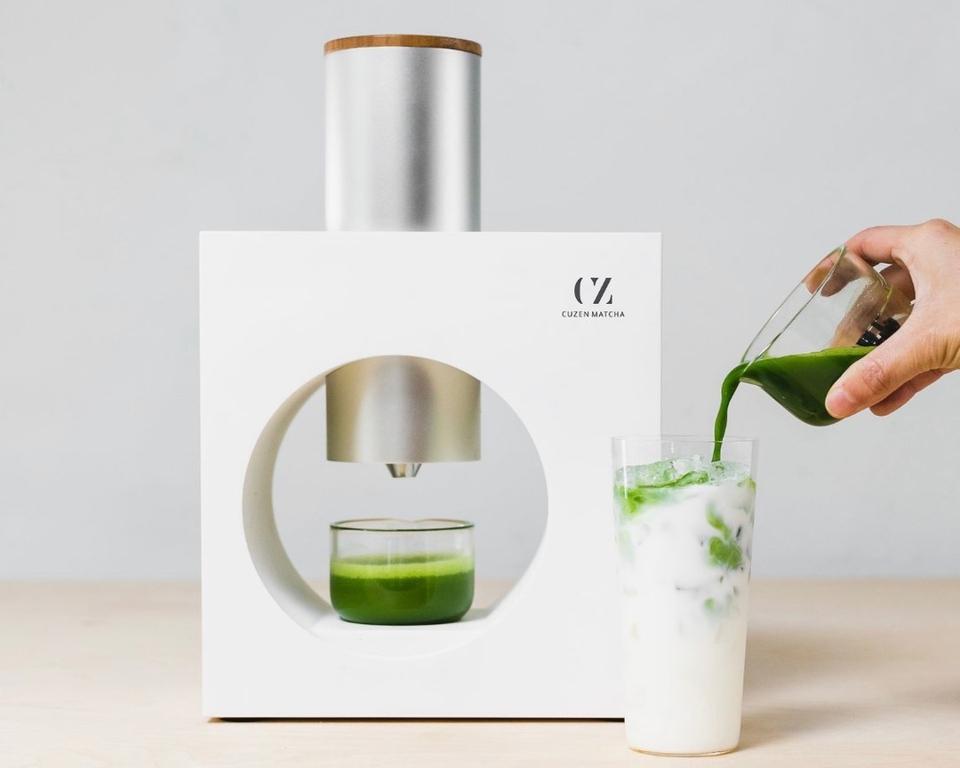
On-demand grinding of fresh matcha powder · Utilizes organic, shade-grown Japanese tea leaves · Designed for easy at-home use
This machine automates the crucial step of grinding matcha, ensuring peak freshness and flavor, which directly translates to a more vibrant and delicious matcha latte.

Electric-powered whisk for effortless frothing · Rechargeable and portable design · Mimics traditional whisking action for smooth texture
This electric whisk automates the whisking process, providing consistent froth and eliminating the need for manual whisking, simplifying the creation of a perfect matcha latte.
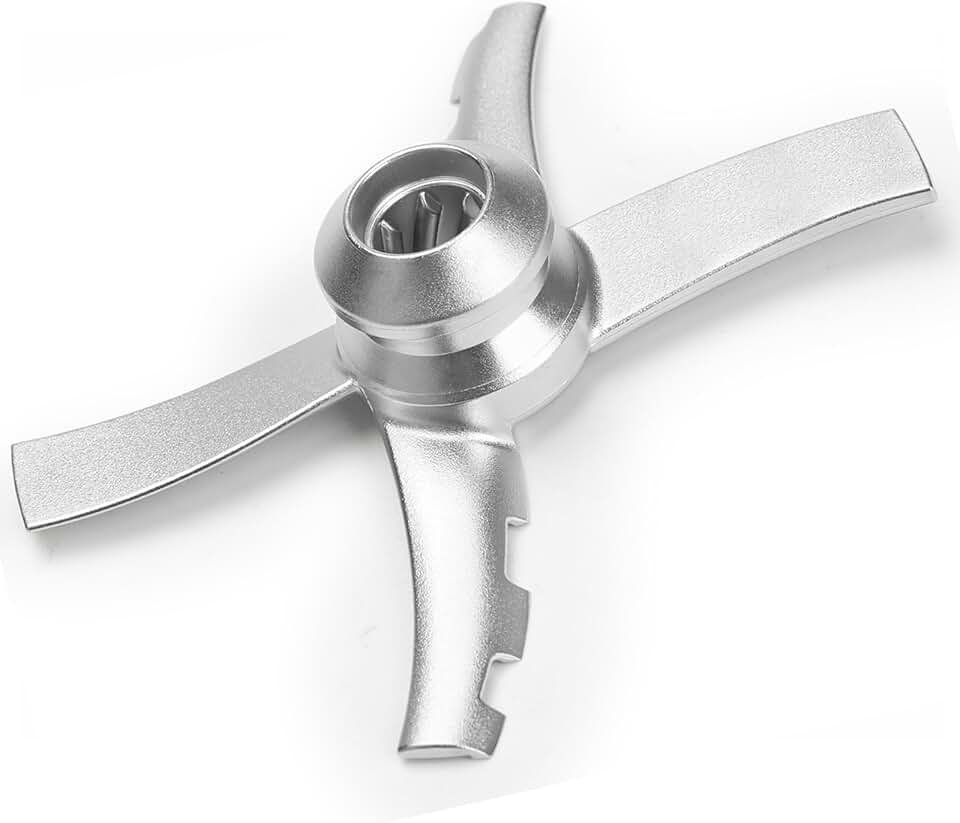
Direct replacement blade for Ninja Creami Deluxe models · Ensures optimal performance for ice cream and frozen treats · Compatible with multiple Ninja Creami series
While not directly for matcha brewing, this accessory ensures the Ninja Creami can create the perfectly creamy base for matcha ice cream or other frozen matcha-infused desserts, complementing a matcha-focused kitchen.
As an Amazon Associate I earn from qualifying purchases. Prices may vary.
AI-generated recipes
The influence of AI extends beyond simply brewing matcha. We’re starting to see AI-powered tools that help users explore new recipes and personalize their matcha experience. Several apps now offer recipe suggestions based on your taste preferences, dietary restrictions, and available ingredients.
AI-powered recipe generators are also emerging, capable of creating entirely new matcha-infused dishes. These tools can analyze flavor profiles and ingredient combinations to suggest innovative recipes, from matcha-infused cookies and cakes to savory dishes featuring matcha as a unique seasoning. It’s a fascinating area of experimentation.
The potential for AI to optimize matcha-infused baked goods is particularly exciting. Imagine an app that calculates the precise amount of matcha needed to achieve the perfect flavor balance in your cookies, or a smart oven that automatically adjusts the baking time and temperature based on the matcha content. The possibilities are endless.
What's next for home brewing
Looking ahead 5-10 years, the future of DIY matcha looks incredibly promising. We can expect to see even more sophisticated AI integration, with features like voice control integration allowing you to brew your perfect matcha latte with a simple voice command.
Personalization will become even more refined, with AI algorithms learning your individual preferences and automatically adjusting recipes and brewing parameters accordingly. I suspect we’ll also see a growing focus on sustainability, with AI being used to identify and source the highest-quality, ethically produced matcha.
Perhaps the most intriguing possibility is AI-powered matcha sourcing. Imagine a system that analyzes matcha farms based on factors like growing conditions, processing methods, and environmental impact, and then recommends the best matcha for your individual needs and values. That level of transparency and control would be a game-changer.
No comments yet. Be the first to share your thoughts!