

Choosing the right matcha powder
The foundation of a great DIY matcha latte starts with the powder itself. Not all matcha is created equal, and buying the wrong grade is the most common mistake new brewers make. You will encounter two main categories: ceremonial grade and culinary grade. Understanding the difference between these two ensures your latte tastes vibrant and smooth rather than bitter or dusty.
Ceremonial grade matcha is made from the youngest, shade-grown tea leaves. It is stone-ground into an ultra-fine powder that dissolves easily and offers a sweet, umami-rich flavor. This grade is designed to be whisked with water alone, making it the ideal choice for lattes where you want the tea's natural character to shine. Culinary grade matcha, on the other hand, is harvested later and has a stronger, more astringent profile. It is intended to stand up to milk, sugar, and other strong flavors in baking or smoothies.
For a homemade matcha latte, you should aim for high-quality culinary grade or entry-level ceremonial grade. Pure ceremonial grade can be expensive, and its delicate flavor might get lost if you add too much sweetener or heavy milk. A mid-range culinary grade offers the best balance of cost and flavor intensity, providing that classic green tea taste without overwhelming your palate.
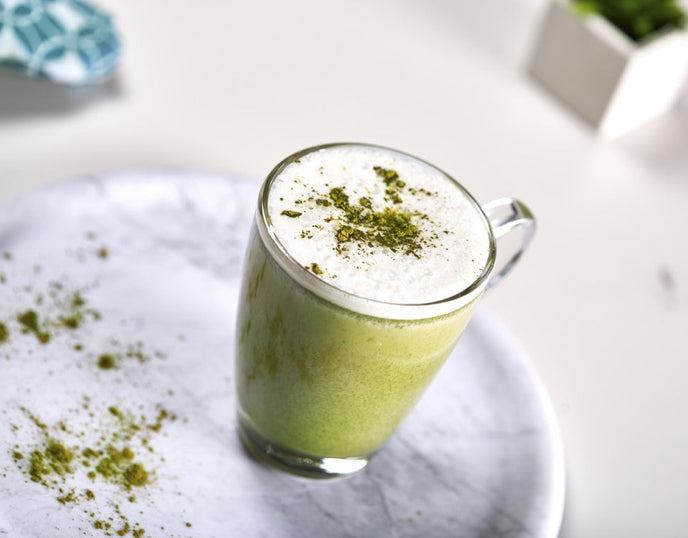
Use the comparison below to decide which grade fits your brewing style and budget.
| Grade | Flavor Profile | Price Range | Best Use Case |
|---|---|---|---|
| Ceremonial | Sweet, umami, smooth | $$$ | Pure tea, delicate lattes |
| Culinary | Bold, astringent, robust | $ | Baking, iced lattes, smoothies |
| Premium Culinary | Balanced, less bitter | $$ | Daily matcha lattes |
Essential tools for brewing
You don’t need a lot of equipment to make a great DIY matcha latte, but having the right tools makes a huge difference in texture and flavor. The three main items you’ll want are a bamboo whisk, a bowl, and a sifter. Each one plays a specific role in turning matcha powder into a smooth, clump-free drink.
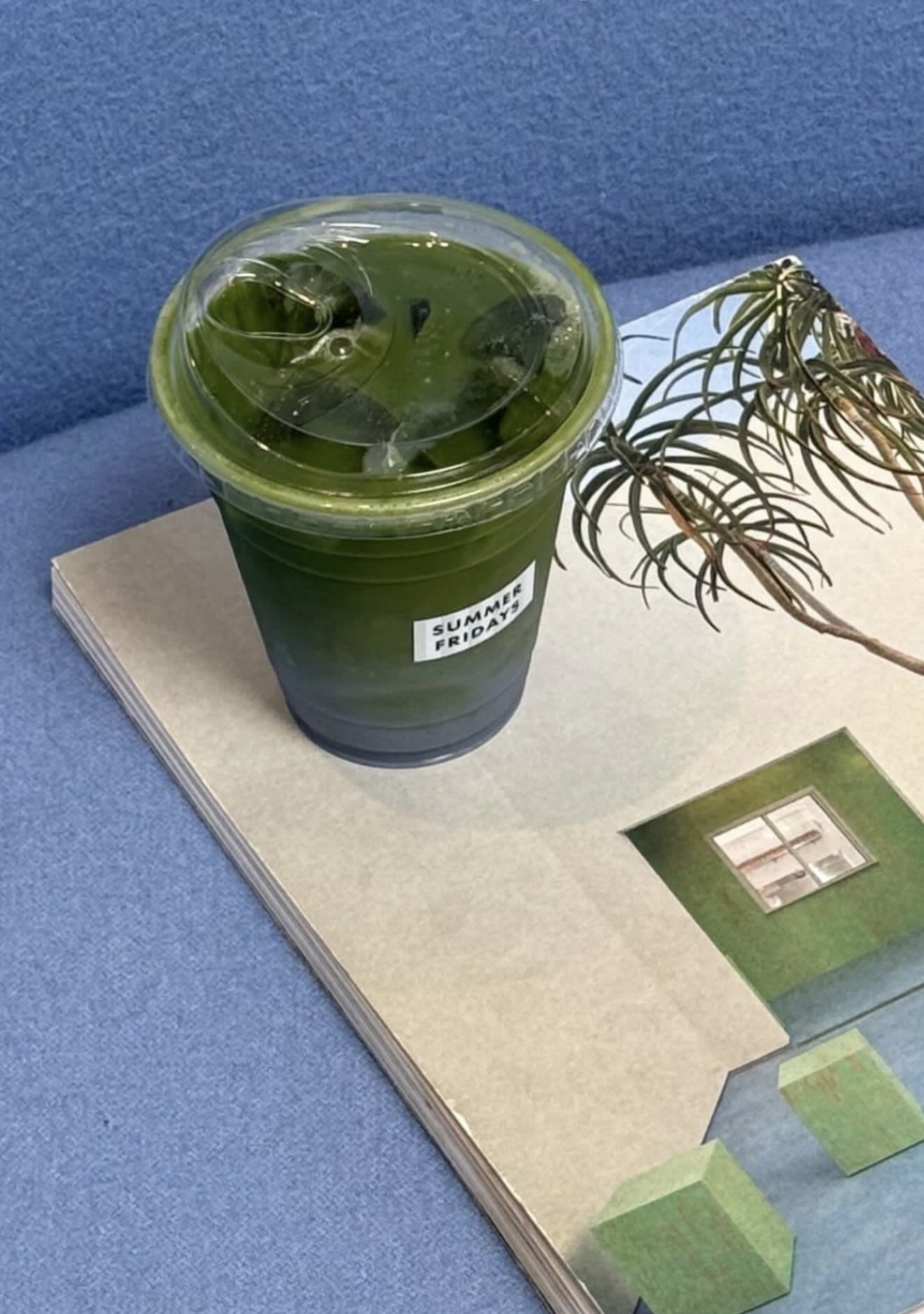
A chasen is a whisk made from a single piece of bamboo with dozens of fine tines. It’s designed to break up clumps and whip air into the matcha, creating that signature frothy layer. Using a regular spoon or metal whisk won’t give you the same texture.

A chawan is a wide, shallow bowl that gives you plenty of room to whisk. The wide opening allows the whisk to move freely without splashing, while the curved bottom helps gather the powder and water together for a consistent mix.
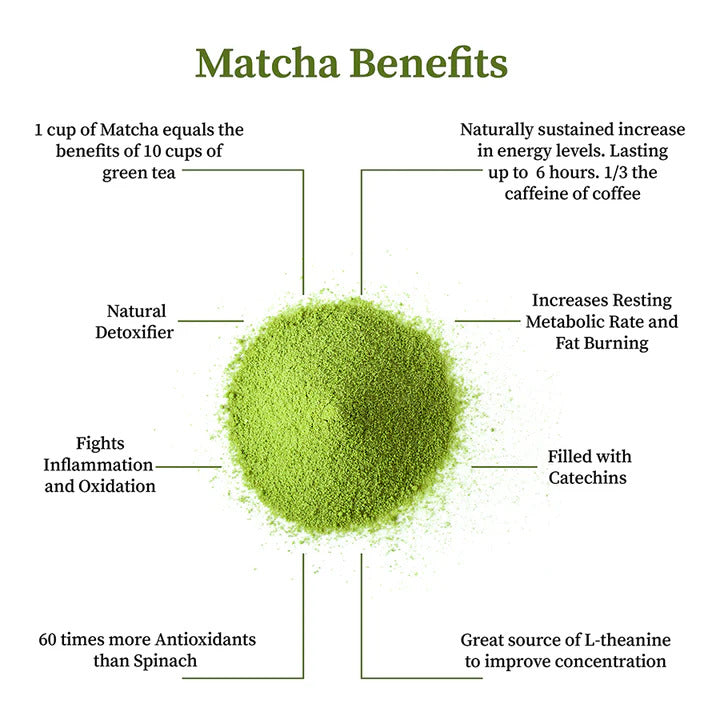
Matcha powder tends to clump because of static and moisture. A fine-mesh sifter catches these lumps before they hit the bowl, ensuring a smooth, silky drink. It’s a small step that prevents gritty patches in your latte.
These tools work together to simplify the process. The sifter preps the powder, the bowl holds it, and the whisk transforms it. With just these three items, you can brew a professional-quality DIY matcha latte at home without any fancy gadgets.
How to whisk the perfect base
The foundation of any great DIY matcha latte is a smooth, lump-free concentrate. If your base is clumpy, no amount of milk or sweetener will fix the texture. Think of this step as creating a thin, vibrant green paint that will later blend into your drink.
Start by sifting 1 to 2 teaspoons of matcha powder into a small bowl. Sifting is non-negotiable; it breaks up the fine clumps that form when matcha sits in its container. Without this step, you will be whisking around stubborn lumps that refuse to dissolve.
Next, add about 2 ounces (60ml) of hot water. The temperature should be around 175°F (80°C)—hot enough to extract flavor, but not boiling, which can scorch the leaves and turn the taste bitter. If you don’t have a thermometer, let the kettle sit for a minute after boiling before pouring.
Now, the whisking begins. Use a traditional bamboo chasen if you have one, or a small electric frother for speed. Hold the whisk at a slight angle and whisk vigorously in a quick "W" or "M" motion. You want to agitate the water enough to create a thin layer of foam on top, but not so long that it becomes frothy like cappuccino foam. The goal is a uniform, emulsified liquid.
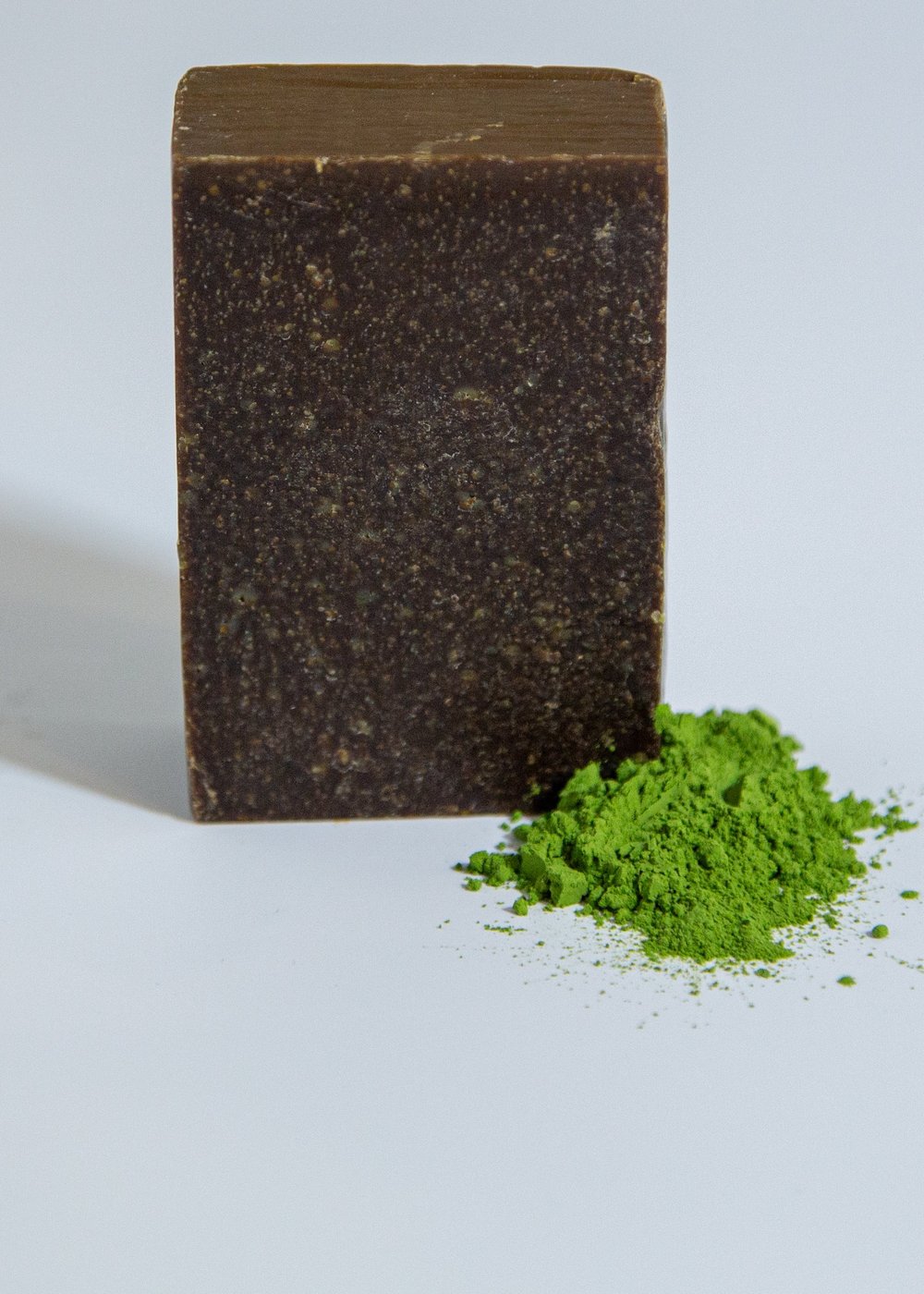
Place a fine-mesh sieve over your bowl and tap it gently to let the matcha fall through. This ensures there are no dry pockets of powder left behind.
Pour 2 ounces of water (around 175°F) over the sifted powder. Avoid boiling water to preserve the delicate umami flavors and vibrant color.
Using a bamboo chasen or electric frother, whisk quickly in a W or M shape. Stop when the surface has a thin layer of foam and no clumps remain.
Once your base is ready, you can immediately pour it over ice and milk for an iced version, or mix it with steamed milk for a hot latte. The concentrate will hold well for a few minutes, but it’s best used fresh for the brightest color and flavor.
Hot and iced latte recipes
Mastering your DIY matcha latte starts with a reliable base recipe. Whether you prefer a warming cup for the morning or a refreshing cold brew for the afternoon, the technique remains largely the same: whisking high-quality matcha powder with a small amount of hot water to create a smooth, vibrant concentrate before adding your chosen milk and sweetener.
Start with two teaspoons of culinary-grade matcha powder. Sift it into a bowl to remove clumps, then add one to two tablespoons of hot water (not boiling, ideally around 175°F or 80°C). Whisk vigorously in a "W" motion using a bamboo chasen or a small electric frother until the surface is covered in fine foam. This concentrate is the heart of your latte.

For the hot version, pour your matcha concentrate into a mug, then top with steamed or warmed milk of your choice. Almond, oat, and dairy milks all work well, each imparting a different texture and flavor profile. Sweeten with honey, maple syrup, or vanilla syrup to taste. For the iced version, fill a glass with ice cubes, pour in the matcha concentrate, and top with cold milk. Stir gently to combine.
If you want to see the whisking technique in action, this tutorial demonstrates how to achieve that signature creamy foam without clumps.
Troubleshooting bitter matcha
DIY Matcha Lattes works best as a clear sequence: define the constraint, compare the realistic options, test the tradeoff, and choose the path with the fewest hidden costs. That order keeps the advice usable instead of decorative. After each step, pause long enough to check whether the recommendation still fits the reader's actual situation. If it depends on perfect timing, unusual access, or a best-case budget, include a simpler fallback.
The simplest way to use this section is to write down the real constraint first, compare each option against it, and choose the path that still works outside ideal conditions.
No comments yet. Be the first to share your thoughts!