

Iced Matcha Magic: A Summer Staple
The iced matcha latte is a refreshing choice for warm weather. It offers a subtle energy boost without the jitters and a unique, slightly vegetal flavor that is surprisingly versatile.
Matcha drinks have gained significant traction, moving from a niche health food item to a popular menu option at various establishments. Making it at home allows for control over ingredient quality and customization of sweetness and strength.
This guide provides instructions for crafting the perfect iced matcha latte at home, covering matcha selection, preparation techniques, and flavor variations.
Decoding Matcha: Grades and Quality
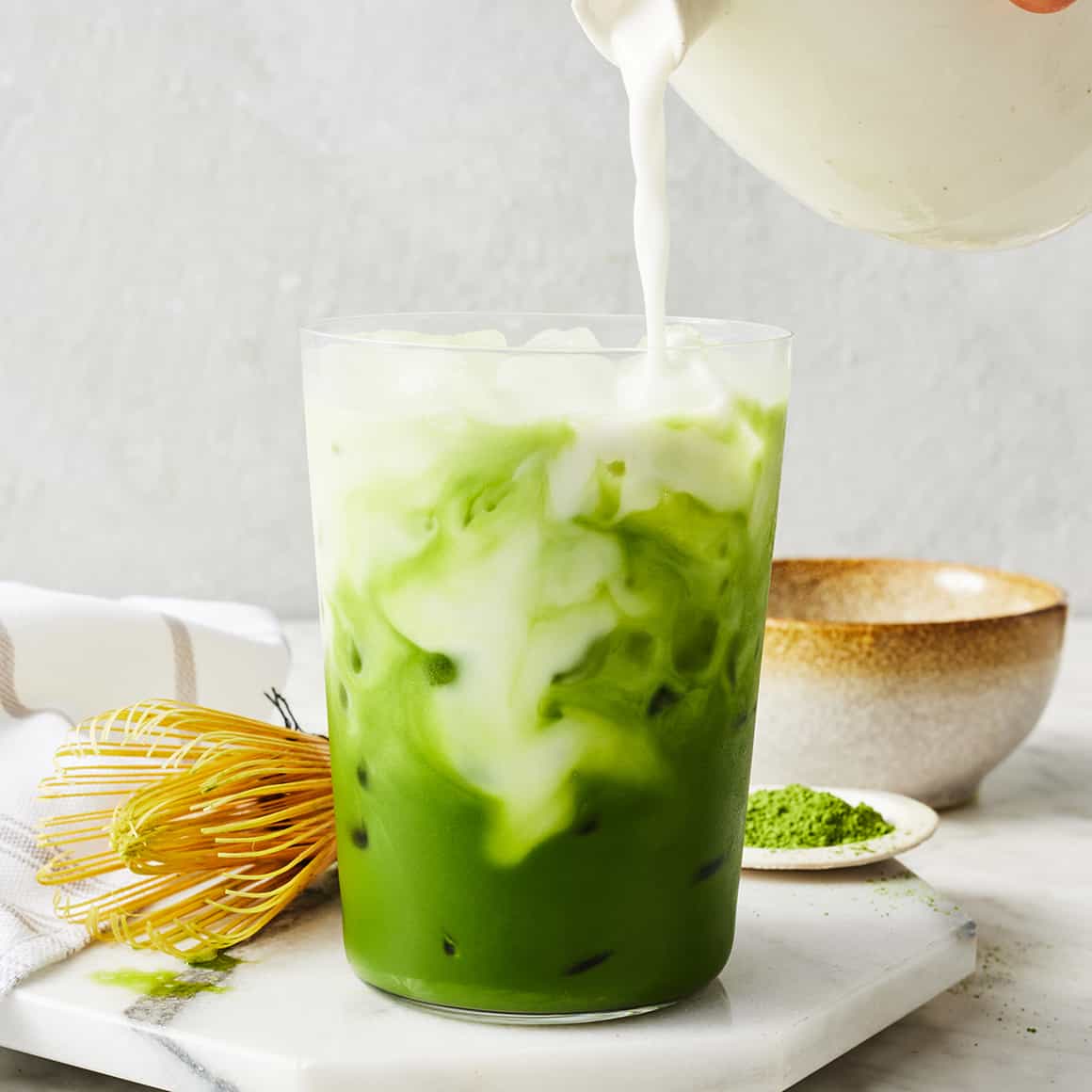
Matcha is available in several grades, each with a different price point and intended use: ceremonial, premium, and culinary. Ceremonial grade, made from the youngest tea leaves, is the highest quality and traditionally used in Japanese tea ceremonies. It has a vibrant green color and a delicate, slightly sweet flavor.
Premium matcha is excellent quality, though it may come from slightly more mature leaves. It is a great all-purpose option, suitable for lattes, smoothies, and baking. Culinary grade matcha is the least expensive and often has a more robust, sometimes slightly bitter flavor, making it best for recipes where the matcha flavor is not the primary focus, such as matcha cookies or brownies. Using premium matcha can make a noticeable difference in the final flavor of your latte.
When purchasing matcha, look for a bright, vivid green color. Yellowish or brownish hues indicate oxidation and lower quality. The texture should be very fine and silky. Most high-quality matcha comes from Japan, specifically regions like Uji and Nishio. A higher price tag does not always guarantee better quality, so it is advisable to experiment and find trusted brands.
A common myth is that all matcha is bitter. High-quality matcha should have a pleasant umami flavor, not an overly bitter one. Bitterness usually indicates lower quality or improper preparation. Matcha is not just a fad; it has been consumed in Japan for centuries, and its health benefits are well-documented.
The Perfect Ratio: Ingredients Breakdown
For a single serving of an iced matcha latte, start with 1-2 teaspoons (2-4 grams) of matcha powder, adjusting the amount based on your preferred strength. You will need about 6-8 ounces of liquid, which can be water, milk, or a plant-based alternative. Oat milk is recommended for its creamy texture and subtle sweetness, but almond milk or coconut milk are also suitable.
Sweetener is optional but can enhance the flavor. Maple syrup, agave nectar, honey, stevia, or your preferred sugar substitute can be used. Start with about 1 teaspoon and adjust to taste. Fill your glass about ¾ full with ice.
This is a starting point; experiment with different ratios to find what works best for you. The ability to customize is a key benefit of making your own latte. Using filtered water and a good quality sweetener can enhance the overall flavor.
- 1-2 teaspoons matcha powder (2-4g)
- 6-8 ounces liquid (water, milk, or alternative)
- 1 teaspoon sweetener (optional)
- Ice
Step-by-Step: Making the Latte
To make the latte, first sift the matcha powder into a small bowl to prevent clumps. Add about 2 ounces of hot water (around 175°F/80°C).
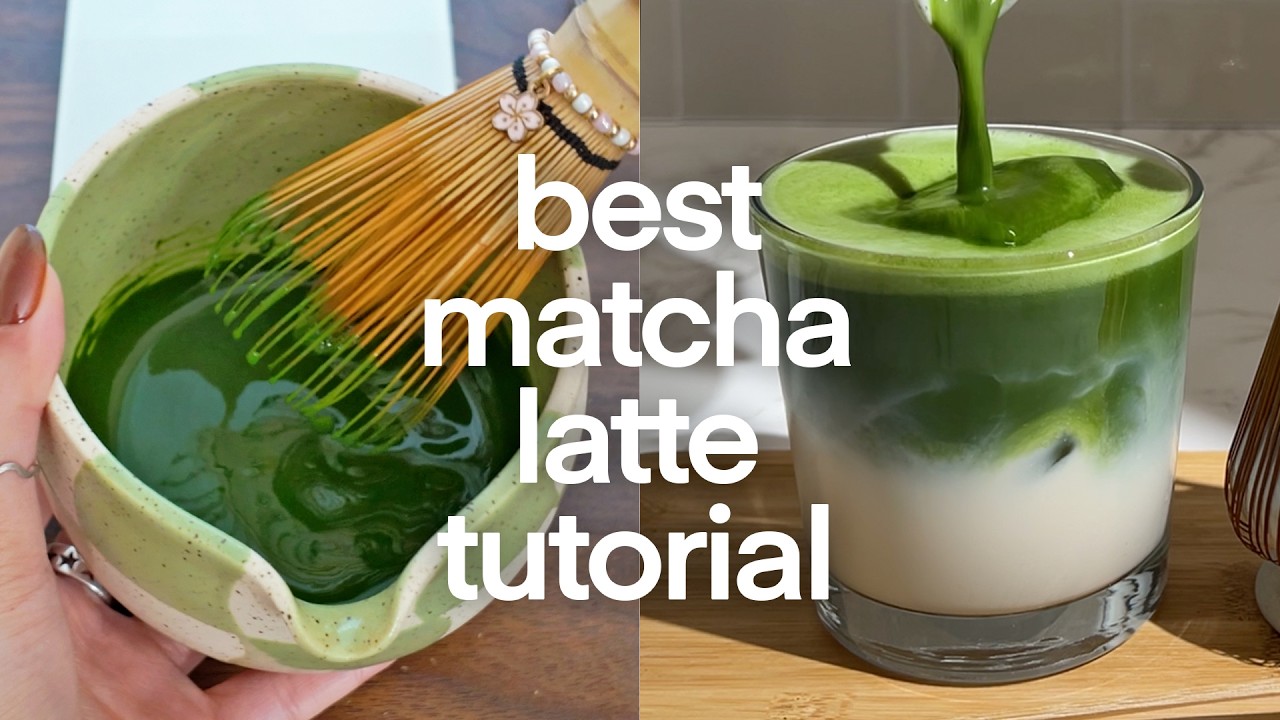
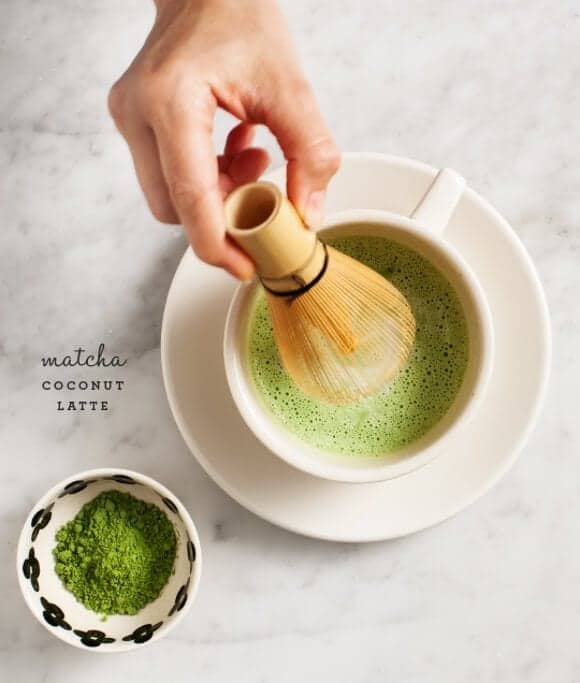
Using a matcha whisk (chasen) or a small whisk, vigorously whisk the matcha and water in a 'W' or 'M' shape for 30-60 seconds until a frothy layer forms. A milk frother can be used if a matcha whisk is unavailable, though it may not create the same fine froth. Avoid using a metal whisk, as it can impart a metallic taste.
Add the remaining liquid (milk or water) and sweetener to the bowl and stir to combine. Pour the mixture over a glass filled with ice. Stir again before serving. Garnish with a sprinkle of matcha powder or a dash of cinnamon for an extra touch.
If your matcha is clumpy, sift it again or add a little more hot water. If it tastes too bitter, add more sweetener or milk. If it’s not sweet enough, add more sweetener. If the matcha settles at the bottom of the glass, stir it well before drinking. Separation can occur, especially with plant-based milk, but it is safe to consume.
- Sift 1-2 tsp matcha powder into a bowl.
- Add 2oz hot water (175°F/80°C).
- Whisk vigorously until frothy.
- Add remaining liquid & sweetener.
- Pour over ice and enjoy!
Content is being updated. Check back soon.
Beyond Basic: Flavor Variations
After mastering the basic iced matcha latte, explore variations. For a vanilla matcha latte, add ½ - 1 teaspoon of vanilla extract to the mixture before pouring over ice. For a coconut matcha latte, substitute coconut milk for regular milk and add a tablespoon of shredded coconut or a dash of coconut extract.
Lavender matcha lattes can be made by infusing milk with a few drops of lavender extract or a teaspoon of dried lavender flowers (strain before using). For a spicy chocolate matcha latte, add a pinch of cayenne pepper and a tablespoon of cocoa powder to the mixture. Orange zest can be added for a citrusy twist.
Experiment with different extracts, spices, and milks, as matcha pairs well with a wide range of flavors. The key is to have fun and find what you enjoy.
Content is being updated. Check back soon.
Matcha Health Boost: What's the Buzz?
Matcha is rich in antioxidants that help protect the body against cell damage. A study published by acozykitchen.com highlights the high levels of catechins in matcha, known for their anti-inflammatory properties. Matcha also contains L-theanine, an amino acid that promotes relaxation and focus without causing drowsiness.
Unlike coffee, which can cause jitters and a crash, matcha provides a sustained energy boost due to the combination of caffeine and L-theanine. Research suggests matcha may improve cognitive function and boost metabolism. Loveandlemons.com notes that matcha’s unique nutrient profile contributes to its health benefits.
Matcha is a healthy and enjoyable beverage that can be
Troubleshooting: Common Matcha Mistakes
Even with a good recipe, things can sometimes go wrong. Clumpy matcha is one of the most common problems. As mentioned before, sifting the powder before whisking is crucial. If clumps persist, try adding a little more hot water and whisking more vigorously. A bitter taste usually indicates low-quality matcha or over-extraction. Using less matcha or adding more sweetener can help.
A weak flavor often means you’re not using enough matcha powder. Start with 2 teaspoons and adjust to your liking. Separation, particularly with plant-based milks, is often unavoidable. Just give the latte a good stir before drinking. Don’t be discouraged by these minor issues – practice makes perfect. Experimenting and learning from your mistakes is all part of the process.
Keeping it Cool: Storage & Shelf Life
To maintain the freshness and quality of your matcha powder, store it in an airtight container in a cool, dark place. Avoid exposure to light, air, and heat, as these can cause oxidation and degrade the flavor. I recommend storing it in the refrigerator or freezer for optimal preservation. Prepared matcha lattes are best consumed immediately, but can be stored in the refrigerator for up to 24 hours. However, the flavor and texture may deteriorate over time.
No comments yet. Be the first to share your thoughts!