

Matcha’s Moment: Beyond the Latte
Matcha's popularity has surged, moving beyond its reputation as just a green latte. People are now incredibly creative with it, using it as a flavor component in everything from baked goods to cocktails. The innovation in matcha applications is constant.
Matcha's history is rooted in Japanese tea ceremonies, with production beginning in the 13th century. Zen Buddhist monks originally used it to aid meditation. Its traction in the West began relatively recently, initially within health food circles, focusing on wellness before expanding to flavor.
Matcha's appeal lies in its versatility. It's more than a drink; it's a color, a flavor, a feeling. Its slightly vegetal, subtly sweet taste pairs well with many ingredients, and it's visually striking. This guide explores those possibilities and the latest matcha creations.
There's a shift towards seeking an experience with beverages, not just a healthy option. People want unique flavor combinations and aesthetically pleasing drinks, and matcha fits this perfectly. The current trend adds another layer to beverage culture, rather than replacing coffee.
Decoding Matcha Grades & Quality
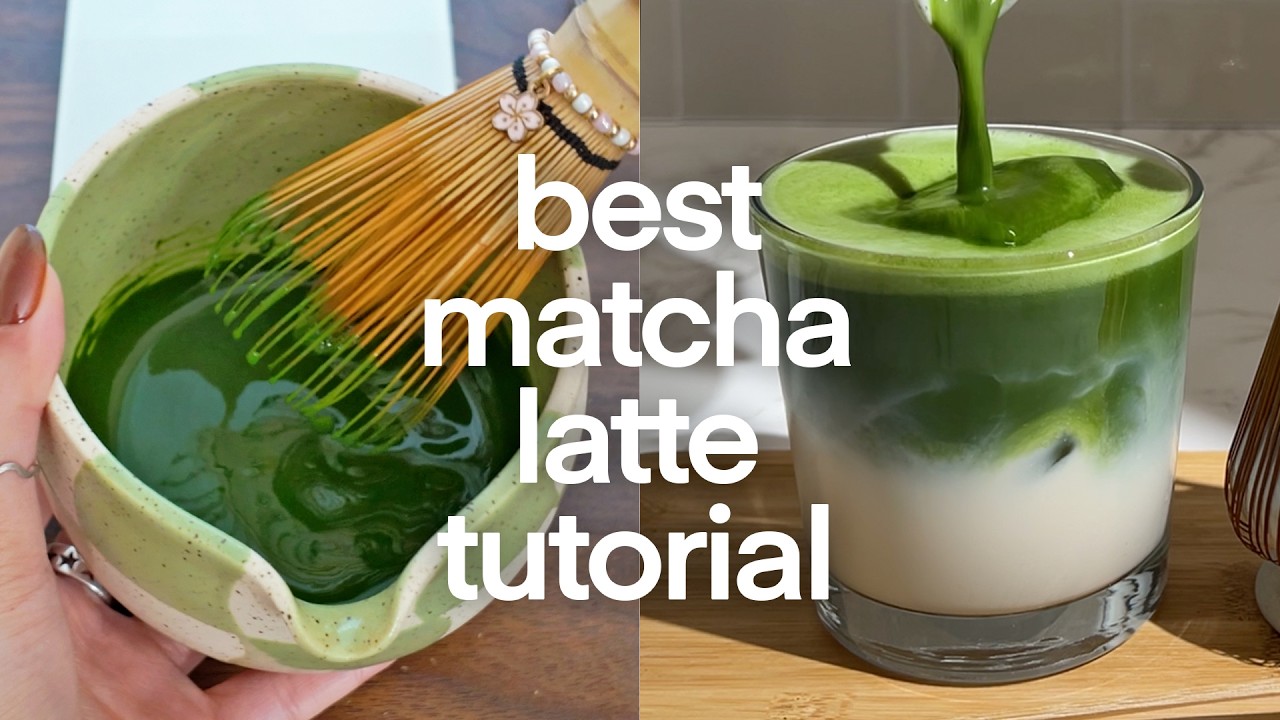
Understanding matcha quality is essential before experimenting with recipes, as there's a wide range in price and flavor based on how the tea is grown, processed, and graded. The three main grades are ceremonial, premium, and culinary.
Ceremonial grade is the highest quality, made from the youngest tea leaves, and intended for traditional tea ceremonies. It has a vibrant green color, a delicate sweetness, and a smooth texture. It's also the most expensive. Premium grade is still high quality, but might have a slightly more robust flavor and a less vibrant color. It’s often used for lattes and other drinks where the matcha flavor is blended with other ingredients.
Culinary grade is made from more mature tea leaves and has a bolder, more astringent flavor. It's designed for baking and cooking where the matcha flavor needs to stand out. Honestly, I’ve used culinary grade in a pinch for lattes, but the difference in taste is noticeable. You really get what you pay for.
Color indicates quality; brighter green usually means fresher, higher-quality matcha. Origin matters, with Uji, Japan renowned for its production, though other regions also produce excellent matcha. Processing techniques like steaming, drying, and grinding impact flavor and texture. Stone-ground matcha preserves more flavor and nutrients.
- Ceremonial: Best for traditional tea, smooth and sweet.
- Premium: Excellent for lattes and everyday use.
- Culinary: Ideal for baking and recipes needing a strong matcha flavor.
Matcha Grade Comparison
| Grade | Color | Texture | Taste Profile | Typical Uses |
|---|---|---|---|---|
| Ceremonial | Vibrant green, almost luminous | Extremely fine, silky smooth | Delicate umami, minimal bitterness, naturally sweet | Traditional tea ceremonies, usucha (thin tea), high-quality lattes where matcha flavor is paramount |
| Premium | Bright green | Very fine, smooth | Balanced umami and slight bitterness, some sweetness | Everyday matcha for lattes, smoothies, baking, and general consumption |
| Culinary | Duller green, may have a yellowish tint | Less fine, slightly grainy | Stronger bitterness, less umami, robust flavor | Baking, smoothies, mixing into foods where the matcha flavor will be combined with other ingredients |
| Ceremonial | Bright, vivid green | Extremely fine – feels like silk | Dominantly umami, with subtle sweetness and very low bitterness | Best for traditional preparation and appreciating the nuanced flavor of matcha |
| Premium | Green, though less vibrant than ceremonial | Fine, but may have a slight texture | Good balance of umami, sweetness, and gentle bitterness | Excellent for daily lattes, smoothies, and lighter baking applications |
| Culinary | Olive green to yellowish-green | Noticeably less fine; can be slightly gritty | Pronounced bitterness, less sweetness and umami | Ideal for recipes where matcha is one component among many, like cookies or brownies |
Illustrative comparison based on the article research brief. Verify current pricing, limits, and product details in the official docs before relying on it.
The 15 Trending Matcha Drinks of 2026
Here are 15 trending matcha beverages, based on cafe and social media trends, offering a variety of options for different tastes and preferences.
1. Sparkling Matcha Lemonade: A refreshing twist on a classic. Combine matcha with freshly squeezed lemonade and sparkling water for a bubbly, revitalizing drink. It’s surprisingly good and perfect for a hot day.
2. Matcha Mojito: Yes, you read that right. Muddle mint and lime with a touch of sugar, then add matcha, white rum, and soda water. It’s a surprisingly harmonious combination. The earthiness of the matcha balances the sweetness.
3. Lavender Matcha Latte: Floral and calming. Infuse your milk with lavender before adding the matcha for a soothing and aromatic latte. A Cozy Kitchen has some great tips on infusing milk with flavors.
4. Spicy Chocolate Matcha: A little heat never hurt anyone. Add a pinch of cayenne pepper and dark chocolate to your matcha latte for a surprisingly addictive drink. It’s a great pick-me-up.
5. Mango Matcha Smoothie: Tropical vibes. Blend matcha with mango, banana, and coconut milk for a creamy and vibrant smoothie. It's a great way to sneak in some extra nutrients.
6. Matcha Horchata: A fusion of flavors. Combine matcha with traditional horchata (a rice milk beverage) for a creamy and spiced drink. It’s a unique and delicious combination.
7. Black Sesame Matcha Latte: Nutty and complex. Add black sesame paste to your matcha latte for a rich and flavorful drink. It’s a popular combination in Japan.
8. Rose Matcha Latte: Another floral delight. Similar to the lavender latte, but with the delicate flavor of rosewater. It’s a beautiful and fragrant drink.
9. Iced Matcha Coconut Cream: A decadent treat. Blend matcha with coconut cream and a touch of sweetener for a luxurious and creamy drink. It’s like a matcha milkshake.
10. Matcha Pineapple Cooler: Bright and tangy. Combine matcha with pineapple juice, lime juice, and sparkling water for a refreshing cooler. It’s perfect for a summer barbecue.
11. Matcha Earl Grey Latte: A sophisticated blend. Combine matcha with Earl Grey tea for a fragrant and flavorful latte. It’s a great option for tea lovers.
12. Dirty Matcha Chai: A bold combination. Add a shot of espresso to your matcha chai latte for a caffeinated boost. It’s a great way to start your day.
13. Matcha Mint Julep: A Southern twist. Muddle mint and sugar, then add matcha, bourbon, and crushed ice. It’s a refreshing and sophisticated cocktail.
14. Decaf Matcha Vanilla Steamer: For those avoiding caffeine. Use decaf matcha and steamed milk with vanilla extract for a comforting and cozy drink. It is a great alternative.
15. Matcha & Yuzu Fizz: A zesty delight. Combine matcha with yuzu juice (a Japanese citrus fruit) and sparkling water for a bright and refreshing fizz. It’s a unique and flavorful drink.
AI’s Role in Recipe Development
undefined is that AI can identify combinations that humans might not think of.
One area where AI seems particularly useful is in optimizing ingredient ratios. It can analyze data from thousands of recipes to determine the perfect balance of matcha, milk, sweetener, and other ingredients. This can lead to more consistent and flavorful results. It’s also being used to predict recipe popularity based on social media trends and search data.
I think we’ll see more AI-powered recipe platforms emerge in the coming years, offering personalized matcha recommendations and even generating custom recipes based on your dietary restrictions and taste preferences. The potential is huge, although I do think the human element – the creativity and intuition of a skilled barista or chef – will always be important.
It's still early days, and the technology is constantly evolving. But it’s clear that AI is going to play a significant role in the future of matcha recipe development. I believe it will empower home cooks and professional chefs alike to create even more innovative and delicious matcha drinks.
Matcha & Wellness: Beyond the Buzz
Matcha is often touted for its health benefits, and there’s a good amount of science to back up some of those claims. According to Wikipedia, matcha is rich in antioxidants, particularly catechins, which are linked to a variety of health benefits. It also contains L-theanine, an amino acid that promotes relaxation and focus without the jitters often associated with coffee.
The combination of caffeine and L-theanine in matcha creates a unique effect – sustained energy and improved cognitive function. It’s often used by students and professionals looking for a mental edge. I’ve personally found that matcha helps me stay focused and productive without feeling anxious.
While matcha is undoubtedly a healthy beverage, it’s important to be realistic about its benefits. It’s not a miracle cure-all, and it shouldn’t be used as a substitute for a healthy diet and lifestyle. The antioxidant content can vary depending on the quality of the matcha, and more research is needed to fully understand its long-term effects.
However, the existing evidence suggests that matcha can be a valuable addition to a healthy diet. It’s a delicious and nutritious way to boost your energy, improve your focus, and support your overall well-being. Just remember to choose high-quality matcha and consume it in moderation.
Troubleshooting Common Matcha Mistakes
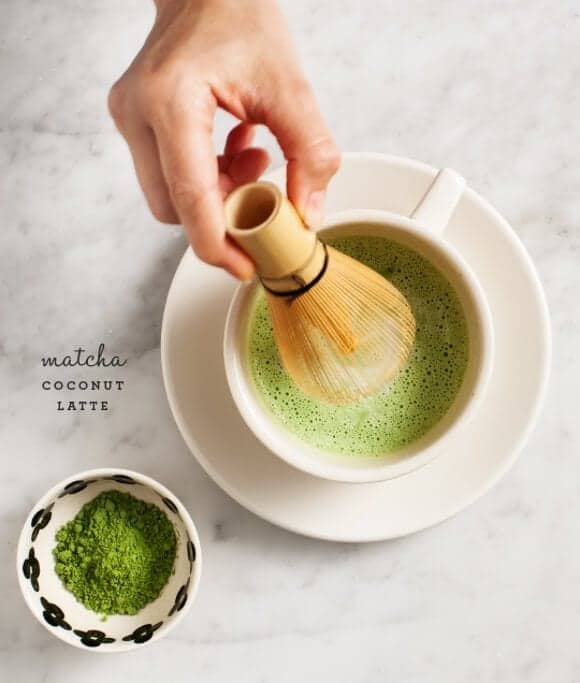
Making matcha can be surprisingly tricky. I know I struggled when I first started! One of the most common problems is clumping. This happens when the matcha powder doesn’t dissolve properly. The key is to sift the matcha before adding liquid, and to use a whisk to break up any clumps that do form. A Cozy Kitchen has a great tutorial on whisking matcha properly.
Bitterness is another common issue. This can be caused by using too much matcha, using hot water, or using low-quality matcha. Start with a small amount of matcha and adjust to your taste. Use water that is around 175°F (80°C) – too hot and it will become bitter.
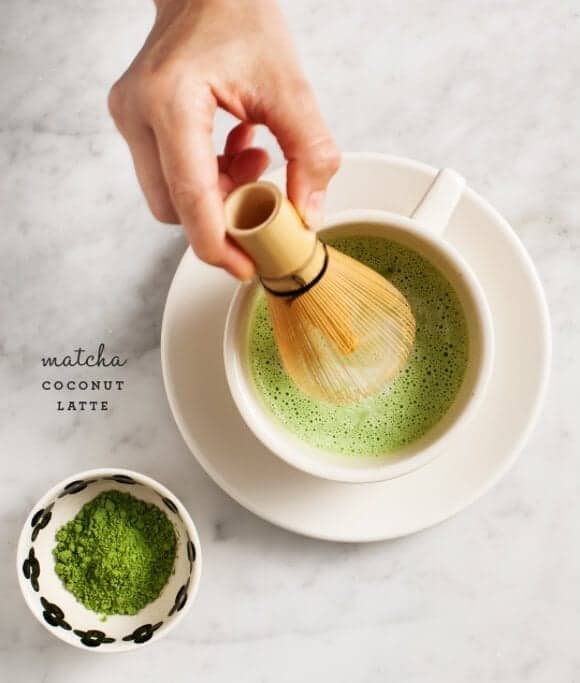
Uneven mixing can also be a problem. Make sure to whisk vigorously and thoroughly to ensure that the matcha is fully dissolved. Using a bamboo whisk (chasen) is ideal, but a small metal whisk can also work. I found that practicing the whisking motion helped a lot.
Finally, if your matcha tastes grassy or unpleasant, it may be old or improperly stored. Matcha is best stored in an airtight container in a cool, dark place. It’s also important to use it within a few months of opening the package.
Ingredient Swaps & Customization
The beauty of these recipes is that they’re easily adaptable. If you have dietary restrictions or simply want to customize the flavors, feel free to experiment. For vegan options, use plant-based milk alternatives like almond, soy, or oat milk. Coconut milk adds a lovely creaminess.
If you’re looking to reduce sugar, you can use sugar-free sweeteners like stevia or monk fruit. You can also reduce the amount of sweetener called for in the recipe, or omit it altogether if you prefer a less sweet drink. Many of the recipes benefit from the natural sweetness of fruit.
For those with nut allergies, be careful when using nut-based milks or ingredients. Always check the labels to ensure that the product is free of nuts. You can also substitute with other plant-based milks like oat or soy milk.
Don’t be afraid to experiment with different flavors. Add a dash of cinnamon, nutmeg, or cardamom to your matcha latte. Use different types of fruit juice or extracts. The possibilities are endless! The goal is to create a drink that you enjoy.
No comments yet. Be the first to share your thoughts!