

Iced Matcha Latte Bliss: The 2026 Upgrade
Summer heat calls for a cool, refreshing drink. The iced matcha latte is a popular choice for its delicious taste, sustained energy, and perceived health benefits over sugary beverages. However, traditional preparation can be time-consuming for busy individuals.
Matcha preparation has evolved, moving away from complex rituals towards simpler methods. These hacks are designed to deliver a quality matcha latte quickly, catering to those with limited time.
These methods prioritize efficiency without compromising taste or quality, offering a practical solution for busy days.
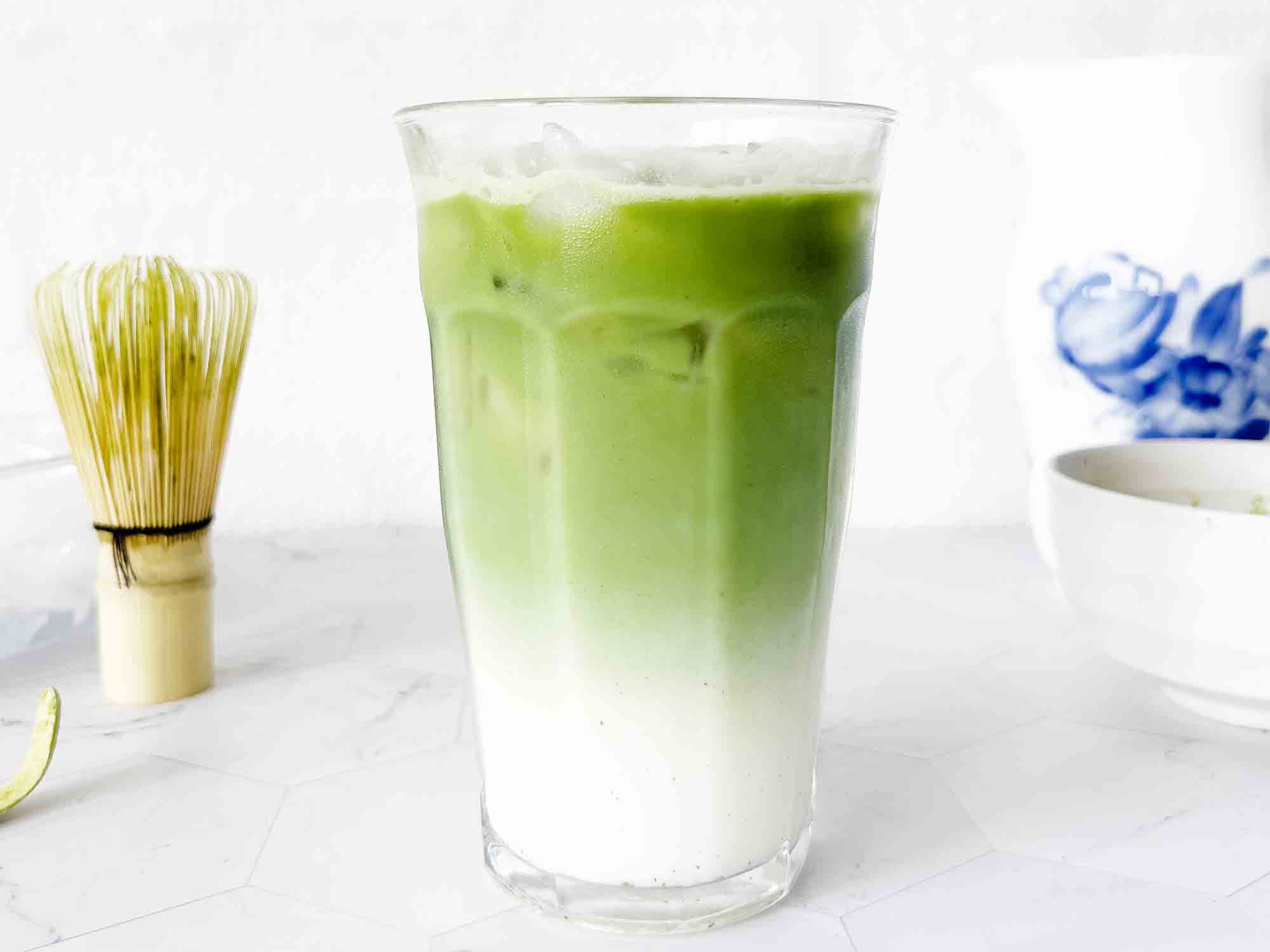
Matcha Powder: Quality & Cost Breakdown
Matcha powder varies significantly in price and grade. Ceremonial grade, the highest quality, is used in Japanese tea ceremonies. It is finely ground, bright green, and has a delicate, sweet flavor, typically costing $25-$45 for 30 grams (1 ounce).
Premium grade matcha, priced around $15-$25 for 30 grams, is suitable for lattes and smoothies, offering a slightly more robust flavor. Culinary grade, the most affordable at $10-$15 for 30 grams, is best for baking or blending. For a quick iced latte, premium or culinary grades are generally sufficient.
Sourcing from reputable brands like Ippodo Tea Co. or Aiya Matcha ensures authenticity. Organic options are available but often come at a higher price point.
Experimenting with different brands is recommended, as flavor profiles vary. Purchasing smaller quantities initially can help identify personal preferences. While health food stores offer matcha, online retailers often provide a wider selection and competitive pricing.
- Ceremonial Grade: $25 - $45 / 30g (1oz) - Best for traditional tea ceremonies.
- Premium Grade: $15 - $25 / 30g (1oz) - Excellent for lattes and smoothies.
- Culinary Grade: $10 - $15 / 30g (1oz) - Ideal for baking and blending.
The 5-Minute Latte Hacks, Revealed
Here are techniques to prepare matcha quickly without sacrificing time. Each method aims to reduce preparation time compared to traditional methods.
Hack #1: Pre-Portioned Matcha Pouches. This is a game-changer. Measure out 1-2 grams of matcha (depending on your desired strength) into small, airtight pouches or containers. I use reusable silicone bags. Then, when you’re ready for a latte, just grab a pouch and go. This eliminates the measuring step entirely.
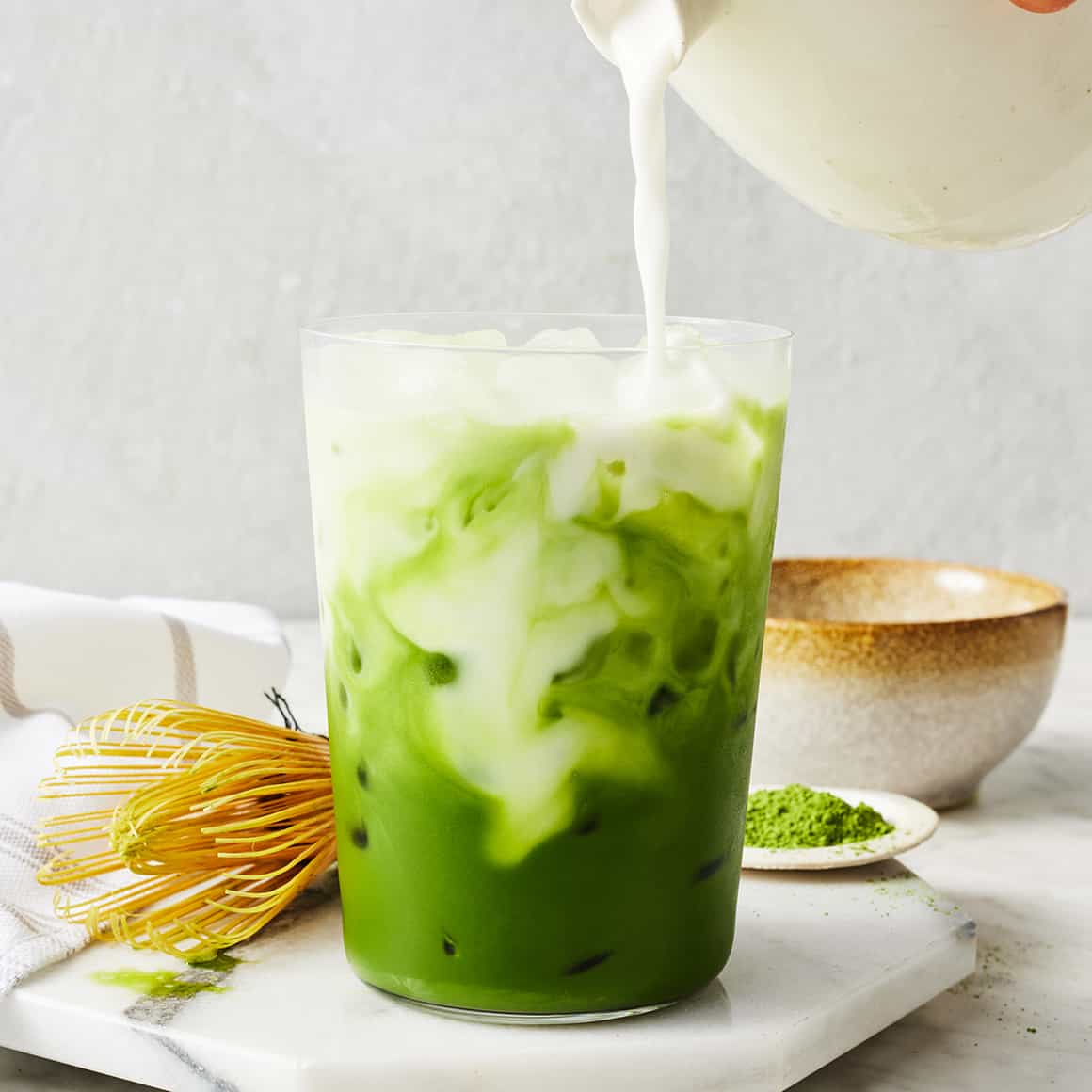
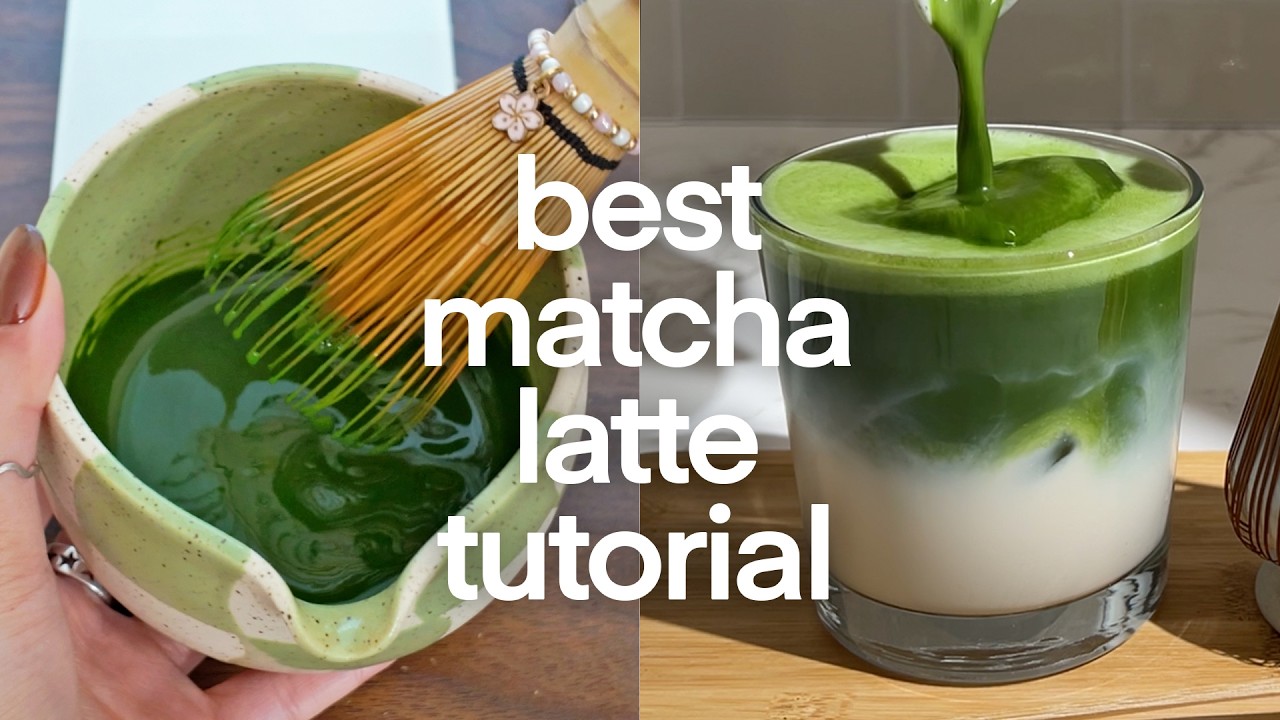
Hack #2: Milk Frother Power Mix. Forget meticulously whisking matcha. A milk frother works wonders. Add the matcha powder to your glass, then pour in a small amount of hot water (about 2 ounces). Use the frother to create a smooth, lump-free paste. This ensures the matcha dissolves properly and prevents clumping. Then add ice and your milk of choice.
Hack #3: Iced Coffee Concentrate Shortcut. If you’re really short on time, use a high-quality iced coffee concentrate. It won’t taste exactly like a traditional latte, but it provides a similar caffeine kick and adds a pleasant depth of flavor. Combine 2 ounces of concentrate with 4 ounces of milk and 1-2 grams of matcha. Adjust to your preference.
Hack #4: Pre-Sweetened Syrups. Ditch the sugar bowl and embrace flavored syrups. Maple syrup or agave are good options. You can even buy pre-made vanilla or caramel syrups to add extra flavor. Just be mindful of the sugar content in store-bought syrups and opt for brands with minimal artificial ingredients. A little goes a long way.
Hack #5: Blend, Don’t Shake. While shaking can work, blending creates a smoother, more homogenous latte. Combine all ingredients in a blender and blend for 15-20 seconds. This ensures the matcha is fully incorporated and the drink is perfectly chilled. It’s slightly more cleanup, but the texture is worth it.
Milk Alternatives: Beyond Dairy
While dairy milk is traditional, numerous milk alternatives are available. Oat milk is often favored for matcha lattes due to its creamy texture and subtle sweetness, which complements matcha well and tends to avoid curdling.
Almond milk is a lighter option, though it can be thin. Soy milk provides protein and a neutral flavor, but is unsuitable for those with soy sensitivities. Coconut milk imparts a distinct flavor that may compete with the matcha.
Cashew milk offers a creaminess comparable to oat milk. The ideal milk alternative depends on individual preference, and its sweetness and creaminess will influence the final latte flavor.
Sweeteners: Healthy & Speedy Options
Beyond white sugar, several healthier and quick-dissolving sweeteners are available. Maple syrup dissolves easily and adds a subtle flavor. Honey is thicker and may require more stirring, similar to agave nectar.
Stevia offers a zero-calorie option, though some find it has a bitter aftertaste. Pre-made flavored syrups are convenient for quick preparation, but checking ingredient lists for artificial additives is recommended.
A pitted date can provide natural sweetness and fiber. It adds a subtle caramel flavor and may alter the latte's texture, potentially requiring liquid adjustment. One date is typically sufficient for a 12-ounce latte.
- Maple Syrup: Dissolves quickly, subtle flavor.
- Honey: Can be thicker, requires more stirring.
- Agave Nectar: Similar to honey.
- Stevia: Zero-calorie, potential aftertaste.
- Dates: Natural sweetness, alters texture.
Sweetener Comparison for Iced Matcha Lattes
| Sweetener Type | Dissolve Time (Cold Liquids) | Sweetness Level | Flavor Impact | Health Considerations |
|---|---|---|---|---|
| Honey | Medium | Moderate | Distinct, floral notes | Natural, contains antioxidants. Higher caloric content than some alternatives. |
| Maple Syrup | Medium | Moderate | Distinct, caramel-like flavor | Natural, contains some minerals. Higher caloric content, impacts flavor profile. |
| Agave Nectar | Fast | Moderate | Neutral to slightly fruity | Higher fructose content; use in moderation. |
| Coconut Sugar | Slow | Mild | Subtle caramel notes | Lower glycemic index than refined sugar, but still a sugar. Granular texture may require more stirring. |
| Stevia | Fast | Strong | Can have a slightly bitter aftertaste | Zero-calorie, natural source. Some individuals dislike the aftertaste. |
| Monk Fruit Sweetener | Fast | Moderate | Generally neutral | Zero-calorie, natural source. Often blended with other sweeteners. |
| Simple Syrup (Sugar & Water) | Fast | Moderate to Strong | Neutral | Refined sugar; provides consistent sweetness but lacks nutritional value. |
Qualitative comparison based on the article research brief. Confirm current product details in the official docs before making implementation choices.
Troubleshooting: Common Matcha Mistakes
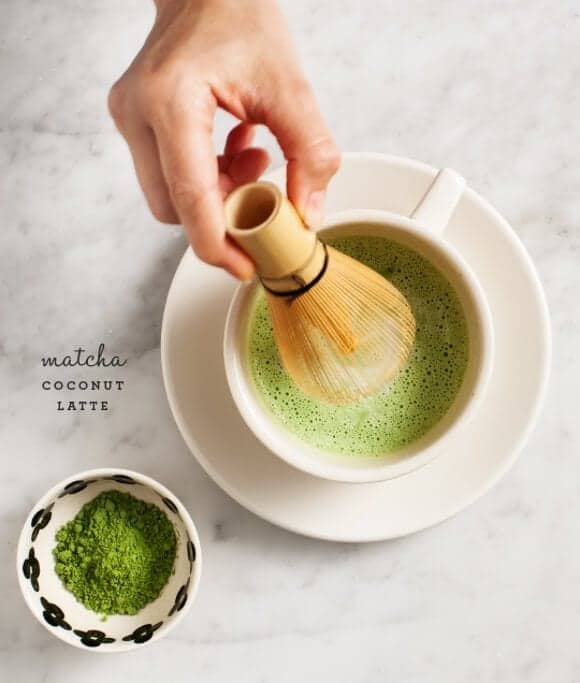
Matcha latte preparation can encounter issues like clumping, often due to improper powder dispersion. Using a milk frother helps, or when whisking, a W-shaped motion can break up clumps.
undefined the result of using too little matcha or not enough liquid. Adjust the ratio to your liking. I've definitely been guilty of under-matchaing in the past!
If your matcha latte tastes grainy, it could be due to the quality of the matcha. Lower-grade matcha tends to be coarser and doesn’t dissolve as easily. Sifting the matcha powder through a fine-mesh sieve before mixing can help remove any larger particles. Don’t be discouraged if your first few attempts aren’t perfect. Practice makes perfect, and even a slightly imperfect matcha latte is still a delicious treat.
Level Up: Matcha Latte Variations
Once you’ve mastered the basic iced matcha latte, you can start experimenting with different flavors. A dash of cinnamon or cardamom adds a warm, spicy note. A tablespoon of mango or strawberry puree creates a fruity, refreshing twist. A splash of vanilla extract enhances the sweetness and adds a hint of complexity.
For a more adventurous option, try adding a pinch of cayenne pepper for a subtle kick. You can also create a mocha matcha latte by adding a tablespoon of chocolate syrup. Don’t be afraid to get creative and experiment with different combinations. The possibilities are endless.
Remember, the goal is to find flavors that complement the matcha without overpowering it. Start with small amounts of any additions and adjust to your preference. Keep it simple, keep it speedy, and enjoy!
TikTok Trends: What's New in Summer '26?
As of mid-2026, TikTok is buzzing about 'cloud matcha lattes' – incredibly frothy lattes achieved with a specialized handheld frother (often with a built-in heating element). The aesthetic is all about the voluminous foam and layered presentation. There's also a trend towards using floral syrups, like lavender or rose, to add a delicate floral note to matcha lattes.
Another popular trend is the 'matcha lemonade' – a surprisingly refreshing combination of matcha and lemonade. It’s a great option for those who prefer a tarter drink. These trends change quickly, of course, but they demonstrate the continued creativity and enthusiasm surrounding matcha drinks. You can find examples of these trends on TikTok using the hashtag #matchalattes.
No comments yet. Be the first to share your thoughts!