

Matcha Latte Foundations
Matcha lattes are popular for their visual appeal, unique earthy flavor, and gentle energy boost. Matcha itself is a finely ground powder from specially grown green tea leaves, with deep roots in Japanese culture.
Traditionally, matcha was used in Japanese tea ceremonies, a ritual emphasizing harmony, respect, purity, and tranquility. This history influences preparation, reminding us it's about honoring a tradition, not just convenience.
Matcha grades vary in price and use. Ceremonial grade is the highest quality, best for traditional ceremonies due to its vibrant color and smooth, subtly sweet flavor. Premium grade balances quality and affordability for everyday lattes and cooking. Culinary grade is the most affordable, suitable for baking and smoothies where flavor is less critical.
Matcha quality significantly impacts the final latte. Cheaper, culinary-grade matcha can be bitter or lack vibrant green color. Investing in good quality matcha, even premium grade, elevates lattes. It's the star of the show.
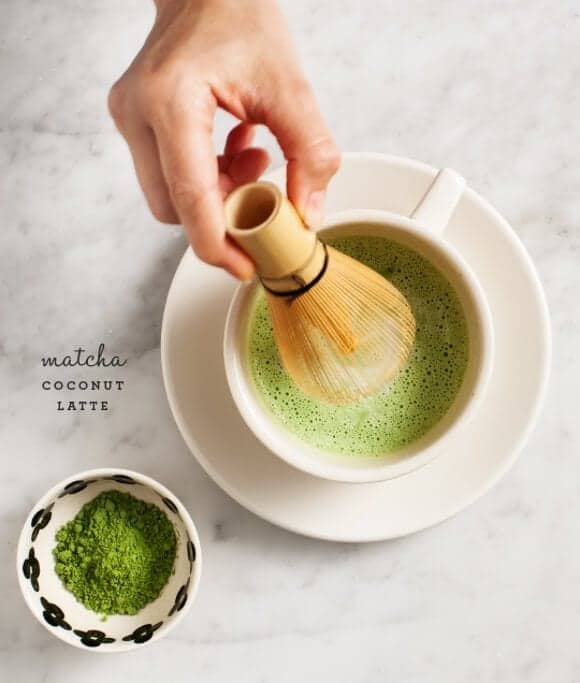
Essential Equipment: Beyond the Whisk
To make café-quality matcha lattes at home, you'll need more than just the powder. A traditional tea bowl, or chawan, is ideal, though a wide-mouthed bowl works. The chawan's shape aids whisking for a smoother paste.
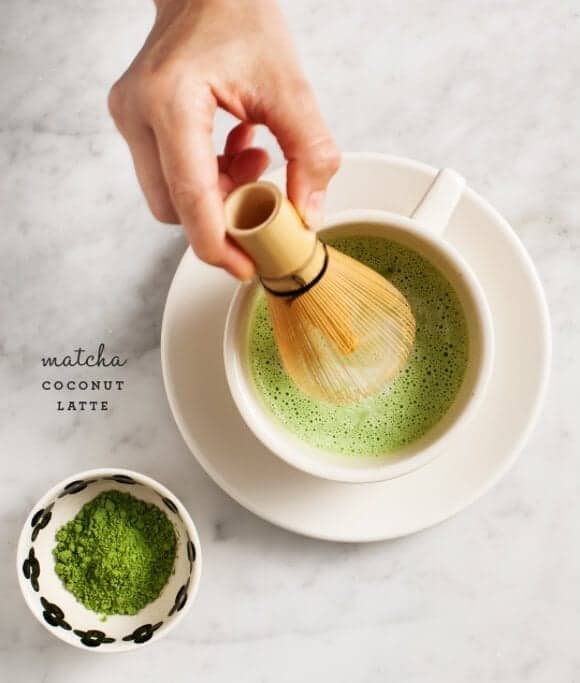
The bamboo whisk, or chasen, is arguably the most important tool for creating matcha's characteristic frothy texture. Rinse gently with cool water and air dry; avoid soap, which damages the tines. A sifter breaks up clumps for smooth suspension.
Milk frothing is another consideration. A simple handheld frother offers a quick, inexpensive solution for decent foam. For more control over texture and temperature, an espresso machine with a steam wand is recommended.
A quality frother makes a difference. Water temperature is often overlooked; aim for hot, but not boiling, water around 175°F (80°C). Boiling water scorches matcha, causing bitterness.
Mastering the Matcha Base
A great matcha latte starts with a well-prepared base, using the correct matcha-to-water ratio. A good starting point is 1-2 teaspoons of matcha per 2 ounces (60ml) of hot water; adjust to your preference and experiment.
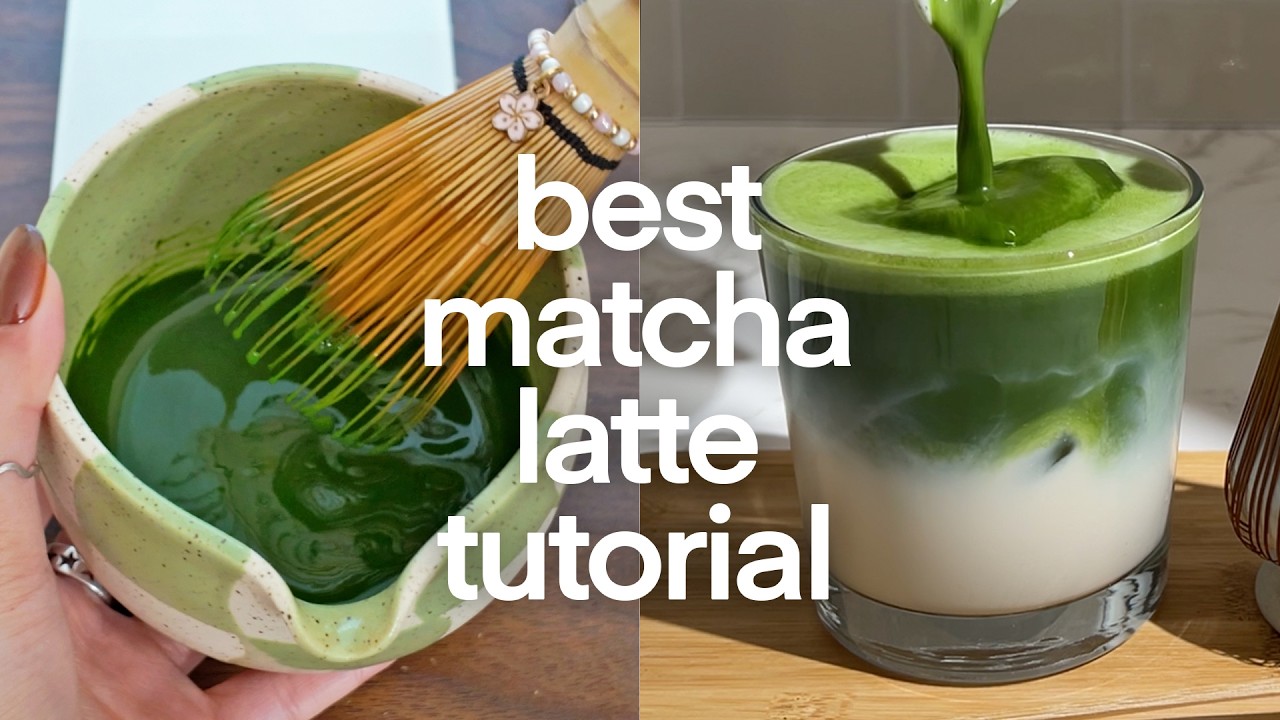
Always sift the matcha before adding water to remove clumps and ensure a smooth paste. Slowly add hot water and whisk with a "W’ or ‘M" motion using the chasen, avoiding pressing down on the bowl's bottom.
The goal is a frothy, vibrant green paste with no clumps. This takes practice. Pressing too hard with the chasen can damage tines and create a grainy texture; a light, quick whisking motion is better.
Water quality plays a role. Filtered water is best, as tap water minerals can affect matcha flavor. Even different brands of bottled water can subtly alter the taste, contributing to the overall experience.
- Sift 1-2 tsp matcha
- Add 2 oz hot (175°F) water
- Whisk vigorously in "W’ or ‘M" motion
- Aim for frothy, clump-free paste
Milk Choices & Frothing Techniques
Milk choice significantly impacts matcha latte flavor and texture. Dairy milk offers a classic, creamy texture. Non-dairy alternatives are popular; oat milk is known for its natural sweetness and frothing ability. Almond milk can be thinner and less creamy.
Soy milk balances flavor and texture, while coconut milk adds a subtle tropical note. Experiment to find your favorite. A blend of oat and almond milk can create a lighter latte.
Frothing techniques vary by frother type. With a handheld frother, immerse and froth until desired consistency. With an espresso machine steam wand, stretch the milk to create foam, then swirl to integrate it.
Cold foam, made by frothing cold milk, creates a velvety texture on top of the latte. High-fat oat milk works best for cold foam as it holds its shape better, elevating the drink's texture.
Classic & Creative Latte Recipes
For a classic hot matcha latte, combine 2 teaspoons of matcha paste with 8-10 ounces of your preferred milk. Sweeten to taste with honey, maple syrup, or your favorite sweetener. A touch of honey enhances the matcha's natural sweetness.
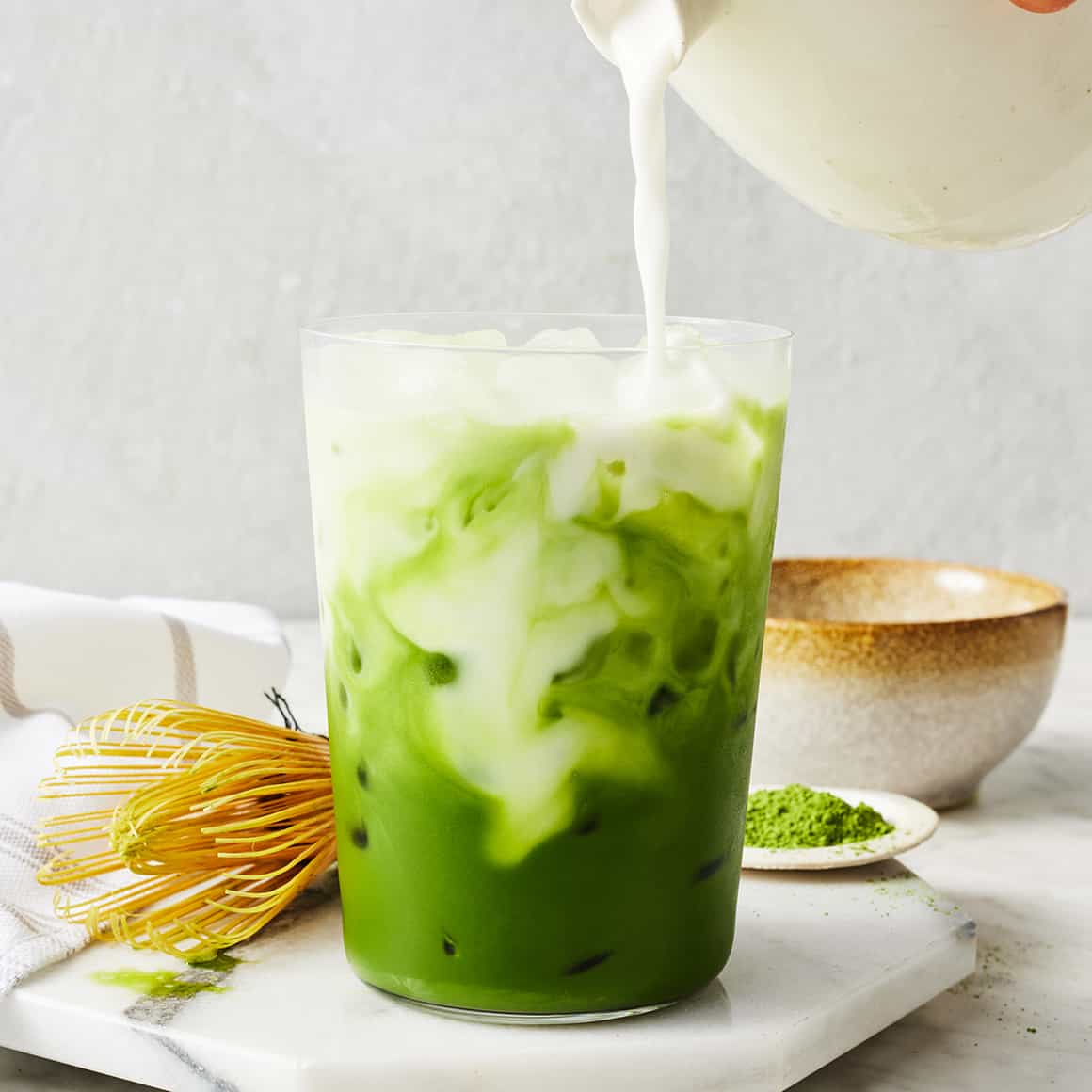
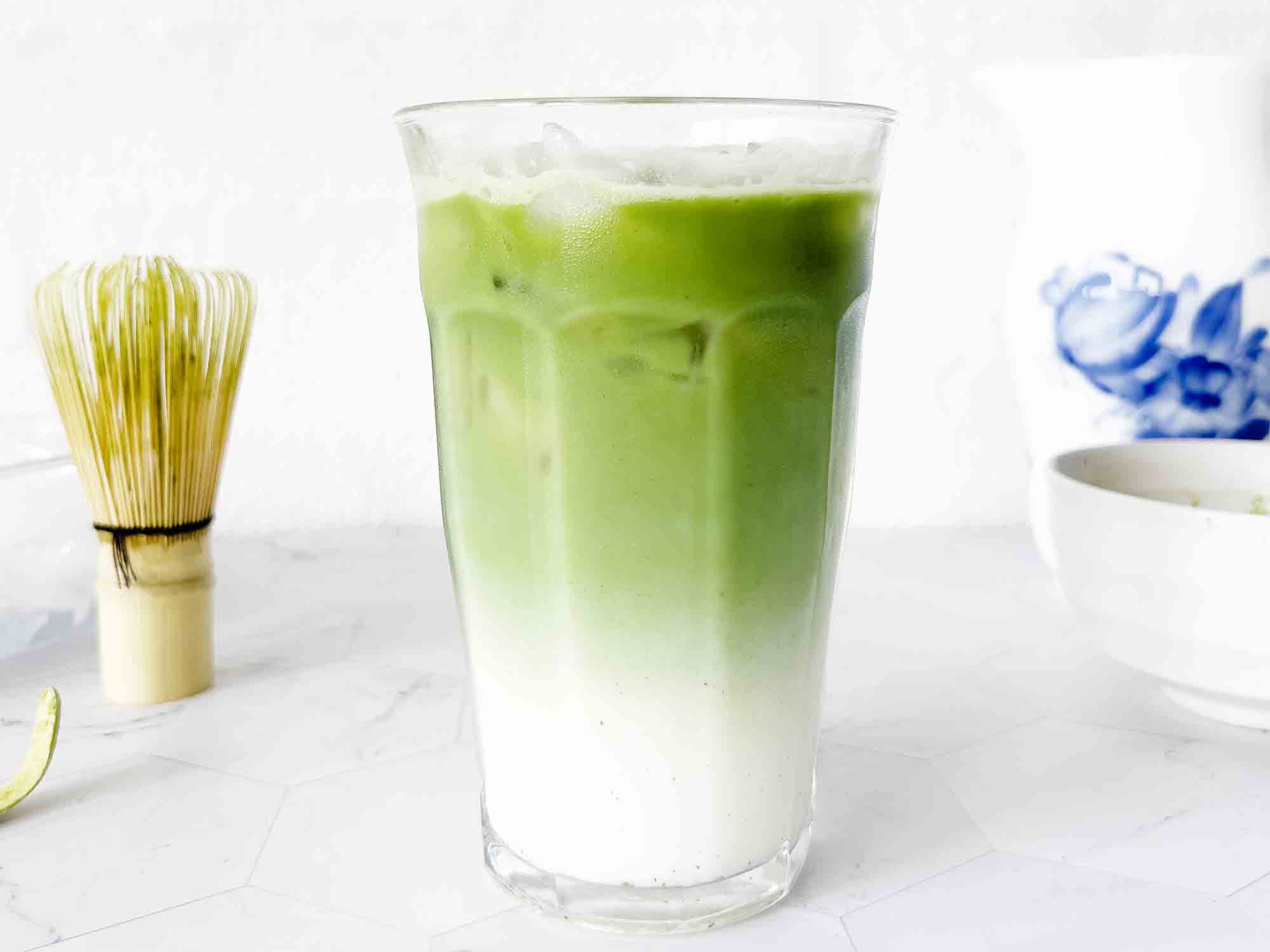
For an iced matcha latte, prepare the matcha paste, pour it over ice in a glass, and add 8-10 ounces of cold milk. Stir well. A splash of vanilla extract adds flavor. Adjust matcha amount based on glass size.
Creative variations include a vanilla matcha latte (add 1/2 teaspoon vanilla extract to the classic recipe), a lavender matcha latte (infuse milk with lavender or use lavender syrup), and rose matcha lattes (use rose water or rose syrup).
Spiced matcha lattes are a warming treat. Add a pinch of cinnamon, nutmeg, and ginger to your matcha paste, with optional cardamom and cloves. Adjust sweetness; maple syrup complements the spices.
Matcha Latte Flavor Combinations for Home Baristas
| Flavor Combination | Milk Choice | Sweetener | Spice/Extract | Overall Flavor Profile |
|---|---|---|---|---|
| Classic Matcha Latte | Oat Milk | Maple Syrup | None | Earthy, Smooth, Mildly Sweet |
| Vanilla Bean Matcha Latte | Whole Milk | Vanilla Syrup | Vanilla Extract | Creamy, Sweet, Aromatic |
| Spiced Coconut Matcha Latte | Coconut Milk | Agave Nectar | Cinnamon & Cardamom | Warm, Spicy, Exotic |
| Lavender Honey Matcha Latte | Almond Milk | Honey | Lavender Extract | Floral, Delicate, Sweet |
| Chocolate Matcha Latte | Macadamia Milk | Dark Chocolate Sauce | None | Rich, Chocolatey, Slightly Bitter |
| Gingerbread Matcha Latte | Soy Milk | Molasses | Ginger, Cinnamon, Nutmeg | Warm, Spicy, Festive |
| Pistachio Rose Matcha Latte | Cashew Milk | Rosewater & Honey | Pistachio Paste | Nutty, Floral, Sweet |
Illustrative comparison based on the article research brief. Verify current pricing, limits, and product details in the official docs before relying on it.
Beyond the Latte: Matcha Drink Variations
Matcha can be used beyond lattes. Matcha smoothies are a great way to incorporate this superfood into breakfast or post-workout routines. Blend matcha paste with fruits, yogurt, and milk or juice. Banana, spinach, and almond milk make a healthy smoothie.
undefined brew green tea, let it cool, then add matcha paste and ice.
For those who enjoy cocktails, matcha can add a unique flavor to your drinks. I’ve seen recipes for matcha mojitos, matcha martinis, and even matcha margaritas. The earthy flavor of matcha pairs surprisingly well with tequila and rum. It's all about finding the right balance.
Honestly, the possibilities are endless. Don't be afraid to experiment and create your own matcha concoctions. The key is to start with a good matcha base and build from there. I’ve found that matcha pairs well with a wide range of flavors, from fruity to spicy to floral.
Troubleshooting Common Matcha Mistakes
Clumpy matcha is a common problem, usually caused by not sifting the powder properly. Always sift before adding water. Bitter taste often results from using boiling water or low-quality matcha. Use water around 175°F (80°C) and invest in a good grade of matcha.
Weak flavor can be due to using too little matcha or not whisking properly. Adjust the matcha-to-water ratio and ensure you’re creating a smooth, vibrant paste. If your milk is overpowering the matcha flavor, try using less milk or a stronger matcha.
If your latte is separating, it could be due to the milk being too hot or the matcha not being fully incorporated. Ensure the milk is properly frothed and the matcha paste is smooth before combining. I’ve also found that using a higher-fat milk can help prevent separation.
I've definitely struggled with these issues myself! It takes practice to perfect the art of matcha making. Don't get discouraged – keep experimenting and you'll eventually find what works best for you.
Matcha & Wellness: What the Research Says
Matcha is often praised for its health benefits, and there's a growing body of research to support these claims. Matcha is rich in antioxidants, particularly catechins, which have been linked to a reduced risk of chronic diseases. Specifically, epigallocatechin gallate (EGCG), a type of catechin, is abundant in matcha.
Some studies suggest that matcha can improve focus and cognitive function due to the combination of caffeine and L-theanine, an amino acid that promotes relaxation. A 2018 study published in the Journal of Functional Foods found that matcha consumption improved attention and reaction time (doi: 10.1016/j.jff.2018.03.022).
Matcha may also have a positive impact on heart health and metabolism. However, it's important to note that most of these studies are relatively small and more research is needed. Matcha isn't a miracle cure, but it can be a healthy addition to a balanced diet.
Potential side effects are generally mild, but it’s important to be aware of them. Due to its caffeine content, matcha can cause anxiety, insomnia, or digestive issues in some individuals. Pregnant or breastfeeding women should consult with their doctor before consuming matcha. Moderation is key.
No comments yet. Be the first to share your thoughts!