

Matcha as a pre-workout
The pre-workout world is changing. People are looking for alternatives to synthetic ingredients and the side effects of traditional energy boosters. Interest in matcha has surged; it’s a rediscovery of a natural energy source. Matcha offers sustained, focused energy without the jitters or crash.
For centuries, Zen Buddhist monks used matcha to stay alert during meditation. They understood its ability to provide calm energy, a state of "wakeful relaxation." Today, athletes and fitness enthusiasts are rediscovering this natural energy source for their workouts.
People are choosing matcha not just to avoid the downsides of other pre-workouts, but to support overall well-being while enhancing physical performance. More people prioritize recognizable and trusted ingredients. Matcha is a whole food, packed with antioxidants and nutrients, offering a natural alternative to artificial options.
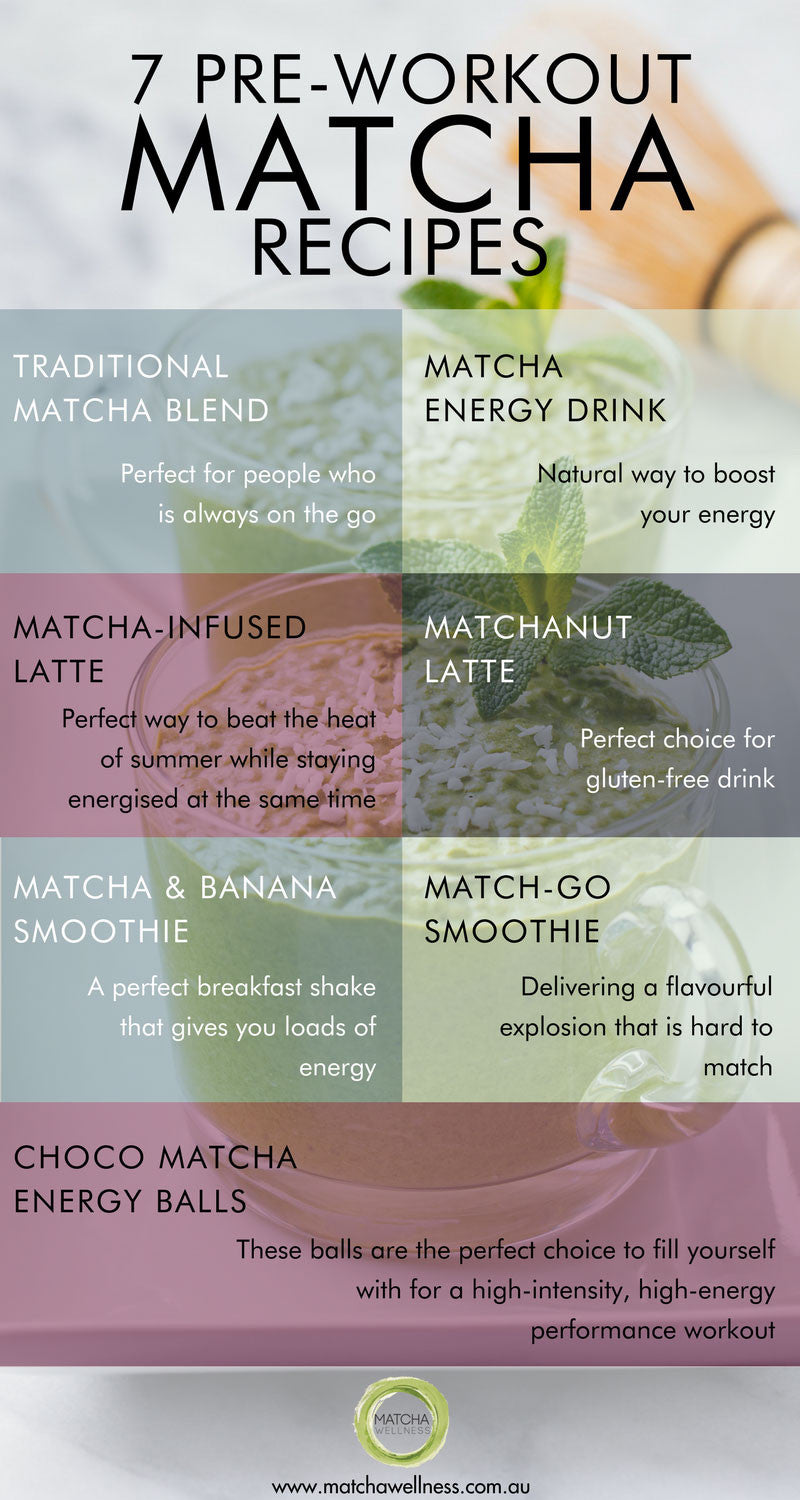
The Energy Equation: Matcha vs. Coffee
Coffee is a staple for many. Comparing matcha to coffee is about understanding how they deliver energy. Coffee’s caffeine provides a quick boost but can lead to anxiety, jitters, and a crash. Matcha also contains caffeine, but its effect is different.
Matcha contains L-theanine, an amino acid that affects caffeine absorption. L-theanine promotes relaxation without drowsiness and modulates caffeine’s effects, leading to a calmer, sustained energy release. This provides focus and alertness without jitters or anxiety. It’s a smoother experience.
An 8-ounce cup of coffee has about 95mg of caffeine, while a teaspoon of matcha powder has around 70mg. The L-theanine in matcha alters how that caffeine is processed. It’s about how your body utilizes the caffeine. Coffee provides a spike; matcha provides a wave.
Matcha vs. Coffee: A Pre-Workout Comparison
| Characteristic | Matcha (per 1 tsp / 2g) | Coffee (per 8oz / 240ml) | Notes |
|---|---|---|---|
| Caffeine Content | Approximately 30-70mg | Approximately 80-200mg | Caffeine levels vary based on matcha grade and coffee brew strength. |
| L-Theanine Content | Approximately 40-60mg | Minimal | L-Theanine is an amino acid promoting relaxation without drowsiness. |
| Energy Duration | Sustained, 3-6 hours | Shorter, 2-4 hours | Matcha's L-Theanine contributes to a more balanced and prolonged energy release. |
| Jitters/Crash Potential | Low | Moderate to High | L-Theanine mitigates the jittery effects often associated with coffee. Coffee can lead to a more pronounced energy crash. |
| Antioxidant Levels | Very High (particularly catechins) | Moderate | Matcha is rich in antioxidants, especially EGCG, known for various health benefits. |
| Taste Profile | Umami, slightly sweet, vegetal | Bitter, acidic | Taste is subjective and can be modified with additions like milk and sweeteners. |
| Impact on Focus | Calm alertness | Stimulated focus | Matcha promotes a state of relaxed awareness, while coffee provides more direct stimulation. |
Illustrative comparison based on the article research brief. Verify current pricing, limits, and product details in the official docs before relying on it.
Recipe 1: Tropical Matcha Burst
This recipe offers bright, refreshing flavors, perfect for a warm-weather workout or a tropical escape. It’s simple to make with just a few ingredients and a blender.
To make the Tropical Matcha Burst, you’ll need: 1 teaspoon of matcha powder, 1/2 cup of coconut water, 1/2 cup of frozen mango chunks, 1/4 of a banana, and a squeeze of fresh lime juice. Simply combine all ingredients in a blender and blend until smooth. Adjust the amount of coconut water to reach your desired consistency.
This recipe is a great source of Vitamin C from the mango and potassium from the banana, making it a hydrating and energizing pre-workout option. It’s quick, easy, and tastes delicious.
Recipe 2: Berry Beet Power-Up
This matcha and beet combination provides a powerful boost of antioxidants and nutrients, perfect for endurance activities.
Here’s what you’ll need: 1 teaspoon of matcha, 1/2 cup of almond milk, 1/4 cup of frozen mixed berries, 1/4 cup of cooked beet (or beet juice), and 1 tablespoon of chia seeds. Blend all ingredients until smooth. If using a whole beet, ensure it’s well-cooked for optimal blending.
Beets are rich in nitrates, which the body converts into nitric oxide. Nitric oxide improves blood flow and oxygen delivery to muscles, enhancing endurance and reducing fatigue. Chia seeds add healthy fats and fiber for sustained energy.
Recipe 3: Chocolate Mint Refuel
This Chocolate Mint Refuel offers a delicious and satisfying energy boost that aligns with health goals.
To make it, combine: 1 teaspoon of matcha, 1 cup of milk (dairy or non-dairy – I prefer oat milk), 1 tablespoon of cocoa powder, 1/2 teaspoon of peppermint extract, and 1 date (pitted) for natural sweetness. Blend until smooth and creamy. The date adds a lovely caramel-like flavor.
This recipe is perfect for those who enjoy a chocolatey flavor. The peppermint provides a refreshing kick, and the matcha adds a subtle earthiness that complements the chocolate. It’s a healthy indulgence.
Recipe 4: Ginger Peach Zest
This warming and invigorating blend is perfect for cooler mornings or when you need extra energy. The combination of peach and ginger is comforting and energizing.
You'll need: 1 teaspoon of matcha, 1/2 cup of peach puree (fresh or frozen), 1/2 inch of ginger (grated), 1/4 cup of orange juice, and a pinch of cayenne pepper (optional, for an extra kick). Blend everything together until smooth.
Ginger is known for its anti-inflammatory properties and ability to aid digestion. This can be helpful before a workout, as it can reduce muscle soreness and improve nutrient absorption. Orange juice provides a boost of Vitamin C.
Recipe 5: Pineapple Coconut Kick
This tropical blend is hydrating and packed with electrolytes, ideal for longer or more intense workouts. It’s a light and refreshing option.
To make it: combine 1 teaspoon of matcha, 1/2 cup of pineapple juice, 1/4 cup of coconut milk, 1/4 cup of spinach (you won’t even taste it!), and a squeeze of lime juice in a blender. Blend until smooth. Don’t be afraid of the spinach – it adds a boost of nutrients without altering the flavor.
Pineapple and coconut water are excellent sources of electrolytes, which are lost through sweat during exercise. Replenishing these electrolytes maintains performance and prevents muscle cramps. It’s a revitalizing drink.
Beyond the Recipes: Customizing Your Matcha
These recipes are a starting point; experiment to find what works best for you. Matcha’s versatility allows you to adjust sweetness, flavor, and nutritional profile to suit your preferences.
There are two main grades of matcha: ceremonial and culinary. Ceremonial grade is higher quality and best for drinking straight, while culinary grade is more affordable and ideal for blending into smoothies and lattes. Sweeteners like maple syrup, honey, and stevia are good options. For added protein, use a scoop of your favorite protein powder or a tablespoon of nut butter.
Invest in good quality matcha. Look for a vibrant green color and a smooth, fine texture. Lower-quality matcha can be dull and taste bitter. Try different brands until you find one you like.
What's Your Matcha Pre-Workout Personality?
Fueling your workout the natural way is in! Matcha offers sustained energy without the jitters, but finding the *right* matcha pre-workout blend depends on your individual needs. This quiz will help determine which of the 5 trending 2026 recipes – from tropical boosts to spicy kickstarts – is your perfect match. Answer honestly to unlock your ideal pre-workout power-up!
Sourcing and Storage: Keeping it Fresh
Finding high-quality matcha is getting easier. Many specialty tea shops and health food stores carry matcha. Online retailers like Ippodo Tea are also excellent sources. Look for a vibrant green color, which indicates freshness.
The texture should be very fine and powdery. Avoid matcha that feels grainy or has a yellowish tint. Organic matcha is a good choice to minimize pesticide exposure, though it is often more expensive. Organic offers an extra layer of assurance.
Proper storage maintains matcha’s freshness. Matcha oxidizes quickly when exposed to air, light, and moisture. Store it in an airtight container in a cool, dark place. Refrigeration can prolong its shelf life. Properly stored matcha retains its flavor and color for several months.

No comments yet. Be the first to share your thoughts!