

Pick the right matcha grade
Choosing the correct matcha powder is the single most important decision in making homemade matcha drinks. Many beginners make the mistake of buying the cheapest green tea powder available, only to find their latte tastes bitter and chalky. To avoid this, you need to understand the difference between ceremonial and culinary grades.
Ceremonial matcha is stone-ground from young tea leaves harvested early in the season. It has a vibrant, bright green color and a smooth, sweet umami flavor. This grade is intended to be whisked with water and drunk on its own. Because it is so delicate, it pairs beautifully with the natural sweetness of milk in a latte without needing added sugar.
Culinary matcha is made from older leaves and has a darker, more yellowish-green hue. It is much more bitter and astringent. While you might see it used in matcha cookies or lattes at coffee shops, it usually requires heavy sweeteners to mask the harshness. For a homemade latte that tastes clean and natural, culinary grade will leave you with a muddy, unpleasant drink.
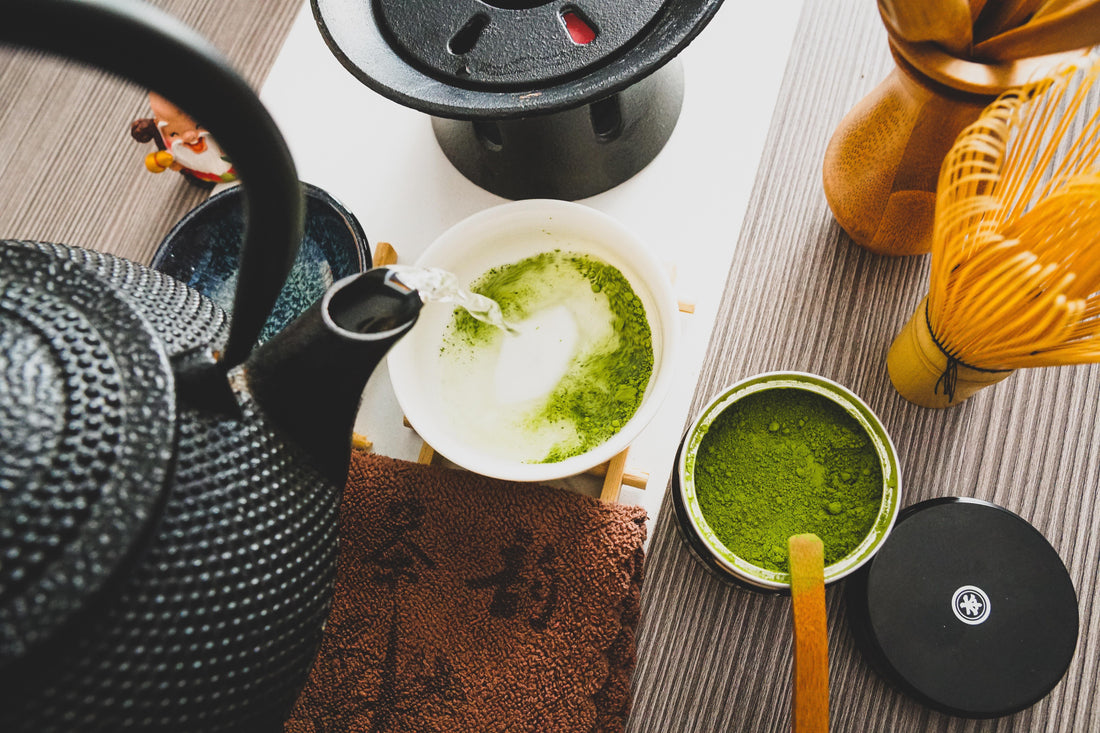
The table below compares the two main types to help you decide which one fits your recipe.
| Grade | Color | Taste | Best Use |
|---|---|---|---|
| Ceremonial | Vibrant bright green | Smooth, sweet, umami | Drinking straight or in lattes |
| Culinary | Darker, yellowish-green | Bitter, astringent | Baking and cooking |
Whisk matcha without clumps
The difference between a creamy, vibrant green latte and a muddy, bitter sludge comes down to one mechanical skill: emulsification. Matcha powder is hydrophobic; it repels water rather than dissolving in it. To get that signature froth and smooth texture, you need to break the clumps and trap air bubbles before the powder ever hits the milk.
1. Sift the powder
Clumps are the enemy of a smooth drink. Even if your matcha looks fine, fine particles stick together due to static and moisture. Place a fine-mesh sieve over your bowl and sift 1 to 2 teaspoons of ceremonial-grade matcha into it. This ensures every particle is separate, making it much easier for the whisk to incorporate water evenly.
2. Heat the water correctly
Water temperature is critical. If the water is boiling, it scorches the delicate tea leaves, resulting in a harsh, astringent taste. If it’s too cool, the powder won’t dissolve properly. Aim for water that is around 175°F (80°C). A good rule of thumb is to boil the water and let it sit for about 20–30 minutes, or simply pour it from a kettle and wait a minute before adding it to the bowl.
3. Add a small amount of water
Add just 2–3 tablespoons of the hot water to the sifted matcha. You don’t want a full cup yet; you need a thick paste. This small ratio allows you to focus entirely on breaking up the clumps without diluting the flavor prematurely. The goal is a consistency similar to cake batter.
4. Whisk with a "W" motion
This is the core technique. Hold the bamboo whisk (chasen) vertically and whisk vigorously in a quick "W" or "M" shape. Do not stir in circles; circular motion doesn’t create enough agitation to trap air. Keep your wrist flexible and your movements fast. You should see the mixture turn a bright, opaque green with a layer of fine foam on top. This usually takes 15–20 seconds.
5. Dilute and combine
Once you have a smooth, frothy paste, add the rest of your hot water (or milk for a latte) and give it one gentle stir to combine. If you’re making an iced matcha latte, pour this concentrated base over ice and milk. The emulsion created by the whisking will hold together, giving you a uniform, creamy drink without any gritty powder settling at the bottom.
Pick your milk and sweetener
The base of any great homemade matcha drink starts with the liquid. Matcha is naturally grassy and slightly bitter, so your choice of milk and sweetener determines whether the drink tastes like a delicate tea or a comforting dessert. You have two main paths here: traditional dairy or plant-based alternatives.
Dairy vs. Plant-Based Milk
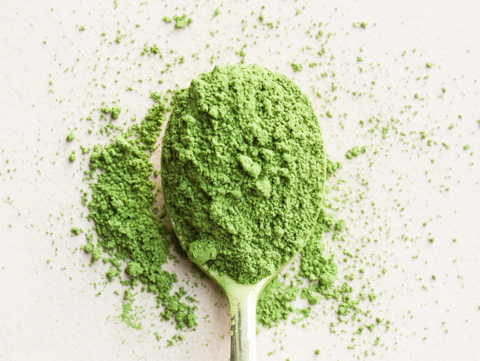
Whole milk provides the creamiest texture and best foam, mellowing matcha’s earthiness without altering its flavor profile. If you prefer a lighter option, skim milk works but may lack that rich mouthfeel. For plant-based drinkers, oat milk is the gold standard. Its natural sweetness and creamy consistency pair exceptionally well with matcha, mimicking the texture of dairy without the heaviness. Almond milk is another popular choice, though it tends to be thinner and can sometimes clash with the tea’s vegetal notes if not balanced carefully. Coconut milk adds a distinct tropical flavor that might overpower delicate ceremonial-grade matcha, so reserve it for culinary-grade blends.
Sweetening to Balance Bitterness
Matcha rarely needs much sugar, but a touch can highlight its natural umami. Honey is a classic pairing, adding floral notes that complement the tea’s grassy undertones. Maple syrup offers a deeper, richer sweetness that stands up well to stronger, more robust matcha powders. For a neutral sweetness that doesn’t compete with the tea’s flavor, simple syrup or agave nectar are excellent choices. Start with one teaspoon and adjust to taste, remembering that you can always add more but can’t take it away.
The goal is to let the matcha shine while smoothing out any harsh edges. Experiment with different combinations to find the balance that suits your palate best.
Make iced or hot matcha
Building your homemade matcha drinks comes down to how you handle the temperature. The powder behaves differently in hot versus cold liquids, so the assembly order changes to keep the flavor smooth and avoid clumps.
Prepare the matcha base
Start by sifting 2 grams of ceremonial-grade matcha powder into a bowl. Add 60ml of hot water (around 175°F) and whisk vigorously with a bamboo chasen or a small electric frother until the mixture is a vibrant, frothy green. If you are making iced matcha, you can use slightly less water to create a concentrated paste, which prevents the drink from getting watered down as the ice melts.
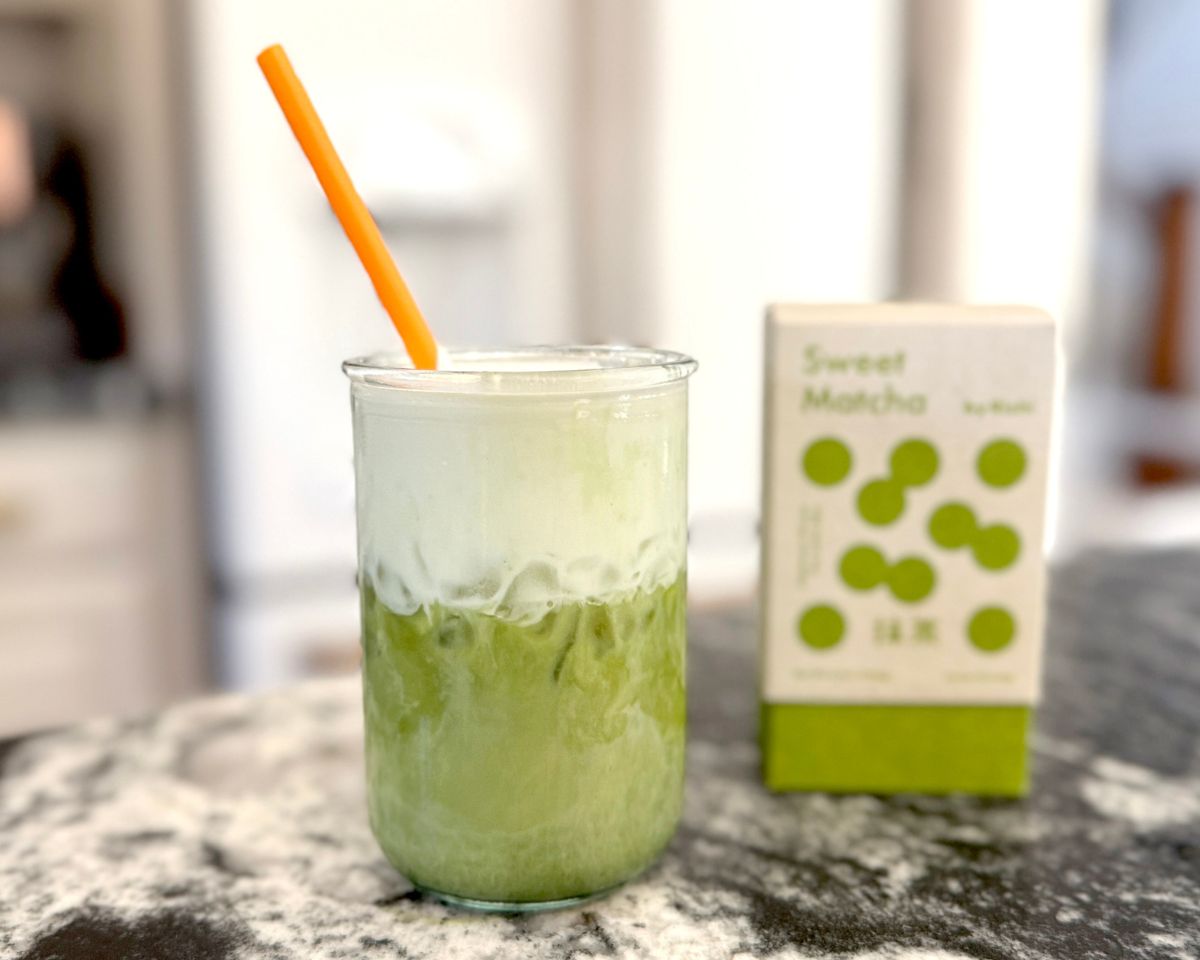
Whisk the matcha powder and hot water in a small bowl until fully dissolved and frothy. This creates a concentrated base that integrates easily into milk.
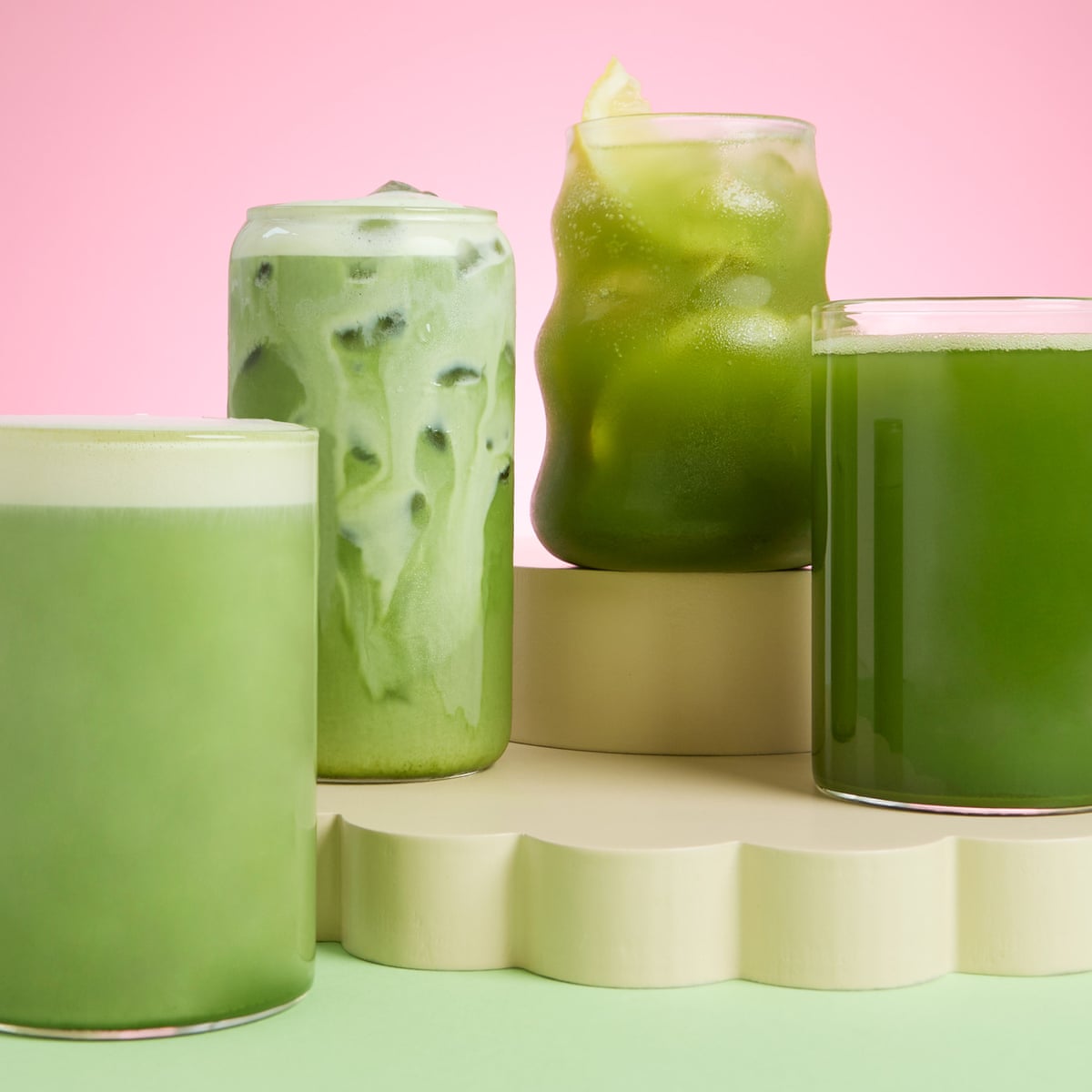
Fill a tall glass with ice cubes if making an iced latte. For a hot version, warm your mug with a splash of hot water first to keep the drink hotter longer.
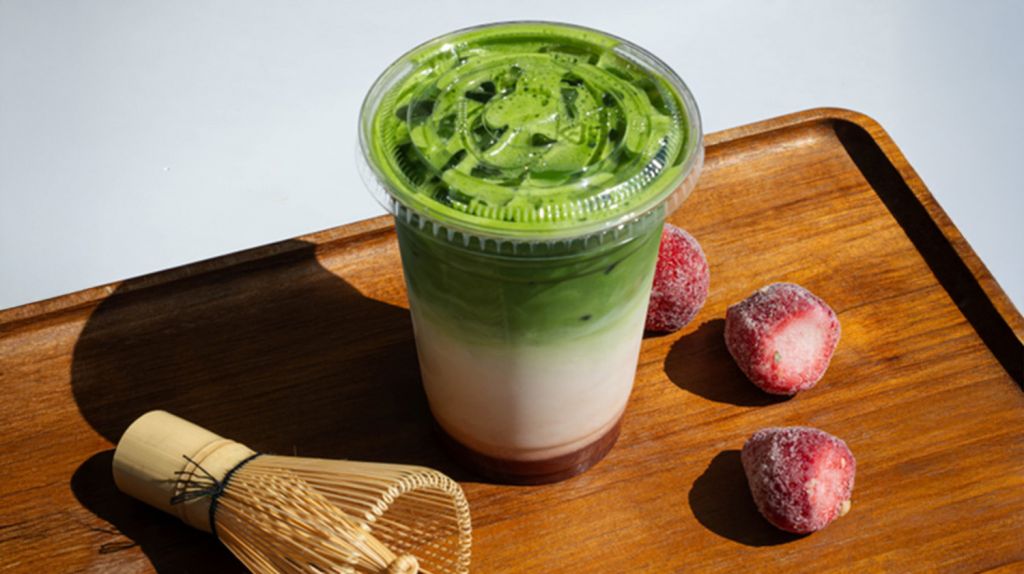
Pour your preferred milk (dairy or oat) over the ice or into the warm mug. Add honey, vanilla syrup, or simple syrup to taste. Stir gently to combine the milk and sweetener.
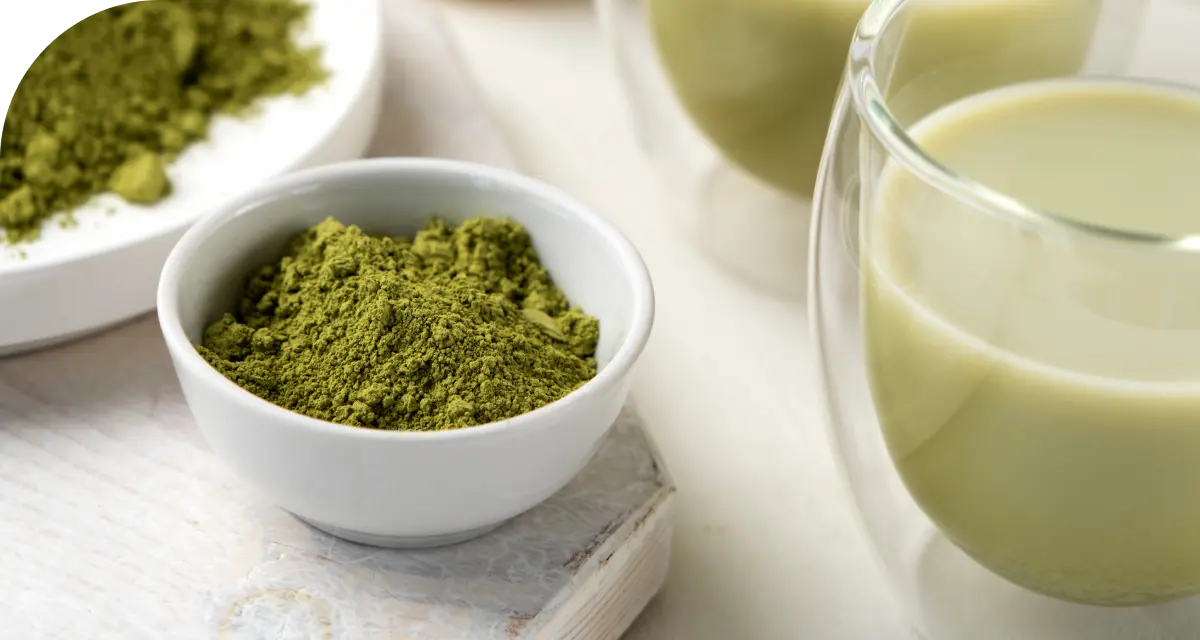
Slowly pour the matcha base over the milk. For iced lattes, this creates a layered effect. Stir well before drinking to distribute the matcha flavor evenly throughout the drink.
Troubleshooting common issues
If your homemade matcha drinks taste bitter, the water might have been too hot or you used too much powder. Stick to 2 grams per serving and keep water below 180°F. If the mixture is clumpy, ensure you are whisking in a "W" motion or using an electric frother to break up the agglomerates before adding the milk.
Watch the whisking technique
Text instructions can only go so far when it comes to achieving that signature frothy texture. The specific W-motion of the whisk is difficult to describe in words alone, so watching the motion helps you replicate the speed and pressure needed to break up clumps and aerate the powder.
The video below demonstrates the proper whisking technique, showing exactly how to hold the bamboo whisk and move it back and forth rapidly. Pay attention to the wrist movement; it should be light and quick, not forceful. This visual cue is often the missing link for beginners struggling to get a smooth, creamy consistency without lumps.
Check your matcha freshness
The quality of your homemade matcha drinks depends entirely on the powder you start with. Matcha is a ground green tea leaf, not an extract, meaning it contains the entire leaf. Once the leaf is ground, its surface area explodes, making it highly susceptible to oxidation. Exposure to light, heat, and air turns that vibrant emerald green into a dull, yellowish-brown hue. More importantly, it strips away the delicate vegetal sweetness and replaces it with a flat, sometimes bitter taste that no amount of milk or sweetener can fully mask.
To keep your matcha tasting fresh, treat it like a perishable food item. Store your tin in a cool, dark cupboard away from the stove or oven. For longer-term storage, keep the sealed container in the refrigerator or freezer. Always let the container come to room temperature before opening it to prevent condensation from forming inside the tin, which can introduce moisture and accelerate spoilage.
How do you know if your matcha has gone bad? The easiest test is the color and the smell. Fresh, high-quality matcha should be a bright, neon green. If it looks dull, yellow, or brownish, it has likely oxidized and lost its flavor profile. Similarly, fresh matcha has a distinct, sweet, umami aroma. If it smells dusty, stale, or lacks scent entirely, it is past its prime. For the best results in your lattes, use matcha within six months of opening, and always store it in an airtight container.
No comments yet. Be the first to share your thoughts!