

Choosing the right matcha powder
The difference between a bitter, muddy drink and a vibrant, creamy latte comes down to one ingredient: the quality of your matcha. Not all green tea powder is created equal. Understanding the distinction between ceremonial and culinary grades ensures you get the best flavor for your money without overspending on premium leaves or using bitter cooking-grade powder.
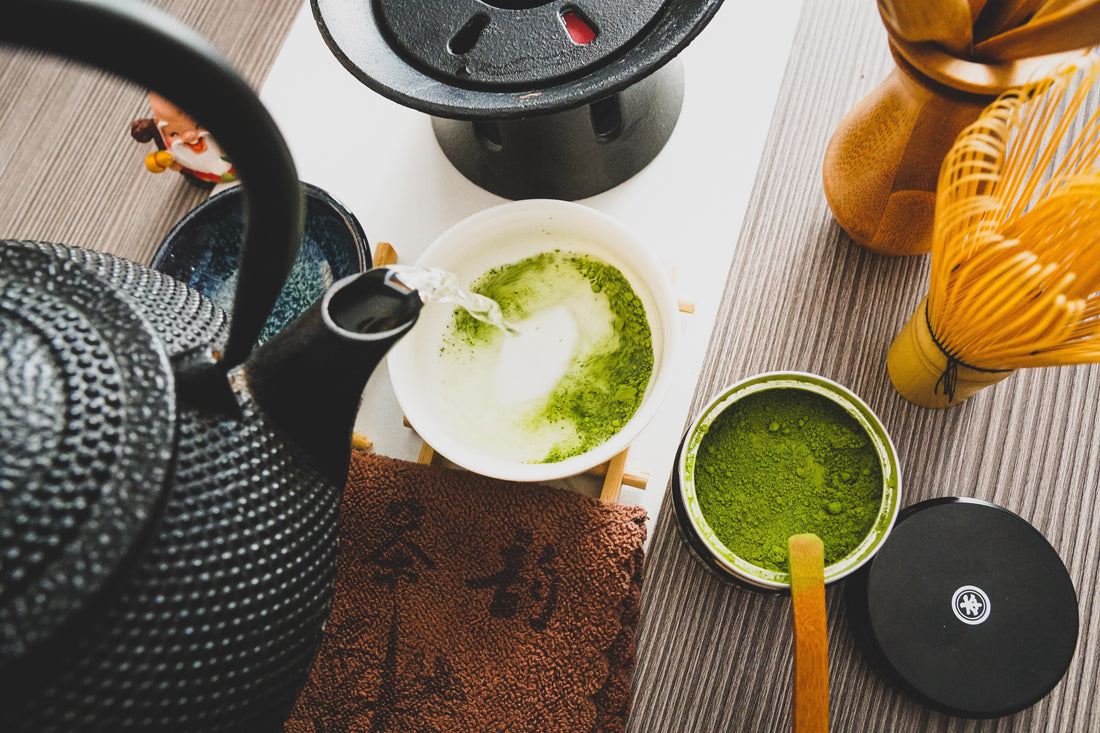
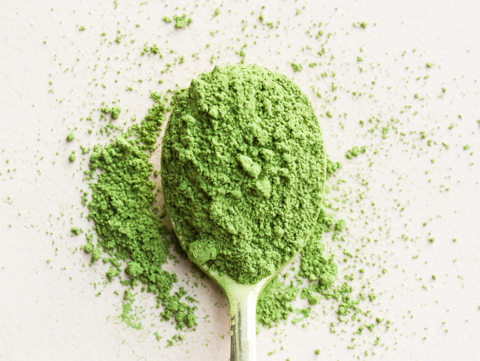
Ceremonial grade matcha is made from the youngest, tenderest tea leaves, stone-ground into an ultra-fine powder. It has a sweet, umami-rich flavor and a bright green color. Because it is meant to be whisked with water alone, it is the ideal choice for lattes where the tea flavor should shine through the milk. Culinary grade matcha is made from older leaves, resulting in a darker, more astringent powder. It is designed to withstand the masking effects of sugar and heavy milk, making it perfect for baking or smoothies but often too bitter for a straightforward latte.
| Feature | Ceremonial Grade | Culinary Grade |
|---|---|---|
| Leaf Age | Youngest, shaded leaves | Older, sun-exposed leaves |
| Flavor Profile | Sweet, umami, smooth | Bold, astringent, bitter |
| Color | Vibrant neon green | Darker, olive green |
| Best Use | Lattes, tea ceremonies | Baking, smoothies, lattes with heavy sweeteners |
Essential tools for a smooth latte
You don’t need a café budget to get a velvety matcha latte, but you do need the right hardware. Using a fork or a cheap wire whisk will leave you with clumps and a gritty texture. The goal is emulsion—trapping air into the powder to create that signature froth.
The three non-negotiable items are a bamboo whisk (chasen), a wide bowl, and a fine-mesh sifter. The bowl’s shape matters; a wide base gives the whisk room to move in a "W" motion without splashing. The sifter breaks up the compressed matcha cake, ensuring every particle dissolves into the water.
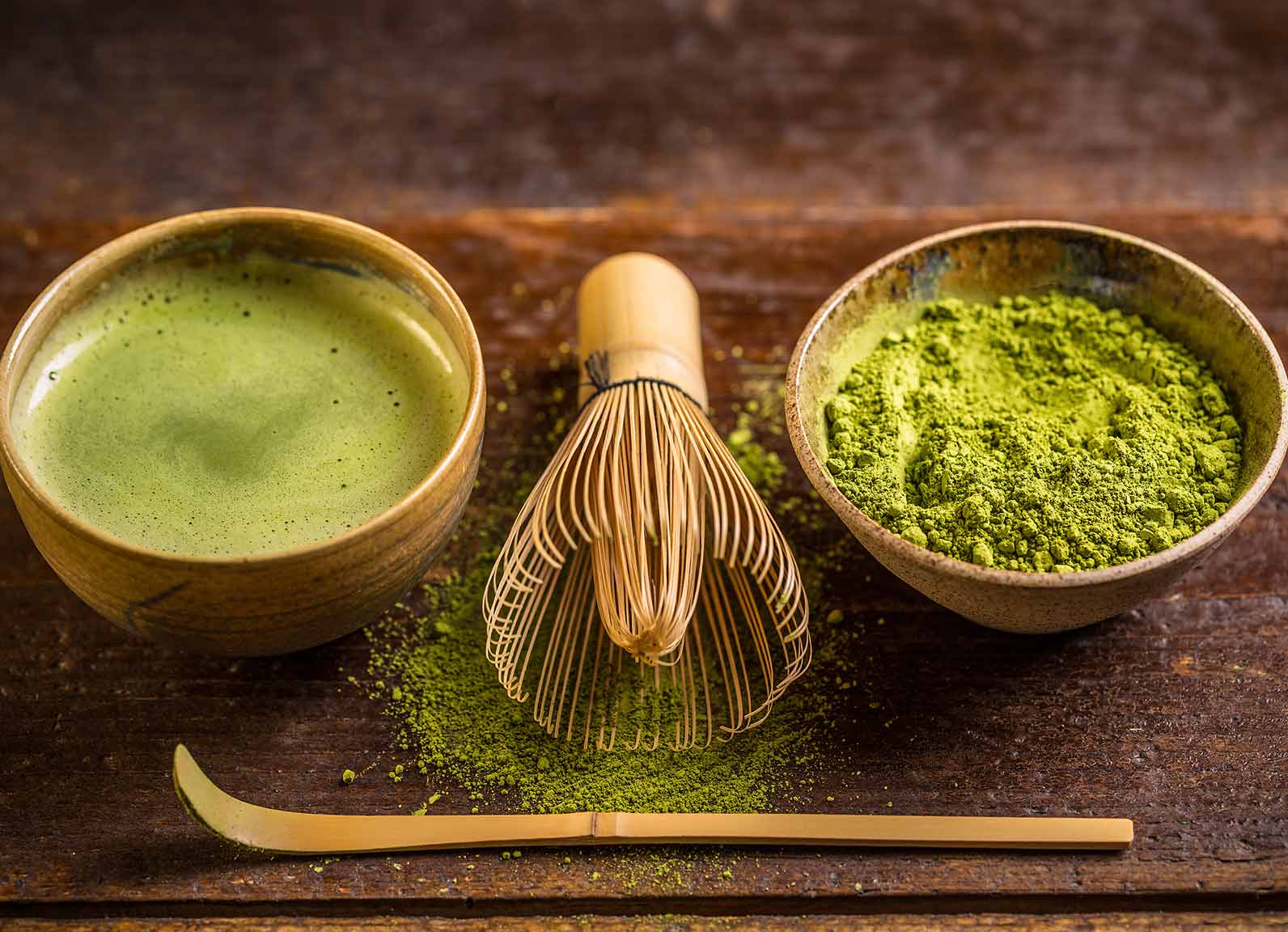
A bamboo whisk is made of dozens of fine prongs tied together. This design creates more turbulence than a solid spoon, whipping air into the tea faster. Before your first use, soak the whisk in warm water for a few minutes to soften the brittle bamboo. This prevents the prongs from snapping during vigorous whisking.
How to Make a Hot Matcha Latte
A proper hot matcha latte starts with temperature control. Boiling water scorches the leaves, turning the vibrant green powder bitter and muddy. The goal is a smooth, frothy emulsion where the matcha dissolves completely into the milk without clumps.
Use a bamboo whisk (chasen) or a small electric frother. The whisk breaks up the fine powder, while the frother incorporates air for that signature creamy texture. Heat your milk until it steams but doesn't boil, then combine it with the whisked matcha base.
The Process
Place 1–2 teaspoons of matcha powder into a small bowl. Sift it through a fine mesh strainer to break up any clumps. This step is non-negotiable for a smooth texture; skipping it often leads to gritty lumps in your final drink.
Pour in 2–3 tablespoons of hot water. The water should be around 175°F (80°C)—hot enough to dissolve the powder but cool enough to avoid burning the delicate leaves. If you don't have a thermometer, let boiling water sit for five minutes.
Use a bamboo whisk to mix the powder and water. Hold the whisk vertically and move it back and forth in a rapid "W" or "M" motion. Do not stir in circles. Continue for 15–20 seconds until a layer of fine foam forms on the surface and no dry powder remains.
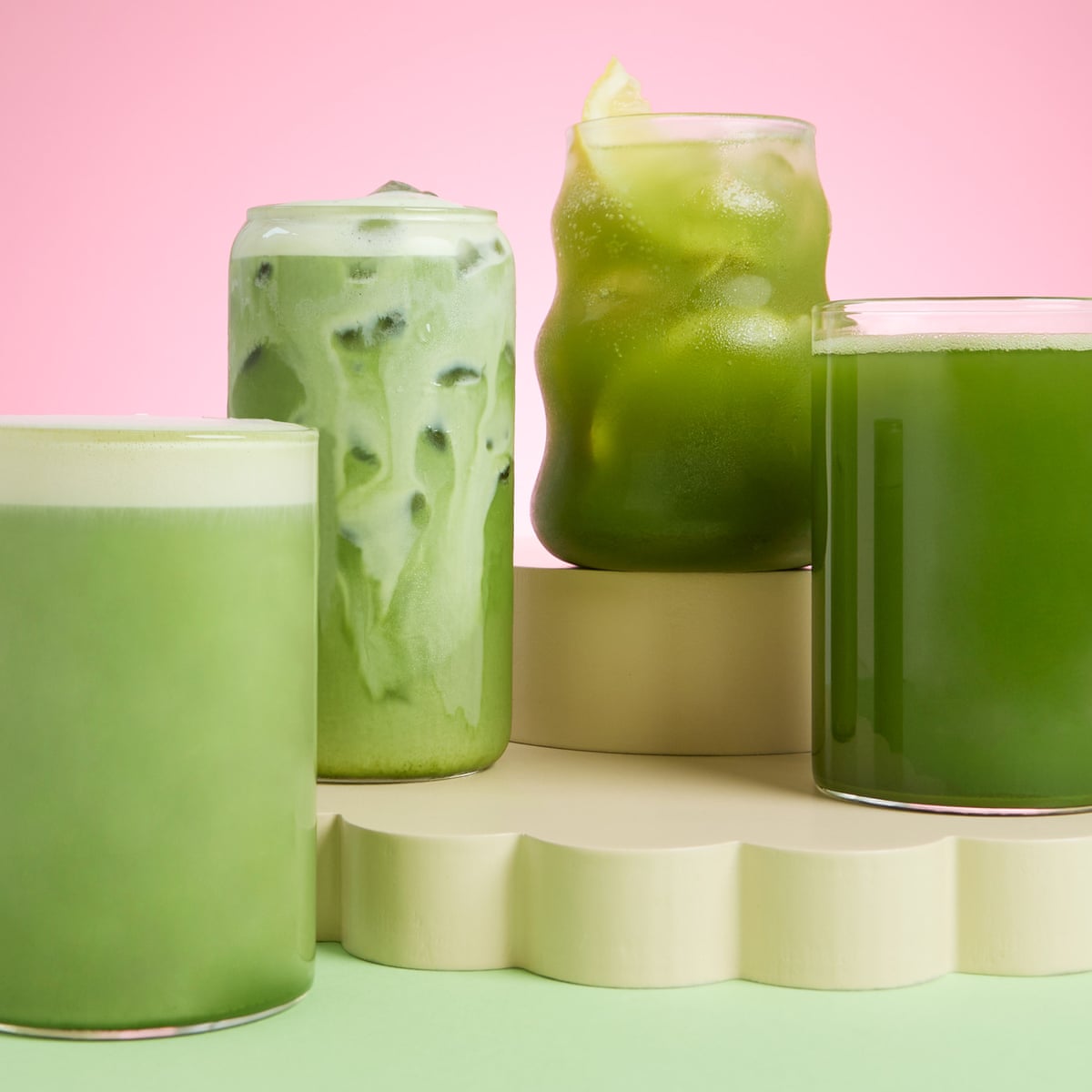
Warm your milk of choice in a saucepan or microwave until steaming. Transfer the warm milk to a frothing pitcher and use a handheld frother or steam wand to create microfoam. Aim for a velvety texture similar to a cappuccino, but slightly less dense.
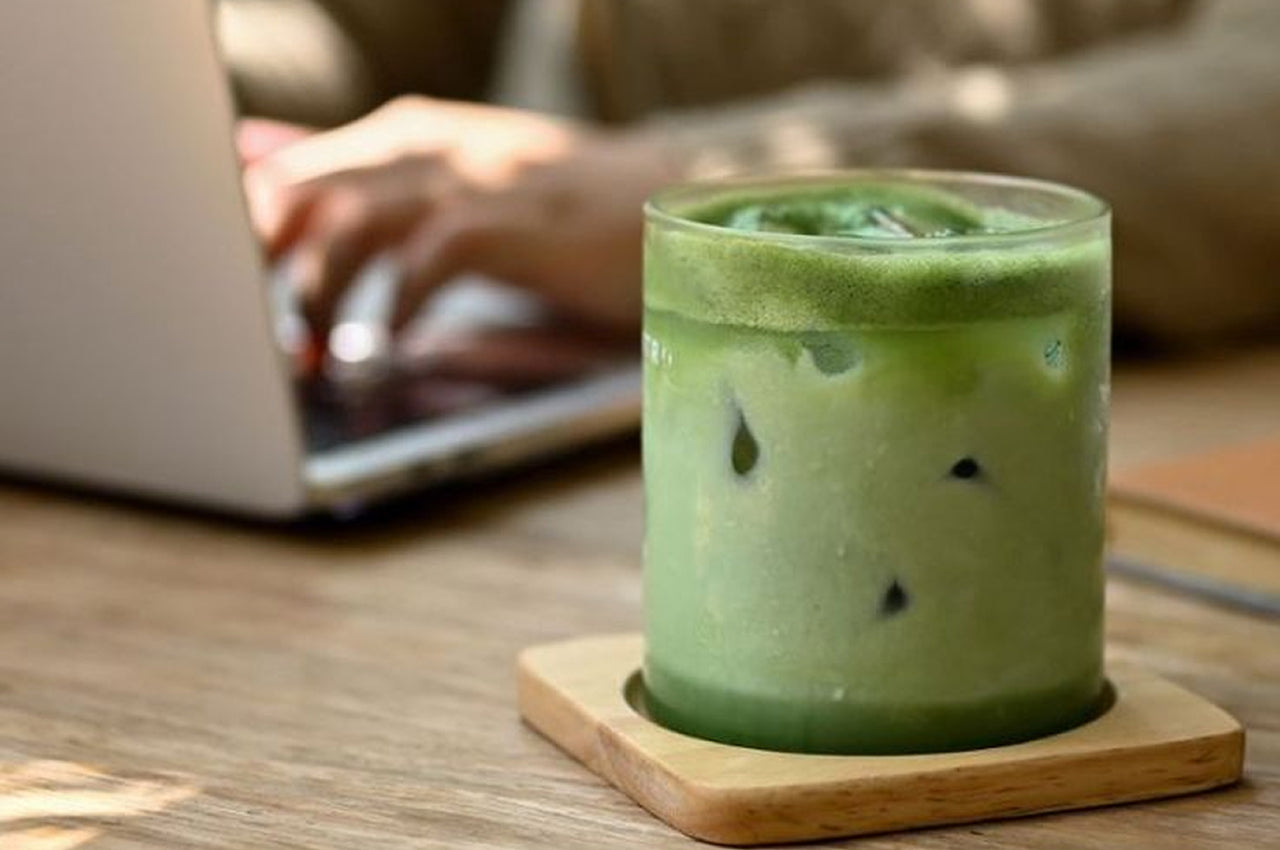
Pour the whisked matcha concentrate into your mug. Slowly pour the frothed milk over the matcha, holding back the foam with a spoon to let the liquid milk mix first. Top with the remaining foam. Add sweetener if desired, and enjoy immediately.
How to Make Iced Matcha Without Clumps
The biggest mistake people make with iced matcha is dumping the powder directly into cold milk. Matcha powder does not dissolve in cold liquid; it just sits at the bottom of the glass as a gritty, undrinkable paste. To get a smooth, creamy latte, you must first create a concentrated matcha paste using hot water.
Place 1–2 teaspoons of matcha powder into a bowl. Add 1–2 tablespoons of hot water (not boiling, to preserve nutrients). Use a bamboo whisk (chasen) or a small electric frother to whisk vigorously in a "W" motion until the powder is fully dissolved and slightly frothy. This creates a concentrated green tea paste.
Fill a tall glass to the top with ice cubes. Pour in your choice of milk—dairy, oat, almond, or soy—leaving about an inch of space at the top. If you prefer a sweeter latte, add honey, vanilla syrup, or simple syrup to the cold milk now and stir to combine.
Slowly pour the concentrated matcha paste over the ice and milk. The cold liquid will help cool the hot matcha instantly, while the ice prevents the drink from warming up too quickly. The matcha will naturally settle into a layered effect if you pour it gently, or blend into a uniform green color if you stir it.
Give the latte a gentle stir with a long spoon or straw to mix the matcha paste with the cold milk. Taste and adjust sweetness if needed. Serve immediately with a wide straw to enjoy the full creamy texture without any sediment at the bottom.
Common mistakes to avoid
Even with high-quality ceremonial grade matcha, brewing a smooth latte is easy to mess up. The difference between a bitter, gritty drink and a creamy, vibrant one usually comes down to three variables: water temperature, sifting, and whisking technique. Fixing these common errors turns a frustrating experiment into a reliable morning ritual.
Using boiling water
Pouring boiling water directly onto matcha powder scorches the delicate leaves, releasing excessive tannins and creating a harsh, bitter taste. The ideal temperature is between 160°F and 175°F (70°C–80°C). If you don’t have a thermometer, let the kettle sit for about two minutes after boiling before pouring. This slight cooling preserves the sweet, umami notes that define good matcha.
Skipping the sifter
Matcha powder is incredibly fine and prone to clumping when exposed to humidity. Adding unsifted powder to your whisk or cup guarantees stubborn lumps that are nearly impossible to break down. Always sift two scoops (about 2 grams) into your bowl before adding water. This simple step ensures the powder disperses evenly, allowing the whisk to create a uniform suspension rather than fighting against dry pockets.
Incorrect whisking technique
Using a spoon or stirring in slow circles will not create froth; it merely mixes the powder into the water. You need a bamboo whisk (chasen) and a specific "W" or "M" motion. Hold the whisk upright and whisk briskly back and forth until you see a layer of fine bubbles on the surface. If you are using a milk frother, ensure it is clean and capable of creating microfoam, but know that a bamboo whisk offers the most authentic texture.
Health benefits of matcha
Matcha offers a distinct nutritional profile compared to steeped green tea. Because you consume the entire powdered leaf, you ingest a higher concentration of nutrients. This includes catechins, specifically epigallocatechin gallate (EGCG), a potent antioxidant linked to cellular protection.
Beyond antioxidants, matcha contains L-theanine, an amino acid that promotes relaxation without drowsiness. This compound works synergistically with caffeine to provide a calm, sustained focus. Unlike the jittery spike from coffee, matcha energy tends to be smoother and longer-lasting, making it a popular choice for morning routines or pre-workout drinks.
No comments yet. Be the first to share your thoughts!