

Decoding matcha color
Color is the first thing most people notice, but it's often misleading. I've bought electric green powders that tasted flat and dull. While a bright hue usually suggests high chlorophyll from proper shading, it isn't a guarantee of flavor.
The intensity of the green is linked to chlorophyll content, which is influenced by the shading process before harvest. More shading means more chlorophyll, and a brighter green. But clever marketing and even the addition of food coloring can artificially enhance the color. Duller, yellowish hues generally indicate older matcha, or matcha that hasn’t been stored properly. Oxidation degrades chlorophyll, leading to that loss of vibrancy.
Processing and storage play huge roles. Exposure to light, air, and heat will all break down chlorophyll over time. That’s why high-quality matcha is typically packaged in airtight, opaque containers. I always check for a sealed package and a production date when I’m buying. Don’t assume a bright green color automatically means freshness; look for evidence of careful handling and packaging, too.
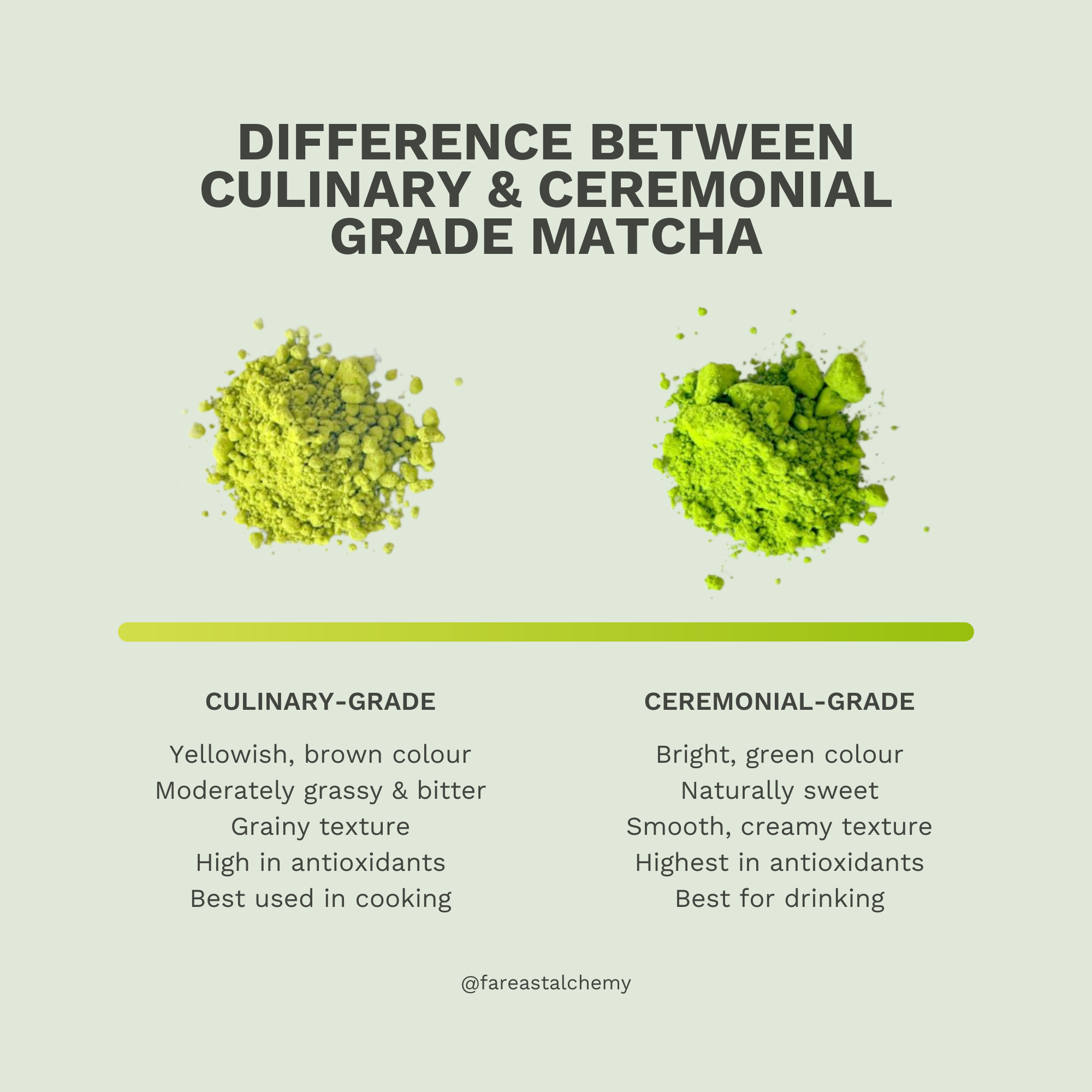
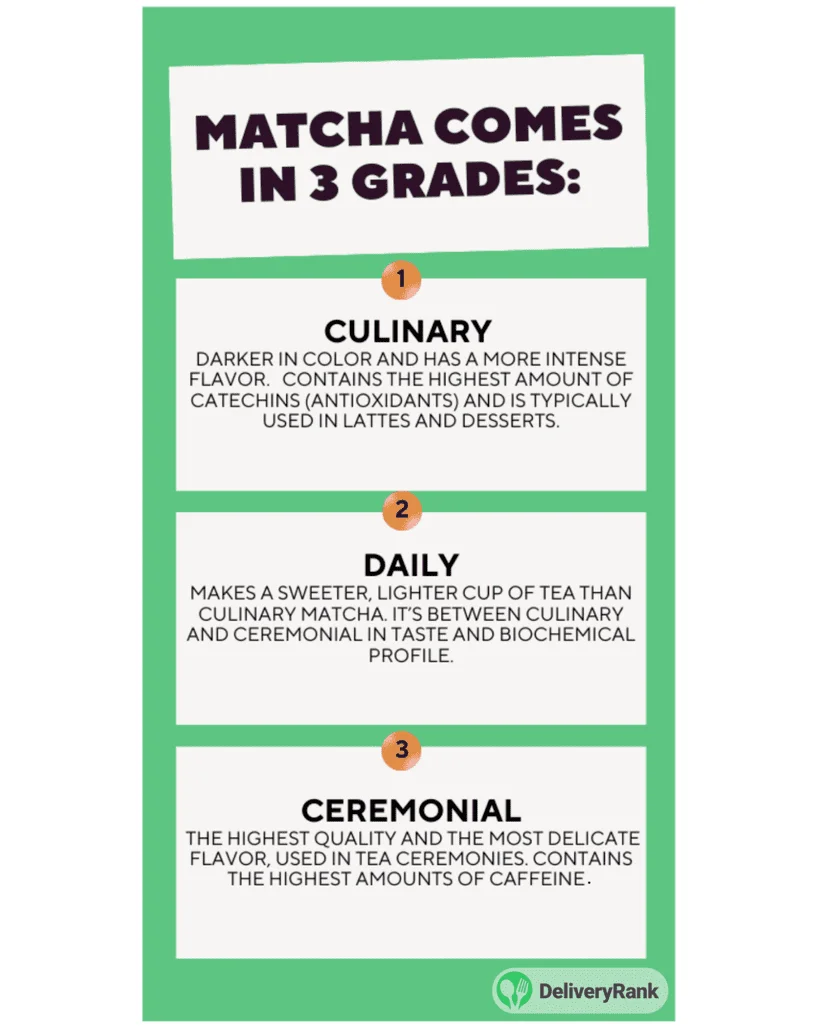
Ceremonial vs. culinary grades
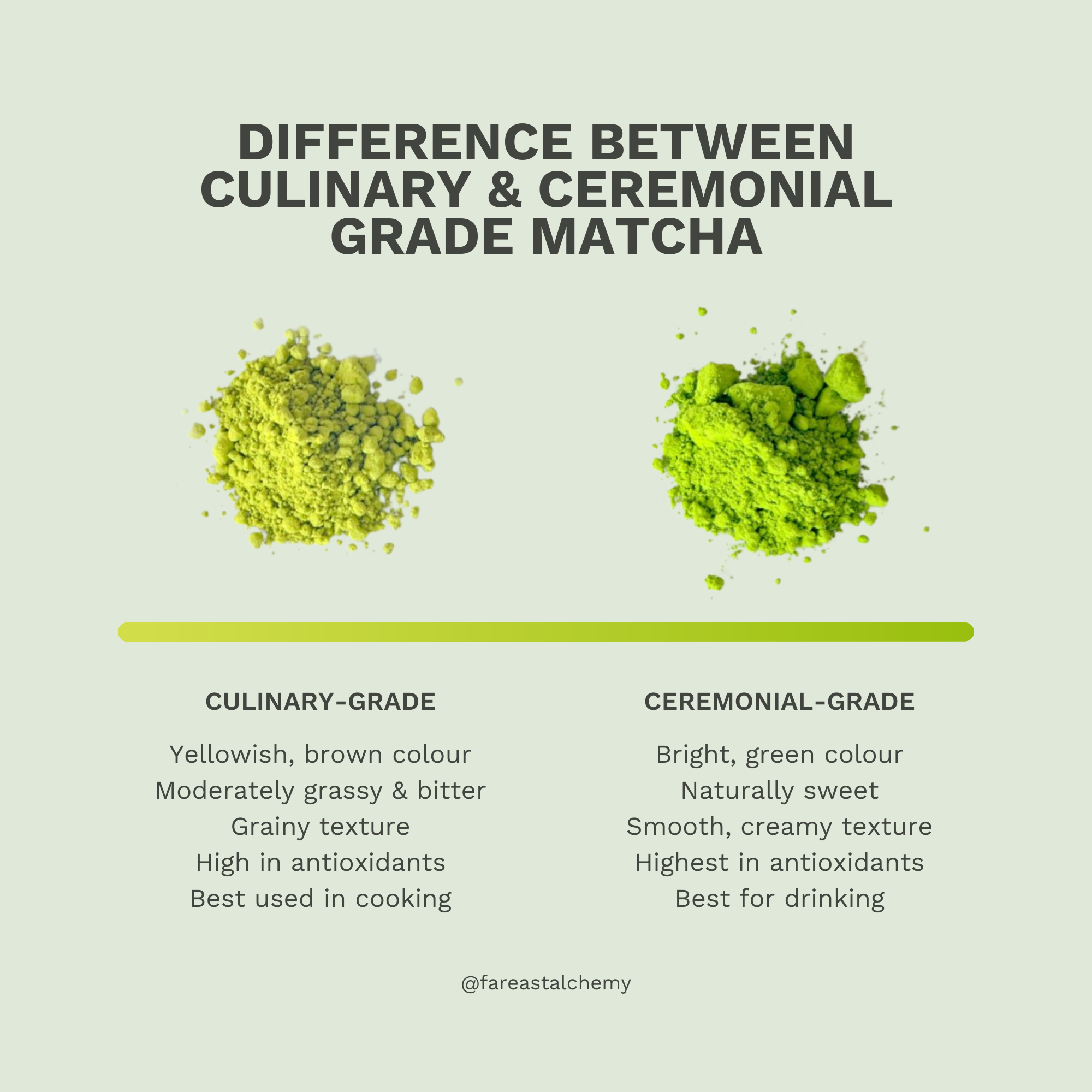
The terms "ceremonial grade’ and ‘culinary grade’ are thrown around a lot, and honestly, they’re more marketing than a strict scientific classification. The core difference comes down to the tea leaves used and how they"re processed. Ceremonial grade matcha is made from the youngest tea leaves – the first harvest, known as ichibancha. These leaves are de-stemmed and de-veined with meticulous care.
This careful selection results in a smoother, sweeter flavor profile intended for drinking straight, as part of a traditional tea ceremony. Culinary grade matcha, on the other hand, often includes more mature leaves and stems. It’s processed to be bolder and more robust in flavor, designed to stand up to other ingredients in lattes, smoothies, or baked goods. It’s not that culinary matcha tastes bad, it’s just different.
The intention behind the grade is key. Think about it like this: ceremonial matcha aims for subtlety and nuance, while culinary matcha prioritizes impact. Jee Choe, a tea sommelier at Oh, How Civilized, emphasizes the importance of understanding this difference when preparing a matcha latte (January 25, 2026). A ceremonial grade matcha will offer a more delicate flavor, while culinary grade will provide a stronger matcha presence. I’ve found that some culinary grade matchas can be quite pleasant on their own, but they won’t have the same refined character as a good ceremonial grade.
The price difference reflects the labor. You pay for the manual de-veining and the selection of younger leaves. A high price doesn't guarantee quality, but it usually indicates the tea wasn't mass-produced by machines.
Taste testing for umami
Flavor is subjective, of course, but there are specific qualities to look for when evaluating matcha. Simply labeling it "bitter’ or ‘sweet’ doesn’t tell the whole story. A high-quality matcha should have a pleasant umami flavor – a savory, brothy taste that"s characteristic of green tea. You might also detect vegetal notes, similar to spinach or seaweed, which contribute to the overall complexity.
Astringency, that drying sensation in your mouth, is something to be mindful of. A little astringency is normal, but excessive astringency suggests a lower-quality matcha or improper preparation. Water temperature and whisking technique significantly impact the taste. Using water that’s too hot will scald the matcha and bring out more bitterness. A proper whisking technique creates a smooth, frothy texture and enhances the umami.
To properly taste test, I recommend preparing a small bowl of usucha (thin tea) – about 1-2 grams of matcha whisked with 2 ounces of water at around 175°F. I recently sampled a matcha from Naoki Matcha and found it had a good balance of umami and sweetness, with minimal astringency. Conversely, a sample from another brand was overwhelmingly bitter, even at a lower concentration. The key is to pay attention to the nuances and consider the overall balance of flavors.
- Umami, which provides a savory or brothy flavor.
- Vegetal notes that remind you of spinach or seaweed.
- A natural, subtle sweetness.
- Minimal astringency, avoiding a harsh drying sensation.
Featured Products

Ceremonial Grade · Organic · First Harvest
This option provides a high-quality ceremonial grade matcha at an accessible price point, perfect for those new to premium matcha or seeking an everyday ceremonial experience.
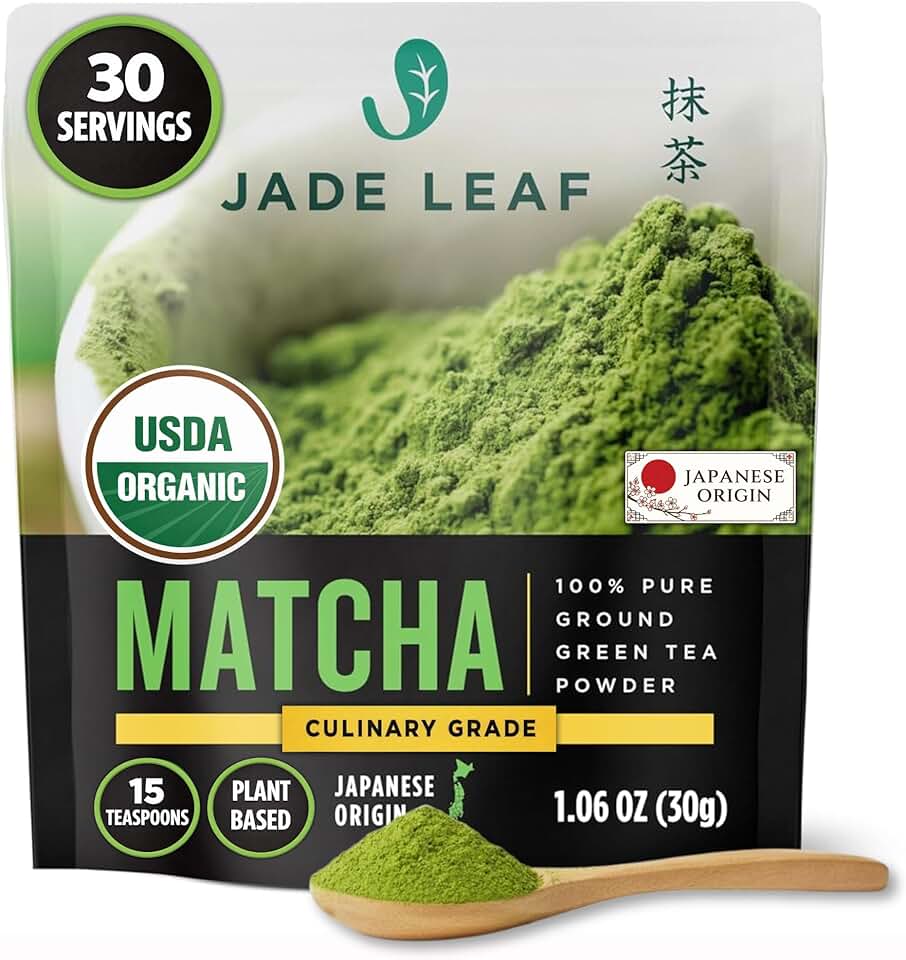
Culinary Grade · Organic · USDA Organic
An excellent entry-level choice for culinary applications, this organic culinary grade matcha offers good flavor and color for everyday use in recipes and beverages.

Large 16oz Tin · Organic · USDA Organic & EU Organic
This large-format organic matcha is ideal for frequent users who incorporate matcha into daily drinks and recipes, offering great value and versatility.

Superior Ceremonial Blend · Authentic Japanese · First Harvest
Sourced from the renowned Uji region of Kyoto, this premium ceremonial grade matcha is perfect for those seeking an authentic and exquisite taste for traditional tea ceremonies.
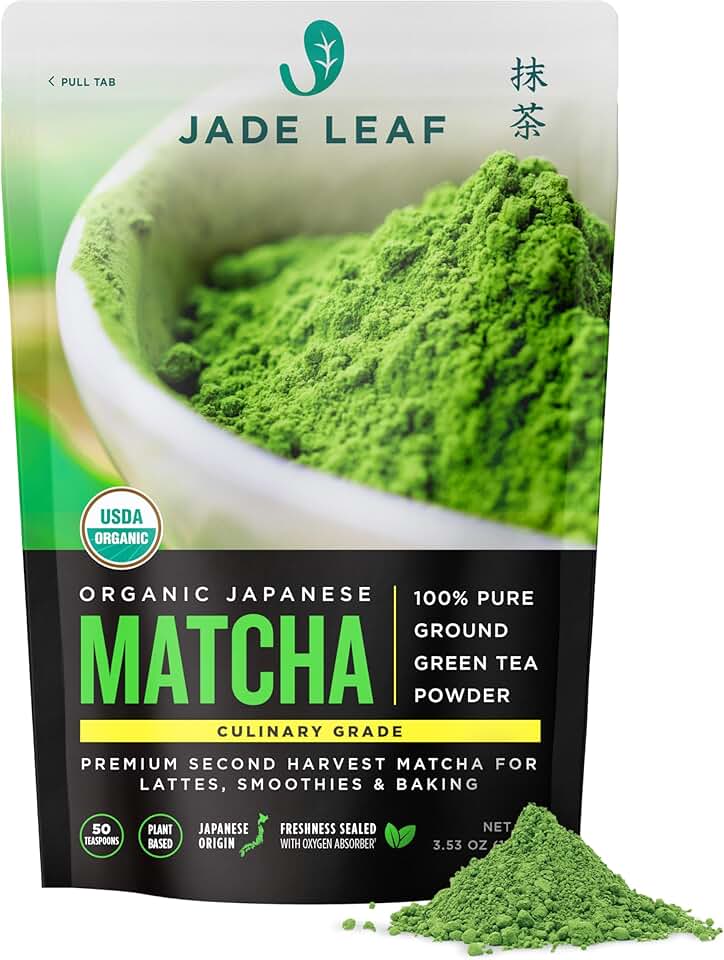
Culinary Grade · Organic · USDA Organic
This larger pack of organic culinary grade matcha is a cost-effective option for those who regularly use matcha in cooking and beverages, providing consistent quality for recipes.
As an Amazon Associate I earn from qualifying purchases. Prices may vary.
No comments yet. Be the first to share your thoughts!