

Why homemade matcha beats cafe prices
Brewing matcha at home transforms a luxury cafe habit into an affordable daily ritual. While a single matcha latte at a coffee shop often runs $6 or more, making one at home costs pennies. This isn't just about saving money; it's about taking control of what goes into your cup.
The financial gap is stark. Cafe prices include overhead, labor, and premium branding. When you buy matcha powder in bulk, the cost per serving drops dramatically. You can spend less than $0.50 per cup, allowing you to enjoy matcha daily without breaking the bank.

Beyond cost, homemade matcha offers superior quality control. Cafe matcha is often pre-mixed or made from lower-grade powder to cut costs. At home, you choose high-grade ceremonial matcha, ensuring vibrant color and a smooth, umami-rich flavor. You also control the sweetness and milk type, customizing each cup to your exact taste preferences.
This DIY approach empowers you to experiment. Try oat milk, almond milk, or coconut milk. Adjust the sweetness with honey or maple syrup. The process becomes a mindful ritual rather than a rushed transaction, enhancing the overall experience and health benefits of your morning matcha.
Choosing ceremonial grade matcha powder
The difference between a bitter, muddy drink and a vibrant, creamy latte comes down to the quality of your matcha. Not all green tea powders are created equal. To make a proper ceremonial grade matcha latte, you need powder made from the youngest, most tender tea leaves, stone-ground into a fine, bright green dust.
Think of ceremonial grade as the espresso of the tea world. It is meant to be consumed on its own or with just a little milk. Culinary grade, by contrast, is more like instant coffee: it has a stronger, more astringent flavor profile designed to stand up to heavy ingredients like sugar, chocolate, or fruit purees. Using culinary grade in a simple latte will result in a harsh, grassy taste that overwhelms the delicate sweetness of the tea.
When shopping, look for powder that is a vivid, neon green rather than a dull olive or yellow. Dull colors indicate older leaves or oxidation, which leads to bitterness. The label should explicitly state "ceremonial grade" and ideally specify that it comes from Uji, Japan, or other reputable tea-growing regions. Price is also a good indicator; true ceremonial grade requires shade-growing the tea plants for weeks before harvest, which increases the chlorophyll and L-theanine content, driving up the cost.
To help you decide which tin belongs in your pantry, compare the two main types side-by-side.
| Feature | Ceremonial Grade | Culinary Grade |
|---|---|---|
For a beginner focusing on DIY matcha lattes, investing in a single high-quality tin of ceremonial grade is worth the extra cost. It transforms the drink from a simple green tea into a luxurious, calming ritual. If you plan to use matcha heavily in baking or thick smoothies, you can supplement with culinary grade for those specific recipes, but keep your ceremonial powder separate to ensure your daily latte remains smooth and sweet.
Essential tools for whisking smooth matcha
You don’t need a café budget to get that signature frothy texture, but you do need the right equipment. Standard kitchen spoons or electric milk frothers often fail to break up matcha’s fine particles, leaving you with a gritty, clumpy drink. The difference between a muddy sludge and a velvety latte comes down to three simple tools.
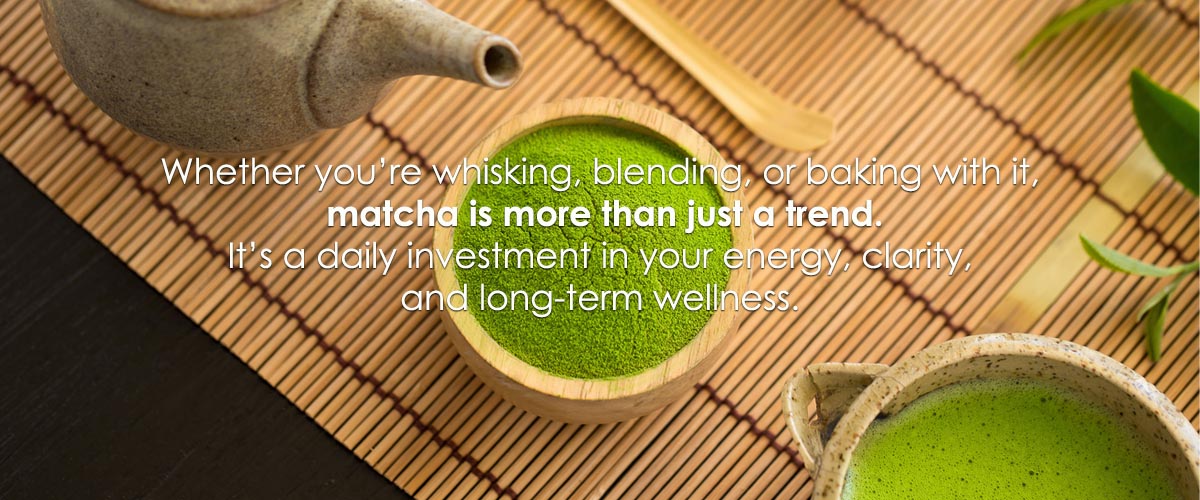
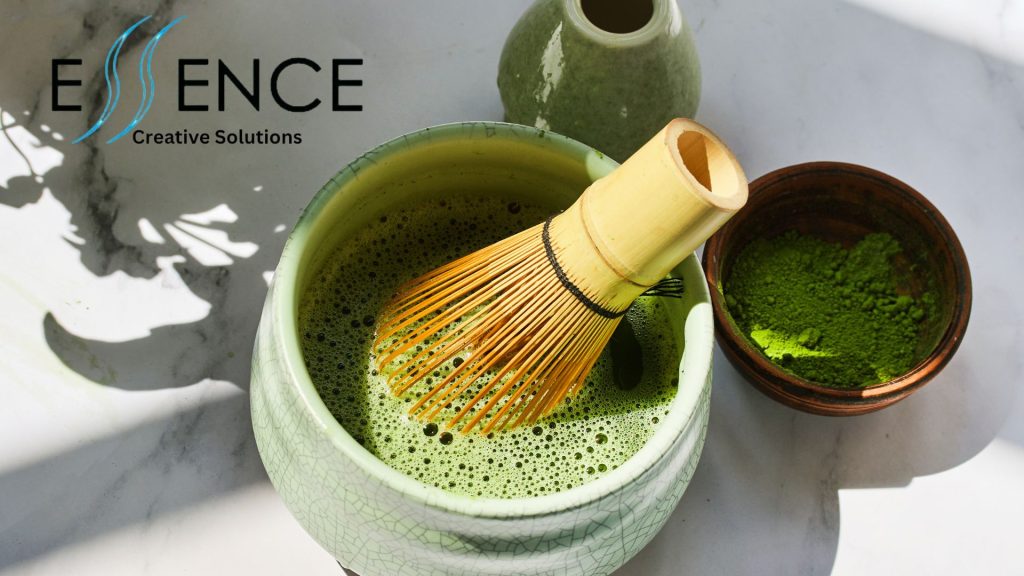
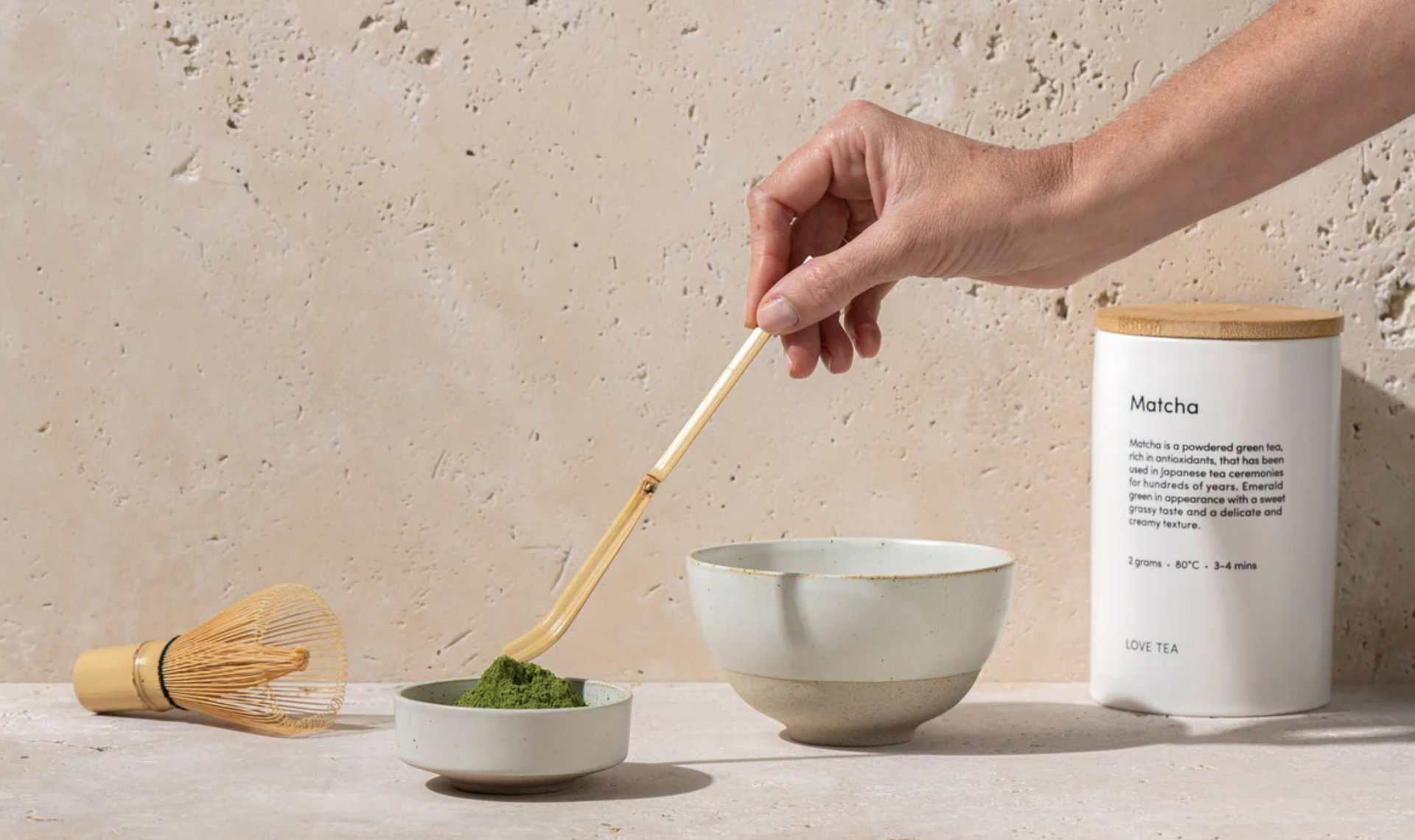
The bamboo whisk (chasen) is the non-negotiable star of the show. Its flexible, hair-like tines whip air into the powder and water faster than any spoon ever could, creating that creamy micro-foam. If your whisk feels stiff, soak the tips in warm water for a few minutes before use to soften the bamboo. Next, a fine-mesh sieve is essential for sifting the powder. Matcha clumps easily, and skipping this step means fighting lumps in every sip. Finally, a chawan (matcha bowl) with wide, curved sides gives the whisk room to move freely without splashing.
Here is the quick checklist for your starter kit:
With these basics, you’re set to skip the coffee shop line and brew a smooth, authentic matcha latte at home.
Step-by-step hot matcha latte recipe
Making a hot matcha latte is less about complicated equipment and more about controlling two variables: water temperature and whisking speed. Too-hot water burns the leaves, turning the drink bitter, while insufficient whisking leaves you with clumpy green powder floating in your milk. By following this linear workflow, you’ll achieve a smooth, emulsified latte that rivals café quality.
The Process
Start by heating fresh water to approximately 175°F (80°C). If you don’t have a thermometer, bring water to a boil and let it sit for five minutes. Simultaneously, warm your milk of choice in a small saucepan or microwave. You want the milk hot but not boiling, as scalded milk loses its sweetness and texture.

Place a fine-mesh sieve over a small bowl or your serving mug. Add 1 to 2 teaspoons of culinary or ceremonial grade matcha powder. Sifting is non-negotiable; it breaks up the natural clumps that form in the tin, ensuring a smooth whisking process later. Skipping this step is the most common reason beginners end up with gritty lattes.
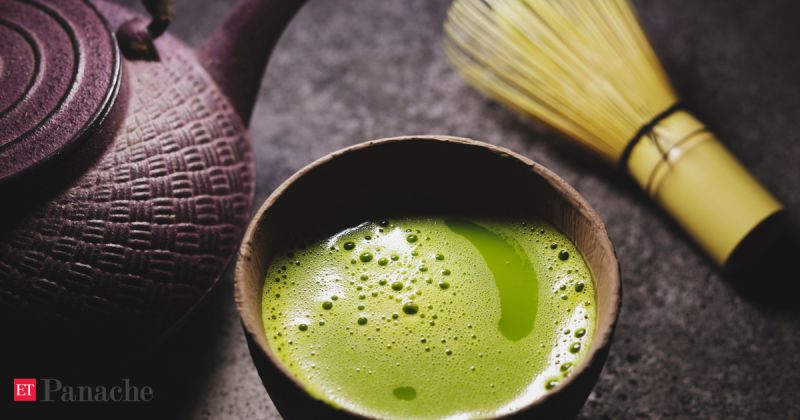
Pour about 2 tablespoons of the hot water over the sifted matcha. Using a bamboo chasen (whisk) or a small electric frother, whisk vigorously in a rapid "W" or "M" motion. Do not just stir in circles. You are creating a thick, emulsified paste or concentrate. This should take about 15-20 seconds until small, uniform bubbles form on the surface.
While the matcha concentrate rests, froth your warm milk. If using a handheld frother, submerge it just below the surface and pull it up slightly to incorporate air. You want a velvety microfoam, not thick, stiff cappuccino foam. The milk should have a glossy, paint-like consistency that pours easily.
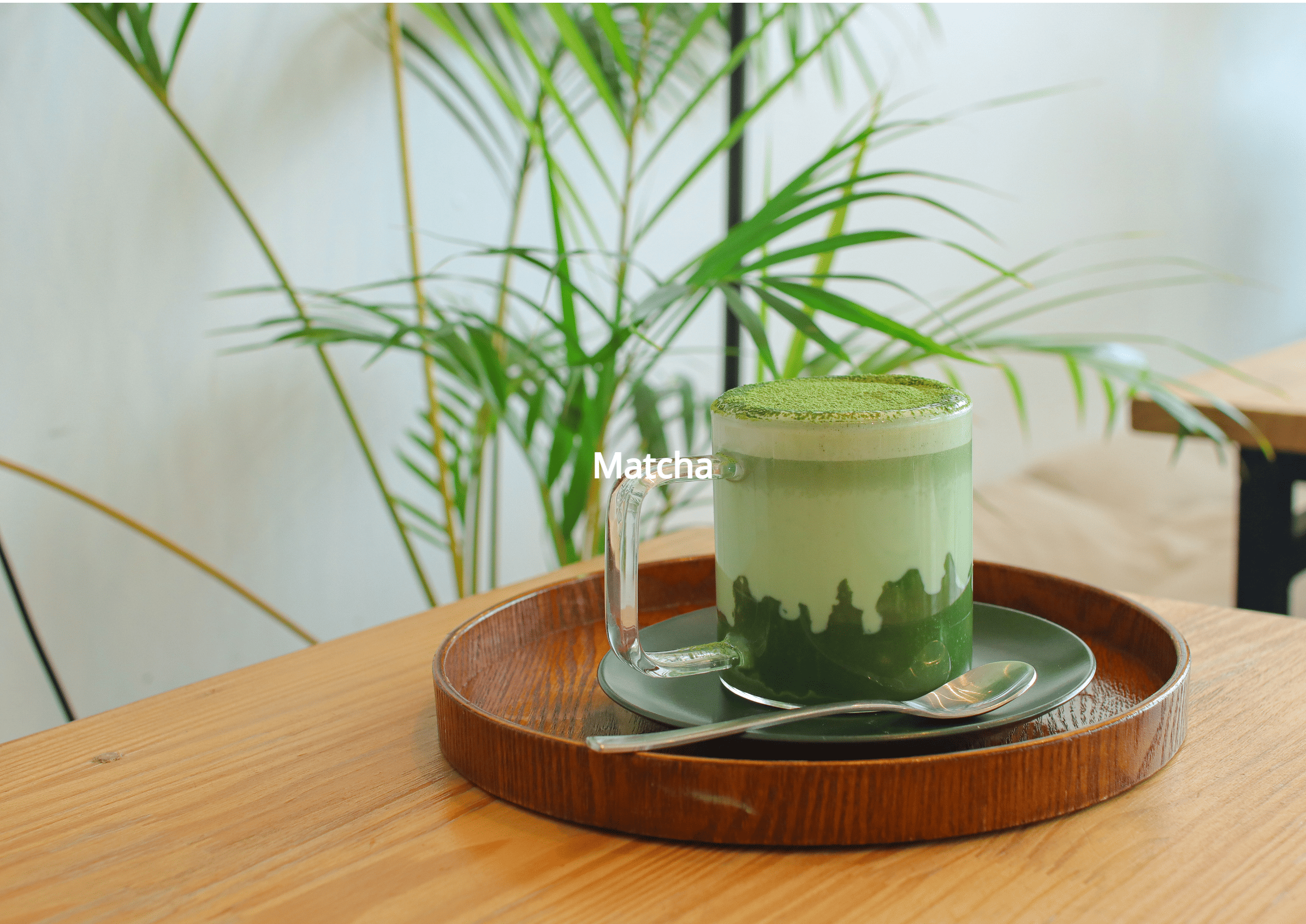
Pour the frothed milk into your mug over the matcha concentrate. For a layered effect, pour slowly down the side of the glass or mug. If you prefer sweetness, stir in honey, maple syrup, or vanilla extract at this stage. The contrast between the bright green matcha and the creamy white milk creates a visually striking drink.
Complete Recipe Details
Common Mistakes to Avoid
Even with a good recipe, technique matters. If your latte tastes bitter, your water was likely too hot. If it tastes grassy and thin, you didn’t whisk enough to emulsify the fats in the powder. If you see green chunks, you skipped the sifting step. Mastering these three points will ensure every cup is smooth, sweet, and energizing.
Making a creamy iced matcha latte
Switching to an iced version is straightforward, but it requires a slight change in technique to avoid the common pitfall of clumpy, undissolved powder floating on top of your drink. Cold milk and water simply don't have the energy to break down matcha aggregates, so you must start with a concentrated paste.
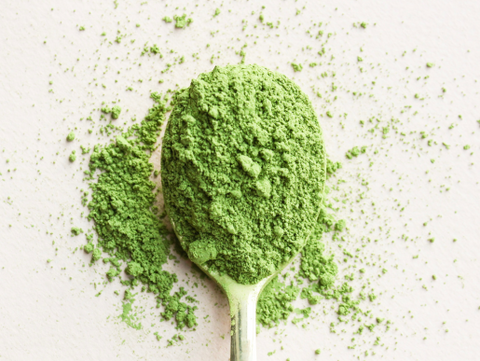
Add two teaspoons of matcha powder and one to two tablespoons of hot water (about 175°F) to your bowl or mug. Use a bamboo whisk to vigorously whisk in a "W" motion until you have a smooth, lump-free green paste. This step is non-negotiable for texture.
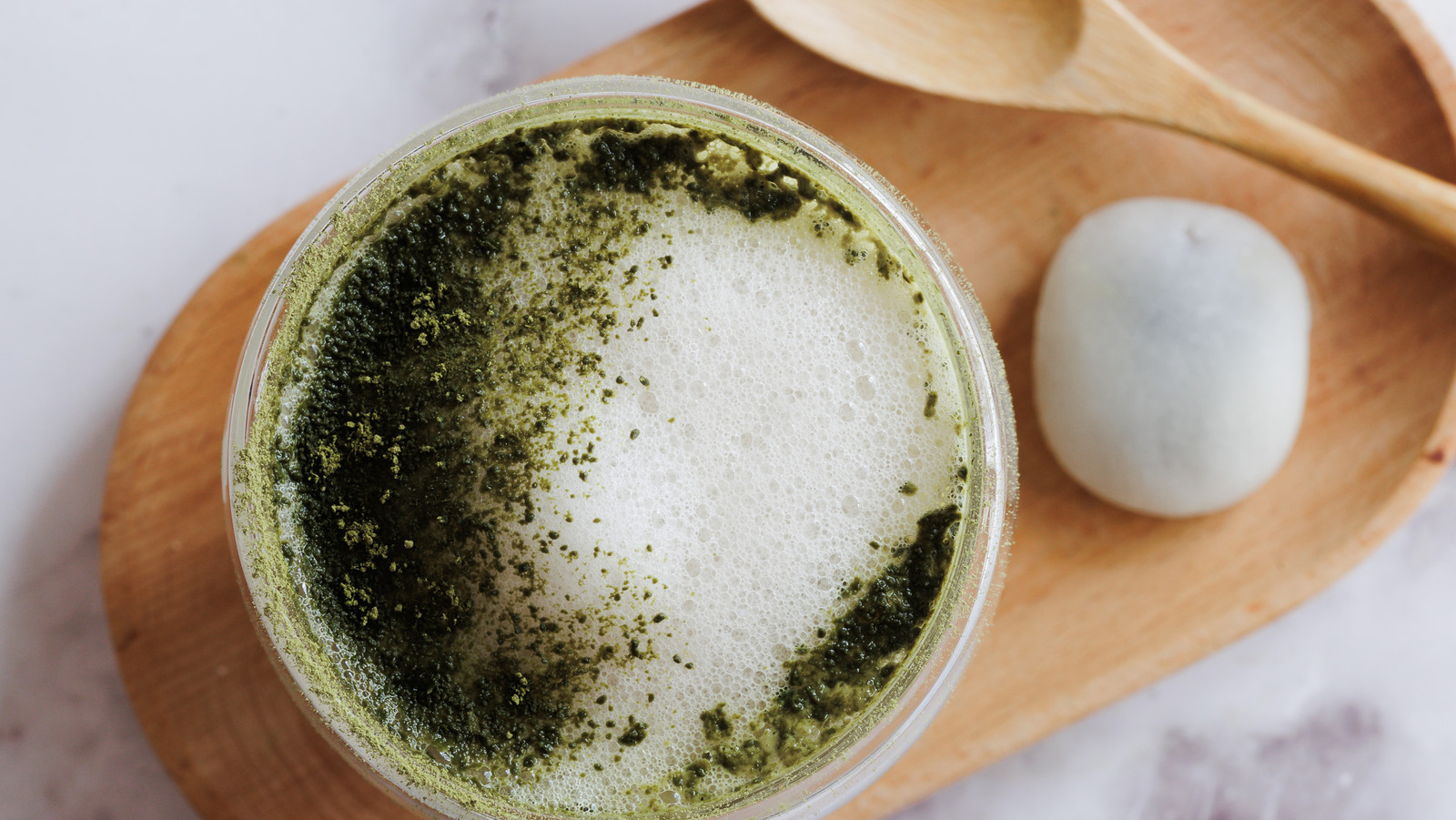
Pour your chosen milk—oat, almond, or dairy—into a glass filled with ice. Slowly pour the concentrated matcha paste over the ice. The cold liquid will dilute the paste evenly without shocking the powder into clumps, creating a uniform green gradient.
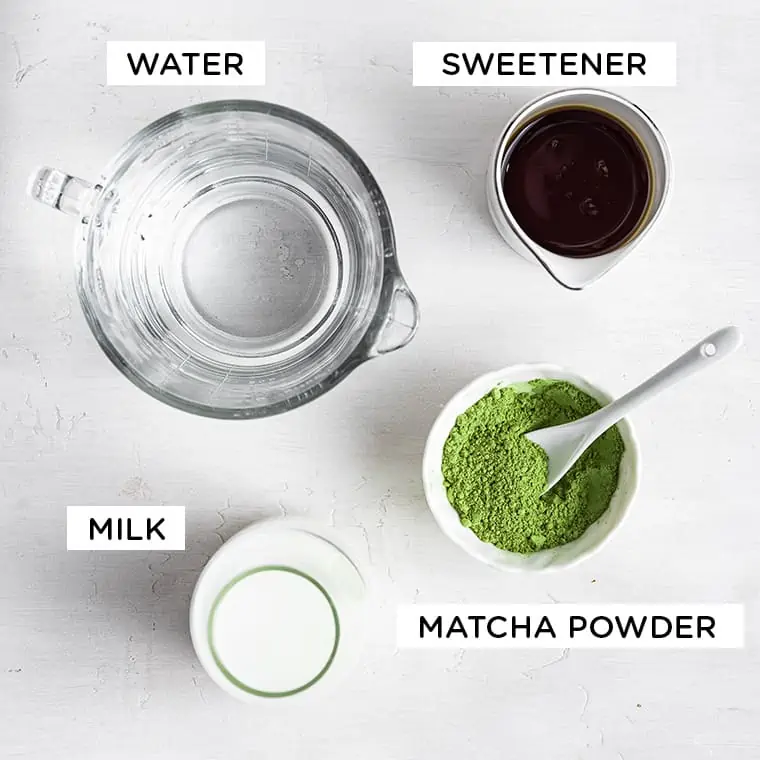
Stir in your sweetener of choice, such as honey or vanilla syrup, while the drink is still cold to ensure it dissolves completely. Give it a final stir to blend the layers and enjoy your creamy, caffeine-boosted iced matcha latte immediately.
Common whisking mistakes to avoid
Even with high-quality powder, a matcha latte can turn out bitter, clumpy, or flat if the technique is off. The difference between a cafe-quality drink and a grainy disappointment usually comes down to temperature control and motion. Here is how to fix the most frequent errors.
Using boiling water
This is the number one reason matcha tastes bitter and loses its vibrant green color. Boiling water scorches the delicate tea leaves, releasing tannins that make the drink astringent. It also destroys the subtle umami notes that make matcha special.
The Fix: Let your water cool for about five minutes after boiling. You are looking for a temperature around 175°F (80°C). If you don't have a thermometer, pour the water into your cup and wait until the vigorous bubbling stops and the surface becomes calm.
Skipping the sift
Matcha powder is fine and prone to clumping. If you dump it straight into water, you will end up with a lumpy sludge that is impossible to whisk smooth. These clumps not only look unappealing but also prevent the powder from fully dissolving, leading to an uneven texture.
Whisking the wrong way
Many beginners try to mix matcha like they would stir sugar into coffee, using a circular stirring motion. This doesn't incorporate enough air and often results in large bubbles on the surface rather than a creamy froth. It also tends to leave undissolved powder at the bottom of the bowl.
The Fix: Use a "W" or "M" motion. Hold the whisk (chasen) upright and move it back and forth rapidly in a zigzag pattern. Keep your wrist loose and the motion quick. This agitates the water and powder together, creating the signature creamy foam on top. If you are using an electric frother, stick to the manufacturer's recommended time to avoid over-aerating, which can make the texture watery.
Health benefits of drinking matcha daily
Sipping matcha daily offers more than just a caffeine kick; it delivers a concentrated dose of wellness compounds that support both body and mind. Because you consume the entire powdered leaf, you ingest significantly higher levels of antioxidants compared to steeped green tea.
The standout benefit is L-theanine, an amino acid that promotes relaxation without drowsiness. This compound works synergistically with caffeine to smooth out energy spikes, providing a calm, sustained focus rather than the jittery rush common with coffee. This unique balance makes matcha a popular choice for morning routines and mindful work sessions.
Additionally, matcha is rich in catechins, particularly epigallocatechin gallate (EGCG). Research suggests these antioxidants help combat oxidative stress and support cellular health. While individual results vary, many people report improved mental clarity and a steady mood boost as part of their daily ritual.
No comments yet. Be the first to share your thoughts!