
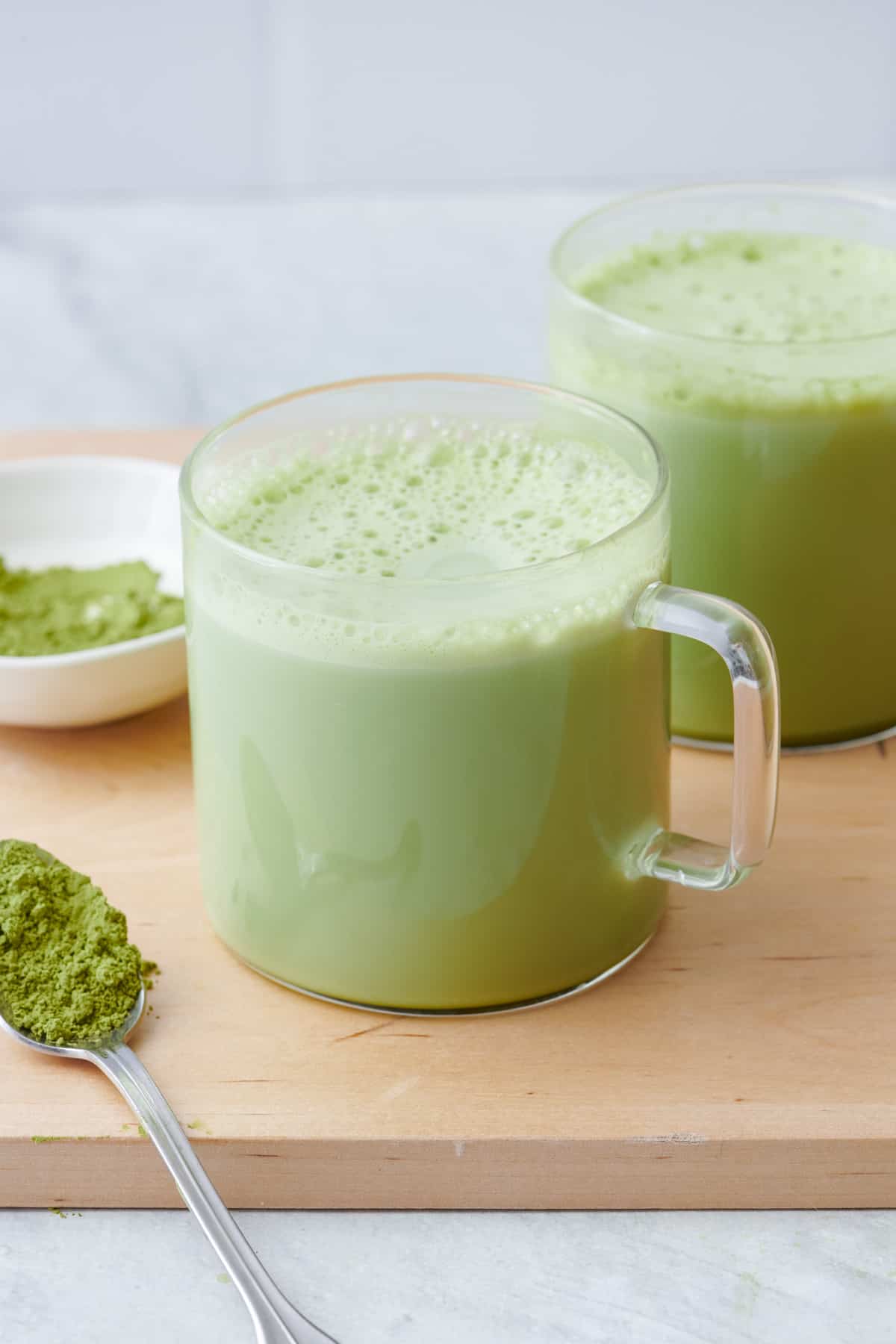

Transform Your Morning Routine: Master DIY Matcha Lattes in Just 5 Minutes
If you're spending $5-7 daily on matcha lattes from your favorite coffee shop, you're likely shelling out over $2,000 annually for what could be a simple 5-minute morning ritual at home. The art of crafting café-quality matcha lattes doesn't require barista training or expensive equipment – just the right technique and quality ingredients.
Making homemade matcha drinks has become increasingly popular as people discover the substantial cost savings and superior control over ingredients. Unlike coffee shops that often use pre-sweetened matcha powders loaded with sugar, creating your own DIY matcha lattes allows you to customize sweetness levels, milk choices, and matcha quality to your exact preferences.
The Real Cost of Your Matcha Habit
Before diving into the how-to, let's examine exactly how much your daily matcha latte is costing you. Coffee shop prices vary significantly by location, but the numbers are eye-opening across the board.
The data reveals a stark reality: café matcha lattes range from $5.25 in smaller cities to $6.80 in major metropolitan areas. Meanwhile, homemade versions cost between $1.20-$2.00 per serving, depending on ingredient quality. This translates to annual savings of $1,387 to $1,752 for daily matcha drinkers.
Why Homemade Matcha Lattes Are Superior
Beyond the obvious financial benefits, crafting matcha lattes at home offers several advantages over commercial versions. You control the matcha grade – ceremonial grade provides a smoother, less bitter flavor compared to the culinary grade often used in coffee shops. You can adjust sweetness levels, experiment with different milk alternatives, and ensure freshness with each cup.
Most importantly, you avoid the artificial additives and excessive sugars commonly found in commercial matcha mixes. Many coffee shops use matcha powders that contain more sugar than actual matcha, diluting the health benefits and authentic flavor profile.
Essential Equipment and Ingredients
The beauty of DIY matcha lattes lies in their simplicity. You don't need expensive espresso machines or specialized equipment. Here's what you'll need to get started:
Equipment:
- Bamboo whisk (chasen) or milk frother
- Fine-mesh sieve
- Small bowl or matcha bowl
- Measuring spoons
- Saucepan or milk steamer
Ingredients:
- High-quality matcha powder (ceremonial or premium grade)
- Milk of choice (dairy, oat, almond, or coconut)
- Sweetener (honey, maple syrup, or sugar)
- Hot water (175°F optimal temperature)
The initial investment in quality matcha powder might seem substantial – good ceremonial grade matcha costs $25-40 for a 30-gram tin. However, this amount yields approximately 30 servings, making the per-cup cost remarkably low compared to café prices.
The Foundation: Understanding Matcha Quality
Not all matcha powders are created equal, and this significantly impacts both flavor and cost-effectiveness of your homemade matcha drinks. Ceremonial grade matcha offers the smoothest taste with natural sweetness and vibrant green color, while culinary grade works well for lattes but may require additional sweetening.
When purchasing matcha, look for powder that's bright green rather than yellowish or brown, which indicates freshness. Quality matcha should have a fine, silky texture and sweet, grassy aroma without bitterness. While premium matcha costs more upfront, its superior flavor means you'll use less powder per serving and won't need to mask bitter notes with excessive sweeteners.
Storage is crucial for maintaining matcha quality and maximizing your investment. Keep matcha powder in an airtight container in the refrigerator, away from light and moisture. Properly stored matcha maintains its flavor and nutritional benefits for 6-12 months, ensuring consistent quality in your homemade lattes.
Master the Perfect 5-Minute DIY Matcha Latte Recipe
Creating café-quality matcha lattes at home requires the right technique and ingredients. This foolproof recipe delivers consistently smooth, frothy results that rival expensive coffee shop versions while saving you thousands annually.
Essential Ingredients for Homemade Matcha Lattes
Quality ingredients make the difference between a mediocre drink and a café-worthy creation. Here's what you'll need:
- Ceremonial-grade matcha powder: 1-2 teaspoons (provides vibrant color and smooth taste)
- Hot water: 2-3 tablespoons at 175°F (not boiling to prevent bitterness)
- Milk of choice: 1 cup (dairy, oat, almond, or coconut work well)
- Sweetener: 1-2 teaspoons honey, maple syrup, or sugar (optional)
Step-by-Step Guide to Perfect DIY Matcha Lattes
Follow this precise method to achieve the smooth, lump-free texture that defines professional-quality matcha drinks:
Pro Tips for Success: Always sift your matcha powder to eliminate clumps, whisk in a zigzag motion for optimal mixing, and heat milk to 150-160°F for the best foam consistency. The key is creating a smooth matcha paste before adding milk.
Calculate Your Annual Savings with DIY Matcha Lattes
Understanding the financial impact of making matcha lattes at home versus purchasing them from coffee shops reveals substantial long-term savings. Use our calculator to see your personalized savings based on your consumption habits and local café prices.
The average coffee shop charges $5.25-$6.80 per matcha latte, while homemade versions cost just $1.20-$2.00 per serving. For someone enjoying one matcha latte daily, this translates to saving $1,387-$1,752 annually.
Cost Breakdown: Café vs. Homemade Matcha Lattes
Let's examine the real numbers behind matcha latte costs across different scenarios and locations:
These calculations assume daily consumption, but even occasional matcha drinkers save significantly. Someone enjoying three matcha lattes weekly would still save $600-800 annually by making them at home.
Elevate Your Homemade Matcha Lattes
Once you've mastered the basic recipe, experiment with these variations to keep your daily ritual exciting:
- Iced Matcha Latte: Prepare matcha paste with cold water, add ice, and pour over cold frothed milk
- Vanilla Matcha Latte: Add ¼ teaspoon vanilla extract to your milk before frothing
- Coconut Matcha Latte: Use full-fat coconut milk for extra richness and tropical flavor
- Protein Matcha Latte: Blend in vanilla protein powder for a post-workout treat
Quality matcha powder is your most important investment. While ceremonial-grade costs more upfront, it provides superior flavor and nutrition compared to culinary-grade alternatives. A 30-gram tin typically yields 15-30 servings, making the per-cup cost remarkably affordable.
Storage matters too. Keep matcha powder in an airtight container in the refrigerator to maintain its vibrant green color and fresh taste. Properly stored matcha retains quality for 12-18 months, ensuring consistent results in your homemade lattes.
Making DIY matcha lattes isn't just about saving money—it's about taking control of your ingredients, customizing flavors to your preferences, and developing a mindful morning ritual. With practice, you'll create drinks that not only match café quality but exceed it, all while keeping hundreds of dollars in your pocket each year.
No comments yet. Be the first to share your thoughts!