
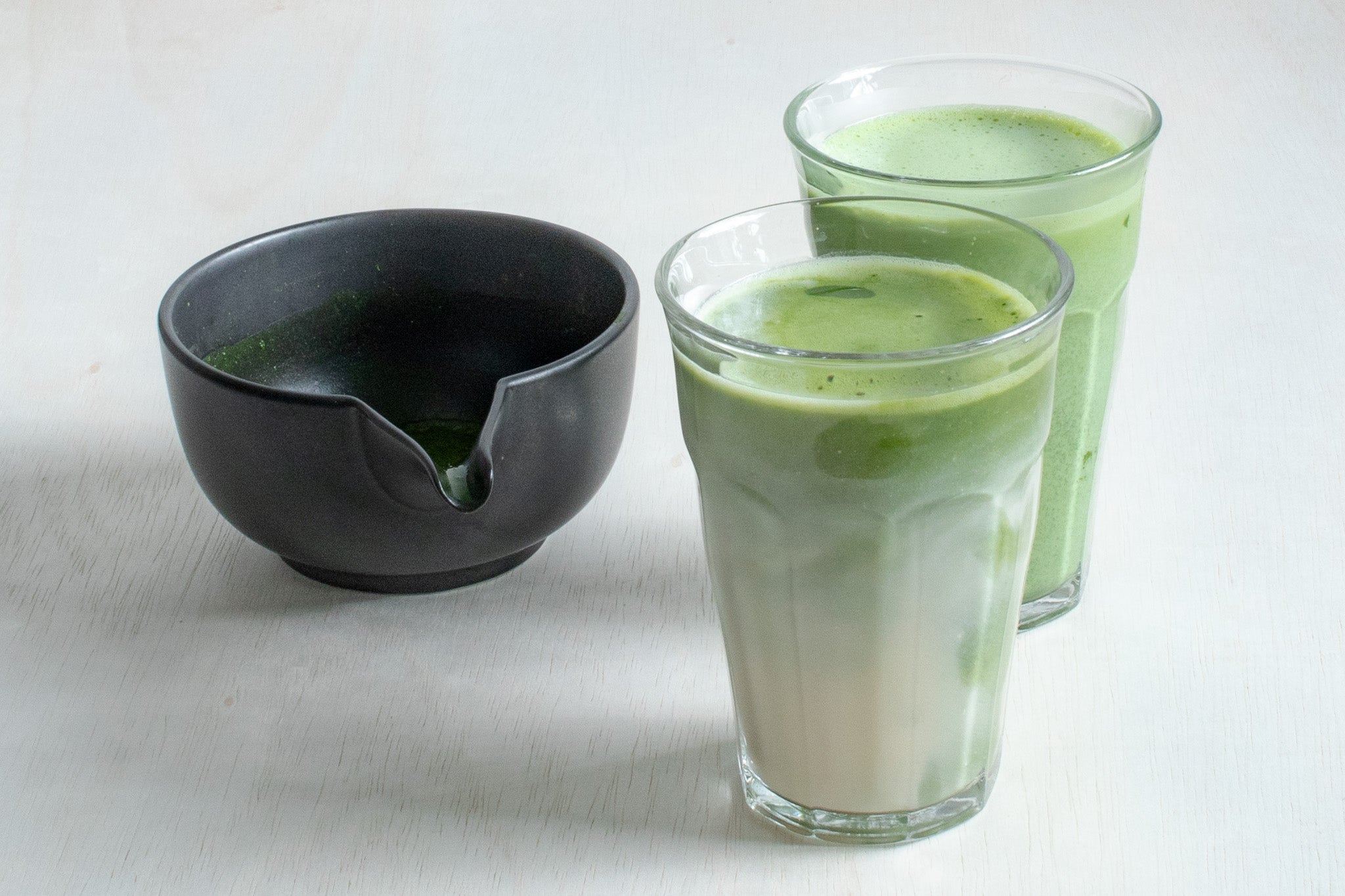

Frame the iced matcha latte ratio
Before you whisk, decide on your target volume. The difference between a grassy, thin drink and a creamy, balanced latte comes down to how much milk you add relative to the matcha powder. A standard single serving uses 2 to 3 grams of matcha powder. This amount provides enough flavor intensity to stand up to the dairy or alternative milk without getting lost.
The liquid ratio is where most people make mistakes. For a 12-ounce (350ml) glass, aim for 200ml of milk and 100ml of cold water. The water is only there to help the matcha dissolve; it does not dilute the flavor significantly if kept cold. The milk provides the creaminess and sweetness that masks the natural bitterness of the tea.
If you prefer a stronger matcha presence, reduce the milk to 150ml and increase the water slightly. If you want it milder and more dessert-like, go up to 250ml of milk. Start with the 2:1 milk-to-water ratio for a reliable baseline, then adjust based on your taste. This approach ensures every cup tastes intentional, not accidental.
Use iced matcha latte ratio in order
The secret to a creamy, grassy-free iced matcha latte is not just the quality of the powder, but the precise ratio of ingredients. Most home brewers dilute their matcha with too much milk, resulting in a watery, muted flavor. By following a strict sequence and maintaining a high matcha-to-milk ratio, you can achieve a velvety texture and a vibrant, earthy taste that stands up to the ice.
1. Sift the matcha powder
Start by measuring your matcha powder into a fine-mesh sieve. This step is non-negotiable for a smooth texture. Matcha powder is finely ground and tends to clump when exposed to humidity. Sifting removes these agglomerates before they ever touch water, ensuring your final drink has no gritty bits. Aim for 2 to 3 grams of ceremonial-grade matcha for a standard single serving. If you skip this, you will spend the rest of the drink picking out lumps of dry powder.
2. Bloom with a small amount of water
Add only 20 to 30 milliliters of warm water (around 70°C or 160°F) to the sifted powder. Do not use boiling water, as it will scorch the delicate leaves and create bitterness. Use a bamboo whisk (chasen) or a small electric frother to vigorously mix the powder and water. You are creating a thick, concentrated paste, often called "bloom." This paste should be smooth and glossy, with no dry edges. This concentrated base is what carries the flavor, so treat it with care.
3. Froth the milk separately
While your matcha paste rests, prepare your milk. Cold milk yields a lighter, crisper texture, while warm milk creates a richer, creamier mouthfeel. Use an oat milk or dairy milk for the best foam stability. Froth the milk until it doubles in volume. The goal is to create microfoam that integrates seamlessly with the matcha paste. If you are using a French press, plunge the milk rapidly up and down for thirty seconds to achieve this texture without a frother.
4. Combine the paste and milk
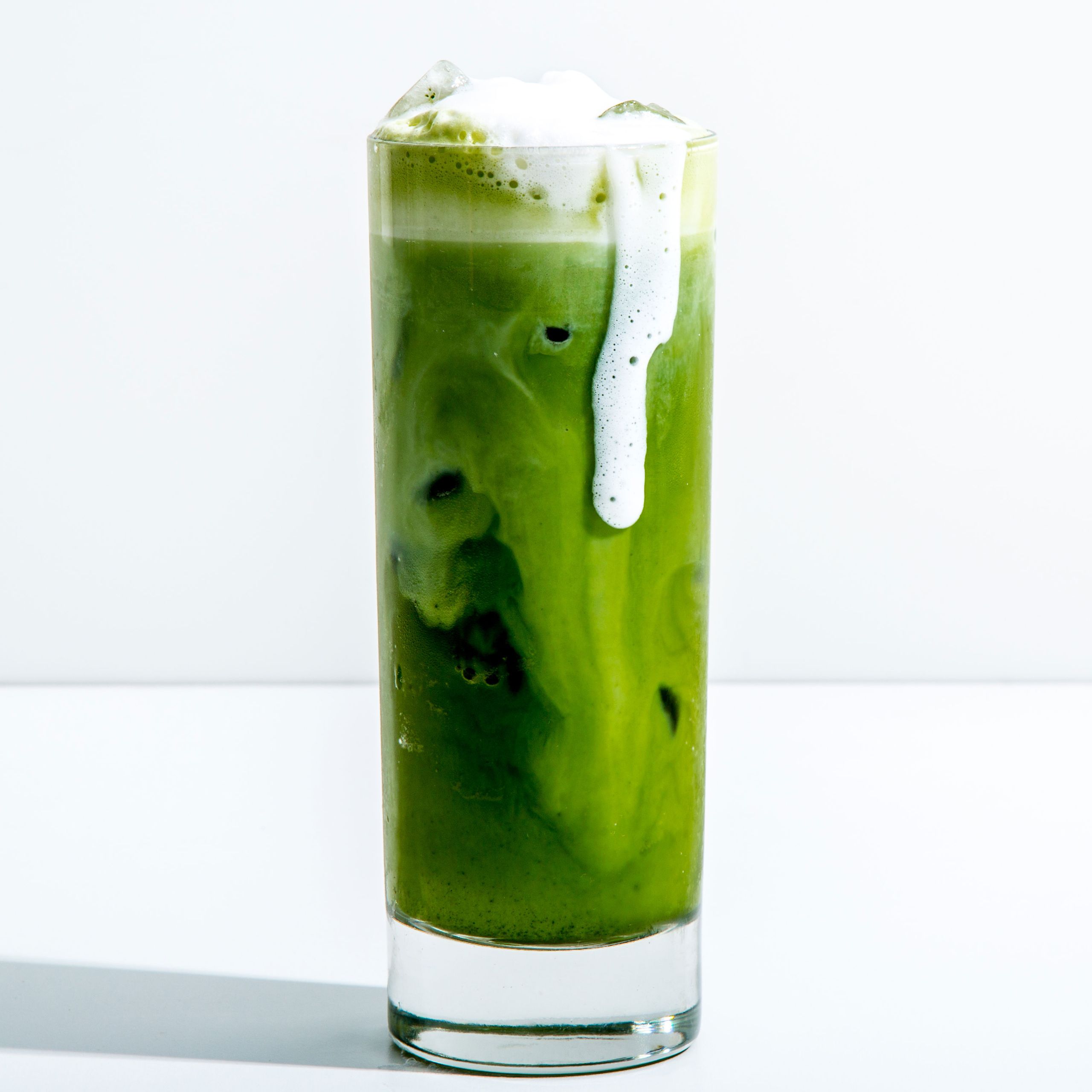
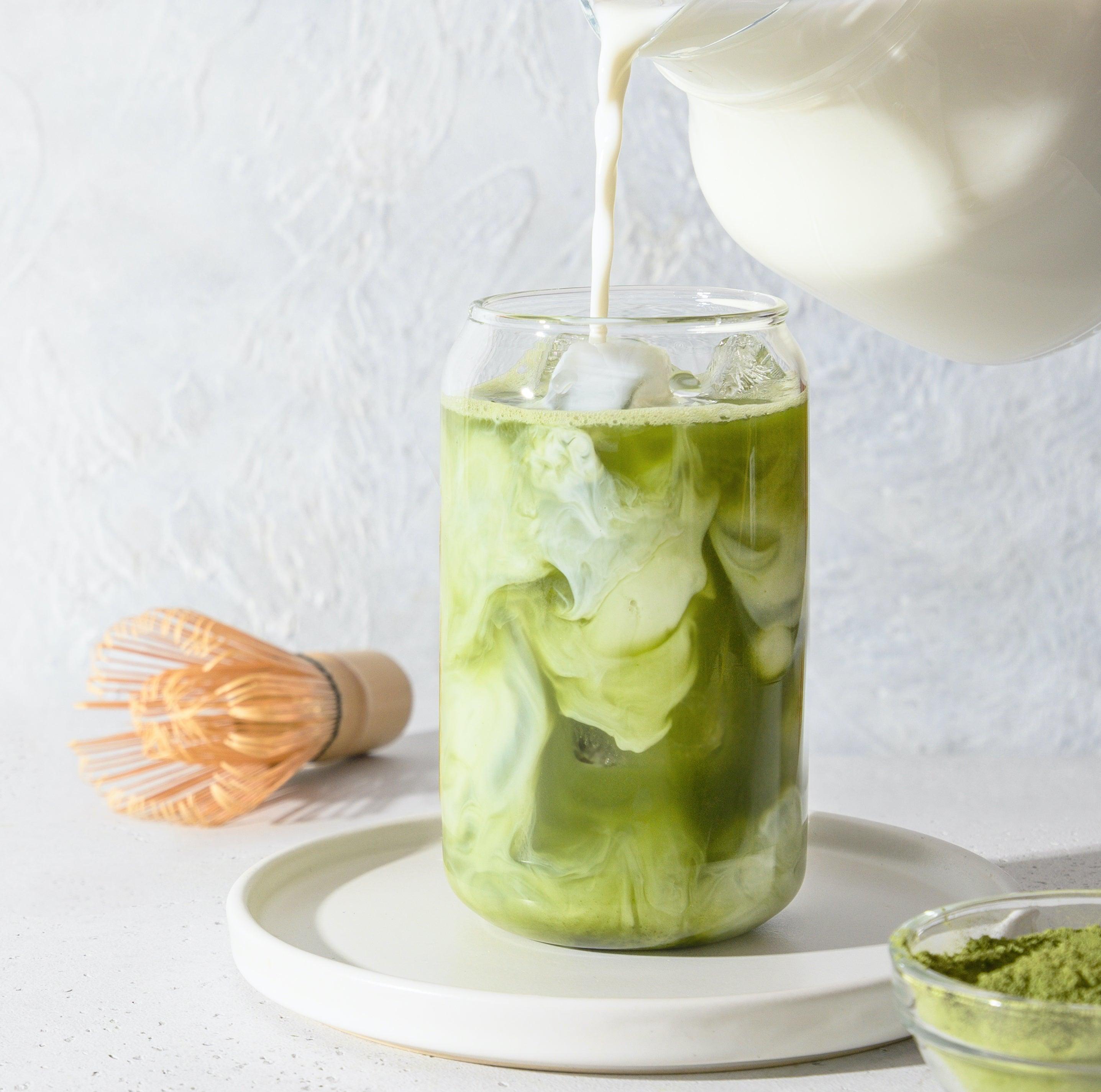
Pour your frothed milk into a glass filled with ice. Then, slowly pour the matcha paste over the milk. Because the matcha paste is denser than the milk, it will sink slightly, creating beautiful natural layers. Stir gently just before drinking to blend the flavors evenly. This ratio—roughly 1 part matcha paste to 3 parts milk—ensures the matcha flavor remains dominant and creamy, rather than tasting like sweetened milk with a hint of green tea.
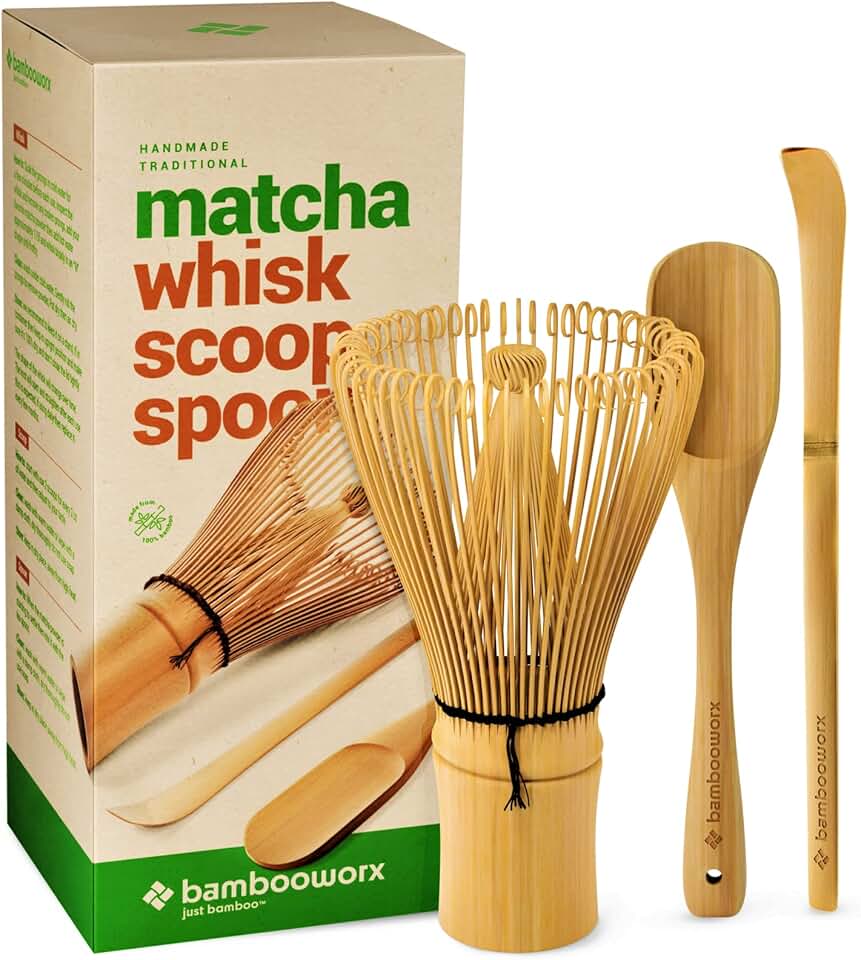
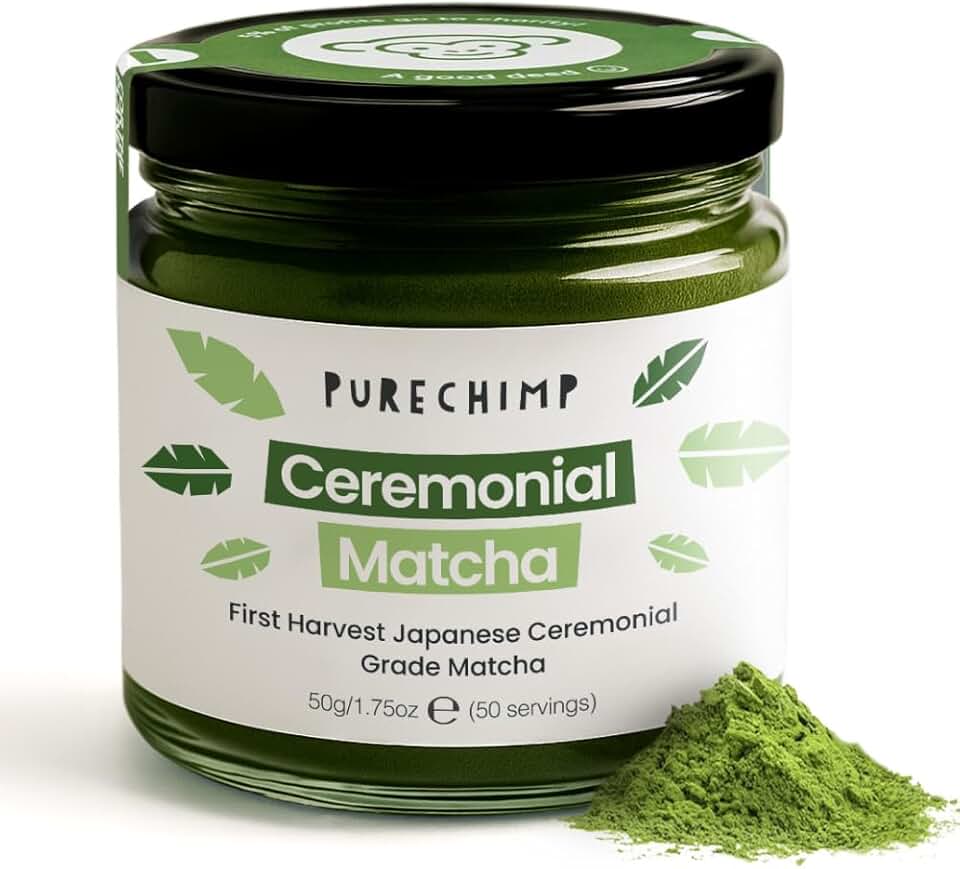
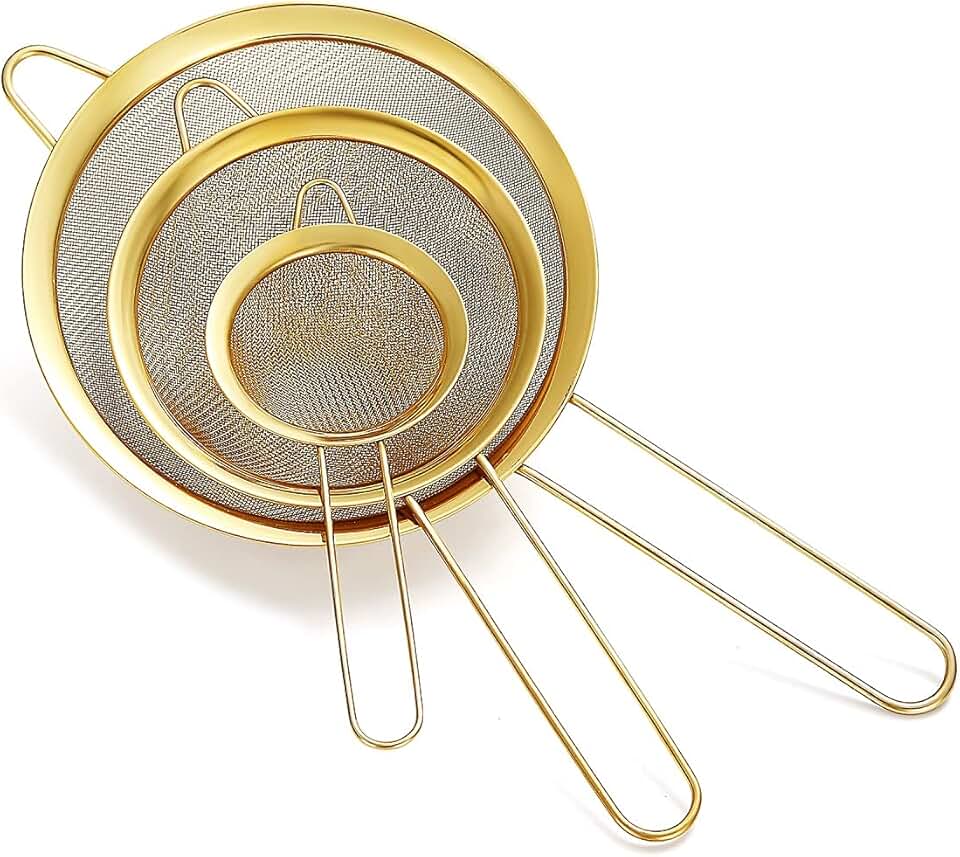
As an Amazon Associate, we may earn from qualifying purchases.
5. Adjust and taste
After your first sip, assess the balance. If the drink tastes too bitter, you may have used water that was too hot or whisked too aggressively. If it tastes watery, increase the matcha powder slightly or reduce the milk volume. The ideal iced matcha latte should feel substantial on the palate, coating your tongue with a creamy, earthy finish. Keep notes on your ratios so you can replicate the perfect cup every time.
Mistakes to catch early
Even with the right ratio, small habits can turn a creamy iced matcha latte into a grassy, bitter mess. Most issues come down to how the powder is handled before it ever touches the milk. Here are the common pitfalls to avoid.
Using water that’s too hot
Matcha is delicate. If you pour boiling water over the powder, it scorches the leaves, releasing intense bitterness and astringency that milk can’t fully mask. Aim for water around 175°F (80°C). If you don’t have a thermometer, let the kettle sit for five minutes after boiling. The goal is a smooth, bright green paste, not a cloudy, dark brown sludge.
Skipping the sifting step
Matcha powder tends to clump due to static and moisture. If you whisk a clumpy mound, you’ll end up with bitter pockets of undissolved powder floating in your drink. Always sift 2–3 grams (or your chosen amount) into your bowl before adding water. A fine-mesh sieve takes ten seconds and ensures a silky texture that blends seamlessly with cold milk.
Adding milk before the matcha is fully dissolved
Pouring cold milk into a bowl with a partially mixed paste traps the powder. The milk coats the clumps, preventing them from dissolving, leading to a grainy texture and uneven flavor. Whisk the matcha and hot water into a smooth, consistent liquid first. Only then should you pour your cold milk or ice. This ensures the matcha flavor is evenly distributed and the texture remains creamy.
Choosing the wrong milk
Not all milks play nice with matcha. Thin, watery plant milks like rice milk can make the drink feel watery and fail to balance the earthy notes. Oat milk is a popular choice for its natural sweetness and creaminess, but whole dairy milk or barista-style almond milk also work well. Avoid milks with strong vanilla or nut flavors unless you specifically want to mask the matcha taste.
Iced matcha latte ratio questions
Getting the balance right is the difference between a refreshing drink and a bitter bowl of grass. Most failures happen because the matcha is under-dosed or the milk overwhelms the tea. Use these ratios as your baseline, then adjust to your taste.
Start with these measurements and tweak the milk volume based on how intense you like your tea. A higher matcha concentration ensures the flavor survives the ice melt.
Build the routine
No comments yet. Be the first to share your thoughts!