

Ceremonial vs. culinary grade
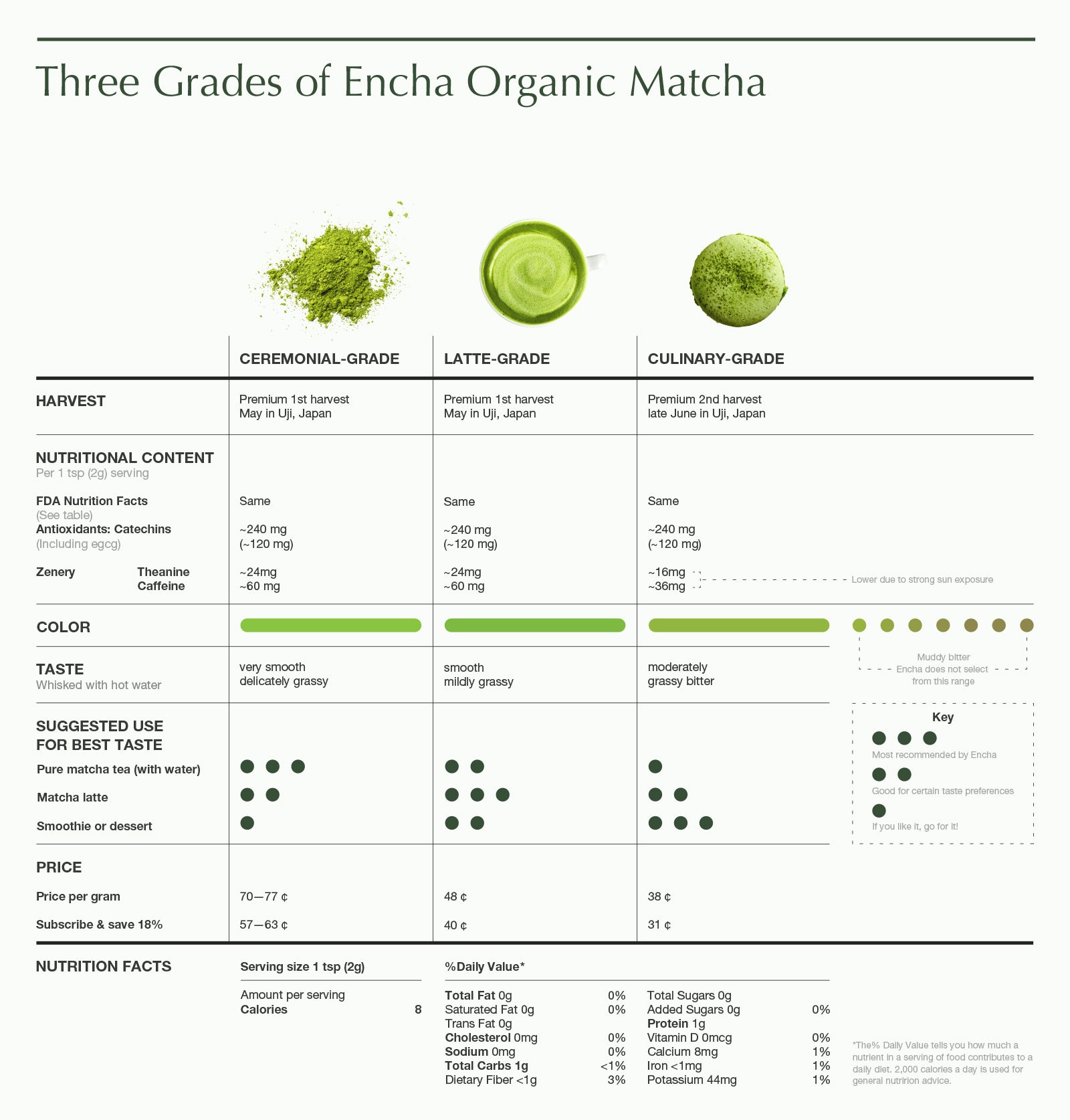
The terms "ceremonial’ and ‘culinary’ grade matcha are thrown around a lot, and understanding the distinction is crucial. Ceremonial grade matcha is intended for usucha (thin tea) or koicha (thick tea) prepared in a traditional tea ceremony. It"s made from the youngest tea leaves, harvested during the first flush, and is prized for its smooth, sweet flavor and vibrant green color.
Why is ceremonial matcha sweeter? It’s largely due to the shading process before harvest. Tea plants are shaded for about three weeks, increasing chlorophyll production and boosting the levels of L-theanine, an amino acid responsible for that umami flavor and calming effect. This shading also minimizes bitterness. The leaves are then carefully processed to preserve these qualities.
Culinary grade matcha, on the other hand, is made from more mature leaves. It has a bolder, more robust flavor, and a slightly more bitter edge. It's designed to stand up to other ingredients in recipes like lattes, smoothies, and baked goods. It's not that it's 'lower quality' in an absolute sense, just different – suited for a different purpose. You wouldn’t want to use culinary matcha for a traditional tea ceremony, and ceremonial matcha might get lost in a chocolate cake.
Essentially, the difference boils down to the leaves used and the intended application. Ceremonial is for sipping and savoring; culinary is for blending and baking. Don’t feel restricted, though. I've personally found that some bolder culinary grades can make a fantastic, robust latte.
Flavor profiles by region
Even within Japan, matcha’s flavor varies significantly depending on where it’s grown. Uji, in Kyoto Prefecture, is arguably the most famous matcha-producing region. Uji matcha is known for its refined sweetness, delicate aroma, and vibrant green color. The climate and soil conditions in Uji are ideal for tea cultivation.
Nishio, in Aichi Prefecture, produces matcha with a more robust, slightly astringent flavor. The soil in Nishio is rich in minerals, contributing to the tea’s unique character. Shizuoka Prefecture is the largest tea-producing region in Japan, and Shizuoka matcha often boasts a balanced flavor profile – a good middle ground between Uji and Nishio.
Traditional farming practices also play a role. Many tea farms in these regions still employ methods passed down through generations, focusing on sustainable agriculture and meticulous harvesting. The soil composition, the amount of sunlight, and the irrigation methods all contribute to the final flavor. While matcha production outside Japan is increasing, the vast majority of high-quality matcha still comes from these established regions.
- Uji (Kyoto): Refined sweetness, delicate aroma.
- Nishio (Aichi): Robust, slightly astringent.
- Shizuoka: Balanced flavor profile.
Why matcha can be bitter
Bitterness is a common complaint with matcha, but it’s not necessarily a sign of poor quality. Often, it's a result of preparation. Water temperature is a big factor: using boiling water will scorch the matcha and extract excessive bitterness. Aim for around 175°F (80°C).
The matcha-to-water ratio is equally important. Too much matcha for the amount of water will result in a concentrated, bitter brew. A good starting point is 1-2 grams of matcha per 2 ounces of water, but adjust to your taste. Whisking technique also matters. Vigorous whisking creates a frothy texture, but over-whisking can also contribute to bitterness.
Of course, matcha quality does play a role. Lower-grade matcha tends to be more bitter due to the higher proportion of stems and mature leaves. Using a high-quality matcha, even with a slightly less-than-perfect technique, will always yield a smoother result. Milk can help mask some bitterness, especially whole milk due to its fat content, but it's better to address the source of the bitterness first.
- Water Temperature: 175°F (80°C) is ideal.
- Matcha-to-Water Ratio: 1-2 grams matcha per 2 ounces water.
- Whisking: Vigorous, but avoid over-whisking.
Matcha Regional Flavor Profiles
| Region | Flavor Profile | Texture | Best Uses |
|---|---|---|---|
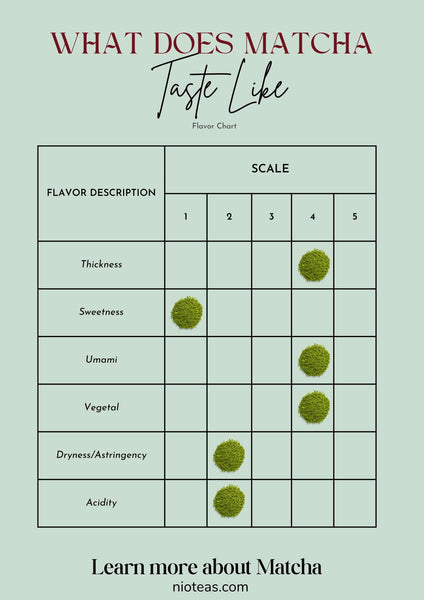
| Uji | Naturally sweet with a balanced umami, subtle bitterness, and low astringency. | Very smooth, delicate body. | Traditional tea ceremony, high-grade lattes where nuanced flavor is desired, delicate desserts. |
| Nishio | Strong umami flavor, noticeable sweetness, moderate bitterness, and a clean finish. | Slightly more robust body than Uji, smooth but with a bit more presence. | Lattes, smoothies, and baking where a bolder matcha flavor is welcome. |
| Shizuoka | Vegetal notes, moderate sweetness, balanced bitterness, and a mild astringency. | Smooth texture, medium body. | Everyday lattes, baking, and blended drinks. A versatile option. |
| Uji (Older Leaves) | Less sweetness, more pronounced umami, increased bitterness, and a lingering astringency. | Slightly coarser texture, less delicate body. | Baking, recipes where a strong matcha flavor is needed, or cost-effective lattes. |
| Nishio (Later Harvest) | Umami is still present, but less intense; sweetness is moderate; bitterness is more prominent. | Slightly grainy texture compared to first harvest Nishio, medium body. | Lattes, smoothies, and recipes where a robust matcha flavor is desired, but a very smooth texture isn't critical. |
| Shizuoka (Common Grade) | Vegetal and grassy notes, moderate bitterness, subtle sweetness, and mild astringency. | Generally smooth, but can vary depending on processing, medium body. | Affordable lattes, baking, and general use. |
Illustrative comparison based on the article research brief. Verify current pricing, limits, and product details in the official docs before relying on it.
Matcha and milk pairings
Matcha and milk create a wonderful synergy, but the type of milk can significantly impact the final flavor. Dairy milk, particularly whole milk, provides a creamy texture and helps balance matcha’s bitterness. The fat content coats the palate, softening any harsh edges.
Plant-based milks offer different characteristics. Oat milk is currently a popular choice, known for its creamy texture and neutral flavor, which allows the matcha to shine. Almond milk has a slightly nutty flavor that can complement matcha, but it’s often thinner in texture. Soy milk provides a good amount of protein and a relatively neutral flavor, making it a versatile option. Coconut milk adds a distinct tropical flavor that can be delicious, but it’s best used if you enjoy that pairing.
I’ve experimented with different milk ratios, and generally, a 1:3 matcha-to-milk ratio works well. However, adjust to your preference. If you find the matcha too strong, add more milk. If you want a bolder flavor, use less.
Beyond the latte: flavor combinations
While the classic matcha latte is a staple, don’t be afraid to experiment with other flavors. Vanilla extract or vanilla bean paste enhances matcha’s natural sweetness. Lavender adds a floral aroma and a calming element. Rosewater creates a delicate, aromatic beverage.
Chocolate and matcha are a surprisingly delightful pairing – the bitterness of the matcha cuts through the richness of the chocolate. Citrus fruits, like lemon or yuzu, provide a bright, refreshing contrast. Spices like cinnamon, cardamom, and ginger add warmth and complexity.
Consider seasonal variations. In the fall, a pumpkin spice matcha latte is a cozy treat. During the holidays, peppermint matcha is a festive option. In the spring, a strawberry matcha smoothie is light and refreshing. A rose and cardamom matcha is incredibly fragrant and delicious in the warmer months.
- Vanilla
- Lavender
- Rose
- Chocolate
- Citrus (Lemon, Yuzu)
- Spices (Cinnamon, Cardamom, Ginger)
Spotting quality matcha
Assessing matcha quality before buying requires a bit of visual inspection. The color should be a vibrant, bright green – a dull or yellowish hue suggests lower quality. The texture should be a very fine powder, almost silky to the touch. Clumps indicate that the matcha is old or hasn't been stored properly.
Give the matcha a sniff. It should have a fresh, vegetal aroma – think seaweed or freshly cut grass, but pleasant. Avoid matcha that smells stale or musty. Check the packaging for information about the origin and grade. Look for matcha sourced from Uji, Nishio, or Shizuoka.
Ultimately, the best way to determine quality is to taste it. If possible, ask for a sample before committing to a larger purchase. While online reviews can be helpful, they're subjective. Focus on objective characteristics like color, texture, and aroma.
Matcha Drink Recipes
- Lavender White Chocolate Matcha - 1 tsp ceremonial grade matcha, 2 oz white chocolate (Ghirardelli is a popular choice), 6 oz steamed milk (oat or almond work well), 1/2 tsp lavender extract. Whisk matcha with a small amount of hot water, add melted white chocolate and lavender, then top with steamed milk.
- Spiced Pear Matcha Latte - 1.5 tsp culinary grade matcha, 1/2 ripe pear (such as Bartlett or Anjou), 1/4 tsp cinnamon, 1/8 tsp nutmeg, 8 oz steamed milk, 1 tbsp maple syrup. Blend pear, cinnamon, and nutmeg. Whisk matcha with hot water, combine with pear puree, maple syrup, and steamed milk.
- Rose Cardamom Matcha - 1 tsp ceremonial grade matcha, 1/2 tsp rose water, 1/4 tsp cardamom powder, 6 oz steamed milk, 1 tsp honey. Whisk matcha with hot water and rose water. Stir in cardamom and honey, then top with steamed milk.
- Black Sesame Matcha Latte - 1 tsp culinary grade matcha, 1 tbsp black sesame paste (Let’s Do Organic is widely available), 8 oz steamed milk, 1 tsp agave nectar. Whisk matcha with hot water. Blend with black sesame paste and agave. Top with steamed milk.
- Coconut Mango Matcha Smoothie - 1 tsp culinary grade matcha, 1/2 cup frozen mango chunks, 1/4 cup coconut milk (Native Forest is a common brand), 1/4 cup coconut water, 1/2 banana. Blend all ingredients until smooth.
- Matcha Mint Julep - 1 tsp ceremonial grade matcha, 8-10 fresh mint leaves, 2 tbsp simple syrup, 2 oz bourbon (Maker’s Mark is a popular choice), crushed ice. Muddle mint and simple syrup. Add matcha and bourbon, fill with crushed ice, and stir.
- Pineapple Matcha Refresher - 1 tsp culinary grade matcha, 4 oz pineapple juice, 2 oz coconut water, 1/2 oz lime juice, ice. Whisk matcha with a small amount of hot water. Combine with pineapple juice, coconut water, and lime juice over ice.
Matcha myths debunked
There's a lot of misinformation surrounding matcha. One common myth is that all matcha tastes the same – it doesn't. As we’ve discussed, flavor varies greatly depending on grade, region, and processing. Another myth is that bitterness equals quality. While some bitterness is natural, excessive bitterness indicates lower quality or improper preparation.
The idea that matcha is always expensive is also misleading. While high-grade ceremonial matcha can be pricey, there are affordable culinary grades available for everyday use. Finally, matcha isn’t just for "health gurus’. It"s a delicious and versatile ingredient that anyone can enjoy.
No comments yet. Be the first to share your thoughts!