

First Impressions: What Does Matcha Actually Taste Like?
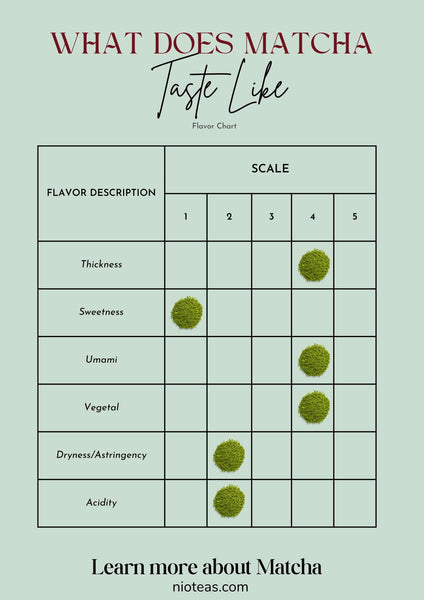
Matcha's taste is complex. It's often described as vegetal, like fresh spinach, with an underlying sweetness. Many find it has an umami quality, similar to mushrooms or seaweed.
My first experience with matcha was unexpected. I anticipated a floral green tea flavor, but instead, I tasted an earthy, bitter note. Over time, I've come to appreciate its nuanced flavor.
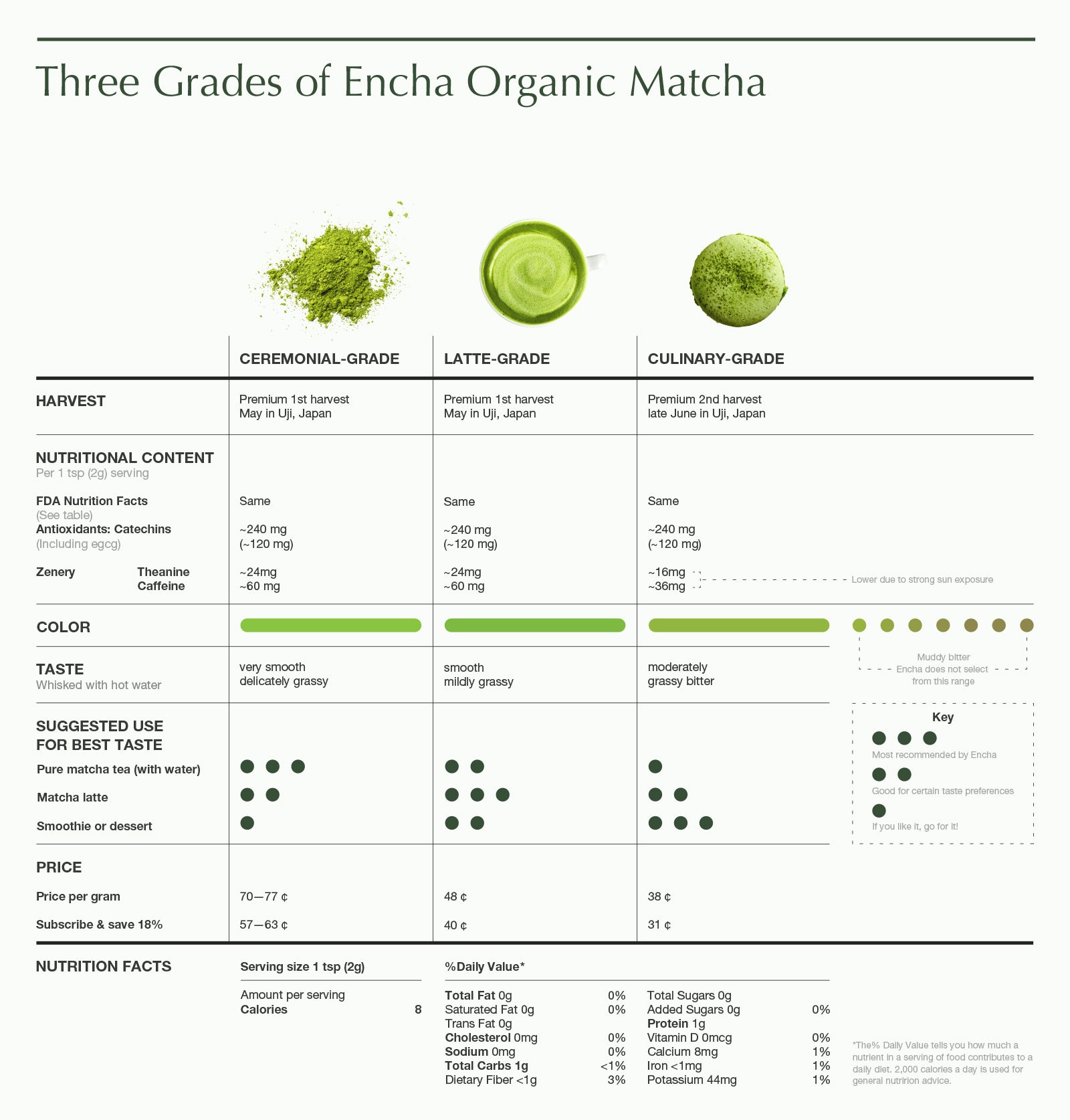
Matcha's grade significantly impacts its taste. Ceremonial grade, meant for drinking straight, is smoother and sweeter with delicate vegetal notes. Culinary grade, used in lattes and baking, is bolder and can be more bitter.
Bitterness Breakdown: Why Matcha Isn't Always Sweet
Matcha's bitterness comes from catechins, particularly epigallocatechin gallate (EGCG), which also provides health benefits.
Bitterness varies based on growing location, processing, and water temperature. Shaded matcha has less bitterness due to higher L-theanine levels, which balance catechins. Grinding fineness also plays a role.
Premium matcha has smoother bitterness due to younger leaves with higher L-theanine content. The goal is a balance, not complete elimination of bitterness.
Sweetness Potential: Unlocking Matcha's Hidden Flavors
While matcha isn’t inherently sweet, it possesses a natural sweetness that can be brought out with the right additions. The key is to choose sweeteners that complement, rather than overpower, the matcha’s delicate flavor. Honey is a popular choice, adding a floral sweetness that pairs well with the vegetal notes. Maple syrup offers a richer, more complex sweetness.
Agave nectar is another option, though its flavor is less distinctive. Refined sugar works in a pinch, but it can mask some of the matcha’s subtleties. A touch of vanilla extract can also enhance the sweetness and round out the flavor profile. Experimenting with different combinations is the best way to find your preference.
Here's a quick comparison: Honey: Floral, complements vegetal notes. Maple Syrup: Rich, complex sweetness. Agave: Mild, less distinctive flavor. Refined Sugar: Can mask matcha's subtleties.
- Honey
- Maple Syrup
- Agave
- Refined Sugar
Grade Matters: Ceremonial vs. Culinary Matcha
Understanding the difference between ceremonial and culinary grade matcha is key to appreciating its taste. Ceremonial grade, made from the youngest leaves of the first harvest, is for drinking straight (usucha or koicha). It's processed for a delicate flavor, vibrant green color, smooth texture, subtle sweetness, and minimal bitterness.
Culinary grade matcha uses more mature leaves and is suited for lattes, smoothies, and baking. It has a bolder flavor that holds up well with other ingredients, and its more noticeable bitterness is less of an issue when mixed with sweeteners.
A side-by-side tasting revealed ceremonial grade matcha as smooth and creamy with lingering sweetness. Culinary grade was bolder with a more pronounced vegetal flavor and a sharper bite, making it suitable for lattes. Ceremonial grade is also considerably more expensive.
Ceremonial grade is akin to fine wine, meant for savoring alone, while culinary grade is a versatile ingredient for various dishes. The choice depends on intended use. Culinary grade is suitable for everyday use, with ceremonial grade reserved for special occasions.
Beyond the Latte: Taste Variations in Recipes
Matcha's flavor changes in recipes. In cookies and cakes, sugar and fat mellow the bitterness, creating an earthy sweetness. Chocolate pairs well, complementing matcha's vegetal notes, with matcha and white chocolate combinations being popular.
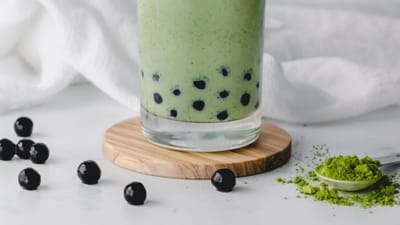
Matcha smoothies are refreshing. Combining matcha with fruits like banana, mango, or pineapple creates a balanced drink, with fruit acidity cutting through bitterness. A matcha and strawberry smoothie is a delightful example.
Savory applications for matcha are also emerging. Matcha-infused sauces add umami to dishes like noodles or grilled vegetables. Culinary grade matcha is recommended for savory uses due to its bolder flavor. In cookies and cakes, matcha offers mellowed, earthy sweetness. Smoothies are balanced with fruit acidity, and savory sauces provide an umami, bold flavor.
- Matcha cookies: mellowed, earthy sweetness
- Matcha smoothies: balanced with fruit acidity
- Matcha sauces: umami, bold flavor
Matcha Pairings: A Qualitative Decision Matrix
| Matcha Grade | Chocolate | Fruits | Spices |
|---|---|---|---|
| Ceremonial Grade | Dark Chocolate - Excellent. The slight bitterness of ceremonial matcha is beautifully complemented by the rich, intense flavor of dark chocolate. | Berry - Excellent. Berry flavors, particularly raspberry and strawberry, enhance matcha's natural sweetness and grassy notes. | Cardamom - Excellent. Cardamom's warm, aromatic spice profile pairs exceptionally well with matcha, creating a complex and comforting flavor. |
| Premium Grade | Milk Chocolate - Good. Milk chocolate's sweetness balances the vegetal notes of premium matcha, though it can sometimes overshadow the matcha's nuance. | Citrus - Good. The bright acidity of citrus fruits like orange and lemon cuts through the richness of matcha, offering a refreshing contrast. | Cinnamon - Good. Cinnamon adds a warming spice that complements matcha, but can be overpowering if used excessively. |
| Culinary Grade | White Chocolate - Okay. The high sweetness of white chocolate can mask the flavor of culinary grade matcha, but can be palatable for those preferring a sweeter beverage. | Tropical - Okay. Mango and pineapple can work with culinary matcha, but the flavors are less harmonious than with other pairings; the matcha's bitterness can clash. | Ginger - Okay. Ginger provides a spicy kick that can be interesting with culinary grade matcha, but requires careful balancing to avoid being too sharp. |
| Koicha Grade | Dark Chocolate - Excellent. Koicha’s naturally sweet and umami-rich profile is amplified by the depth of dark chocolate. | Berry - Good. While not as vibrant as with other grades, berries still provide a pleasant counterpoint to Koicha’s richness. | Cardamom - Good. A light touch of cardamom enhances the subtle sweetness of Koicha without overwhelming it. |
| Usucha Grade | Milk Chocolate - Good. Usucha’s lighter body and slight bitterness are balanced by the creaminess and sweetness of milk chocolate. | Citrus - Good. The zesty notes of citrus brighten the flavor of Usucha, creating a refreshing combination. | Cinnamon - Okay. A small amount of cinnamon can add warmth, but too much can mask the delicate flavors of Usucha. |
Illustrative comparison based on the article research brief. Verify current pricing, limits, and product details in the official docs before relying on it.
Water Temperature & Whisking: Subtle But Significant
Matcha preparation significantly impacts taste. Water temperature is critical; boiling water scalds the matcha, creating a bitter flavor. The ideal temperature is around 175°F (80°C). Water that is too cold prevents proper dissolution.
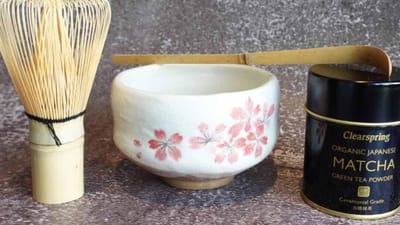
Proper whisking with a chasen (bamboo whisk) in a "W" or "M" shape, not circles, creates a smooth, frothy texture and prevents clumping. Aim for a fine foam layer within 15-30 seconds.
Traditional tools like a chawan (tea bowl) for whisking space and
Regional Variations & Blends: Exploring New Profiles
Matcha isn’t a single, uniform product. Different regions in Japan – Uji (Kyoto), Nishio (Aichi), and Shizuoka – each produce matcha with subtly different characteristics. Uji matcha is often considered the highest quality, known for its delicate sweetness and vibrant green color. Nishio matcha is known for its bold flavor and is often used in culinary applications. Shizuoka matcha offers a balance between the two.
The trend of matcha blends is also gaining momentum. Some producers are combining different grades of matcha to create unique flavor profiles. Others are adding ingredients like roasted rice (genmaicha) or other teas to create interesting variations. I’m noticing a growing number of flavored matchas, like lavender matcha and rose matcha, appearing on the market.
These blends can be a great way to experiment and discover new tastes. However, it’s important to be aware that some flavored matchas may contain artificial ingredients or lower-quality matcha. Reading the ingredient list is crucial.
Taste Preferences: Finding *Your* Perfect Matcha
Ultimately, the best matcha is the one you enjoy. Taste is subjective, and there’s no right or wrong answer. Don’t be afraid to experiment with different grades, regions, and preparation methods. Start by sampling a few different types of matcha, paying attention to the nuances in flavor and aroma.
Adjust the water temperature and whisking technique to suit your preferences. If you find matcha too bitter, try using slightly less powder or adding a touch of sweetener. If you prefer a bolder flavor, opt for culinary grade matcha. The key is to find a balance that works for you. Don't get discouraged if your first few attempts aren't perfect – it takes practice!
There’s a whole world of matcha out there to explore. Embrace the experimentation, and don’t be afraid to try new things. Whether you prefer a traditional cup of usucha or a creamy matcha latte, the most important thing is to enjoy the process and find your perfect matcha experience.
No comments yet. Be the first to share your thoughts!