

Pick ceremonial or culinary grade
Making Homemade Matcha Drinks at Home works best when the purchase path is explicit. Verify the source, compare the offer against real alternatives, check the total cost, and confirm what happens after payment before you decide.

After each comparison, write down the one risk that would change your mind. If the seller, condition, support, warranty, shipping, or upkeep still feels uncertain, resolve that question before moving to checkout.
| Factor | What to check | Why it matters |
|---|---|---|
| Fit | Match the option to the primary use case. | A good deal still fails if it does not fit the job. |
| Condition | Verify age, wear, and service history. | Hidden condition issues erase upfront savings. |
| Cost | Compare purchase price with likely upkeep. | The cheapest option is not always the lowest-cost option. |
Whisk the powder into smooth paste
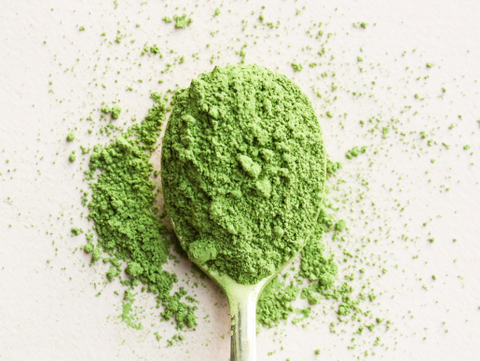
Creating a lump-free matcha base is the difference between a creamy latte and a gritty tea. The goal here is to dissolve the powder completely before adding any milk. Start by sifting 1 gram of ceremonial-grade matcha powder into a small bowl. Sifting is non-negotiable; matcha cakes easily due to static, and those clumps will not dissolve no matter how hard you whisk later.
Add 50 milliliters of filtered hot water. The water should be around 80°C (175°F)—hot enough to extract the flavor, but not boiling, which will burn the leaves and turn the vibrant green into a dull olive. If you don't have a thermometer, boil the water and let it sit for about two minutes.
Using a bamboo chasen whisk, work the powder and water together. Start by mixing gently to wet the powder, then switch to a rapid "W" motion. You aren't trying to create foam yet; you are creating a glossy, ink-like paste. This process takes about 15 to 20 seconds. When you lift the whisk, the paste should fall back into the bowl in a continuous ribbon without visible dry bits.
Place a fine-mesh sieve over your bowl and spoon in 1 gram of matcha. Tap the side gently to let the powder fall through, breaking up any initial clumps.
Pour 50ml of hot water (approx. 80°C) over the sifted powder. The water should be hot to the touch but not steaming violently.
Hold the bowl steady with one hand. Use the bamboo whisk in the other to mix in a quick "W" shape. Focus on breaking up lumps until the mixture is a smooth, dark green liquid.
-
Sifted powder to prevent clumps
-
Water temperature below 80°C
-
Whisked for at least 15 seconds
-
Paste is glossy and lump-free
Add milk and sweetener to taste
Once your matcha paste is smooth and lump-free, it is time to introduce the dairy or plant-based element. This step transforms the concentrated powder into a drinkable beverage. The goal is to integrate the milk without breaking the delicate emulsion you just created. Pour your chosen milk slowly while whisking gently to maintain the vibrant green hue and creamy texture.
Choosing the right milk
The fat content and flavor profile of your milk will significantly alter the final taste. Dairy milk provides a rich, creamy mouthfeel that balances the grassy notes of high-quality ceremonial grade matcha. For a lighter option, oat milk has become a favorite among baristas because its natural sweetness complements the earthiness without overpowering it. Almond milk offers a nutty undertone but can sometimes separate if the temperature is too high.
If you are using a milk frother, heat the milk to approximately 65°C (150°F) before adding it. This temperature range allows the milk proteins to expand and create a velvety microfoam that sits beautifully on top of the matcha base. Avoid boiling the milk, as this can scald the proteins and result in a flat, less flavorful finish.
Sweetening the blend
Matcha naturally possesses a complex flavor profile that includes vegetal, sweet, and slightly bitter notes. Whether you need additional sweetener depends on the grade of your powder and your personal preference. Start with 1 to 2 teaspoons of your preferred sweetener. Honey, maple syrup, or simple syrup dissolve most easily into the warm liquid. Granulated sugar may require extra whisking to fully incorporate.
Taste the drink after the first stir. Add more sweetener incrementally if needed. The sweetness should highlight the umami qualities of the matcha rather than masking them. If you prefer a less sweet beverage, try a pinch of salt instead; it can enhance the natural flavors and reduce perceived bitterness without adding calories.
Final integration
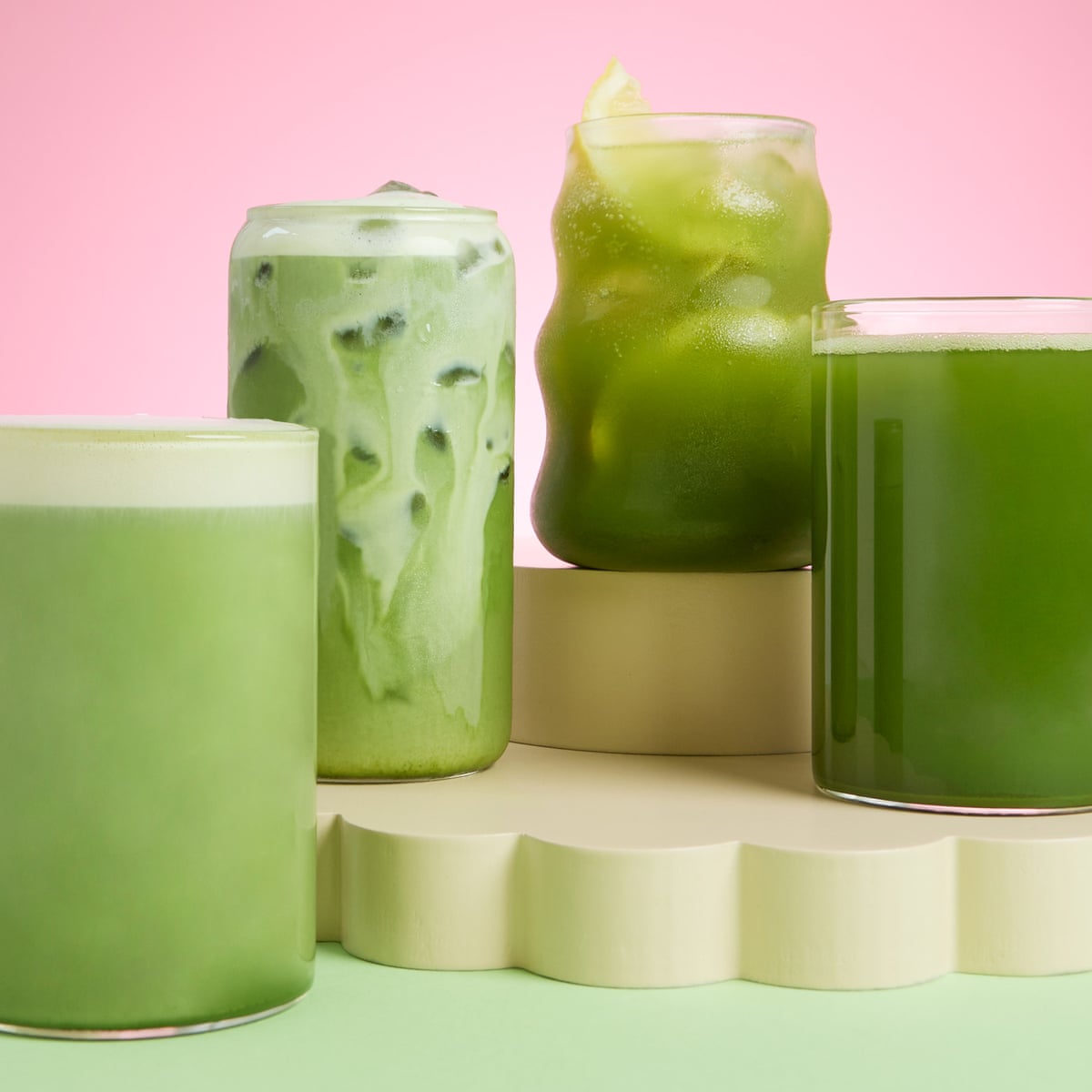
Combine the warm milk and sweetener with your matcha paste in your serving vessel. If making an iced latte, pour the mixture over ice cubes filled with cold milk. For a hot latte, pour the hot milk directly into the matcha paste. Give it one final gentle stir or whisk to ensure the sweetener is fully dissolved and the layers have merged into a uniform color.
The result should be a vibrant green drink with a smooth, consistent texture. The foam should be creamy and stable, indicating that the milk was heated and integrated correctly. Serve immediately to enjoy the full aromatic experience before the matcha begins to oxidize and lose its bright color.
Serve hot or over ice
Adjusting the temperature of your homemade matcha drink changes the sensory experience entirely. A hot preparation highlights the tea’s natural umami and vegetal notes, while an iced version offers a crisp, refreshing alternative. The technique for each varies slightly to ensure the matcha dissolves properly and maintains its vibrant green color.
Hot matcha preparation
For a traditional hot matcha latte, start by whisking 1 gram of matcha powder with 50 milliliters of filtered water heated to approximately 80°C (176°F). Avoid boiling water, as it can scorch the delicate leaves, resulting in a bitter, dull-brown brew. Whisk vigorously in a "W" motion until a fine, persistent foam forms on the surface.
While the matcha rests, heat your choice of milk—dairy, oat, or almond—in a small saucepan or milk frother until steaming. Pour the hot milk into a mug, then slowly pour the whisked matcha concentrate over the top. This layering technique creates a beautiful gradient effect. Stir gently before drinking to blend the earthy tea with the creamy milk.
Iced matcha preparation
Making iced matcha requires a slight adjustment to prevent dilution. Begin by whisking 1 gram of matcha with 30 milliliters of hot water (80°C) to create a thick, concentrated paste. This minimal amount of water ensures the flavor remains potent even when ice is added.
Fill a glass with ice cubes, then pour in 200 milliliters of cold milk or cold-brewed tea. Finally, pour the concentrated matcha paste over the ice. Because the matcha is already fully dissolved in hot water, it will mix immediately without clumping. The result is a smooth, vibrant drink with a balanced flavor profile that isn't watered down by melting ice.
Common mistakes to avoid
Even with high-quality ceremonial grade matcha, the drink can turn bitter, clumpy, or dull if small details are overlooked. The difference between a vibrant, jade-green latte and a muddy, astringent cup usually comes down to temperature control and powder preparation.
Using boiling water
This is the most frequent error. Boiling water (100°C / 212°F) scorches the delicate tea leaves, destroying the sweet, umami notes and leaving a harsh, burnt taste. Instead, heat your water to about 80°C (175°F). If you don’t have a thermometer, boil the water and let it sit for five minutes before whisking.
Skipping the sifting step
Matcha powder is finely ground and tends to clump together due to static and humidity. If you scoop directly from the tin, you’ll likely end up with dense lumps that are impossible to whisk away. Always sift 1–2 grams of matcha into your bowl before adding water. This ensures a smooth, consistent texture and helps the powder disperse evenly when you whisk.
Not whisking long enough
A quick stir won’t cut it. To achieve the characteristic frothy layer and smooth mouthfeel, you need to whisk vigorously. Use a traditional bamboo chasen in a “W” or “M” motion until small bubbles form on the surface. If the mixture looks flat or grainy, keep whisking. Proper aeration transforms the drink from a simple tea into a creamy, inviting beverage.
Why homemade matcha matters
Making matcha at home lets you control the quality of the powder and the temperature of the water. Store-bought blends often use lower-grade tea and excessive sugar, which can dull the natural flavor and add unnecessary calories. By whisking 1 gram of ceremonial-grade matcha with 50 milliliters of hot water (around 80°C), you preserve the delicate umami notes and vibrant green color.
Matcha offers a distinct energy profile compared to coffee. It contains L-theanine, an amino acid that promotes relaxation without drowsiness. This compound works with caffeine to provide a calm, focused alertness rather than the jittery spike often associated with brewed coffee. The combination supports steady energy levels, making it a practical choice for morning routines or afternoon work sessions.
The preparation process itself is a mindful ritual. Whisking the powder creates a fine foam on the surface, which traps aromatic compounds and enhances the sensory experience. This attention to detail ensures you get the full nutritional benefit of the whole leaf, including antioxidants and gut-friendly fiber, without the bitterness of over-steeping.
No comments yet. Be the first to share your thoughts!