

Make the recipe
The difference between a dusty, bitter matcha cookie and a bright, café-quality one comes down to two things: the quality of your powder and how you handle the dough. You want a vibrant green color and a flavor that tastes like fresh grass, not dried hay. This means skipping the culinary-grade dust found in baking aisles and buying ceremonial-grade matcha from a reputable source. The powder is the star; everything else is just support.
Creaming the butter and sugars correctly creates the texture. If the butter is too cold, it won't incorporate, leaving you with dense, greasy cookies. If it's too warm, they spread into flat puddles. You are aiming for a light, fluffy mixture that looks almost pale yellow before you add the dry ingredients. This step traps air, which helps the cookies rise slightly and stay tender.
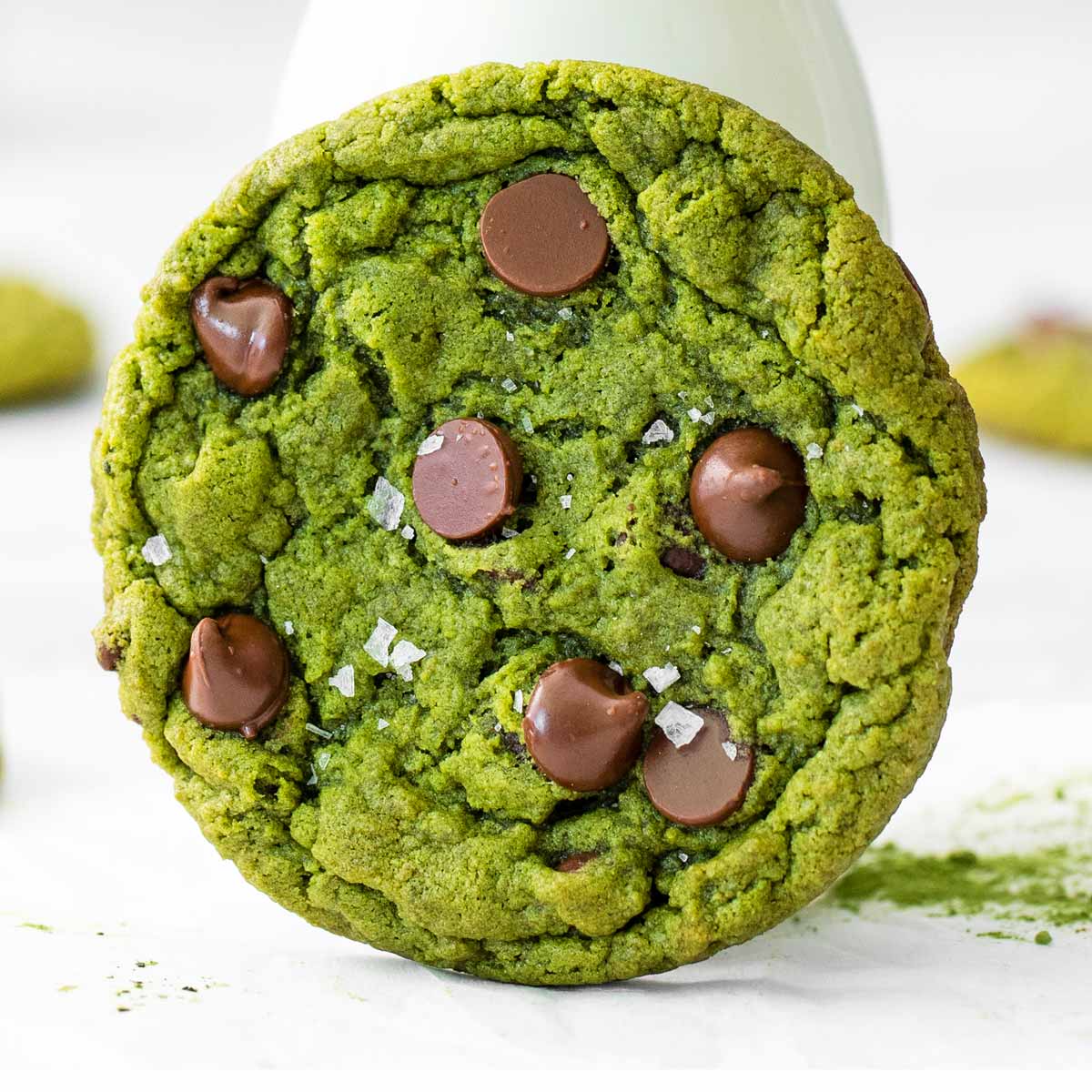
Whisking the dry ingredients separately is a non-negotiable step. Matcha powder tends to clump. If you dump it straight into the wet butter, you will end up with bitter green specks in every bite. Sifting it with the flour and baking soda ensures an even distribution of color and flavor. When you fold the dry mix into the wet, stop as soon as the white streaks disappear. Overmixing develops gluten, which turns soft cookies chewy and tough.
Chilling the dough is the secret weapon for shape retention. Because matcha cookies often include add-ins like white chocolate or macadamia nuts, the dough can be heavy. A 30-minute chill in the fridge firms up the butter, preventing the cookies from melting into a single sheet in the oven. This also allows the matcha flavor to meld and deepen slightly before baking.
Keep the texture right
Matcha powder is more than just a colorant; it is a dry ingredient that absorbs moisture like a sponge. If you treat it like simple flour, your cookies will turn out dry and crumbly. The goal is to balance the hydration so the dough stays soft but holds its shape.
Start by sifting the matcha with your flour. This breaks up the clumps that naturally form in high-quality ceremonial grades. Unsifted matcha creates bitter pockets and uneven texture. Whisk it thoroughly into the dry ingredients before you touch the butter.
Creaming the butter and sugar correctly is the next checkpoint. Beat the softened butter until it is pale and fluffy, about two minutes. This incorporates air, which helps the cookies spread evenly. If the butter is too warm, the cookies will spread into flat puddles. If it is too cold, they will stay dense and thick.
Chill the dough for at least 30 minutes before baking. This step solidifies the fat, preventing the cookies from spreading too much in the oven. It also allows the matcha flavor to meld with the butter, creating a deeper, more complex taste. Bake until the edges are just set but the centers still look slightly soft. They will firm up as they cool on the baking sheet.
Swaps that still work
You don’t need a perfect pantry to make café-quality matcha cookies. The goal is to maintain the balance between the earthy bitterness of the tea and the sweetness of the dough. Below are substitutions that preserve texture and flavor without turning your batch into a science experiment.
Butter and Oils
Unsalted butter provides the standard creamy mouthfeel and helps the cookies spread evenly. If you want a richer, nuttier profile, swap in ghee. For a dairy-free version, use a high-quality solid coconut oil rather than liquid oil. Liquid oils will make the dough too soft to scoop and result in flat, greasy cookies.
Flour Types
All-purpose flour is the safest bet for a tender, chewy center. If you swap in cake flour, the cookies will be more delicate and crumbly. Bread flour will make them tougher and chewier, which might overpower the subtle matcha notes. If you must use whole wheat, stick to 25% whole wheat and 75% all-purpose to avoid a dense, cardboard-like texture.
Sweeteners
Brown sugar adds moisture and a hint of caramel that pairs well with matcha. You can swap half of it for granulated sugar for a crispier edge. For a lower-glycemic option, erythritol or monk fruit blends work, but they often lack the moisture retention of sugar. You may need to add a teaspoon of extra butter or egg yolk to compensate for the dryness.
Serve and store it
Matcha cookies are delicate because the green tea powder can turn bitter if exposed to heat or moisture for too long. Treat them like a fresh pastry: serve them while they still have a slight chew in the center. If you bake them until they are completely crisp, you lose the soft, cake-like texture that mimics a café-style treat. Let them cool on the baking sheet for five minutes before moving them to a wire rack. This prevents them from steaming on the bottom and becoming soggy.
For storage, keep the cookies in an airtight container at room temperature for up to three days. Place a slice of white bread in the container with them; the bread absorbs excess moisture and keeps the cookies soft. Do not refrigerate them, as the fridge can dry them out and dull the vibrant green color. If you need to store them longer, freeze the baked cookies in a freezer-safe bag for up to two months.
To reheat, warm the cookies in a 300°F (150°C) oven for 3-5 minutes. This restores the soft interior without burning the edges. Avoid the microwave, which tends to make the cookies rubbery. Pair them with a hot black tea or a light espresso to balance the earthy bitterness of the matcha.
Common questions
Making café-quality matcha cookies at home requires balancing the delicate flavor of the tea with the richness of butter and sugar. Here are the most frequent hurdles bakers face when trying to replicate that specific taste.
No comments yet. Be the first to share your thoughts!