

Why matcha is trending
Matcha has exploded in popularity, and TikTok is a major reason why. What was once considered a niche health food or a staple in Japanese tea ceremonies is now dominating feeds with its vibrant green color and seemingly endless versatility. It's not just a drink anymore; it's a lifestyle aesthetic.
Matcha offers a sustained energy boost without coffee jitters. Its bright green color also photographs beautifully, fitting TikTok's aesthetic and current wellness trends.
Matcha’s history stretches back centuries, originating in Song Dynasty China where tea leaves were steamed, formed into bricks, and then ground into a powder. It was later adopted and refined by Japanese Zen Buddhist monks, who used it to stay alert during meditation. But the current wave isn't about ancient tradition; it’s about a modern reimagining—and TikTok is the catalyst.
Cloud matcha
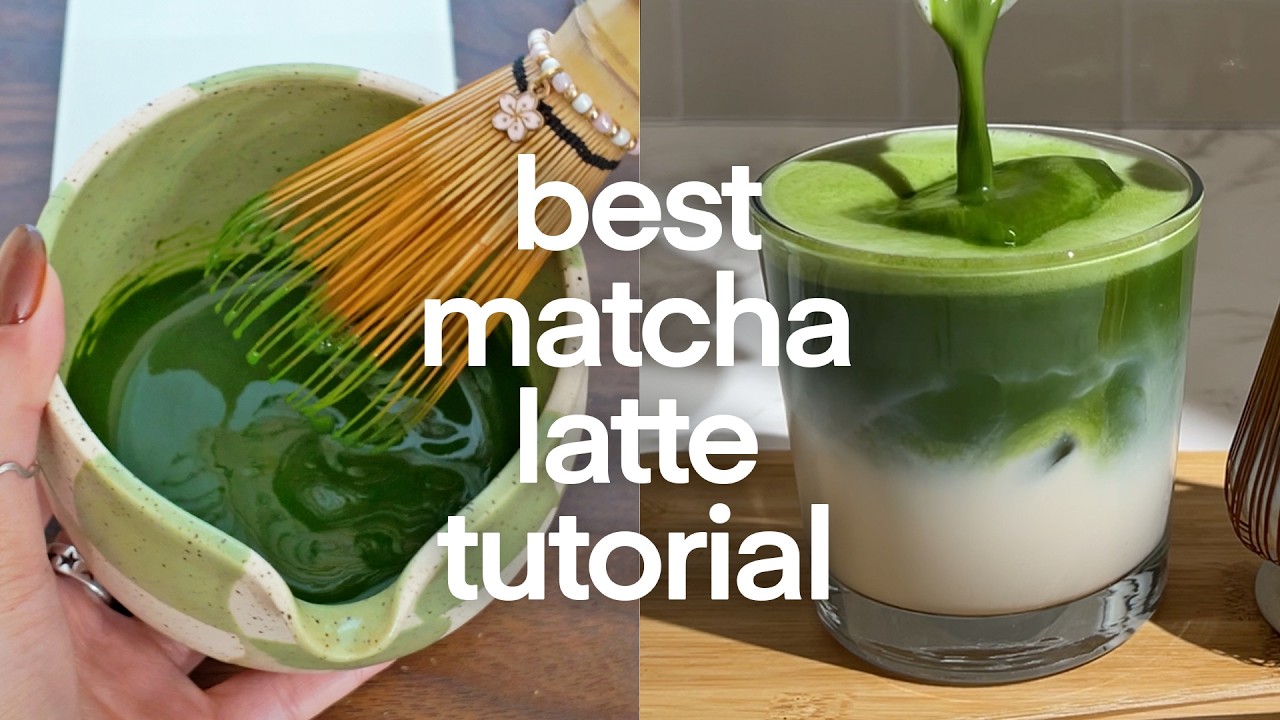
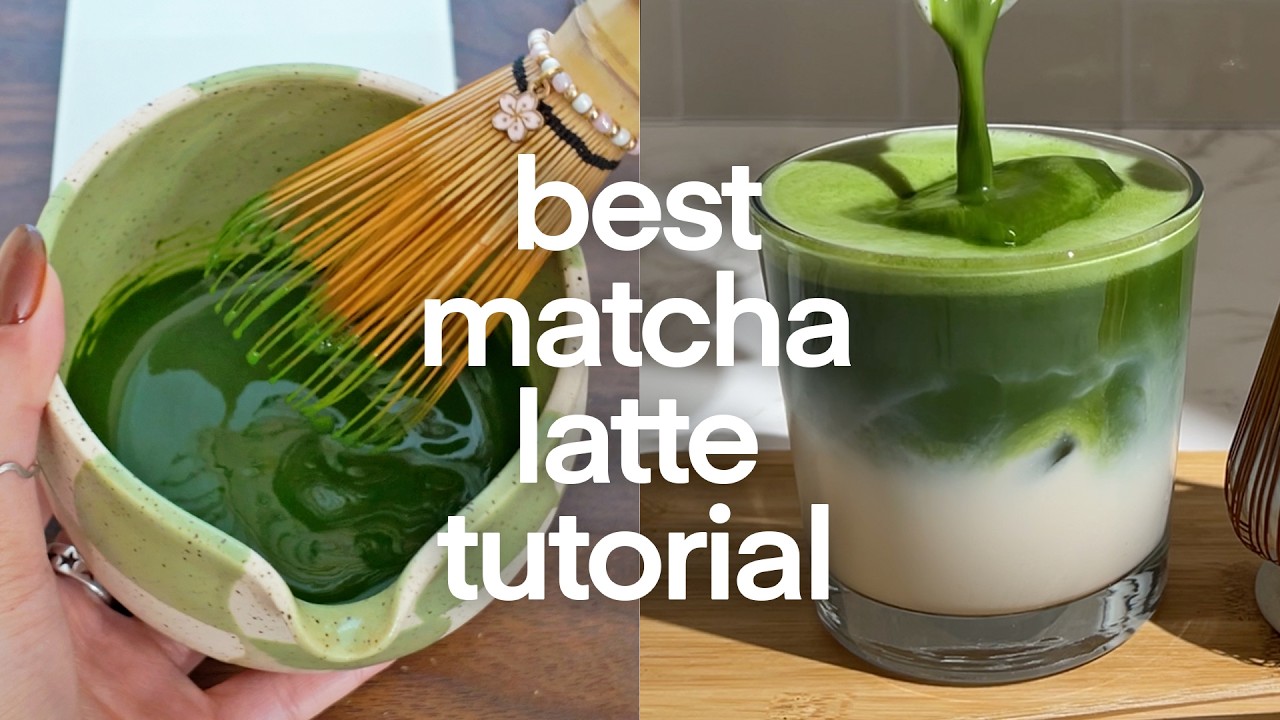
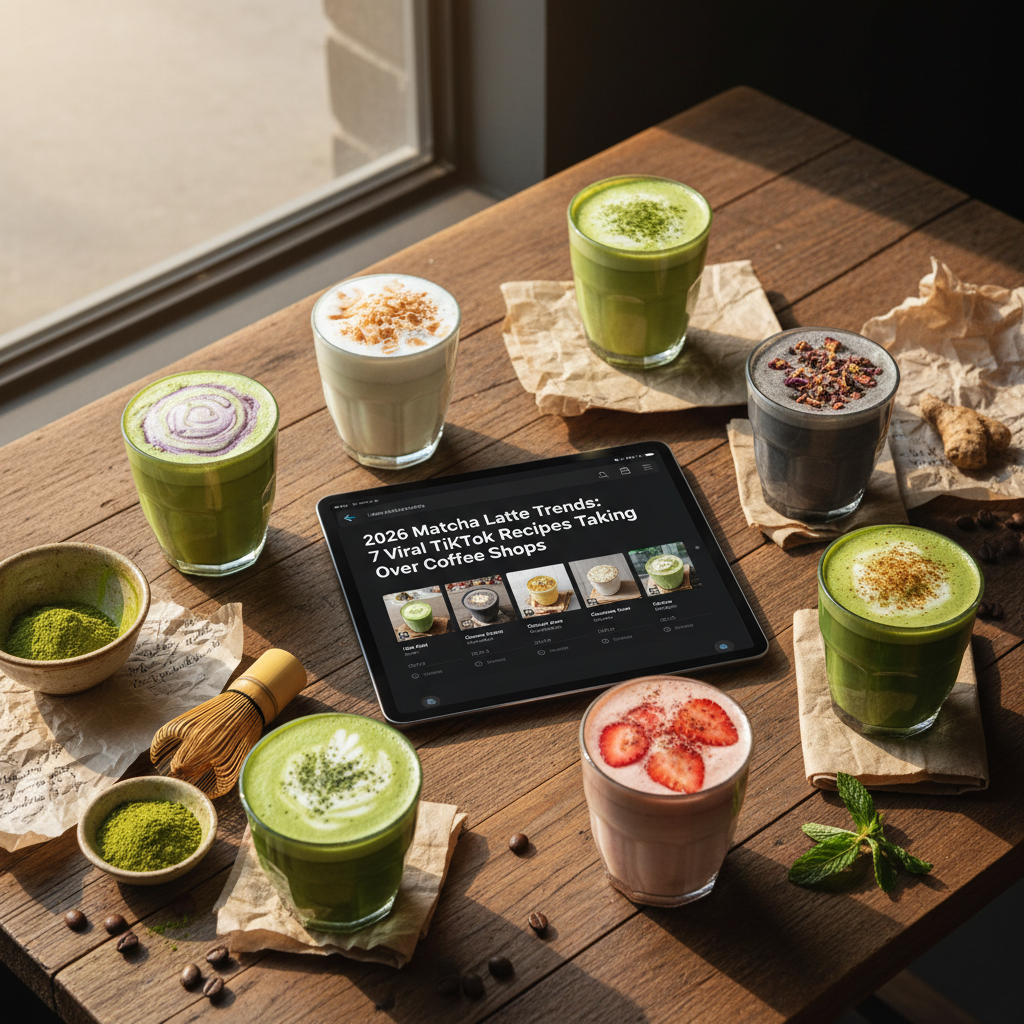
"Cloud Matcha" is arguably the most visually striking matcha trend to emerge from TikTok. It's essentially a whipped matcha latte, characterized by a light, airy, and almost marshmallow-like texture. The goal is to create a drink that looks like a cloud, and the technique is surprisingly simple, yet requires a bit of practice.
The key to achieving the 'cloud' effect is vigorous frothing. You'll need a good milk frother—an electric one works best—and a precise matcha-to-liquid ratio. I’ve found that starting with 1-2 teaspoons of matcha powder per 4 ounces of liquid (milk or a milk alternative) is a good starting point. Froth until the mixture nearly doubles in volume and forms stiff peaks.
Ceremonial grade matcha is preferred for Cloud Matcha because of its smoother texture and naturally sweeter flavor. However, culinary grade matcha can be used, but you may need to adjust the amount of sweetener to balance the slightly more bitter taste. The quality of your milk also matters; oat milk tends to froth particularly well, creating a very stable foam.
Achieving the right consistency takes practice. Experiment with different frothing times and matcha-to-liquid ratios until you find what works best for your setup. Understanding how ingredients interact and how the frothing process affects texture is key.
- Whisk 1-2 tsp matcha powder with a splash of hot water to form a paste.
- Heat 4oz of your milk of choice (oat milk is recommended).
- Add the matcha paste to the milk.
- Froth vigorously until light and fluffy.
- Enjoy immediately!
Strawberry matcha latte
Building on the foundation of a classic iced matcha latte, the Iced Matcha with Strawberry variation has become incredibly popular, especially during warmer months. It's a refreshing and visually appealing drink that balances the earthy notes of matcha with the sweetness and tang of strawberries.
There are a few ways to incorporate the strawberry flavor. You can use fresh or frozen strawberries, blending them into a puree and adding it to the latte. Alternatively, you can muddle sliced strawberries directly in the glass before adding the matcha and milk. Some recipes even suggest adding a touch of vanilla extract to enhance the strawberry flavor.
Balancing the bitterness of the matcha with the sweetness of the strawberries is key. I’m not sure about the best type of strawberry to use, but experimentation is encouraged. Adjust the amount of sweetener (if using) to your liking. A little goes a long way.
Spicy matcha latte
The addition of spice to matcha lattes might seem counterintuitive, but it’s a surprisingly popular trend on TikTok. The combination of earthy matcha and warming spices creates a complex and intriguing flavor profile.
Chili powder, cayenne pepper, cinnamon, and ginger are all being used to add a kick to matcha lattes. The spice complements the matcha's natural earthiness, creating a balanced and stimulating drink. The level of spice varies widely, from a subtle warmth to a noticeable heat.
I’ve seen some recipes using a generous amount of cayenne pepper, which can easily overpower the matcha. I recommend starting with a very small pinch—⅛ teaspoon—and gradually increasing the amount until you reach your desired level of spice. It’s much easier to add more spice than to take it away.
What's Your Matcha Spice Level?
TikTok is buzzing with exciting new matcha latte flavors for 2026, and many incorporate a touch of spice! But how much heat can *you* handle? This quick quiz will help determine the perfect amount of spice to add to your next viral matcha creation. Your answers will guide you to a recommended starting point for experimenting with chili, ginger, or other warming flavors in your latte.
Matcha cookies
The matcha craze isn't limited to beverages. Matcha cookies have also taken TikTok by storm, offering a delicious and visually appealing way to enjoy this vibrant ingredient. The green hue adds a unique aesthetic to classic cookie recipes.
Matcha is incorporated into cookie recipes in a few different ways. It's used as a flavoring agent, of course, but also for its color and, sometimes, for its subtle textural effect. Recipes range from simple shortbread cookies to more complex chocolate chip or sugar cookies.
Love and Lemons has some excellent inspiration for matcha baking. They suggest using a combination of matcha powder and white chocolate for a particularly delicious cookie. The key is to use high-quality matcha to ensure a vibrant color and a balanced flavor. Don't skimp on the matcha!
Matcha and coconut
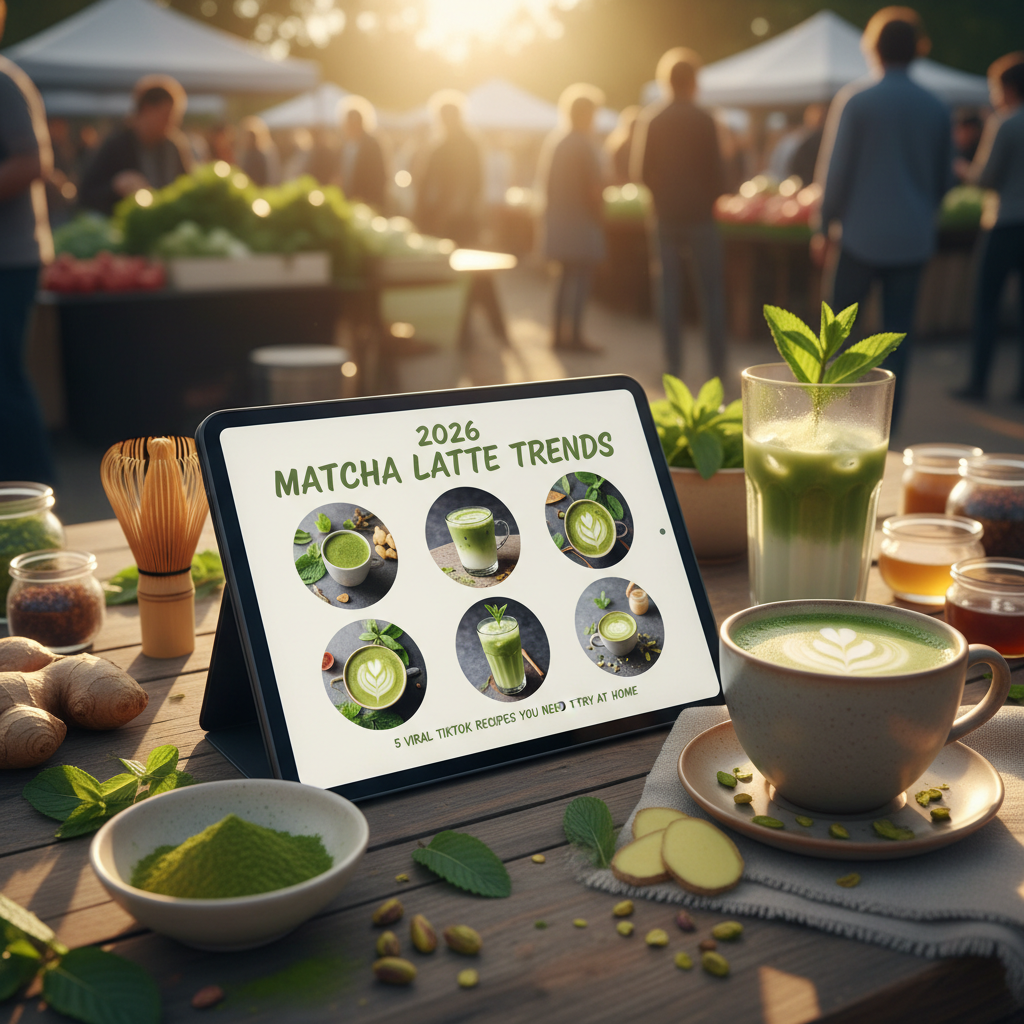
A trend gaining momentum is the pairing of matcha with coconut. This combination leverages the natural sweetness and creaminess of coconut to balance the earthy, slightly bitter notes of matcha, creating a harmonious and tropical flavor profile.
Coconut milk, coconut cream, and shredded coconut are all being utilized in matcha lattes and other recipes. Coconut milk provides a lighter, more refreshing base for lattes, while coconut cream adds a richer, more decadent texture. Shredded coconut can be used as a garnish or incorporated directly into the batter for cookies or other baked goods.
A tutorial on YouTube by Michelle Kanemitsu shows how to make a matcha coconut latte, emphasizing the use of full-fat coconut milk for the best flavor and texture. The coconut's inherent sweetness complements the matcha beautifully, reducing the need for added sugar.
Choosing quality matcha
Not all matcha is created equal. The quality of your matcha powder significantly impacts the taste, color, and overall experience. Understanding the different grades and what to look for is crucial.
There are two primary grades of matcha: ceremonial and culinary. Ceremonial grade matcha is made from the youngest tea leaves and is intended for traditional tea ceremonies. It has a smoother, sweeter flavor and a vibrant green color. Culinary grade matcha is made from more mature leaves and is better suited for baking and blending into lattes, as its stronger flavor can stand up to other ingredients.
When purchasing matcha, pay attention to the color, origin, and freshness. High-quality matcha should be a bright, vibrant green. Avoid matcha that is yellowish or brownish, as this indicates oxidation and lower quality. Matcha from Japan, particularly from regions like Uji and Nishio, is generally considered to be the best.
Freshness is also key. Matcha loses its flavor and color over time, so it’s best to purchase it in small quantities and store it in an airtight container in a cool, dark place. Steer clear of excessively cheap matcha, as it's likely to be of low quality and may not deliver the desired results. Naokimatcha.com offers a guide on navigating the world of matcha.
Matcha Brand Comparison for Trending Latte Recipes (2026)
| Brand Name | Price Point | Matcha Grade | Origin | Customer Sentiment |
|---|---|---|---|---|
| Ippodo Tea | Premium | Ceremonial | Japanese Origin | Highly Positive Reviews |
| Aiya Matcha | Mid-Range | Ceremonial/Premium | Japanese Origin | Generally Positive Reviews |
| Jade Leaf Matcha | Budget-Friendly | Culinary/Premium | Japanese Origin | Positive Reviews |
| Rishi Tea | Mid-Range | Ceremonial/Premium | Japanese/Chinese Origin | Positive Reviews |
| Encha Matcha | Premium | Ceremonial | Japanese Origin | Very Positive Reviews |
| Midori Spring | Budget-Friendly | Culinary | Japanese Origin | Mixed Reviews |
| MatchaBar | Mid-Range | Culinary/Premium | Japanese Origin | Positive Reviews |
Illustrative comparison based on the article research brief. Verify current pricing, limits, and product details in the official docs before relying on it.

No comments yet. Be the first to share your thoughts!