
Matcha's Moment: Why 2026 Will Be Huge
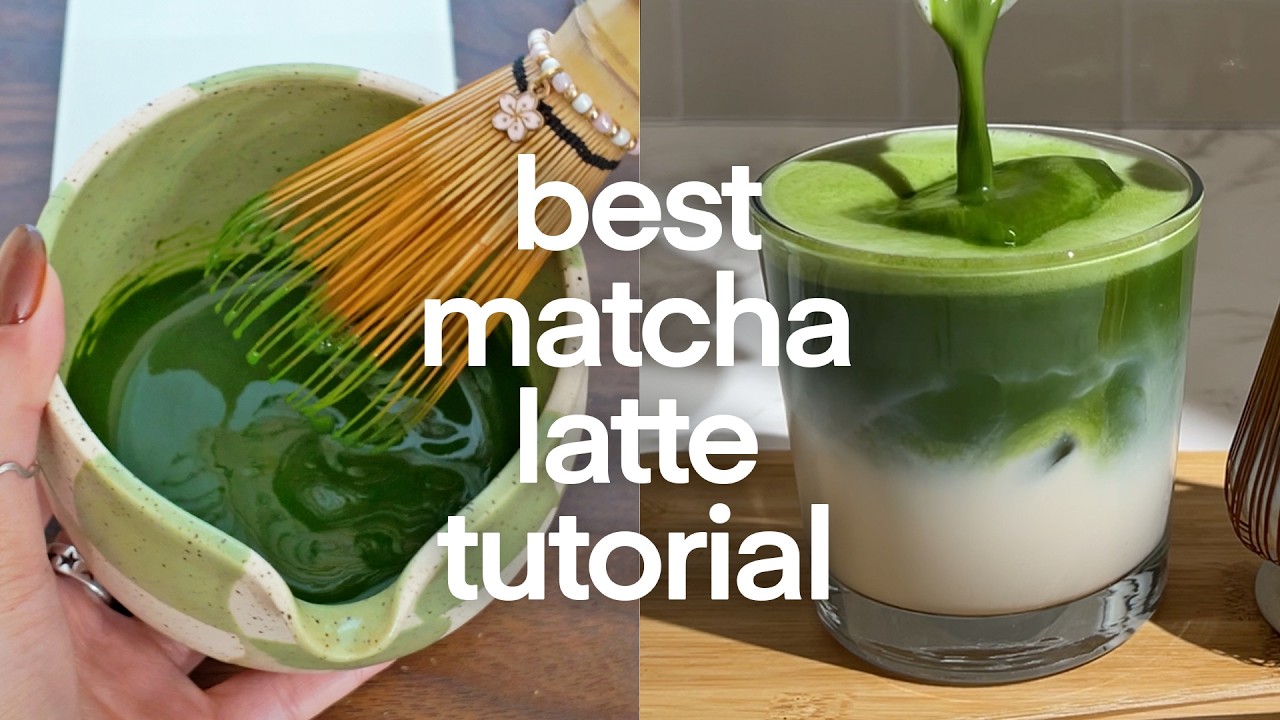
Matcha's popularity has been growing steadily. Once a specialty cafe drink, it's now a social media staple, with #matchalatte trending on TikTok and Instagram. Beyond its aesthetic appeal and perceived health benefits, matcha is becoming a lifestyle choice.
While matcha has historical roots in Japanese tea ceremonies, its current surge is fueled by visual culture and wellness trends. Google Trends shows 'matcha latte' search interest up over 300% since 2018, indicating a growing demand for recipes and inspiration.
Matcha's health benefits include antioxidants and L-theanine, an amino acid that promotes relaxation and focus without coffee jitters. This combination appeals to a broad audience. The emerging recipes focus on taste, feeling, and shareable experiences.

Ube Matcha Swirls
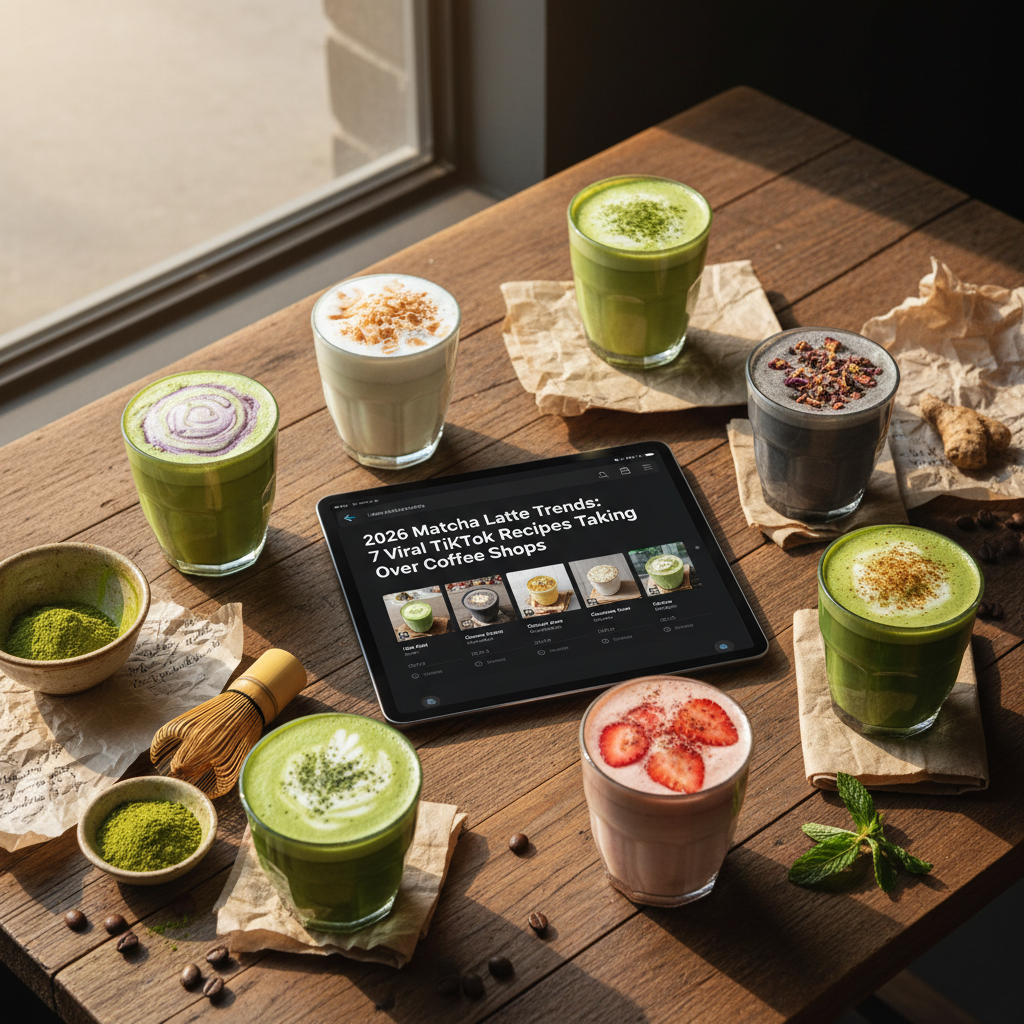
The ube and matcha combination is a popular trend. Ube, a purple yam from the Philippines, adds natural sweetness and a striking color that complements matcha. TikTok videos of swirling purple and green lattes have millions of views, driven by the aesthetic and the harmonious flavor.
Ube's earthy, vanilla-like sweetness balances matcha's slight bitterness. This latte can be served hot, iced, or blended into a frappe. Coconut milk is often added for creaminess and tropical notes.
To make this latte: whisk 1-2 teaspoons of matcha powder with a small amount of hot water until smooth. Steam or froth your milk of choice. Mix in 1-2 tablespoons of ube extract or puree. Swirl the matcha and ube mixtures in a glass. Add shredded coconut or matcha powder for garnish.
- Hot Ube Matcha: Combine ingredients as above, using warm milk.
- Iced Ube Matcha: Combine ingredients as above, pour over ice.
- Ube Matcha Frappe: Blend ingredients with ice for a creamy, frozen treat.
Spicy Chocolate Matcha
Spicy chocolate matcha is gaining traction for its bold flavor. The combination of heat, sweetness, and matcha creates a complex experience. Discussions on Reddit explore finding the right balance between spice and chocolate.
Choose dark chocolate with a high cocoa percentage for a robust flavor base. For spice, cayenne pepper offers direct heat, chili flakes provide texture, and ancho chili powder adds smoky sweetness.
This trend appears to have gained momentum on Instagram through food bloggers experimenting with flavor pairings. A pinch of sea salt can enhance the flavors. It's a drink for those seeking something different.
Blue Butterfly Pea Matcha
The Blue Butterfly Pea Matcha latte offers a stunning visual. Butterfly pea flower, a blue herb from Southeast Asia, changes color from deep blue to purple or pink when mixed with acidity, like lemon juice. It's popular on Instagram.
Butterfly pea flower has a mild, earthy taste that doesn't significantly alter matcha's flavor. Source high-quality butterfly pea flower from reputable suppliers; it's available as powder or dried flowers. The powder is convenient.
A word of caution: some individuals may have allergic reactions to butterfly pea flower. Start with a small amount. To make this latte, brew your matcha, steep butterfly pea flower powder in hot water, combine them, and add lemon juice to see the color change. It's a fun drink to make and consume.
- Sourcing Butterfly Pea Flower: Look for organic, food-grade butterfly pea flower from reputable suppliers online or at Asian grocery stores.
- Potential Allergies: Be mindful of potential allergic reactions and start with a small amount.
- Color Variation: The final color will depend on the acidity of the lemon juice – experiment to find your perfect shade.
Matcha Espresso Fusions
The 'Dirty Matcha' latte, combining matcha and espresso, is popular in coffee shops and at home. It offers the energy of espresso with the calming effects of matcha, providing a flavorful pick-me-up.
The espresso-to-matcha ratio is key, with a common starting point of 1-2 shots of espresso to 1-2 teaspoons of matcha powder. Personal preference matters. Lighter roast espresso complements matcha's earthy notes well. Oat milk is a popular choice for its creamy texture and subtle sweetness.
Baristas are experimenting with extraction methods and flavor balancing. Some use cold brew espresso for a smoother, less acidic flavor, while others add vanilla or maple syrup. This trend is constantly evolving with new variations expected.
Matcha Cookie Dough Lattes
Dessert-inspired beverages are popular, and the Matcha Cookie Dough Latte is a recent example. It involves blending edible cookie dough into a matcha latte for a decadent treat that appeals to cookie lovers.
undefined bacteria. To mitigate this risk, many recipes call for heat-treating the flour to kill any potential contaminants. Using pasteurized eggs is another option, but it's still best to exercise caution. Store-bought edible cookie dough is a safer alternative, but it often contains a lot of sugar.
I'm a bit skeptical about the long-term viability of this trend, given the food safety issues. While it’s fun and indulgent, it’s not something I would consume regularly. If you do decide to try it, I recommend using a high-quality edible cookie dough and being mindful of portion sizes. A little goes a long way. The recipe is simple: blend 1-2 tablespoons of edible cookie dough with your matcha latte ingredients.
- Food Safety: Use heat-treated flour or pasteurized eggs if making homemade cookie dough.
- Store-Bought Options: Choose a reputable brand of edible cookie dough.
- Portion Control: Be mindful of sugar content and consume in moderation.
Beyond the Latte: Matcha in Unexpected Forms
Matcha’s versatility extends far beyond the latte. We're seeing it pop up in all sorts of unexpected forms, driven by creativity and social media sharing. Matcha smoothies are a natural extension of the latte trend, offering a refreshing and healthy way to enjoy the flavor. Matcha baked goods, like muffins, cakes, and even brownies, are also gaining popularity.
I’ve even seen chefs experimenting with matcha-infused savory dishes, such as matcha pasta and matcha risotto. While these applications are still relatively niche, they demonstrate the potential of matcha as a culinary ingredient. On TikTok, I spotted a creator making matcha ice cream using an ice cream maker, and it looked incredible.
The key takeaway is that matcha is no longer limited to traditional tea ceremonies or specialty cafes. It’s becoming a mainstream ingredient that’s embraced by home cooks and professional chefs alike. The possibilities are endless, and I’m excited to see what new and innovative creations emerge in the coming years. Keep an eye on social media for the latest trends.
No comments yet. Be the first to share your thoughts!