

Matcha’s Spring Reset: Why Now?
Spring invites a natural desire to lighten up after winter's heavier foods and slower pace. This isn't about restrictive dieting, but about supporting your body with nourishing foods. Matcha fits this intention perfectly.
Matcha has been integral to Japanese culture for centuries, used in tea ceremonies as a tool for meditation and purification. Incorporating matcha into your routine can offer a similar sense of calm focus and revitalization.
The shift in seasons, increased daylight, and a natural inclination towards more activity all contribute to a desire for a 'reset.' Matcha's unique nutrients and gentle energy boost align with this intention, offering a way to embrace spring's energy and support well-being without deprivation.
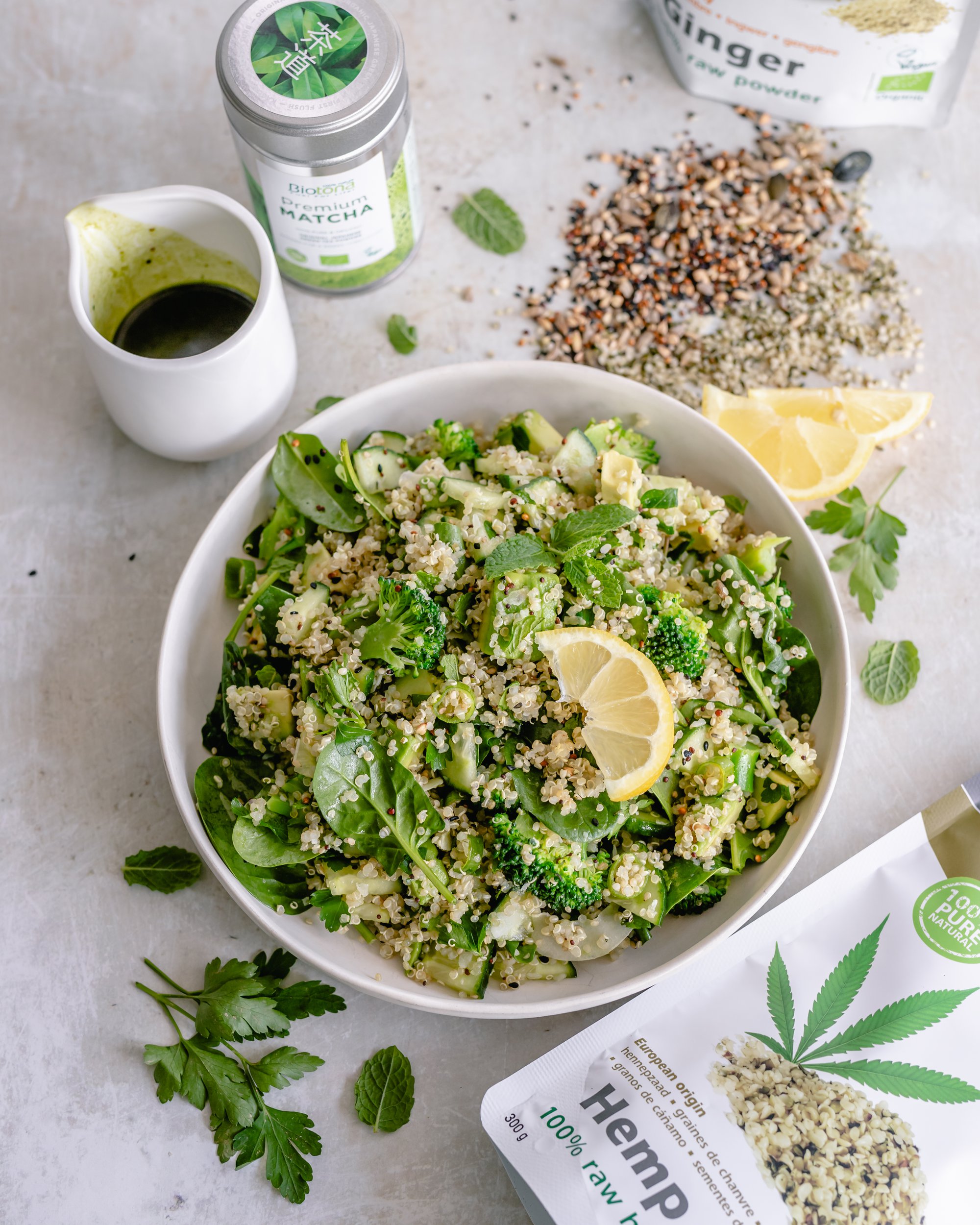
Antioxidant Power: Matcha’s Health Profile
Matcha is a nutritional powerhouse. Unlike steeped green tea, you ingest the entire leaf ground into a fine powder, getting a concentrated dose of beneficial compounds. The primary benefits come from its antioxidants, particularly catechins.
Matcha is rich in epigallocatechin gallate (EGCG). Harvard Health Publishing notes that catechins protect against cell damage and reduce inflammation. A 2018 review in PMC details matcha's chemical composition and impressive antioxidant content.
Antioxidants in matcha combat free radicals, unstable molecules linked to aging and chronic diseases. By neutralizing these, matcha supports the body's natural cleansing and repair processes. While specific 'detox' numbers are unclear, the health benefits are evident.
Matcha also contains vitamins, minerals, and fiber, offering a complete nutritional package. These compounds support overall health, including immunity and heart health.
Beyond the Buzz: Matcha & Sustained Energy
Matcha contains caffeine, but the energy it provides differs from coffee. This is due to L-theanine, an amino acid found in high concentrations in matcha.
L-theanine promotes relaxation without drowsiness, working with caffeine to create calm alertness. This results in sustained energy without jitters or a crash. Matcha helps users focus for longer periods without feeling anxious.
This combination makes matcha favored for improved focus and productivity, providing gentle, sustained energy without feeling wired or depleted. Matcha contains approximately 70mg of caffeine per teaspoon, so individuals sensitive to caffeine should consume it with caution.
- Caffeine (70mg/tsp): Provides a gentle energy boost.
- L-Theanine: Promotes relaxation and focus.
- Synergistic Effect: Calmer, more sustained energy than coffee.
Matcha vs. Coffee: A Comparative Overview
| Characteristic | Matcha | Coffee |
|---|---|---|
| Caffeine Content | Low to Medium | Medium to High |
| L-Theanine | Present | Absent |
| Energy Release | Sustained | Fast Spike |
| Jitters/Crash | Unlikely | Likely |
| Focus | Enhanced | Moderate |
| Antioxidant Levels | High (particularly catechins) | Moderate |
| Impact on Cortisol | May help mitigate cortisol spikes | Can increase cortisol levels |
| Traditional Preparation | Whisked powder in water | Brewed from roasted beans |
Illustrative comparison based on the article research brief. Verify current pricing, limits, and product details in the official docs before relying on it.
7 Recipes for a Spring Matcha Detox
These recipes incorporate matcha into delicious and nourishing meals and drinks, designed to support your spring reset and provide antioxidant benefits.
Matcha Green Smoothie: A quick and easy way to start your day. Blend 1 tsp matcha, 1 cup spinach, ½ banana, ½ cup almond milk, and a squeeze of lemon. This is a great way to sneak in extra greens and fuel your morning.
Matcha Energy Bites: Perfect for a healthy snack. Combine ½ cup oats, ¼ cup almond butter, 2 tbsp honey, 1 tbsp chia seeds, and 1 tsp matcha. Roll into bite-sized balls and chill for 30 minutes. They’re packed with sustained energy.
Matcha Chia Seed Pudding: Prepare this the night before for a grab-and-go breakfast. Mix 2 tbsp chia seeds, 1 cup almond milk, 1 tsp matcha, and 1 tbsp maple syrup. Let it sit overnight and top with berries and nuts.
Matcha Oatmeal: Elevate your morning oatmeal with a teaspoon of matcha. Stir it in while cooking for a subtle earthy flavor and added health benefits. Top with fruit and a drizzle of honey.
Matcha Lemonade: A refreshing and invigorating drink. Whisk 1 tsp matcha with ¼ cup hot water, then add to a glass with lemon juice and sparkling water. Sweeten to taste with honey or agave.
Matcha Avocado Toast: A surprisingly delicious combination! Mash avocado on toast and sprinkle with ½ tsp matcha and a pinch of red pepper flakes. The earthiness of the matcha complements the creamy avocado beautifully.
Sourcing & Quality: What to Look For
Not all matcha is created equal. Quality significantly impacts the taste, color, and health benefits. There are two main grades: ceremonial grade and culinary grade. Ceremonial grade is the highest quality, made from the youngest tea leaves, and is best for drinking straight. It’s typically more expensive.
Culinary grade is made from older leaves and is designed for use in cooking and baking. It has a bolder flavor and a slightly less vibrant color. It's perfectly fine for smoothies, lattes, and other recipes where the matcha flavor is blended with other ingredients.
When choosing matcha, look for a vibrant green color. A dull yellow or brownish hue indicates lower quality. The texture should be very fine and smooth. Origin matters too – most high-quality matcha comes from Japan. Reputable online retailers like Ippodo Tea Co. and specialty tea shops are good places to start your search. Be prepared to pay a premium for ceremonial grade – it’s an investment in quality.
Troubleshooting Matcha: Common Mistakes
Making matcha can lead to clumping if not properly sifted or if the water is too cold.
Sift matcha using a small mesh strainer to prevent clumping. Aim for water around 175°F (80
The matcha-to-water ratio is also important. A general guideline is 1-2 teaspoons of matcha per 8 ounces of water. Experiment to find what suits your taste. While a chasen (bamboo whisk) and chawan (tea bowl) are traditional, they aren’t essential. A small whisk and any bowl will do to get started.
- Sift the matcha: Prevents clumping.
- Water temperature: 175°F (80°C) is ideal.
- Matcha-to-water ratio: 1-2 tsp per 8oz water.
Matcha Variations: Beyond the Latte
The beauty of matcha is its versatility. Don’t limit yourself to just lattes! Experiment with different milk alternatives – oat milk, soy milk, or coconut milk all pair well with matcha. For your smoothies, try adding berries, banana, or a handful of spinach for an extra nutritional boost.
One of my favorite variations is a Matcha Coconut Smoothie – blend 1 tsp matcha, ½ cup coconut milk, ½ frozen banana, and a handful of pineapple. It’s incredibly refreshing. You can also incorporate matcha into savory dishes. A sprinkle of matcha on a salad adds a subtle earthy flavor, and it pairs surprisingly well with avocado.
Consider adding a pinch of cinnamon or cardamom to your matcha lattes for a warming spice. Another standout variation from the recipes above is the Matcha Avocado Toast – the combination of flavors is truly delightful. Don't be afraid to get creative and find what works best for your palate.



No comments yet. Be the first to share your thoughts!