

Matcha's Moment: TikTok & Beyond
Matcha has been around for centuries, originating as a staple in Japanese tea ceremonies. But the current explosion in its popularity feels different. It's not just a beverage anymore; it's a cultural phenomenon, and TikTok is a huge driver of that. What used to be a fairly niche drink is now showing up in everything from lattes to cookies, and the aesthetic appeal is a big part of it.
The rise of matcha aligns with a broader trend toward wellness and mindful consumption. People are looking for alternatives to coffee that still provide an energy boost without the jitters, and matcha, with its unique L-theanine and caffeine combination, fits the bill. It’s also visually striking – that vibrant green color is incredibly Instagrammable, and TikTok thrives on visual content. This is a drink people want to show off.
I think the accessibility has also played a role. While traditional matcha ceremonies might seem intimidating, making a simple matcha latte at home is surprisingly easy. This has lowered the barrier to entry, allowing more people to experiment with it. The sheer variety of recipes circulating on TikTok—and the ease with which they can be replicated—only fuels the trend. It’s a perfect storm of health consciousness, aesthetics, and convenience.
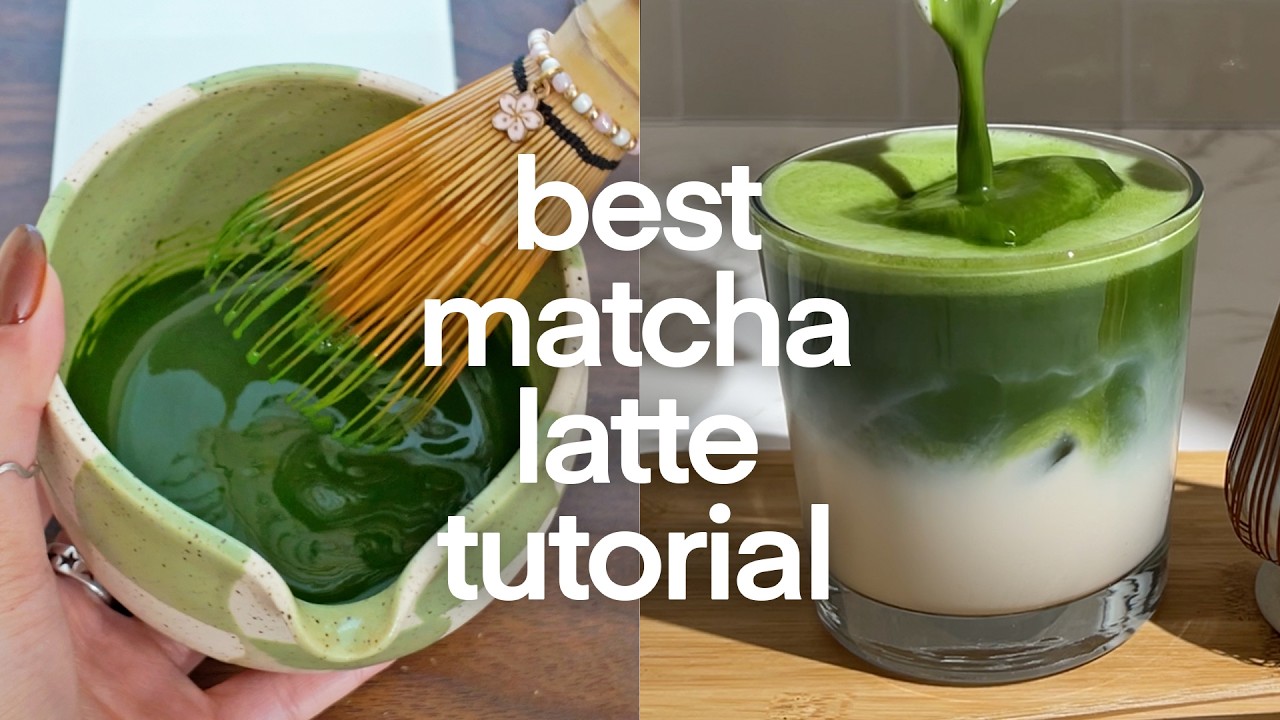
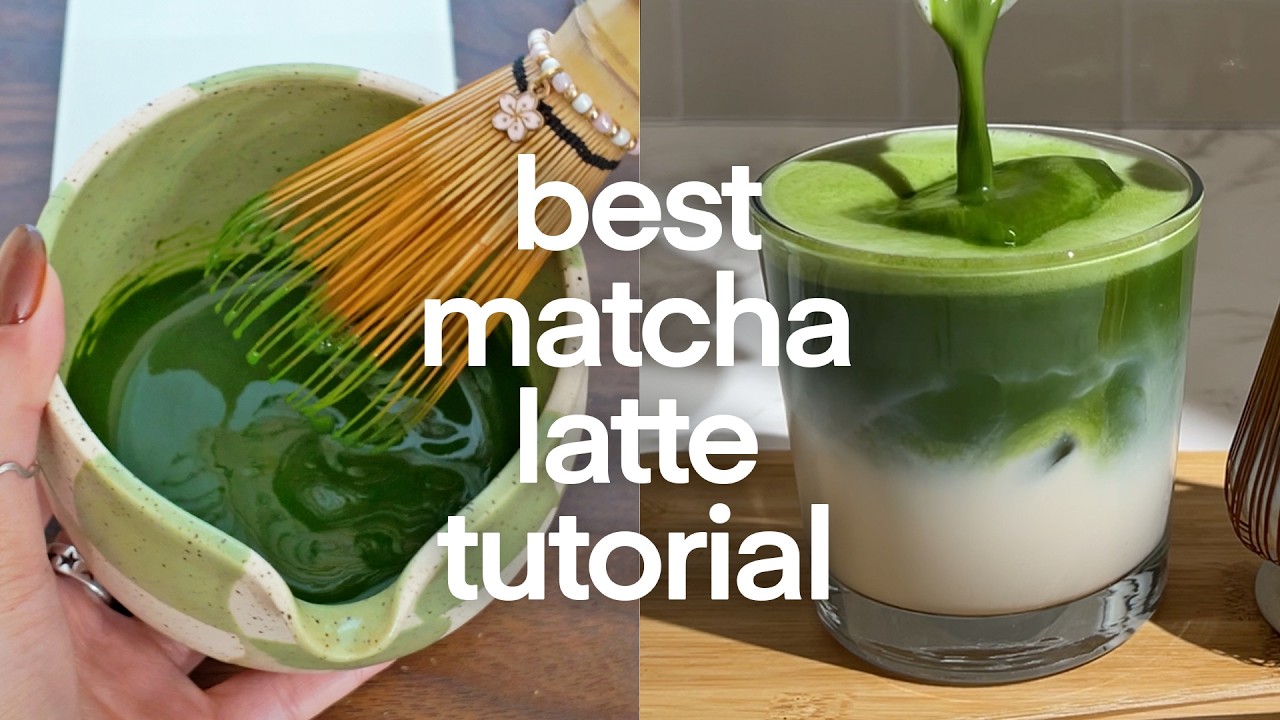
The 5 TikTok Matcha Latte Recipes
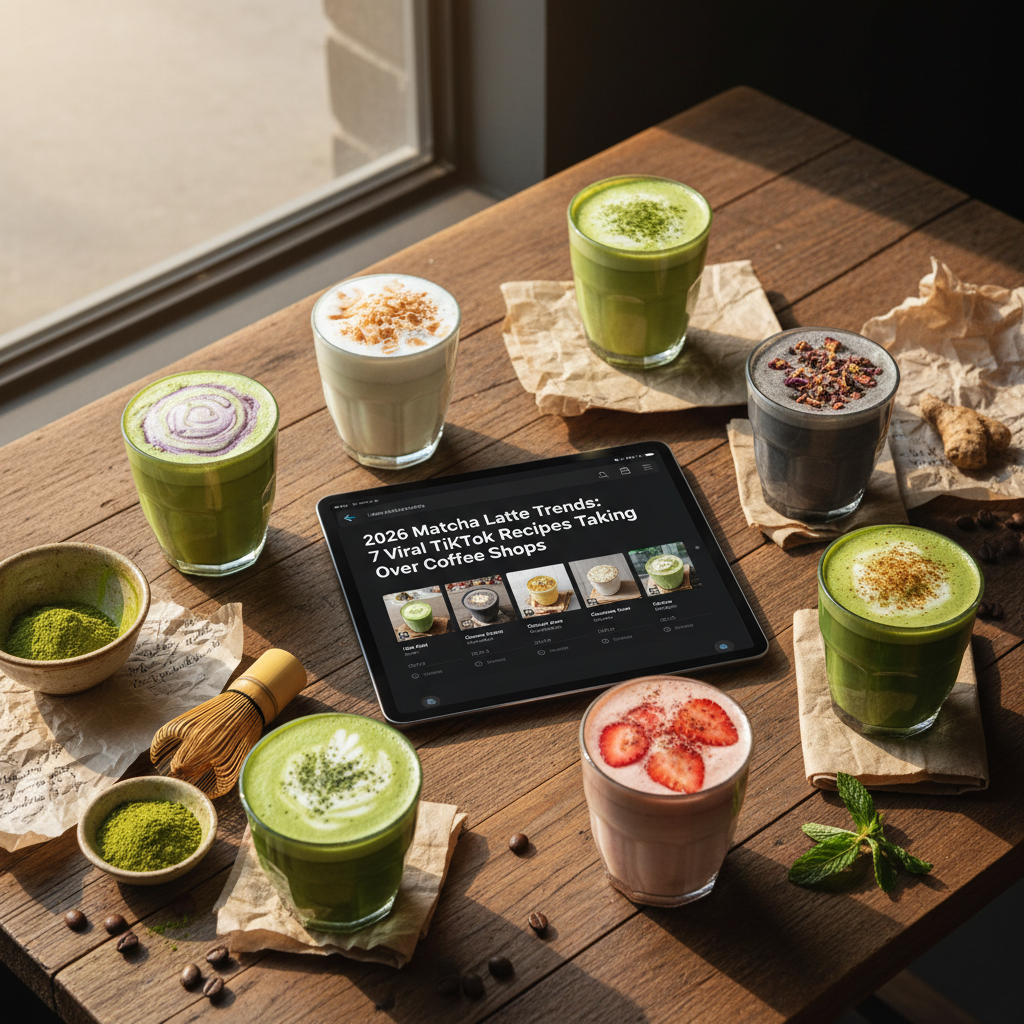
Here are five popular TikTok matcha latte recipes, with instructions to make them at home. Difficulty is noted based on ingredients and steps.
Blue Matcha Latte (Creator: @bluematchalove): This visually stunning latte gets its color from blue spirulina, a type of algae. It’s a great option for those seeking an extra antioxidant boost. The taste is subtly different from traditional matcha, with a slightly earthy note. It’s beginner-friendly and takes about 5 minutes to make.
Recipe: Combine 1 teaspoon matcha powder, ½ teaspoon blue spirulina powder, 1 tablespoon hot water, and ½ cup of your preferred milk (oat milk works well). Whisk vigorously until frothy. Sweeten with a touch of maple syrup if desired. Variations: Add a dash of vanilla extract or a sprinkle of edible glitter for extra flair.
Strawberry Matcha Latte (Creator: @matchamagic): This latte is a delightful blend of sweet and earthy flavors. The strawberry puree adds a natural sweetness and vibrant color. This is also a beginner-level recipe, taking around 7 minutes. Recipe: Blend 1 cup frozen strawberries with 1 tablespoon water until smooth. In a separate bowl, whisk 1 teaspoon matcha powder with 2 tablespoons hot water. Combine the strawberry puree and matcha mixture with 1 cup of milk. Variations: Use different types of berries—raspberries or blueberries work well—or add a squeeze of lemon juice for brightness.
Iced Lavender Matcha Latte (Creator: @lavendermatcha): The floral aroma of lavender complements the earthy notes of matcha beautifully. This is a refreshing and calming latte, perfect for a warm afternoon. This recipe is intermediate, requiring a bit more precision with the lavender. Recipe: Brew a strong lavender tea using 1 teaspoon dried lavender flowers and ½ cup hot water. Let steep for 5 minutes. Whisk 1 teaspoon matcha powder with 2 tablespoons of the lavender tea. Add 1 cup of ice and ½ cup of milk. Variations: Adjust the amount of lavender to your preference. A little goes a long way!
Spiced Golden Matcha Latte (Creator: @goldenhourmatcha): This latte is inspired by the popular golden milk drink, incorporating turmeric, ginger, and cinnamon. It’s a warming and anti-inflammatory beverage. This is an intermediate recipe, as it involves combining several spices. Recipe: Whisk 1 teaspoon matcha powder with 1 teaspoon turmeric powder, ¼ teaspoon ginger powder, and ¼ teaspoon cinnamon with 2 tablespoons hot water. Add 1 cup of milk and sweeten with honey or maple syrup. Variations: Add a pinch of black pepper to enhance turmeric absorption. You can also use a pre-made golden milk spice blend.
Chocolate Matcha Latte (Creator: @chocolatecoveredmatcha): A decadent treat, this latte combines the rich flavor of chocolate with the earthy notes of matcha. It’s a surprisingly harmonious pairing. This is a beginner-friendly recipe. Recipe: Whisk 1 teaspoon matcha powder with 1 tablespoon cocoa powder and 2 tablespoons hot water. Add 1 cup of milk and sweeten with your preferred sweetener. Variations: Use different types of chocolate—dark chocolate, milk chocolate, or white chocolate—to vary the flavor profile.
Decoding Matcha Grades: What You’re Paying For
Matcha isn't all created equal. The price can vary dramatically, and understanding the different grades is key to getting the best value for your money. Generally, matcha is categorized into three main grades: ceremonial, premium, and culinary.
Ceremonial grade is the highest quality matcha, made from the youngest tea leaves. It has a vibrant green color, a smooth texture, and a delicate, slightly sweet flavor. It’s best used for traditional tea ceremonies or for lattes where you want the purest matcha flavor. Expect to pay $30-$50 for 30 grams.
Premium grade is still high quality, but it may be made from slightly more mature leaves. It has a slightly more robust flavor and a less vibrant color than ceremonial grade. It’s a good all-purpose matcha for lattes, smoothies, and baking. This typically costs $20-$30 for 30 grams.
Culinary grade is the most affordable option, made from older tea leaves. It has a stronger, more bitter flavor and a less vibrant color. It’s best suited for baking and recipes where the matcha flavor won’t be the star. You can find this for $10-$20 for 30 grams. Honestly, for lattes, I'd recommend sticking with premium or ceremonial if you can afford it. The difference in flavor is noticeable.
When sourcing matcha, look for reputable brands that are transparent about their sourcing practices. Ippodo Tea Co. and Aiya Matcha are both well-regarded brands. The color should be a vibrant green, and the texture should be fine and powdery. Avoid matcha that looks dull or feels gritty.
Matcha Grade Comparison
| Color | Texture | Taste | Price (per 30g) | Best Use |
|---|---|---|---|---|
| Vibrant green, almost luminous | Extremely fine, silky smooth | Sweet, vegetal, umami-rich with minimal bitterness | Approximately $25 - $45 | Traditional tea ceremonies, daily enjoyment as a straight tea, high-quality lattes where matcha flavor is paramount |
| Bright green, fine powder | Very fine, smooth but may have slight grittiness | Balanced flavor, with a noticeable vegetal taste and slight bitterness | Approximately $15 - $30 | Everyday lattes, smoothies, baking where a good matcha flavor is desired |
| Green, though potentially with yellow undertones | Noticeably less fine, can be slightly grainy | More bitter and astringent, with a stronger grassy flavor | Approximately $8 - $15 | Baking, smoothies, recipes where the matcha flavor is blended with other strong flavors, or for adding color |
| Pale green, sometimes dull | Coarse texture | Strongly bitter, grassy, and potentially metallic taste | Approximately $5 - $10 | Food coloring, flavoring in strongly flavored recipes, industrial use |
| Bright, vivid green | Fine and fluffy | Delicate sweetness with subtle umami notes | Around $30 - $50 | Specialty lattes, desserts, and recipes where a premium flavor profile is desired |
| Green with slight yellow tones | Smooth, but not as refined as ceremonial grade | Balanced flavor with a hint of bitterness | Around $20 - $35 | Versatile for lattes, smoothies, and baking |
Illustrative comparison based on the article research brief. Verify current pricing, limits, and product details in the official docs before relying on it.
Beyond the Hype: Real Health Benefits
Matcha is often touted as a superfood, and for good reason. It's packed with nutrients and antioxidants. But it’s important to separate the hype from the science. One of the key benefits of matcha is its unique combination of caffeine and L-theanine. L-theanine is an amino acid that promotes relaxation and reduces anxiety, counteracting some of the negative effects of caffeine. This results in a sustained energy boost without the jitters or crash.
Matcha is also a rich source of catechins, powerful antioxidants that have been linked to a variety of health benefits, including reduced risk of heart disease and cancer (Yang, C. S., et al., Journal of the American College of Nutrition, 2016). Studies suggest matcha may slightly increase metabolic rate due to its catechin content, but the effect is modest. It's not a magic weight loss solution.
The amino acids in matcha, like L-theanine, also contribute to its cognitive benefits. Some research suggests that matcha may improve focus, attention, and memory (Haskell, C. F., et al., Journal of Nutritional Biochemistry, 2008). However, more research is needed to fully understand the extent of these benefits. It’s also important to remember that individual responses to matcha can vary.
While matcha offers several potential health benefits, it’s not a cure-all. It should be consumed as part of a balanced diet and healthy lifestyle. And, like anything, moderation is key. Excessive caffeine intake can lead to side effects like anxiety and insomnia.
DIY Matcha Tools: What You Actually Need
Getting started with DIY matcha lattes doesn't require a huge investment. While traditional tools can enhance the experience, you can absolutely make a delicious latte with minimal equipment. A chasen (bamboo whisk) is the most important tool. It's specifically designed to whisk matcha into a smooth, frothy consistency.
A chawan (matcha bowl) is also helpful, as its wide, rounded shape makes it easier to whisk. However, any small bowl will work in a pinch. A matcha scoop (chashaku) is used to measure the matcha powder, but a teaspoon works just fine. You can find chasen and chashaku sets online for around $20-$40.
A milk frother can be a useful addition, especially if you prefer a latte with a lot of foam. Electric milk frothers are convenient, but a simple manual frother is also effective. You don’t need a fancy electric whisk. Ultimately, the quality of your matcha and your technique are more important than the tools you use.
Cleaning your chasen properly is crucial to prolong its lifespan. Rinse it gently under warm water after each use, and allow it to air dry with the tines facing up. Avoid using soap, as it can damage the bamboo. Replacing a chasen every few months is normal, as the tines will eventually wear down.
Troubleshooting Common Matcha Mistakes
Making the perfect matcha latte takes a little practice. Here are some common problems and how to fix them. If your matcha is clumping, try sifting it through a fine-mesh sieve before adding liquid. This will help to break up any clumps and ensure a smoother consistency.
If your latte is bitter, you may be using too much matcha or the water may be too hot. Start with a smaller amount of matcha and use water that is around 175°F (80°C). If the taste is still too strong, add a little more milk or sweetener. Adjusting sweetness is simple – honey, maple syrup, agave, or even a little sugar all work well.
If you’re having trouble getting a frothy texture, make sure you’re whisking vigorously and using a good-quality chasen. You can also try using a milk frother to create a more stable foam. Experiment with different milk alternatives to see which one froths best—oat milk is often a good choice.
TikTok Standouts: Recipes Worth Trying Now
Based on initial buzz, the Strawberry Matcha Latte and the Iced Lavender Matcha Latte are proving to be particularly popular. For the Strawberry Matcha Latte, try using frozen strawberry slices instead of a puree for a thicker, more intensely flavored drink. For the Lavender Matcha Latte, experiment with adding a tiny pinch of culinary-grade lavender salt to enhance the floral notes.

No comments yet. Be the first to share your thoughts!