

Matcha's Rise: Beyond the Latte
Matcha lattes are appearing everywhere, from coffee shop menus to influencer feeds. This isn't just a fleeting trend; health professionals are increasingly recommending matcha as a healthier alternative to coffee.
Matcha’s roots are deeply embedded in Japanese history, originating with the Zen Buddhist monks who used it to enhance meditation practices during the 12th century. The traditional Japanese tea ceremony, chanoyu, revolves around the meticulous preparation and mindful consumption of matcha. While that history is fascinating, the current surge in matcha’s popularity isn't simply a revival of tradition.
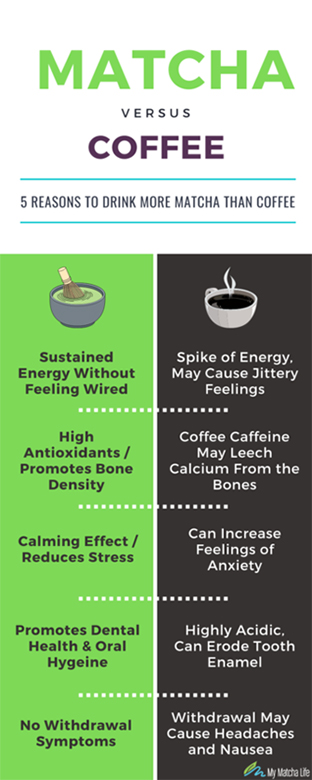
This modern movement is driven by a growing awareness of matcha’s unique nutritional profile and its effects on the body and mind. People seek sustained energy without coffee’s jitters and crashes, and they want antioxidant-rich foods. Matcha appears to deliver on both.
Nutritionists are advising clients to incorporate matcha, especially those sensitive to caffeine or experiencing anxiety. They highlight L-theanine, an amino acid that modulates caffeine’s effects, promoting calm focus. The science behind matcha supports this centuries-old wisdom.
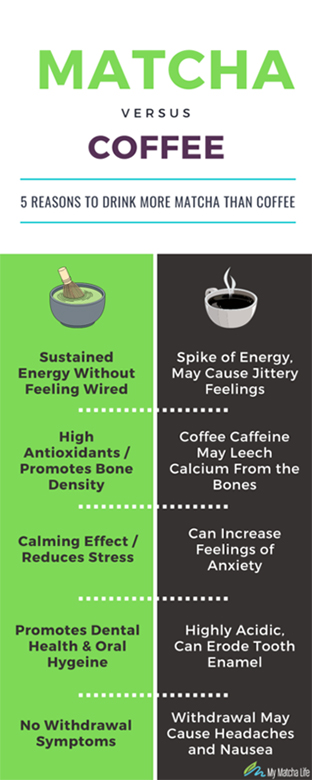
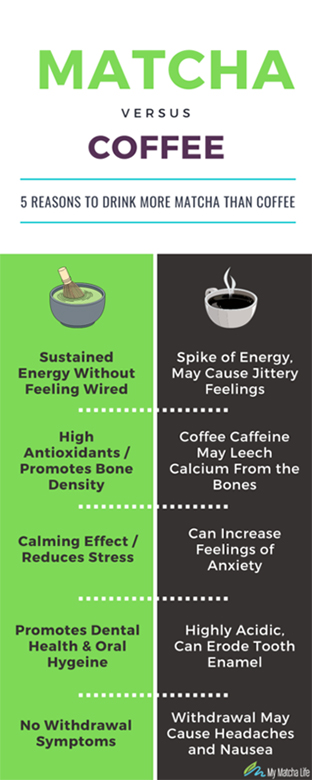
The Chemical Breakdown: Matcha vs. Coffee
Matcha and coffee differ in their chemical makeup. A typical 8-ounce cup of coffee contains around 95mg of caffeine, while a teaspoon of matcha powder has roughly 70mg. The way our bodies process this caffeine is a key difference.
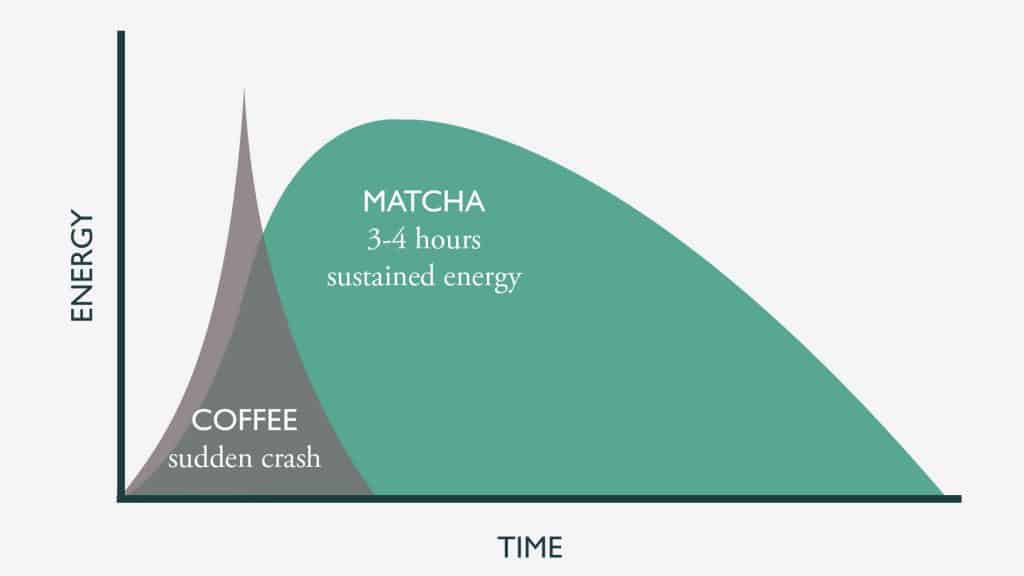
Coffee provides a rapid caffeine spike, leading to a quick energy boost and potential crash. Matcha contains L-theanine, an amino acid that slows caffeine absorption, resulting in a more gradual and sustained energy release. A 2018 study in the Journal of Functional Foods found the L-theanine and caffeine combination in matcha significantly improved attention and reaction time compared to caffeine alone.
Matcha is rich in antioxidants, particularly catechins like epigallocatechin gallate (EGCG). A National Institutes of Health (NIH) study found matcha has higher total catechin levels than most green teas. EGCG is a potent antioxidant linked to health benefits. Coffee contains antioxidants, but in different types and quantities.
Matcha provides small amounts of vitamins and minerals, including vitamin C, selenium, chromium, zinc, and magnesium. Coffee offers some potassium and magnesium, but its main impact is caffeine.
| Nutrient | Matcha (1 tsp) | Coffee (8oz) |
|-----------------|----------------|--------------|
| Caffeine | ~70mg | ~95mg |
| Catechins | High | Low |
| L-Theanine | Present | Absent |
| Vitamin C | Small amount | Trace |
| Magnesium | Small amount | Small amount |
Matcha vs. Coffee: A Comparative Chemical Composition (per serving - approximately 1 cup)
| Component | Matcha (Typical) | Coffee (Typical) | Source |
|---|---|---|---|
| Caffeine (mg) | 70mg | 95mg | Harvard Health, PMC |
| L-Theanine (mg) | 25-50mg | Generally absent | Harvard Health, PMC |
| Catechins (mg) | Varies greatly depending on grade; up to 130mg (primarily EGCG) | Minimal | Harvard Health, PMC |
| Chlorophyll | Present – contributes to green color | Absent | Harvard Health, PMC |
| Vitamin C (mg) | Trace amounts | Negligible | Harvard Health, PMC |
| Potassium (mg) | Varies, approximately 30-70mg | Approximately 116mg | Harvard Health, PMC |
| Magnesium (mg) | Varies, approximately 1-2mg | Approximately 7mg | Harvard Health, PMC |
| B Vitamins | Contains small amounts (B1, B2, B3) | Generally absent | Harvard Health, PMC |
Illustrative comparison based on the article research brief. Verify current pricing, limits, and product details in the official docs before relying on it.
Sustained Energy: The L-Theanine Advantage
The synergy between caffeine and L-theanine is key to matcha's effects. L-theanine promotes relaxation without drowsiness and increases alpha brain wave activity, associated with calm alertness. This differs from coffee's often-jittery energy.
L-theanine buffers caffeine's negative side effects, smoothing out its stimulating effects. This leads to improved focus, concentration, and mood, without the anxiety or crash often experienced with coffee. Matcha allows for sustained productivity without feeling overwhelmed.
Coffee provides a quick burst of energy followed by a steep decline, while matcha offers a slow-burning, sustained alertness. This makes matcha ideal for tasks requiring long-term concentration, such as studying or complex projects.
L-theanine increases GABA (gamma-aminobutyric acid) levels, a neurotransmitter promoting relaxation and reducing stress. It also modulates dopamine and serotonin, improving mood and cognitive function. Combined with caffeine, it further boosts cognitive performance.
- Increased focus and concentration
- Reduced anxiety and stress
- Improved mood
- Sustained energy levels without the crash
Antioxidant Power: Catechins and Cellular Health
Matcha is rich in catechins, plant compounds with potent antioxidant properties. Epigallocatechin gallate (EGCG) is the most abundant and well-studied catechin in matcha. Antioxidants protect cells from damage caused by free radicals, which contribute to aging and disease.
EGCG is linked to potential health benefits, including reduced risk of heart disease, cancer, and neurodegenerative disorders. Research suggests EGCG can lower LDL cholesterol, improve blood vessel function, and protect against oxidative stress. However, this research is preliminary and often conducted in lab settings.
A review in the Journal of the American College of Nutrition noted EGCG's potential to inhibit cancer cell growth and prevent tumor formation. More human research is needed. EGCG's bioavailability, or how well our bodies absorb it, varies based on metabolism and diet.
Matcha's high antioxidant content is a primary reason for expert recommendations. While coffee has antioxidants, matcha's concentration and type differ, generally outperforming coffee. It boosts antioxidant intake and supports cellular health.
Beyond Energy: Additional Health Benefits
Matcha's benefits extend beyond energy and antioxidants. Some research suggests it may improve cognitive function, memory, and attention, likely due to the combined effects of caffeine, L-theanine, and other compounds.
Studies indicate matcha may support heart health by lowering blood pressure and improving cholesterol levels, though findings are not conclusive and require more research. Similar caution applies to claims about its anti-cancer properties.
Some evidence suggests matcha may promote liver health and aid detoxification. Matcha catechins may protect the liver from damage and improve toxin elimination. These findings require further investigation, and claims should be approached with skepticism.
Matcha's impact on weight management is unclear, though some studies suggest it may boost metabolism and promote fat oxidation. It likely contributes to a healthy lifestyle as a nutritious energy source, rather than being a direct weight-loss solution.
Taste and Preparation: Making the Switch
Matcha's taste is often described as earthy, vegetal, and slightly bitter, differing from coffee. Many preparation methods can make it more palatable.
Traditionally, matcha is whisked with hot water using a bamboo whisk (chasen) for a frothy beverage. This method requires practice but offers an authentic experience. A beginner-friendly approach is to start with a matcha latte.
Here’s a simple recipe for a basic matcha latte:
1. Whisk 1-2 teaspoons of matcha powder with 2 ounces of hot water until frothy.
2. Heat 8-10 ounces of your favorite milk (dairy or non-dairy).
3. Pour the matcha mixture into a mug and top with the heated milk.
4. Sweeten to taste with honey, maple syrup, or your preferred sweetener.
My personal tip? Use high-quality matcha powder. The better the quality, the smoother and less bitter the taste will be. Experiment with different milk types and sweeteners to find what you enjoy most. Don’t be afraid to add a dash of vanilla extract or cinnamon for extra flavor.
Matcha Products to Try Now
Ready to give matcha a try? Here are a few products available on Amazon that I recommend, covering different price points and uses. Keep in mind that matcha quality varies significantly, so it’s worth investing in a reputable brand.
Ceremonial Grade Matcha: For the most authentic experience, look for ceremonial grade matcha. This is the highest quality matcha, intended for traditional tea ceremonies. Ippodo Tea Ummon-no-mukashi is a highly regarded option, though it comes with a premium price tag (around $80 for 30g).
Culinary Grade Matcha: Culinary grade matcha is more affordable and suitable for lattes, smoothies, and baking. Jade Leaf Organic Matcha is a popular choice, offering a good balance of quality and price (around $25 for 1oz).
Matcha Latte Mixes: If you’re new to matcha, a pre-mixed latte blend can be a convenient way to start. Mochaccino Matcha Green Tea Latte Mix is a well-reviewed option that simplifies the preparation process (around $15 for 8oz).
Matcha-Infused Snacks: For a subtle matcha flavor, consider matcha-infused snacks like cookies or chocolates. Republic of Tea SuperGreen Tea Matcha Cookies offer a delicious and convenient way to incorporate matcha into your diet (around $12 for 8 cookies).
It's always a good idea to read customer reviews and compare prices before making a purchase. Look for brands that are transparent about their sourcing and processing methods.
Essential Matcha Gear for Your Healthiest Latte Yet

Authentic Japanese Ceremonial Grade Matcha · First Harvest from Uji, Kyoto · Smooth, Rich Flavor Profile
This premium ceremonial grade matcha is perfect for experiencing the pure, unadulterated flavor and benefits of high-quality matcha.
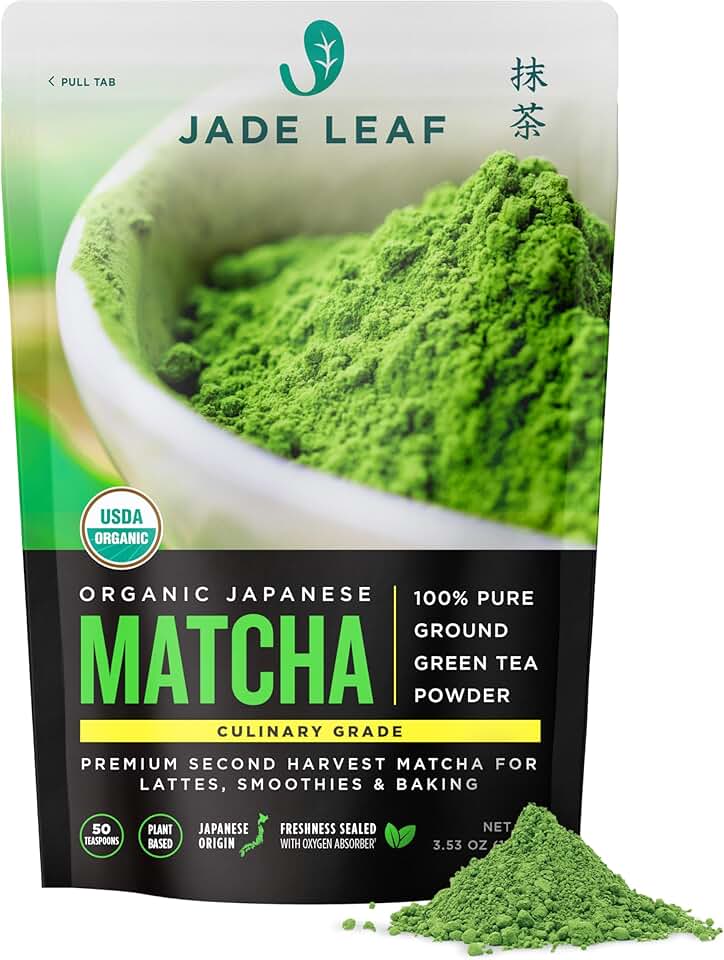
USDA Organic Culinary Grade Matcha · Versatile for Baking, Smoothies, Lattes, and Skincare · Vibrant Green Color and Subtle Earthy Flavor
Its culinary grade makes it a versatile and affordable option for incorporating matcha into a wide range of recipes and daily routines.

Instant Iced Matcha Latte Mix · Toasted Vanilla Flavor with Oat Milk Base · Low Sugar, Non-Dairy, and Vegan
This instant mix provides a convenient and delicious way to enjoy a creamy, low-sugar iced matcha latte without needing special preparation.
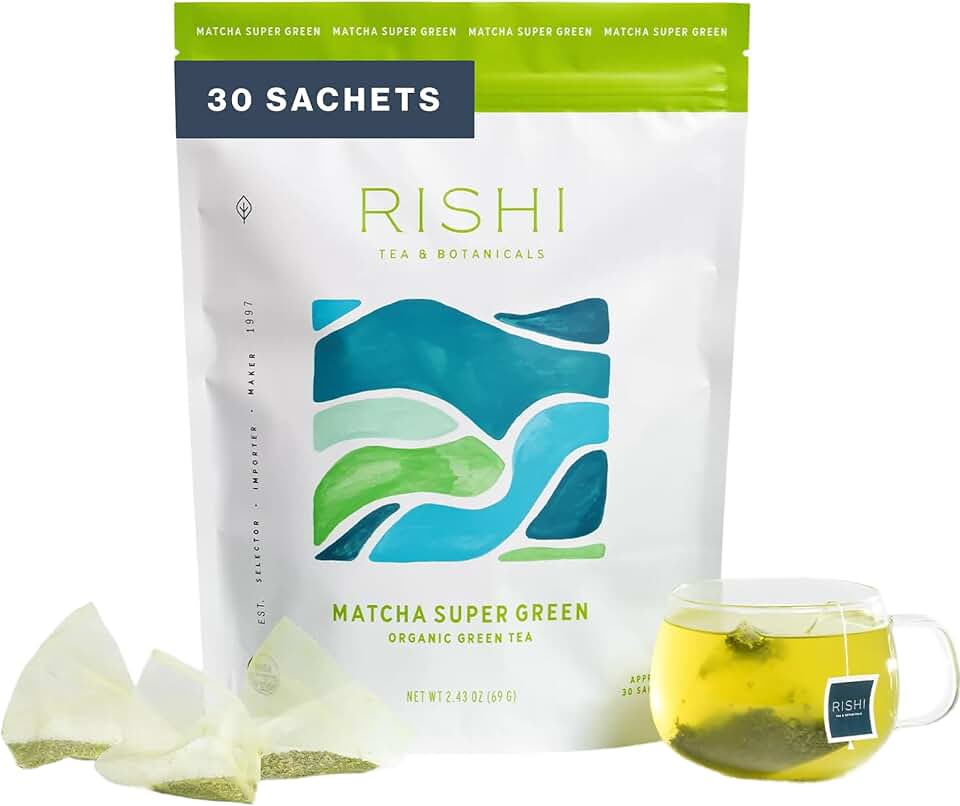
This blend offers a balanced caffeine boost and antioxidant benefits in a convenient sachet, perfect for a quick and healthy pick-me-up.

Complete 5-Piece Matcha Preparation Set · Includes Bowl, Whisk, Scoop, Holder, and Sifter · Facilitates Perfect Frothy Matcha
This essential kit provides all the traditional tools needed to properly prepare and enjoy matcha, ensuring a smooth and frothy consistency.
As an Amazon Associate I earn from qualifying purchases. Prices may vary.
No comments yet. Be the first to share your thoughts!