

Matcha’s Rise: Beyond the Latte
Matcha is quickly becoming more than just a trendy cafe drink. For centuries, it has been central to Japanese tea ceremonies, a practice rooted in mindfulness and precision. What was once a culturally specific ritual is now gaining traction globally. People are realizing this green powder offers something different – and potentially better – than their usual cup of coffee.
Historically, matcha was favored by Japanese Zen Buddhist monks, who used it to aid meditation. The meticulous process of growing and preparing matcha speaks to its importance in Japanese culture. Now, a surge in interest is driven by reported health benefits, making health experts and everyday consumers alike take notice.
The increasing demand isn't just about a fleeting fad. It’s a response to a growing awareness of what we put into our bodies and a desire for sustained energy without the drawbacks of traditional caffeine sources. Matcha provides a unique combination of benefits that coffee simply can’t match.
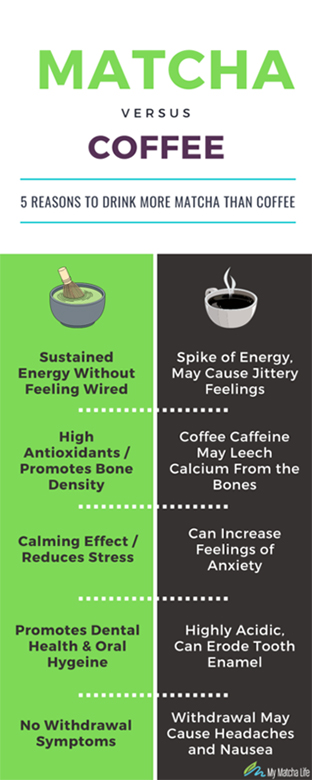
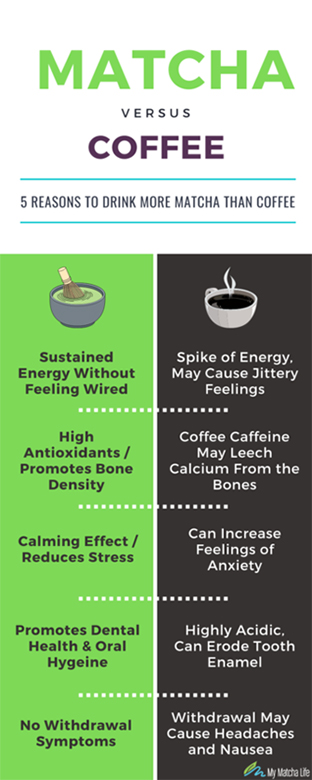
The Caffeine Question: Matcha vs. Coffee
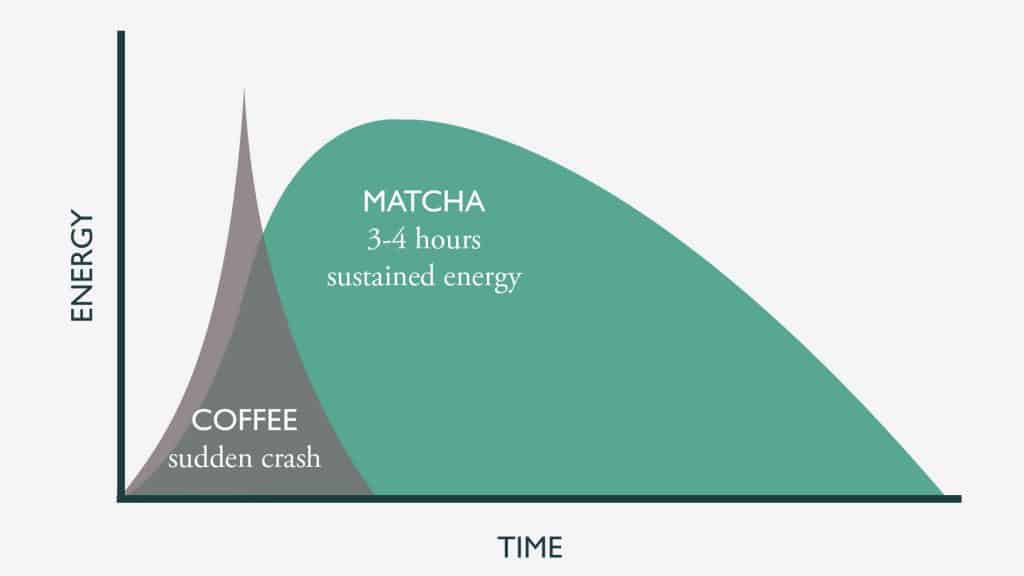
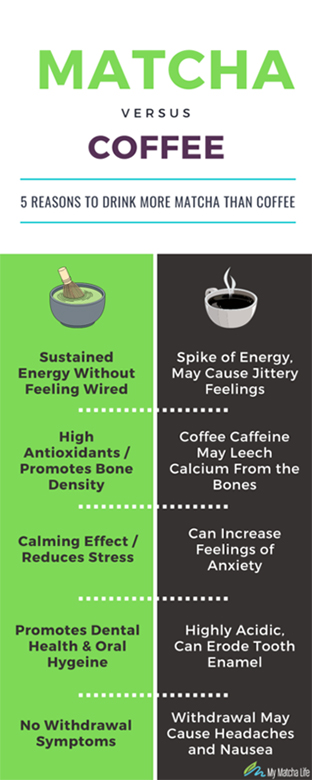
Caffeine is a key difference. A typical 8-ounce cup of coffee contains around 95mg of caffeine, while a serving of matcha (about 1 teaspoon) usually has between 70-80mg. While the amounts seem similar, it’s how that caffeine is delivered that makes all the difference. Coffee delivers a quick, intense jolt, leading to a spike and subsequent crash.
Matcha contains L-theanine, which moderates the effects of caffeine. This results in a slower, more sustained release of energy, like a gentle incline rather than a steep climb. You get alertness and focus without the jitters or the inevitable mid-afternoon slump. It's a more balanced experience.
Preparation method also plays a role. A strong espresso will pack a much bigger caffeine punch than a weaker brewed coffee. Similarly, the amount of matcha you use and how you prepare it can influence its caffeine content. A ceremonial grade matcha, whisked traditionally, will offer a different experience than a latte made with a culinary grade powder.
L-Theanine: Matcha’s ‘Calm Energy’ Secret
L-theanine is an amino acid primarily found in tea leaves, and matcha is particularly rich in it. It sets matcha apart from coffee. L-theanine crosses the blood-brain barrier and has a calming effect, increasing alpha brain waves associated with relaxation and creativity. It counteracts the anxiety-inducing effects caffeine can sometimes cause.
Research published in the Journal of Functional Foods (2016) demonstrated that L-theanine, when combined with caffeine, significantly improved attention and reaction time. This synergistic effect is powerful. You get the cognitive benefits of caffeine without the associated anxiety or jitters.
As a writer, I need sustained focus, but coffee often leaves me feeling anxious and scattered. Matcha provides a calm, clear-headed energy that allows me to work for hours without feeling overwhelmed. It's a game changer for productivity and well-being.
- Increased Alpha Brain Waves: Promotes relaxation and creativity
- Reduced Anxiety: Counteracts the anxiety-inducing effects of caffeine
- Improved Focus: Enhances attention and concentration
Matcha vs. Coffee: Chemical Composition Per Serving (Approximate)
| Component | Matcha (1 tsp / 2g) | Brewed Coffee (8oz / 240ml) | Notes |
|---|---|---|---|
| Caffeine | Approximately 70mg | Approximately 95mg | Values vary based on preparation method and bean type for coffee; matcha caffeine is released more slowly due to L-theanine. |
| L-Theanine | Approximately 40-50mg | Approximately 0-5mg | L-Theanine is an amino acid promoting relaxation without drowsiness, largely absent in coffee. |
| Epigallocatechin Gallate (EGCG) | Approximately 60-80mg | Trace Amounts | EGCG is a powerful antioxidant; matcha is particularly rich in this catechin. |
| Total Antioxidants | High | Moderate | Matcha, consumed as a whole leaf powder, provides a significantly higher antioxidant capacity than brewed coffee. |
| Polyphenols | Rich Source | Source | Both contain polyphenols, but matcha offers a broader spectrum and higher concentration. |
| Chlorophyll | Present | Absent | Matcha’s vibrant green color comes from its chlorophyll content, offering potential detoxification benefits. |
| Fiber | Approximately 0.5g | 0g | Matcha contains a small amount of dietary fiber, absent in brewed coffee. |
Illustrative comparison based on the article research brief. Verify current pricing, limits, and product details in the official docs before relying on it.
Antioxidant Power: EGCG and Cellular Health
Matcha is an antioxidant powerhouse. It's incredibly rich in Epigallocatechin Gallate (EGCG), a catechin known for its health benefits. EGCG is a potent antioxidant that helps protect cells from damage caused by free radicals, unstable molecules linked to aging and chronic diseases.
Harvard Health Publishing notes EGCG has been linked to a reduced risk of heart disease, certain types of cancer, and improved brain function. Studies suggest EGCG can help lower LDL cholesterol, improve blood vessel function, and protect against neurodegenerative diseases. The concentration of EGCG in matcha is significantly higher than in other green teas because you're consuming the entire tea leaf, not just the brewed liquid.
A study published in the Journal of the American College of Nutrition (2003) found that matcha contains over 137 times more antioxidants than some other types of green tea. This is due to the shading process used when growing matcha, which increases chlorophyll production and boosts antioxidant concentration. Coffee contains some antioxidants, but not at matcha's levels.
The National Cancer Institute has funded research into the potential anti-cancer properties of EGCG, though more studies are needed to confirm these effects in humans. Matcha isn't a cure-all, but its antioxidant content makes it a valuable addition to a healthy diet.
Health Experts Weigh In: 2026 Trends
Registered dietitians and nutritionists are increasingly recommending matcha to their clients. Many see positive results, particularly with individuals looking for a healthier alternative to coffee. Sarah Miller, a nutritionist in New York City, noted, “I’m seeing more and more patients swap their afternoon coffee for a matcha latte. They report feeling more focused and less anxious, and they appreciate the sustained energy.”
The trend is expected to continue into 2026, with more people incorporating matcha into their daily routines. Experts predict more innovative matcha products, from functional beverages to convenient on-the-go options. There’s also growing interest in using matcha in skincare and as a natural food coloring.
However, be mindful of potential downsides. Lower-quality matcha may contain lead due to environmental factors in the growing region. Choose matcha from reputable sources and look for third-party certifications to ensure purity and safety. Excessive consumption of matcha could lead to caffeine-related side effects.
Beyond the Latte: Matcha Recipes & Uses
While matcha lattes are the most popular way to enjoy this superfood, its versatility extends far beyond. Add matcha to smoothies for a nutritional boost, incorporate it into baked goods like cookies and cakes, or use it in savory dishes like matcha-infused sauces.
There are two main grades of matcha: ceremonial and culinary. Ceremonial grade is the highest quality, made from the youngest tea leaves, best suited for traditional tea preparation. Culinary grade is more affordable and has
Here are a few recipe ideas to get you started: Matcha-banana smoothie, Matcha shortbread cookies, Matcha-glazed salmon, and Matcha energy bites. Experiment and find what works best for you. Don’t be afraid to get creative!
Featured Products

Ceremonial grade, premium first harvest · USDA Organic, gluten-free, vegan · 100% pure, unsweetened, no additives
This ceremonial grade matcha offers a pure, high-quality base for an authentic and health-boosting matcha latte.
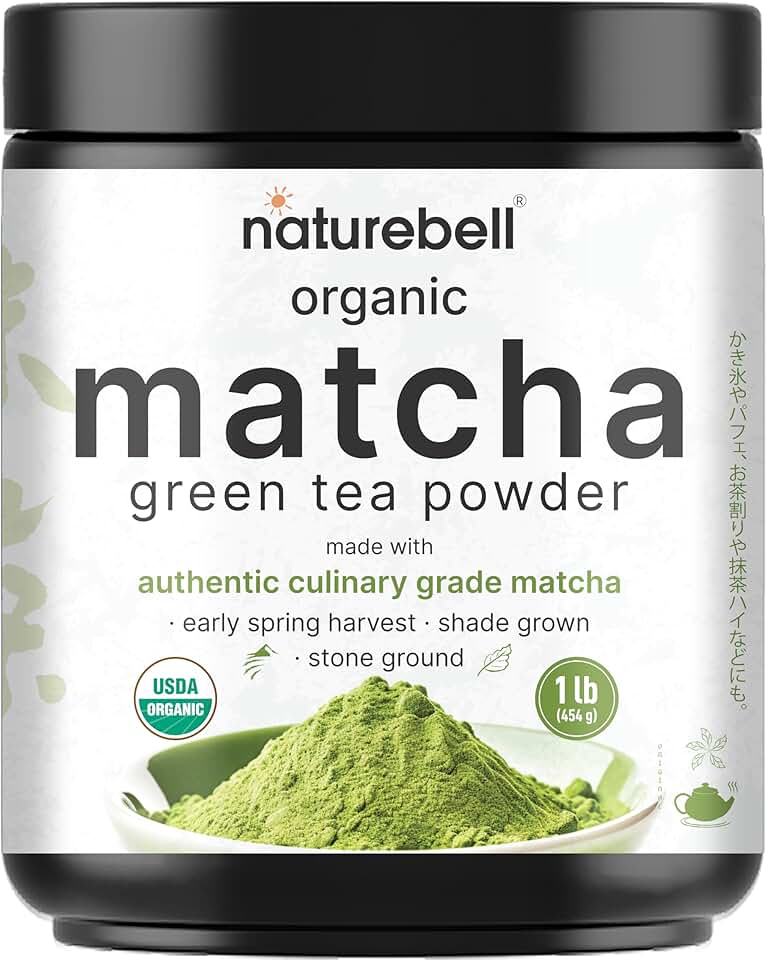
Culinary grade, potent early spring leaf harvest · Unsweetened with zero sugar · Fine stone ground, vegan, all-purpose
A cost-effective culinary grade option, perfect for daily matcha lattes with its potent flavor and zero sugar.

Complete 7-piece set · Includes spouted ceramic bowl, bamboo whisk and holder, sifter, and tea cloth · Ideal gift for matcha lovers
This comprehensive kit provides all the essential tools for preparing a traditional and aesthetically pleasing matcha latte.

Powerful and fast frothing · Includes 2 Duracell batteries · Versatile for various drinks including matcha lattes
A powerful and convenient tool to create a rich, creamy foam for your matcha latte, enhancing its texture and appeal.

Complete 5-piece set · Includes ceramic bowl, bamboo whisk, sifter, scoop, and holder · Handcrafted bamboo chasen for optimal whisking
This curated set offers essential, handcrafted tools for an authentic matcha preparation experience, perfect for enthusiasts.
As an Amazon Associate I earn from qualifying purchases. Prices may vary.
Making the Switch: A Practical Guide
Switching from coffee to matcha doesn’t have to be all or nothing. A gradual transition is often the most sustainable approach. Start by replacing one cup of coffee a day with a matcha latte, then gradually increase the number as you become accustomed to the taste and effects. Reducing your coffee intake slowly can minimize withdrawal symptoms like headaches and fatigue.
Preparing matcha at home is simple, but it requires a bit of practice. You’ll need matcha powder, hot (but not boiling) water, a matcha bowl (chawan), and a bamboo whisk (chasen). Sift the matcha powder into the bowl, add a small amount of water, and whisk vigorously in a “W” or “M” shape until a frothy layer forms. Experiment with the amount of matcha and water to find your preferred strength.
The initial cost of matcha and the necessary tools might seem daunting, but it can be a worthwhile investment for your health and well-being. Don’t let the taste deter you; it takes time to develop a palate for matcha. Start with a smaller amount and gradually increase it as you get used to the flavor.
Matcha Quality: What to Look For
Not all matcha is created equal. The quality of matcha is influenced by several factors, including origin, harvesting methods, and grinding process. Matcha from Uji and Nishio in Japan is considered the highest quality, thanks to the region’s ideal climate and centuries-old cultivation techniques.
Look for matcha that is vibrant green in color, with a fine, silky texture. The aroma should be fresh and slightly sweet. Avoid matcha that is dull, yellowish, or has a grassy smell. While testing for lead content at home isn’t easily feasible, seeking out third-party certifications from reputable organizations can help ensure you’re getting a safe and high-quality product.
Ultimately, the best way to determine matcha quality is to taste it. High-quality matcha should have a smooth, umami flavor with a subtle sweetness and minimal bitterness. It’s an investment in your health, so choosing wisely is key.
No comments yet. Be the first to share your thoughts!