

Matcha's Rise: Beyond the Latte
Matcha is everywhere these days. It started with the bright green lattes showing up on Instagram, but it’s quickly becoming much more than just a trend. For centuries, matcha was central to Japanese tea ceremonies, a ritual steeped in history and mindfulness. Now, we’re seeing a resurgence of interest, but this time driven by a desire for well-being and a more balanced energy source.
It’s fascinating to watch how quickly matcha has moved into the mainstream. People aren’t simply looking for a caffeine fix anymore; they’re actively seeking alternatives that support their overall health. This isn’t about rejecting coffee outright, but about exploring options that align with a more holistic lifestyle. I think the shift is driven by a growing awareness of how food and drink impact our bodies and minds.
The appeal goes beyond the vibrant color and unique flavor. There’s a genuine curiosity surrounding matcha’s potential health benefits, and people are starting to pay attention. We’re moving towards a time where our beverages aren’t just about taste, but about actively contributing to our wellness. This comparison to coffee isn’t meant to pit the two against each other, but to understand why so many are making the switch.
The increased accessibility of high-quality matcha powder is also a major factor. It’s no longer a specialty item found only in select tea shops. Online retailers and grocery stores are now offering a range of options, making it easier than ever to incorporate matcha into your daily routine. This wider availability has undoubtedly fueled its growing popularity.
The Caffeine Question: Matcha vs. Coffee
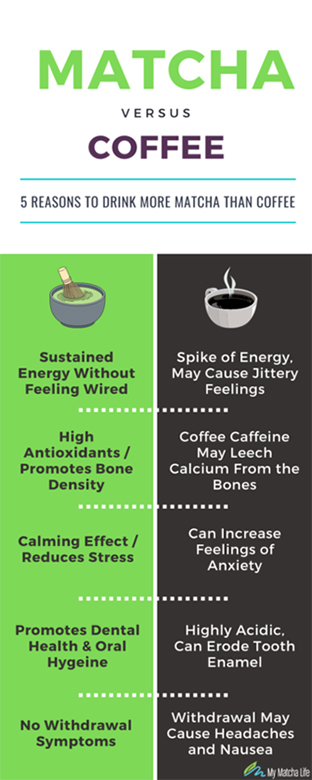
Let’s talk caffeine. A typical 8-ounce cup of coffee contains around 95 milligrams of caffeine, but this can vary significantly depending on the brewing method and bean type. Matcha, on the other hand, generally contains between 70-80 milligrams of caffeine per serving (about one teaspoon of powder). While slightly less, the way matcha delivers caffeine is fundamentally different.
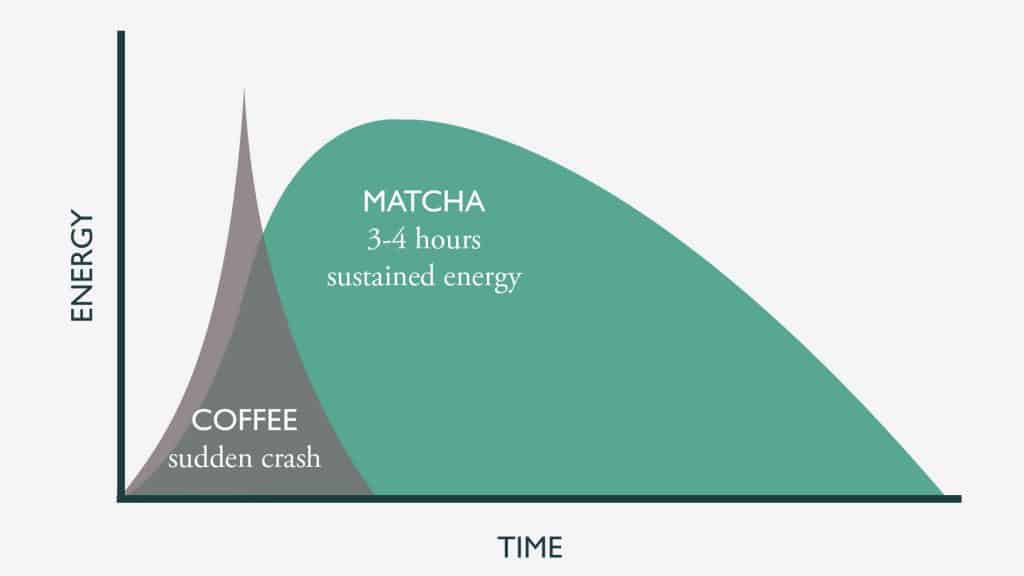
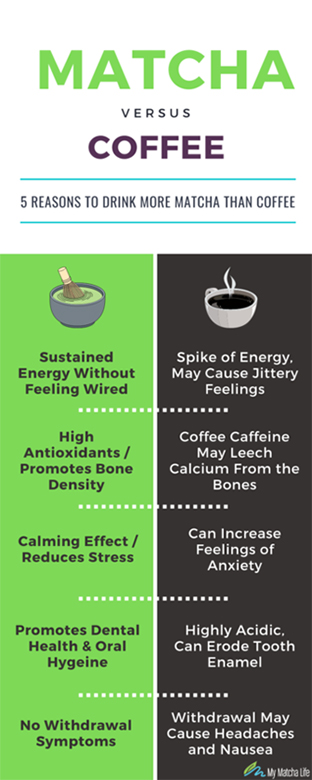
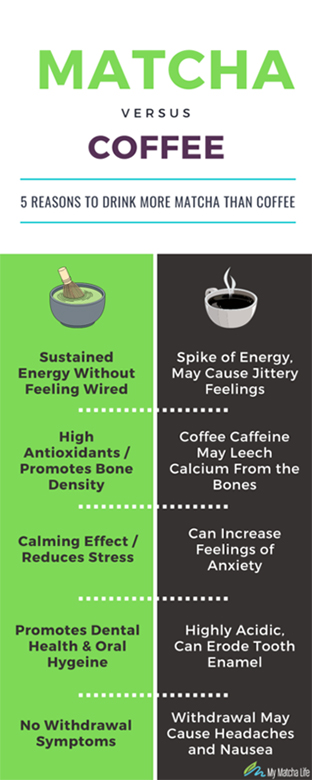
The key difference lies in L-theanine, an amino acid found abundantly in matcha. L-theanine promotes relaxation without drowsiness and works synergistically with caffeine to create a calmer, more focused energy boost. Harvard Health Publishing notes this combination results in a sustained release of energy, avoiding the jitters and crash often associated with coffee. It’s a smoother, more balanced experience.
This isn't just anecdotal. Studies, like those reviewed on PMC, demonstrate that L-theanine can modulate the effects of caffeine, reducing anxiety and improving cognitive performance. Coffee delivers a rapid surge of dopamine, leading to that initial boost, but it’s often followed by a sharp decline. Matcha’s L-theanine slows down the absorption of caffeine, providing a more gradual and sustained release.
I’ve personally experienced this difference. After switching to matcha, I noticed I was less prone to afternoon slumps and felt more consistently focused throughout the day. The energy is cleaner, without the anxious edge I sometimes felt with coffee. It’s a subtle but significant difference that many people are discovering.
- Coffee (8oz): Approximately 95mg caffeine
- Matcha (1 tsp powder): Approximately 70-80mg caffeine
- Key Difference: Matcha contains L-theanine, which moderates caffeine's effects.
Matcha vs. Coffee: A Comparative Overview
| Characteristic | Matcha (per serving) | Coffee (per 8oz serving) | Notes |
|---|---|---|---|
| Caffeine Content | Approximately 70mg | 80-100mg | Values can vary based on preparation method and grade of matcha/coffee. |
| L-Theanine Content | Approximately 25-50mg | Generally negligible | L-Theanine is an amino acid promoting relaxation without drowsiness. |
| Onset of Effects | Gradual (20-30 minutes) | Rapid (30-60 minutes) | Matcha's L-Theanine content contributes to a slower, more sustained release of caffeine. |
| Duration of Effects | 3-6 hours | 2-3 hours | Matcha's sustained release provides a longer-lasting energy boost. |
| Reported Side Effects | Generally minimal; may include mild stomach upset in sensitive individuals | Jitters, anxiety, increased heart rate, potential for 'crash' | Coffee's higher caffeine content is more likely to cause these side effects. |
| Energy Profile | Calmly focused, sustained energy | Stimulated, potentially jittery | The combination of caffeine and L-theanine in matcha promotes a unique energy experience. |
| Antioxidant Content | High, particularly in catechins | Moderate | Matcha, as a whole leaf powder, retains a higher concentration of antioxidants than steeped coffee. |
Illustrative comparison based on the article research brief. Verify current pricing, limits, and product details in the official docs before relying on it.
Antioxidant Power: A Deeper Look
Matcha is a powerhouse of antioxidants, particularly a catechin called epigallocatechin gallate (EGCG). EGCG has been extensively studied for its potential health benefits, including its ability to combat cell damage caused by free radicals. These free radicals contribute to aging and the development of chronic diseases.
What sets matcha apart is how it’s consumed. Unlike steeped green tea, where you discard the leaves, with matcha you’re consuming the entire leaf, ground into a fine powder. This means you’re getting a much higher concentration of antioxidants. PMC research confirms that the bioavailability of EGCG is significantly higher in matcha compared to other green tea preparations.
The potential health implications are substantial. EGCG has been linked to a reduced risk of heart disease, certain types of cancer, and neurodegenerative disorders. While more research is needed to fully understand these effects, the evidence is promising. It’s important to remember that these are potential benefits and not guarantees, and a healthy lifestyle is always paramount.
I’m not a medical professional, so I always recommend consulting with your doctor before making any significant changes to your diet. However, the antioxidant profile of matcha is undeniably impressive and a major reason why it’s gaining traction among health-conscious individuals. The concentration of EGCG is really what elevates it above other teas and even coffee.
It’s also worth noting that the quality of matcha significantly impacts its antioxidant content. Ceremonial grade matcha, made from the youngest tea leaves, generally has the highest concentration of EGCG. Culinary grade matcha, while still beneficial, may contain slightly lower levels.
- EGCG (Epigallocatechin Gallate): A powerful antioxidant found in high concentrations in matcha.
- Bioavailability: Matcha’s preparation method (whole leaf powder) increases EGCG absorption.
- Potential Benefits: Reduced risk of heart disease, cancer, and neurodegenerative disorders (further research needed).
Matcha’s Health Advantages
- Rich in Antioxidants - Matcha is exceptionally high in catechins, a class of plant compounds that act as natural antioxidants. These help combat free radicals, protecting cells from damage.
- Improved Heart Health - Studies suggest that green tea, and by extension matcha, may help lower LDL (bad) cholesterol and triglycerides, contributing to improved cardiovascular health.
- Enhanced Brain Function - Matcha contains L-theanine, an amino acid that promotes relaxation without drowsiness, and works synergistically with caffeine to improve focus, alertness, and cognitive performance.
- Potential Cancer Prevention - Research indicates that the catechins in matcha may have anti-cancer properties, potentially inhibiting the growth of certain cancer cells, though more research is ongoing.
- Boosted Immune System - The high antioxidant content in matcha, particularly epigallocatechin gallate (EGCG), can strengthen the immune system and help the body fight off infections.
- Supports Liver Health - Some studies have shown that green tea consumption may be associated with markers of improved liver health, potentially reducing the risk of liver diseases.
- May Promote Healthy Skin - The antioxidants in matcha can help protect the skin from damage caused by UV radiation and environmental toxins, contributing to a healthier complexion. Further research is needed to fully understand the extent of these benefits.
Beyond Energy: Matcha's Unique Compounds
Matcha isn’t just about caffeine and antioxidants. It’s a nutrient-rich beverage that contains a variety of vitamins, minerals, and fiber. It’s a good source of vitamin C, selenium, chromium, zinc, and magnesium. These nutrients play crucial roles in supporting immune function, maintaining healthy skin, and regulating blood sugar levels.
The fiber content, though small, contributes to digestive health and can help you feel fuller for longer. While matcha isn’t a significant source of fiber compared to whole foods, it's an added benefit. The presence of these compounds contributes to the overall feeling of well-being that many matcha drinkers report.
Research suggests that the combination of these nutrients and compounds may have synergistic effects, meaning they work together to enhance overall health. However, it’s important to approach these claims with caution and remember that matcha is just one component of a healthy lifestyle. It’s not a magic bullet.
I find that incorporating matcha into my routine has a subtle but noticeable impact on my overall energy levels and focus. It’s not a dramatic change, but a consistent, gentle boost that I appreciate. It’s the kind of benefit that builds over time, rather than being an immediate, fleeting effect.
- Vitamin C: Supports immune function.
- Selenium: An essential mineral with antioxidant properties.
- Fiber: Contributes to digestive health.
- Magnesium: Supports muscle and nerve function.
Taste and Preparation: What to Expect
The taste of matcha is often described as vegetal, slightly sweet, and umami. It's a unique flavor profile that can take some getting used to, especially if you’re accustomed to the bolder taste of coffee. High-quality matcha should have a smooth, creamy texture and a vibrant green color. Lower-quality matcha can be bitter or have a dull, yellowish hue.
There are two main grades of matcha: ceremonial and culinary. Ceremonial grade is made from the youngest tea leaves and is intended for traditional tea ceremonies. It has a more delicate flavor and a smoother texture. Culinary grade is made from slightly older leaves and is more robust in flavor, making it ideal for lattes, smoothies, and baking.
Preparing matcha at home is relatively simple, but it does require a few tools. You’ll need matcha powder, hot (but not boiling) water, a chawan (tea bowl), and a chasen (bamboo whisk). Sift the matcha powder into the bowl, add a small amount of water, and whisk vigorously in a “W” or “M” shape until a frothy layer forms.
I’ve experimented with different brands and preparation methods, and I’ve found that using a good-quality chasen makes a significant difference in the texture of the matcha. Also, don’t over-whisk! You want a nice froth, but over-whisking can make the matcha bitter. I personally enjoy using ceremonial grade matcha for lattes and culinary grade for baking.
For a simple matcha latte, whisk the matcha powder with a small amount of hot water, then add steamed milk (dairy or non-dairy) and a touch of sweetener if desired. Experiment with different milk types to find your perfect combination.
Matcha in Your Kitchen: Recipes & Uses
Matcha isn’t limited to lattes. Its versatility extends to a wide range of recipes. Matcha cookies offer a subtle, earthy sweetness, while a matcha smoothie provides a nutritious and energizing breakfast. You can even incorporate matcha into savory dishes, such as matcha-dusted salmon or matcha-infused salad dressings.
Here’s a simple recipe for Matcha Energy Bites: Combine 1 cup of rolled oats, ½ cup of nut butter, ¼ cup of honey, 2 tablespoons of matcha powder, and 1 tablespoon of chia seeds. Roll into bite-sized balls and refrigerate for at least 30 minutes. They’re a perfect on-the-go snack.
Another easy recipe is Matcha Overnight Oats: Combine ½ cup of rolled oats, 1 cup of milk (dairy or non-dairy), 1 tablespoon of matcha powder, and 1 tablespoon of your favorite sweetener in a jar. Stir well and refrigerate overnight. Top with fresh fruit and nuts before serving.
Don't be afraid to experiment! Matcha's unique flavor pairs well with a variety of ingredients. It's a fun and creative way to add a boost of antioxidants and energy to your meals and snacks. I’ve even seen recipes for matcha ice cream and matcha cheesecake – the possibilities are endless!
- Matcha Cookies
- Matcha Smoothies
- Matcha Energy Bites
- Matcha Overnight Oats
Featured Products

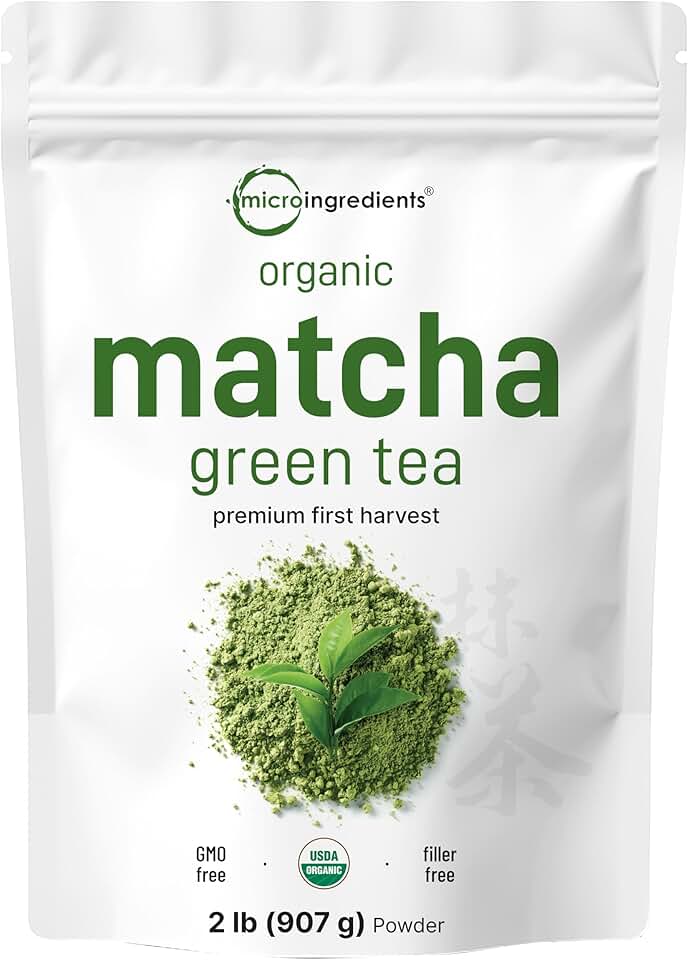
Ceremonial Grade Matcha from Kagoshima, Japan · First Spring Harvest · USDA Organic
This premium ceremonial grade matcha offers a vibrant flavor and smooth texture, perfect for authentic matcha lattes.
Culinary Grade Matcha from Japan · First Harvest · USDA Organic, Non-GMO
A versatile and cost-effective option for daily use in lattes, smoothies, and baking, providing a good source of antioxidants.

Ceremonial Grade Matcha from Uji, Kyoto, Japan · First Harvest · Authentic Japanese Matcha
Sourced from the renowned Uji region, this ceremonial blend delivers a rich umami flavor and smooth finish ideal for discerning matcha enthusiasts.

Organic Japanese Matcha Powder · Sugar-Free, Sweetened with Monkfruit · Fortified with Grass-Fed Bovine Collagen
This convenient latte mix combines the benefits of matcha with added collagen, offering a sugar-free, health-conscious beverage option.
Ceremonial Grade Matcha from Uji, Kyoto, Japan · First Harvest · Authentic Japanese Matcha
Sourced from the renowned Uji region, this ceremonial blend delivers a rich umami flavor and smooth finish ideal for discerning matcha enthusiasts.
As an Amazon Associate I earn from qualifying purchases. Prices may vary.
Expert Opinions: Why the Shift?
Health experts are increasingly recognizing the benefits of matcha as a healthier alternative to coffee. Nutritionists often highlight the sustained energy and reduced anxiety associated with matcha’s L-theanine content. They emphasize that the combination of caffeine and L-theanine provides a more balanced and focused energy boost, unlike the jitters and crashes often experienced with coffee.
Harvard Health Publishing notes that the antioxidant properties of matcha, particularly EGCG, contribute to its potential health benefits, potentially protecting against cell damage and chronic diseases. Experts are also appreciating matcha’s versatility and the fact that it can be easily incorporated into a variety of recipes and beverages.
Many recommend matcha for individuals sensitive to caffeine or those looking to reduce their coffee intake without sacrificing their energy levels. The slower release of caffeine in matcha makes it a gentler option for those prone to anxiety or digestive issues. It’s not about demonizing coffee, but about offering a viable and healthy alternative.
While coffee undoubtedly has its own benefits, the growing body of research supporting matcha’s unique properties is driving a shift in recommendations. The focus is on providing individuals with options that support their overall well-being and allow them to optimize their energy levels in a sustainable way. The trend isn’t about abandoning coffee entirely, but about embracing a more mindful and balanced approach to energy consumption.
No comments yet. Be the first to share your thoughts!