

Matcha vs. Coffee: The Energy Shift
Coffee has long been the world’s go-to energy source, from bustling cafes to early morning routines. But a shift is happening, fueled by growing health awareness and a desire for sustained, focused energy. Experts suggest matcha, a traditional Japanese green tea, may overtake coffee as the preferred beverage for a natural boost.
Coffee originated in Ethiopia and spread globally. Matcha has a deeper history in Japanese Zen Buddhist monasteries, used to enhance meditation and well-being. This difference in origin hints at a distinction in their effects.
Interest in "functional beverages’—drinks offering benefits beyond hydration—is surging. Consumers seek options supporting health goals, and matcha fits this profile. Research demonstrates matcha"s potential to improve focus, boost immunity, and aid weight management. This feels like a fundamental change in how people approach energy and wellness.
Matcha surpassing coffee might seem bold, but evidence suggests it’s plausible. It’s not about dismissing coffee, but recognizing matcha offers a different pathway to sustained energy and health. The coming years will show matcha’s continued rise.
The Caffeine Question: Quality Over Quantity
Caffeine is a key difference. Both matcha and coffee contain caffeine, but delivery and experience vary. An 8-ounce cup of coffee has 95-200 mg of caffeine, while a serving of matcha (1-2 grams) has about 70 mg. Coffee delivers a higher dose, but that doesn’t mean it’s better.
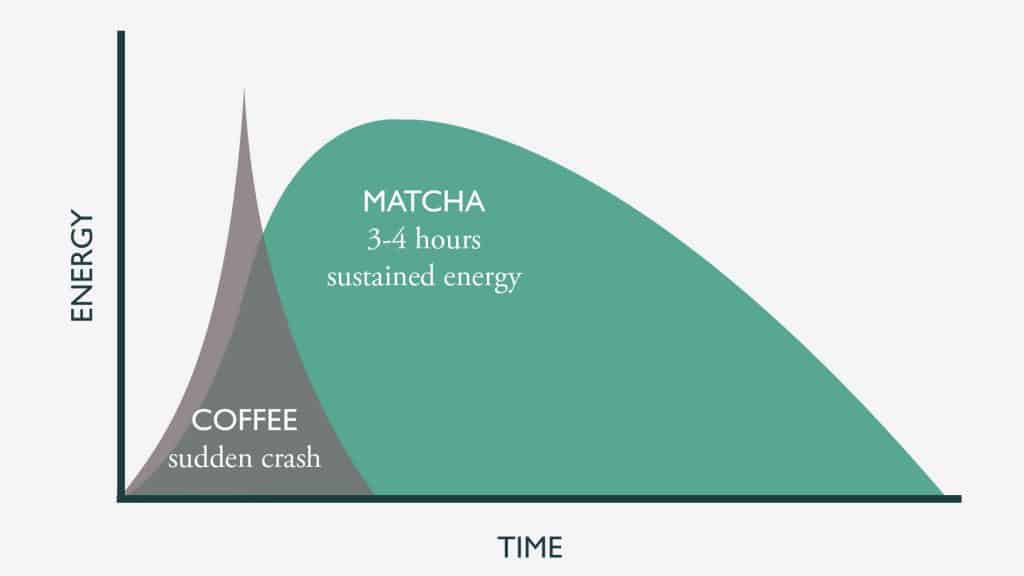
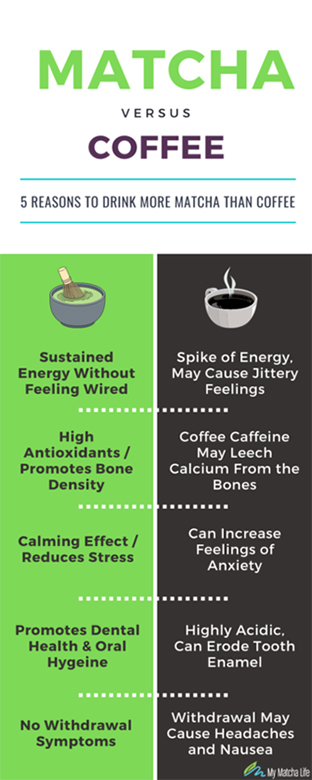
How caffeine interacts with the body is key. Coffee delivers a rapid caffeine spike, leading to a quick energy burst followed by a crash, as caffeine is absorbed quickly. Matcha contains L-theanine, an amino acid that works with caffeine. This combination creates a slower, sustained energy release, minimizing jitters and crashes associated with coffee.
L-theanine promotes alpha brainwave activity, associated with relaxed alertness. It smooths caffeine’s effects, enhancing focus and concentration without anxiety. Many report feeling more productive and calm after drinking matcha than coffee. It’s not just caffeine amount, but the quality of energy it provides.
I can work for hours on matcha without the afternoon slump that coffee used to cause. It’s a subtle but significant difference. While some need coffee’s immediate jolt, matcha provides a more reliable, long-lasting energy source for sustained productivity. It’s a different, and for many, preferable experience.
Caffeine & Perceived Energy Levels: Matcha vs. Coffee Over Time
Data: AI-generated estimate for illustration
Beyond Caffeine: Matcha’s Unique Compounds
Matcha offers more than caffeine and L-theanine; it’s a powerhouse of beneficial compounds. Consuming the entire finely ground tea leaf means a higher nutrient concentration than steeped green tea. Epigallocatechin gallate (EGCG), a powerful catechin with numerous health benefits, is one of the most notable.
Catechins are antioxidants protecting the body from free radical damage. EGCG has been linked to improved heart health, reduced cancer risk, and enhanced brain function. Harvard Health Publishing notes studies suggesting EGCG may lower LDL cholesterol and improve blood vessel function.
L-theanine is crucial for calming and focusing effects, and contributes to matcha’s overall health benefits. It has been shown to boost immunity, reduce stress, and improve sleep quality. The combination with caffeine is where matcha shines, creating a unique synergy neither ingredient achieves alone.
Other antioxidants, like chlorophyll, contribute to matcha’s vibrant green color and offer health benefits. Chlorophyll is believed to help detoxify the body and boost energy levels. The observed effects are compelling. Matcha is more than a beverage; it's a concentrated nutrient source.
Matcha contains vitamins and minerals like vitamin C, selenium, chromium, zinc, and magnesium, contributing to overall well-being and supporting bodily functions. It’s a complete nutritional profile for a drink.
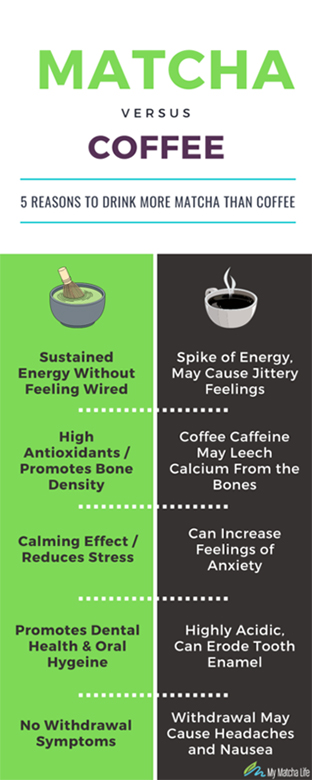
Matcha vs. Coffee: A Comparative Overview
| Characteristic | Matcha | Coffee |
|---|---|---|
| Antioxidant Content | High | Moderate |
| Amino Acid Profile | Notably Rich in L-Theanine | Lower in L-Theanine |
| Vitamin/Mineral Content | Contains Vitamin C, Selenium, and Potassium | Contains Magnesium and Potassium |
| Anti-inflammatory Properties | Significant due to polyphenol content | Moderate |
| Impact on Anxiety | Promotes Calm Alertness | Can exacerbate anxiety in some individuals |
| Energy Release | Sustained, gradual energy increase | Quick, often followed by a crash |
| Acidity | Low | High |
| Digestive Impact | Generally gentle on the stomach | May cause digestive upset for some |
Qualitative comparison based on the article research brief. Confirm current product details in the official docs before making implementation choices.
Health Experts Weigh In: Current Research
Matcha’s health benefits are gaining research attention. A review on PMC details its chemical composition and health benefits, highlighting its rich antioxidant content and potential to improve health. Research points to matcha’s ability to support cardiovascular health, potentially lowering blood pressure and reducing heart disease risk.
Studies explore matcha’s potential in cancer prevention. High EGCG concentration may inhibit cancer cell growth and protect against DNA damage. Preliminary findings are promising. Harvard Health Publishing notes matcha’s potential in weight management, suggesting EGCG may boost metabolism and increase fat burning.
Much research on matcha is ongoing. Many studies have small sample sizes, and further investigation is needed to confirm findings in larger populations. However, existing evidence warrants serious consideration of matcha as a health-promoting beverage.
Researchers are investigating matcha’s effects on cognitive function and mental health. The L-theanine and caffeine combination shows promise in improving focus, memory, and mood. While not a cure-all, matcha may offer a natural way to enhance cognitive performance and reduce stress. This field continues to evolve, but initial results are encouraging.
Taste and Preparation: Bridging the Gap
Matcha’s taste is a hurdle for newcomers, often described as earthy, vegetal, and slightly bitter. This can be off-putting for those used to coffee or sweet beverages. However, taste depends heavily on grade and preparation.
Two main grades exist: ceremonial and culinary. Ceremonial grade, from the youngest leaves, has a smoother, sweeter flavor and vibrant green color, intended for traditional ceremonies. Culinary grade, from older leaves, has a bolder, more
Preparing matcha correctly is crucial for achieving a pleasant taste. Traditionally, matcha is whisked with hot (but not boiling) water using a bamboo whisk called a chasen. The goal is to create a smooth, frothy texture without any lumps. For a latte, you can add matcha to steamed milk (dairy or plant-based) and a touch of sweetener if desired.
I recommend starting with a high-quality ceremonial grade matcha and experimenting with different preparation methods. Don’t be afraid to add a little sweetener or flavorings to find what you enjoy. It takes some practice, but once you master the art of matcha preparation, you’ll be rewarded with a delicious and invigorating beverage.
Matcha in Your Life: Beyond the Latte
Matcha isn’t limited to lattes! Its versatility extends to a wide range of culinary applications. Matcha powder can be added to smoothies for a nutritional boost, baked goods like cookies and cakes for a unique flavor, and even savory dishes like sauces and marinades.
You can find countless matcha-infused recipes online, from matcha cheesecake to matcha pancakes. It’s a fun way to experiment with the flavor and incorporate matcha into your diet. The vibrant green color also adds a beautiful aesthetic touch to any dish.
The availability of matcha products is also increasing. Supermarkets and cafes are now stocking matcha powder, matcha lattes, and even matcha-flavored snacks. This makes it easier than ever to incorporate matcha into your daily routine. You no longer need to seek out specialty tea shops to enjoy this ancient beverage.
I’ve been experimenting with adding a teaspoon of matcha to my morning oatmeal, and it’s a game-changer. It adds a subtle earthy flavor and provides a sustained energy boost that lasts for hours. It’s a simple yet effective way to start the day. Matcha really can be integrated into almost any meal or snack.
Elevate Your Matcha Experience: Essential Tools and Ingredients

Organic Ceremonial Grade Matcha · Premium First Harvest · 100% Pure USDA-Certified Organic
This premium, USDA-certified organic matcha powder is ideal for experiencing the pure taste and benefits of high-quality matcha.

Complete Matcha Preparation Kit · Includes Whisk (Chasen), Holder, Scoop, Sifter, Spoon · Japanese Tea Tools for Ceremony
This comprehensive kit provides all the essential traditional tools needed to properly prepare matcha, ensuring a perfect whisked consistency.

Traditional Handcrafted Mino Matcha Chawan · Authentic Japanese Pottery · Ceremony Tableware
Elevate your matcha ritual with this beautifully handcrafted Japanese tea bowl, designed for an authentic ceremonial experience.

Powerful Electric Matcha Whisk & Frother · Creates Effortless Lattes and Frothy Drinks · Easy to Use Wand Mixer
This electric frother offers a convenient and quick way to achieve a smooth, frothy matcha texture, perfect for modern cafes at home.

Creative Recipes for Various Drinks · Includes Espresso, Matcha, Tea, and Coffee · Home Café Style Creations
Discover inspiring recipes to craft delicious and varied café-style beverages, including expertly prepared matcha drinks.
As an Amazon Associate I earn from qualifying purchases. Prices may vary.
The 2026 Prediction: Why Now?
I believe matcha is genuinely on track to surpass coffee in popularity by 2026. Several factors are converging to drive this trend. Increasing health consciousness is a major one, as people become more aware of the benefits of functional beverages and seek alternatives to traditional sugary drinks.
The demand for sustainable beverages is also playing a role. Matcha production is generally more environmentally friendly than coffee production, requiring less water and pesticides. This appeals to consumers who are concerned about the environmental impact of their choices.
Finally, the growing awareness of matcha’s unique benefits – sustained energy, improved focus, and enhanced health – is driving demand. As more research emerges and more people experience the positive effects of matcha, its popularity will continue to rise. We are seeing a shift in consumer preferences, and matcha is perfectly positioned to capitalize on it.
This isn’t about demonizing coffee; it’s about recognizing that matcha offers a compelling alternative with a unique set of benefits. The future of energy drinks is looking green, and matcha is leading the charge.
Are you planning to switch from coffee to matcha, or incorporate matcha into your routine?
Vote below and share where you stand on matcha versus coffee.
No comments yet. Be the first to share your thoughts!