

Green Gold: Matcha’s Rise
By 2026, matcha could challenge coffee's dominance. This shift reflects changing wellness priorities and what people want from their daily drinks.
Matcha originated in ancient China as a medicinal brick tea. Japan refined it, making it central to the mindful chanoyu tea ceremony, a structured cultural practice, rather than a daily drink.
Matcha's appeal goes beyond history. Growing awareness of its health benefits, particularly its unique composition, is making people reconsider their coffee choices. Its cultural significance also appeals to those seeking mindful consumption.
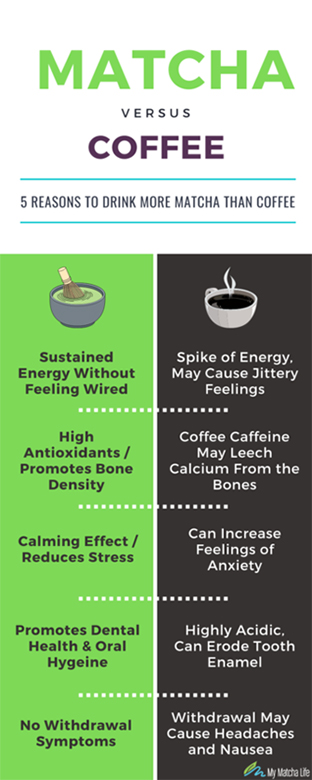
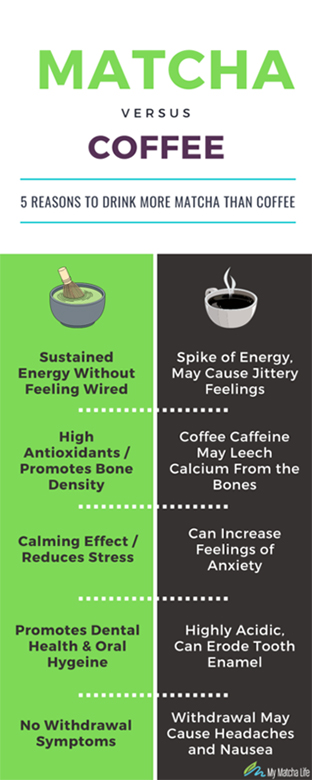
The Caffeine Question: Matcha vs. Coffee
An 8oz cup of coffee has 95-200mg of caffeine, while a teaspoon of matcha powder has about 70mg. But how the body processes this caffeine differs.
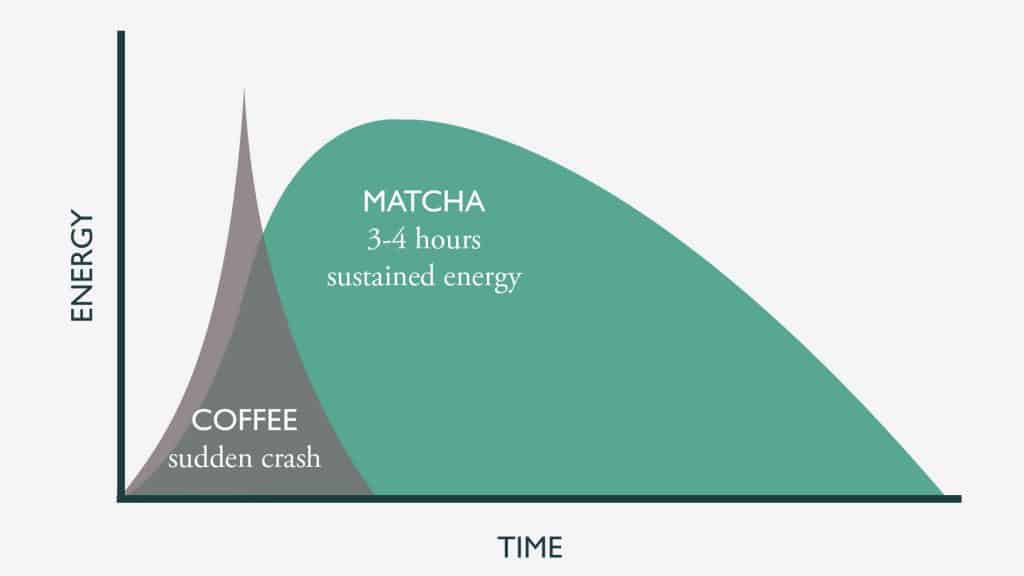
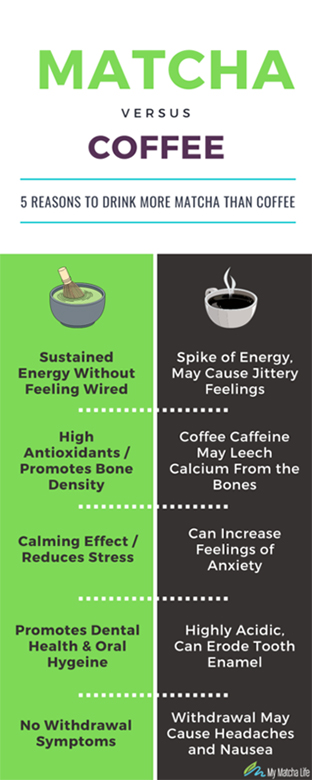
Coffee provides a quick energy surge, often followed by a crash. Matcha contains L-theanine, an amino acid that works with caffeine for a calmer, sustained energy release. This balance means alertness without jitters or a slump, leading many to feel focused and productive.
Caffeine sensitivity varies. While matcha's L-theanine can lessen negative effects like anxiety or sleep disruption, it doesn't eliminate them. A 2017 Nutrients study found L-theanine improves attention and reduces anxiety when modulating caffeine's effects. Personal experimentation is key.
Caffeine Levels: Matcha vs. Coffee Over Time
Data: AI-generated estimate for illustration
Matcha’s Health Benefits: Beyond the Buzz
Matcha offers significant health benefits, largely due to its high concentration of antioxidants like epigallocatechin gallate (EGCG). EGCG, a catechin, may protect cells from free radical damage. Harvard Health Publishing notes matcha's antioxidant capacity may exceed that of other green teas.
EGCG may benefit heart health by improving cholesterol and reducing blood pressure. A 2014 Journal of the American College of Nutrition review linked green tea consumption, including matcha, to lower cardiovascular disease risk. These are associations, not proven causation, and require more research.
Matcha may support brain function. L-theanine promotes relaxation and focus, potentially enhancing cognitive performance and mood. The caffeine-L-theanine combination might offer neuroprotection. A 2013 Journal of Nutritional Biochemistry study suggested EGCG could protect against age-related cognitive decline, though findings are preliminary. Limited evidence also suggests matcha may boost metabolism for weight management, but it's not a substitute for diet and exercise.
While promising, these benefits require caution. Many studies are on cells or animals; large-scale human trials are needed. Matcha is a healthy lifestyle addition, not a cure-all.
Taste and Texture: What Does Matcha Actually Taste Like?
Matcha has a unique umami flavor, a savory, broth-like quality with subtle vegetal sweetness and slight bitterness. Properly prepared matcha has a smooth, creamy texture.
Matcha grade affects taste. Ceremonial grade, from young leaves, offers vibrant color, delicate flavor, and little bitterness. Culinary grade, from mature leaves, is bolder and more astringent, suitable for lattes, smoothies, and baking.
Preparation alters flavor. Usucha (thin tea) highlights matcha's nuances, while a latte mellows bitterness with milk. Many find matcha more palatable in lattes or smoothies. A grassy taste often results from poor quality powder or preparation. Sifting powder before whisking prevents clumps and improves flavor.
- Tip: Whisk vigorously in a "W’ or ‘M" motion to create a frothy texture and fully dissolve the powder.
- Tip: Use water that is hot, but not boiling, to avoid scorching the matcha.
Making Matcha at Home: A Beginner’s Guide
Preparing matcha at home is simple with a few tools: a chawan (tea bowl), chasen (bamboo whisk), and chashaku (bamboo scoop). A sieve helps sift the powder.
For usucha (thin tea), sift 1-2 chashaku scoops (1-2g) of matcha into a chawan. Add 2-3 oz of hot (175°F/80°C) water and whisk vigorously in a "W’ or ‘M" motion until frothy. For koicha (thick tea), use 3-4 chashaku scoops with about 1 oz of water, kneading into a smooth paste.
If matcha doesn't dissolve, check water temperature and whisking vigor. Sifting prevents clumps. Too bitter? Use less powder or a higher-grade matcha. Experiment with water temperature and whisking.
Matcha lattes are popular: whisk matcha with hot water, then add steamed milk and sweetener. For smoothies, blend matcha with fruits, vegetables, and liquid.
Matcha in Recipes: Beyond the Drink
Matcha works well in culinary applications. Matcha cookies offer earthy sweetness, cakes a vibrant green hue and delicate flavor, and ice cream a refreshing twist.
Matcha can be used in savory dishes, like seasoned salmon or chicken, or in matcha pesto. For matcha shortbread cookies, add
Matcha’s flavor pairs well with ingredients like white chocolate, citrus fruits, and nuts. It can also complement more subtle flavors like vanilla and almond. Don’t be afraid to experiment and discover your own favorite matcha-infused creations. Remember that culinary grade matcha is generally preferred for baking due to its bolder flavor.
Where to Buy: Matcha Quality and Grades
Navigating the world of matcha can be confusing, with varying grades and sourcing practices. Ceremonial grade matcha is the highest quality, made from the youngest tea leaves and prized for its vibrant color and delicate flavor. Premium grade matcha is slightly lower in quality but still suitable for drinking straight. Culinary grade matcha is best for lattes, smoothies, and baking.
Sourcing is crucial. Look for matcha that is grown in Japan, specifically from regions like Uji or Nishio, known for their high-quality tea production. Organic certification ensures the matcha is free from pesticides and other harmful chemicals. The color of the matcha is also an indicator of quality – a vibrant green color suggests freshness and high chlorophyll content.
Several brands offer reputable matcha. Ippodo Tea Co. is a well-established Japanese tea merchant known for its high-quality ceremonial grade matcha. Aiya Matcha is another popular brand, offering a wide range of matcha products, including culinary and ceremonial grades. Breakaway Matcha provides organic options. Prices vary depending on the grade and quantity, but expect to pay a premium for high-quality ceremonial grade matcha.
Featured Products

Ceremonial Grade · First Harvest · USDA Organic
This ceremonial grade matcha is ideal for experiencing the pure, authentic taste and benefits of high-quality Japanese green tea.

Culinary Grade · USDA Organic · Perfect for Lattes, Smoothies, Desserts
A versatile culinary grade matcha, perfect for incorporating into everyday drinks and recipes for a healthy boost.

5-Piece Set · Includes Bowl, Whisk, Scoop, Holder, Sifter · 19 oz Matcha Bowl with Spout
This comprehensive matcha set provides all the essential tools for preparing a traditional bowl of matcha.
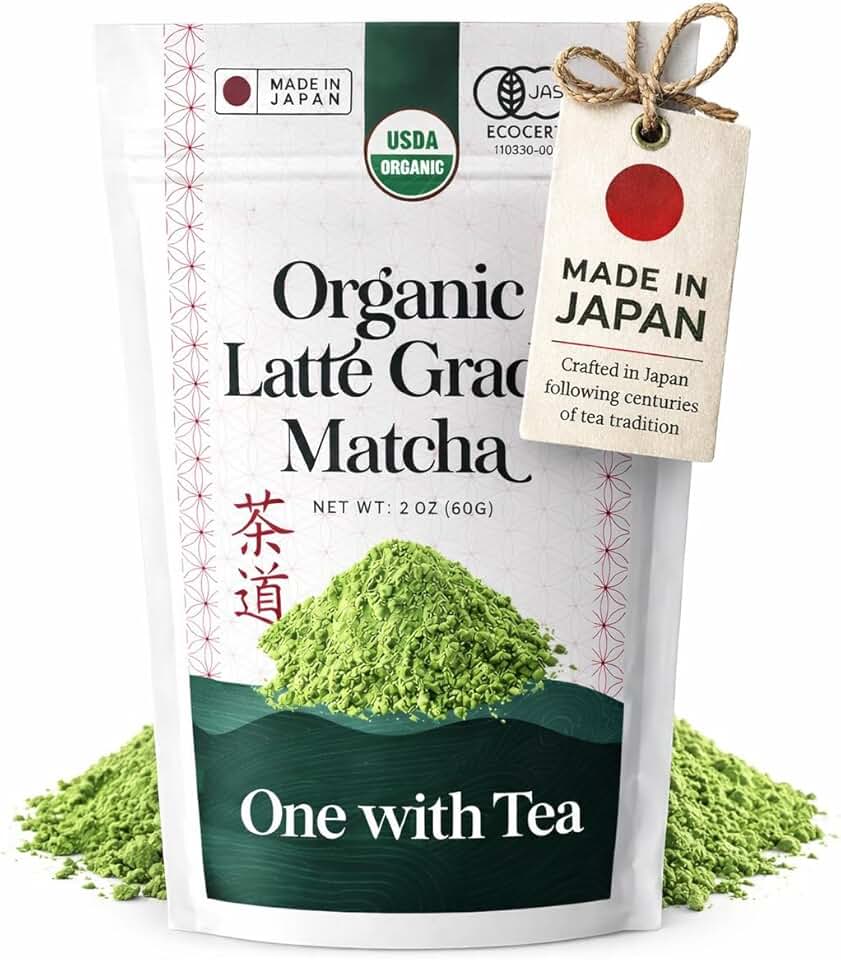
Latte Grade · USDA Organic · Smooth Flavor
Designed for creating smooth and delicious matcha lattes, this latte grade powder offers a pleasant flavor profile.
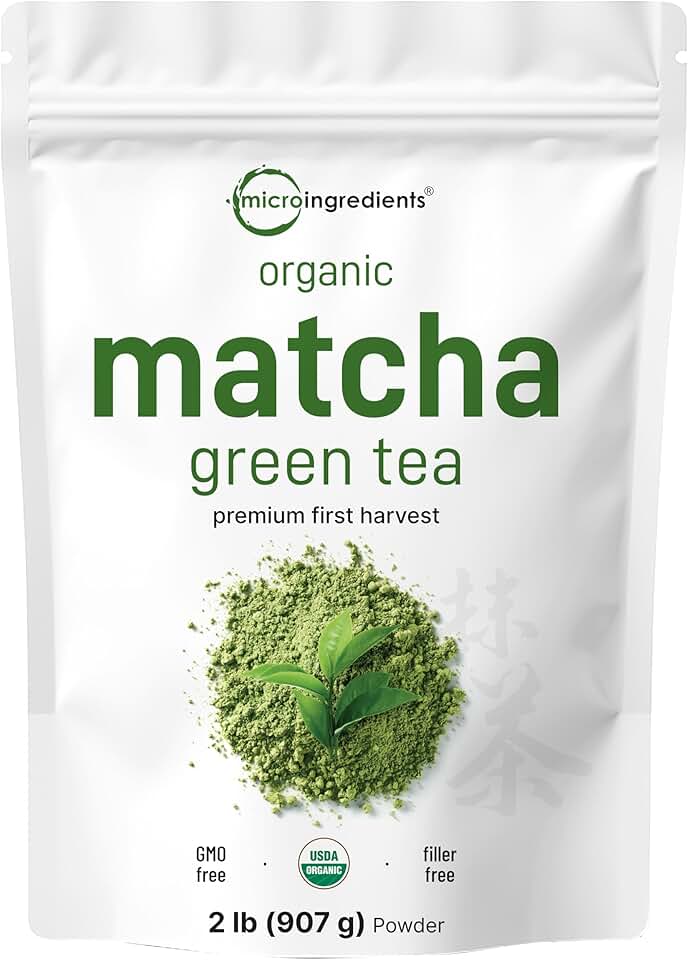
Organic Matcha Green Tea Powder · USDA Organic · 2 lb Bulk Size
A cost-effective, large-sized organic matcha powder for those who consume matcha regularly and want to stock up.
As an Amazon Associate I earn from qualifying purchases. Prices may vary.
No comments yet. Be the first to share your thoughts!