

Matcha vs Coffee: A Visual Breakdown
Coffee, brewed drip or espresso, is a dark, often opaque, brown. It’s readily available, served in countless cafes, and designed for quick consumption. Matcha, however, presents quite differently. It’s a green powder whisked into hot water, creating a frothy drink. The color hints at the nutrients within.
Coffee originated in Ethiopia and Yemen, spreading globally and becoming a staple of many morning routines. Matcha is deeply ingrained in Japanese culture, specifically the Japanese tea ceremony, chanoyu. This ceremony is a ritualized practice emphasizing harmony, respect, purity, and tranquility. It’s a deliberate, mindful experience, unlike the hurried act of grabbing a coffee on the go.
Coffee is often about a quick energy boost. Matcha, though it provides energy too, carries a sense of calm and intention. It’s a moment to pause and appreciate the process. The ritual isn't just about the tea; it’s about cultivating a state of mind.
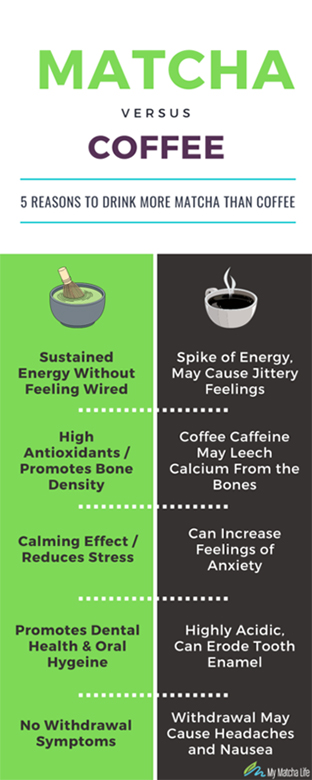
Caffeine Content: Beyond the Buzz
Coffee generally contains a higher amount of caffeine per serving. An 8-ounce cup of brewed coffee typically has around 95mg, though this varies depending on the bean and brewing method. Matcha usually contains around 70mg per serving (about 1 teaspoon of powder). Focusing solely on milligrams doesn’t tell the whole story.
Matcha contains a unique amino acid called L-theanine. This compound modulates caffeine's effects. Harvard Health Publishing notes L-theanine promotes relaxation without drowsiness and can work synergistically with caffeine to improve focus and cognitive performance.
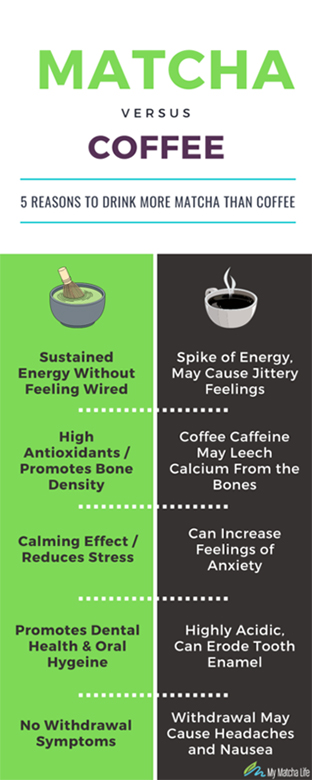
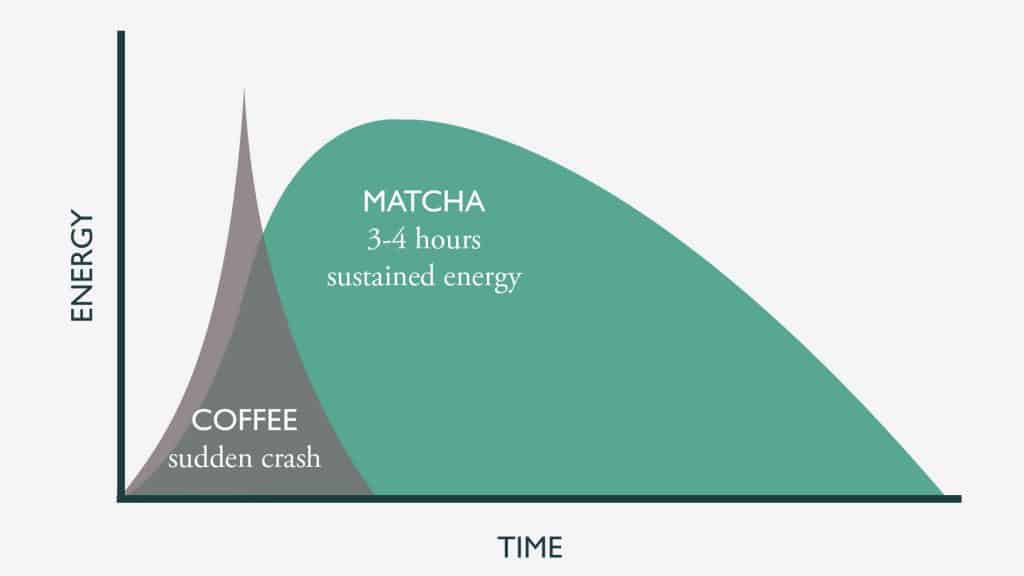
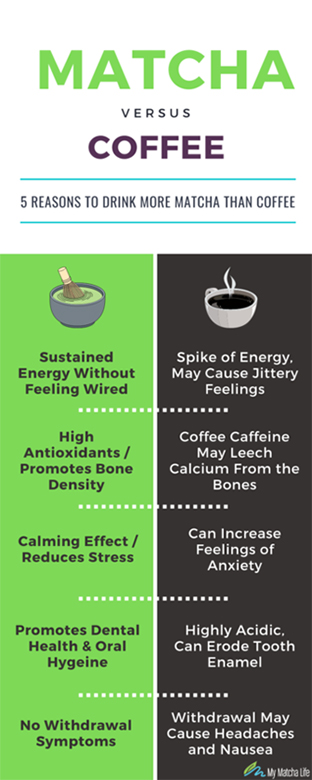
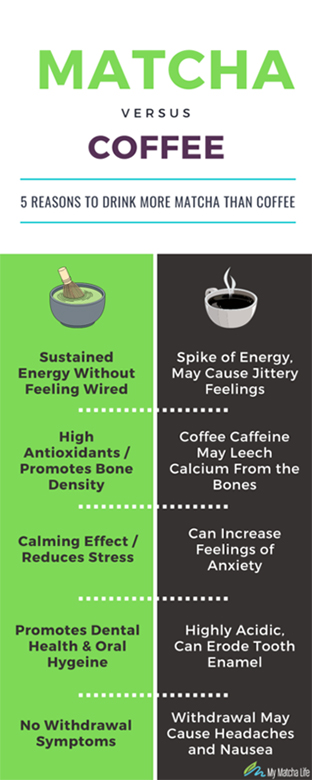
While coffee can deliver a quick jolt followed by a potential crash, matcha provides a more sustained and balanced energy boost. L-theanine helps smooth out the peaks and valleys, leading to calmer alertness. It’s not about which has 'more' caffeine, but how that caffeine impacts your body and mind. Individual sensitivity to caffeine varies greatly.
Here's a quick comparison table:
- Brewed Coffee (8oz): 95mg Caffeine, Minimal L-Theanine
- Matcha (1 tsp powder): 70mg Caffeine, 25-50mg L-Theanine
Caffeine and L-Theanine Content: Matcha vs. Coffee (per 8oz Serving)
| Beverage | Caffeine Content (mg) | L-Theanine Content (mg) |
|---|---|---|
| Brewed Coffee | 95-200 | Approximately 0-5 |
| Espresso | 63 | Approximately 0-5 |
| Matcha (Ceremonial Grade) | 70 | 25-50 |
| Matcha (Culinary Grade) | 60-70 | 20-40 |
| Black Tea (8oz) | 47 | Approximately 0-5 |
Illustrative comparison based on the article research brief. Verify current pricing, limits, and product details in the official docs before relying on it.
Antioxidant Power: A Deep Dive
Matcha has exceptional antioxidant content. It’s made from the entire tea leaf, ground into a fine powder, meaning you consume 100% of the leaf’s nutrients. This contrasts with steeped green tea, where many beneficial compounds remain in the water and are discarded. The main antioxidants in matcha are catechins, plant compounds with health benefits.
Epigallocatechin gallate (EGCG) is a catechin that stands out. EGCG is an antioxidant linked to positive health outcomes. Antioxidants neutralize free radicals, which are unstable molecules that can damage cells, contributing to aging and diseases.
A study in the Journal of Chromatography A (PMC, 2016) found matcha had higher levels of EGCG compared to other green teas. This research detailed approximately 136mg of EGCG per gram of matcha powder. These antioxidants have been linked to improved heart health, brain function, and a reduced risk of certain cancers, though more research is needed.
EGCG may also support healthy cholesterol levels and boost the immune system. It’s a concentrated source of these protective compounds, making matcha a valuable addition to a health-conscious diet.
- Heart Health: EGCG may improve blood vessel function.
- Brain Function: Antioxidants protect against oxidative stress, potentially enhancing cognitive performance.
- Cancer Prevention: Some studies suggest EGCG may inhibit cancer cell growth (more research needed).
- Immune Support: Antioxidants strengthen the body's natural defenses.
Matcha’s Potential Health Advantages
- Heart Health Support - Matcha is rich in catechins, a type of antioxidant, which studies suggest may help lower LDL cholesterol and blood pressure, key factors in maintaining cardiovascular health.
- Enhanced Cognitive Function - L-theanine, an amino acid abundant in matcha, promotes alpha brain wave activity. This can lead to improved focus, alertness, and a sense of calm, without the jitters often associated with coffee.
- Potential Cancer Prevention - Epigallocatechin gallate (EGCG), the most prominent catechin in matcha, has been researched for its potential to inhibit the growth of certain cancer cells. While more research is needed, preliminary studies are promising.
- Improved Liver Health - Some studies indicate that matcha consumption may help protect against liver damage and promote liver health, potentially due to its antioxidant properties.
- Boosted Immune System - The high concentration of antioxidants in matcha, particularly EGCG, can help strengthen the immune system by fighting off free radicals and reducing oxidative stress.
- May Aid in Weight Management - Matcha may slightly boost metabolism and increase fat burning during exercise, contributing to weight management efforts when combined with a healthy diet and lifestyle.
- Enhanced Detoxification - Matcha’s chlorophyll content may assist the body’s natural detoxification processes, helping to eliminate heavy metals and toxins.
The Impact on Anxiety & Stress
L-theanine reduces anxiety and stress. It promotes alpha brain waves, associated with relaxed alertness. You can experience calmness and focus without the drowsiness often associated with other relaxation aids.
Coffee can sometimes trigger the release of cortisol (the stress hormone) and exacerbate anxiety. Matcha tends to have a more calming effect. The combination of L-theanine and moderate caffeine supports a sense of well-being. It’s a gentler energy boost that doesn’t leave you feeling jittery or on edge.
The observed effects of matcha are compelling. Many people report feeling a sense of calm focus after drinking it, even in stressful situations. It’s a popular choice for those seeking a natural way to manage anxiety and improve their overall mood.
Everyone responds differently. If you’re sensitive to caffeine or prone to anxiety, matcha might be a more suitable alternative to coffee.
- Promotes Alpha Brain Waves: Associated with relaxed alertness.
- Reduces Cortisol Levels: May help mitigate the stress response.
- Calming Effect: Offers a sense of well-being without drowsiness.
Matcha & Metabolic Health
Matcha may link to metabolic health. Research suggests EGCG, a catechin in matcha, may boost metabolism and promote weight management. The theory is that EGCG can increase fat oxidation during exercise and at rest.
Approach these claims with caution. Matcha is not a magic bullet for weight loss or a substitute for a healthy diet and regular exercise. The effects observed in studies are often modest and require further investigation. Individual responses can vary.
A study in the American Journal of Clinical Nutrition (2005) found green tea extract, rich in catechins like EGCG, could slightly increase energy expenditure. While this study didn't focus on matcha, it provides insight into the potential metabolic effects of these compounds. This was a controlled study, and real-world results may differ.
Matcha can be a healthy addition to a balanced lifestyle, but shouldn’t be relied upon as a primary weight loss solution. It’s about supporting overall health and well-being, which can indirectly
- Increased Fat Oxidation: EGCG may help the body burn more fat.
- Boosted Metabolism: Potential for a slight increase in energy expenditure.
- Improved Insulin Sensitivity: Some evidence suggests EGCG may improve insulin function.
Making the Switch: Practical Tips
So, you’re intrigued by matcha and want to incorporate it into your routine? Excellent! First, understand that not all matcha is created equal. There are two main grades: ceremonial and culinary. Ceremonial grade is made from the youngest tea leaves and is best for drinking straight, like in a traditional matcha latte. It has a smoother, more delicate flavor.
Culinary grade is made from slightly older leaves and has a bolder, more robust flavor. It’s ideal for incorporating into recipes like smoothies, baked goods, or lattes with other flavors. It's also generally more affordable. Don't feel you need to start with ceremonial grade – culinary matcha is a great way to experiment.
To prepare a basic matcha latte, you’ll need matcha powder, hot water (not boiling!), a whisk (a bamboo chasen is traditional, but a small metal whisk works too), and your milk of choice. Sift about 1-2 teaspoons of matcha into a bowl, add 2 ounces of hot water, and whisk vigorously in a 'W' or 'M' shape until frothy. Then, add your milk and sweetener (if desired).
Here's a simple step-by-step guide:
1. Sift 1-2 tsp matcha into a bowl.
2. Add 2 oz hot (not boiling) water.
3. Whisk vigorously until frothy.
4. Add milk (dairy or non-dairy) and sweetener to taste.
Potential side effects are rare, but some people may experience digestive upset, especially if they consume too much matcha on an empty stomach. Starting with a smaller amount and gradually increasing your intake can help mitigate this. It is also important to be mindful of the caffeine content, especially if you are sensitive.
Beyond lattes, get creative! Try adding matcha to smoothies for a vibrant green boost, incorporating it into cookies or cakes for a unique flavor, or even using it as a seasoning for savory dishes.
Top Matcha Products for 2026
Finding high-quality matcha can feel overwhelming, so here are a few top contenders for 2026, based on customer reviews and sourcing practices. Keep in mind prices can fluctuate, but these represent a good range of options.
Ippodo Tea Co. Kyoto Ceremonial Grade Matcha: (Approx. $35/30g) A highly respected Japanese tea company known for its traditional methods and exceptional quality. This matcha has a vibrant green color and a smooth, umami flavor.
Jade Leaf Organic Matcha Green Tea Powder: (Approx. $25/1oz) A popular choice for beginners, Jade Leaf offers a good balance of quality and affordability. It’s certified organic and has a slightly bolder flavor.
MatchaBar Ceremonial Grade Matcha: (Approx. $40/30g) MatchaBar focuses on sustainability and ethical sourcing. Their ceremonial grade matcha is vibrant and flavorful, perfect for lattes and traditional preparation.
Aiya Matcha Zen Cafe Blend: (Approx. $20/1oz) A versatile culinary grade matcha that’s great for smoothies, baking, and lattes. It has a robust flavor that stands out in recipes.
Rishi Tea Everyday Matcha: (Approx. $28/1.06oz) Rishi Tea is committed to direct trade and sustainable practices. Their everyday matcha is a good value for a high-quality product.
Encha Matcha Ceremonial Grade: (Approx. $50/30g) Encha emphasizes the health benefits of matcha and offers a premium ceremonial grade powder with a delicate flavor profile. They have a strong focus on quality control.
Yunomi Organic Matcha: (Approx. $30/30g) Yunomi offers a wide variety of matcha, including organic options. Their matcha is sourced directly from Japanese farms and is known for its freshness.
- Amazon Affiliate Disclaimer: As an Amazon Associate, I earn from qualifying purchases.
Featured Products

Ceremonial Grade, First Spring Harvest · Sourced from Kagoshima, Japan · USDA Organic
This ceremonial grade matcha offers a pure, vibrant flavor perfect for authentic matcha lattes.

Premium Culinary Grade · USDA Certified Organic · Versatile for lattes, smoothies, and baking
An excellent choice for everyday matcha lattes, this culinary grade powder provides a smooth taste and is ideal for incorporating into various recipes.

Ceremonial Grade from Uji, Kyoto · Stone-ground for rich umami flavor · Zero sugar, vegan, 0 calories
Experience the authentic taste of Uji matcha, known for its vibrant color and umami notes, perfect for a traditional and healthy latte.

Superior Ceremonial Blend · First Harvest from Uji, Kyoto · Authentic Japanese matcha
This superior ceremonial blend from Kyoto delivers a refined matcha experience, ideal for crafting sophisticated and health-conscious lattes.
As an Amazon Associate I earn from qualifying purchases. Prices may vary.
Expert Opinions: What Health Professionals Say
Registered Dietitian, Lisa Richards, CNC, emphasizes the antioxidant benefits of matcha, stating, “Matcha is a powerhouse of antioxidants, particularly EGCG, which can help protect against cellular damage and reduce the risk of chronic diseases.” She also notes the calming effect of L-theanine, adding, “Unlike coffee, matcha provides a sustained energy boost without the jitters or crash.”
Dr. Amy Lee, Head of Nutrition for Nucific, highlights the metabolic benefits, saying, “The catechins in matcha can help boost metabolism and increase fat oxidation, making it a potentially useful addition to a weight management plan.” However, she cautions against relying solely on matcha for weight loss and stresses the importance of a balanced diet and exercise.
In an interview with Well+Good, nutritionist Maya Feller, MS, RD, CDN, points out that matcha can be a healthier alternative to coffee for those sensitive to caffeine. “The L-theanine in matcha helps to modulate the effects of caffeine, leading to a more calm and focused energy.” She also emphasizes the importance of choosing a high-quality matcha powder from a reputable source.
These experts generally agree that matcha offers a unique combination of health benefits, making it a valuable addition to a healthy lifestyle. While more research is always needed, the existing evidence suggests that matcha can be a beneficial alternative to coffee for many people.
No comments yet. Be the first to share your thoughts!