

Make the Recipe
Building a creamy iced matcha latte starts with nailing the ratio. The sweet spot is 4 grams of matcha powder to 60 grams of water, whisked into a smooth paste before adding milk and ice. This 1:15 powder-to-liquid ratio ensures you taste the tea, not just the dairy.
The secret to a clump-free drink is the initial whisking. Matcha powder is fine and tends to ball up in cold liquid. By starting with hot water and a bamboo whisk (or a small electric frother), you create a concentrated base that dissolves easily. Once that base is smooth, the rest of the drink comes together in seconds.
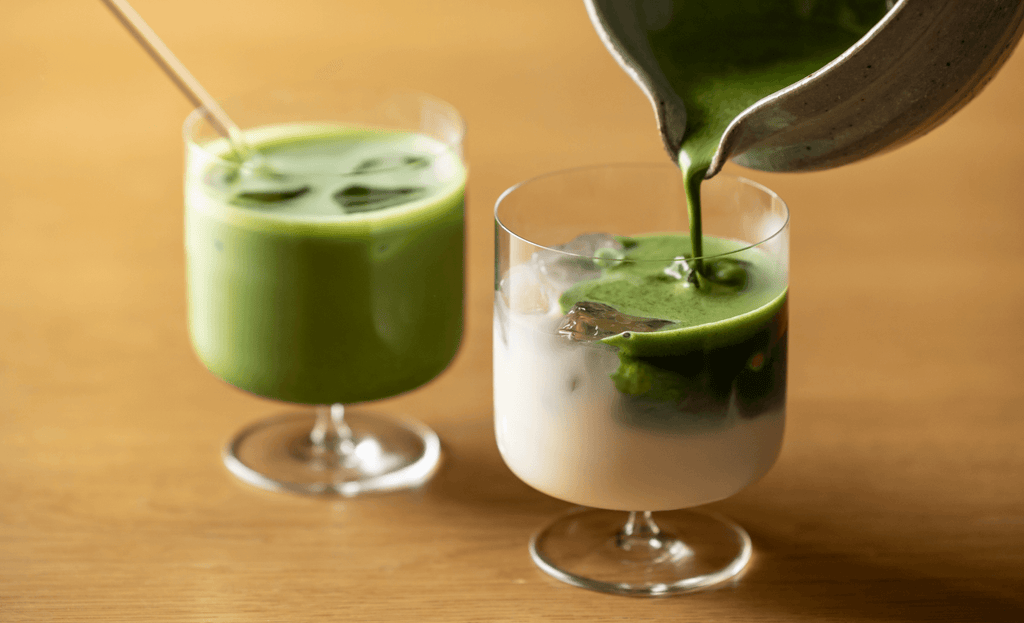
This ratio is flexible. If you prefer a stronger tea flavor, increase the matcha to 5 grams or reduce the milk slightly. For a lighter drink, stick to the 4-gram baseline and use a milk with higher fat content, like oat or whole milk, to boost the creaminess without adding extra sweetness.
Keep the texture right
The difference between a gritty, watery drink and a smooth, creamy latte comes down to hydration and temperature control. If your matcha clumps or sits on top of the milk, the ratio is off. Follow these steps to ensure every sip is consistent.
Start by adding your matcha powder to a bowl. Pour in just enough hot water (about 170°F/75°C) to create a thick paste. This "blooming" step hydrates the fine particles, preventing dry clumps from forming later. Whisk vigorously until the surface is completely smooth and glossy. If you see bubbles, that’s fine—they’ll settle or integrate when you add the milk.
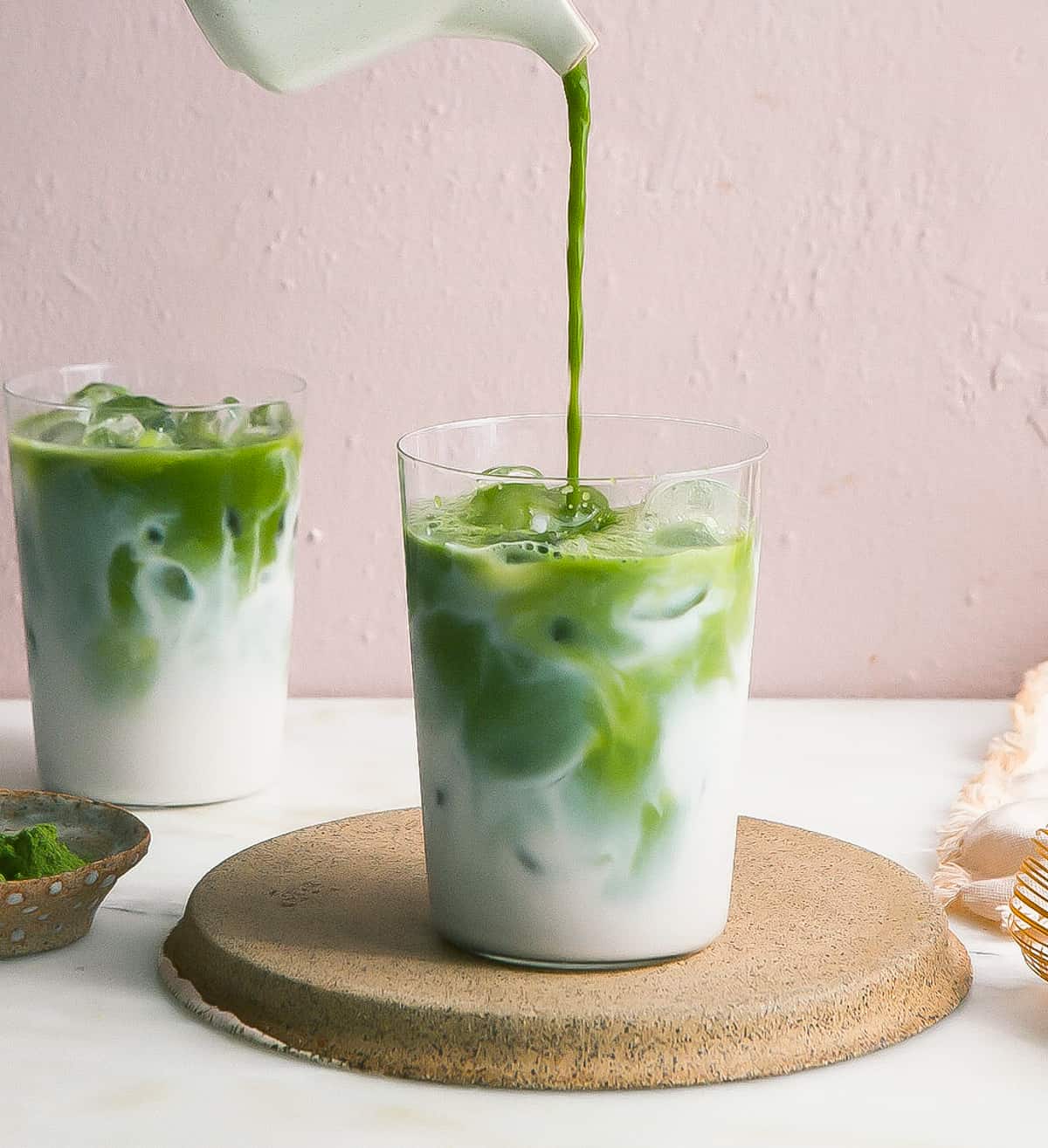
A common mistake is using too much milk, which dilutes the flavor and creates a thin, watery mouthfeel. For a standard 12oz serving, aim for a 1:4 ratio of matcha concentrate to milk. If you’re using 2 teaspoons of powder, start with 2 tablespoons of hot water for the paste, then add about 1 cup of cold milk. Adjust slightly based on your taste, but keep the milk volume lower than you might think for a hot latte.
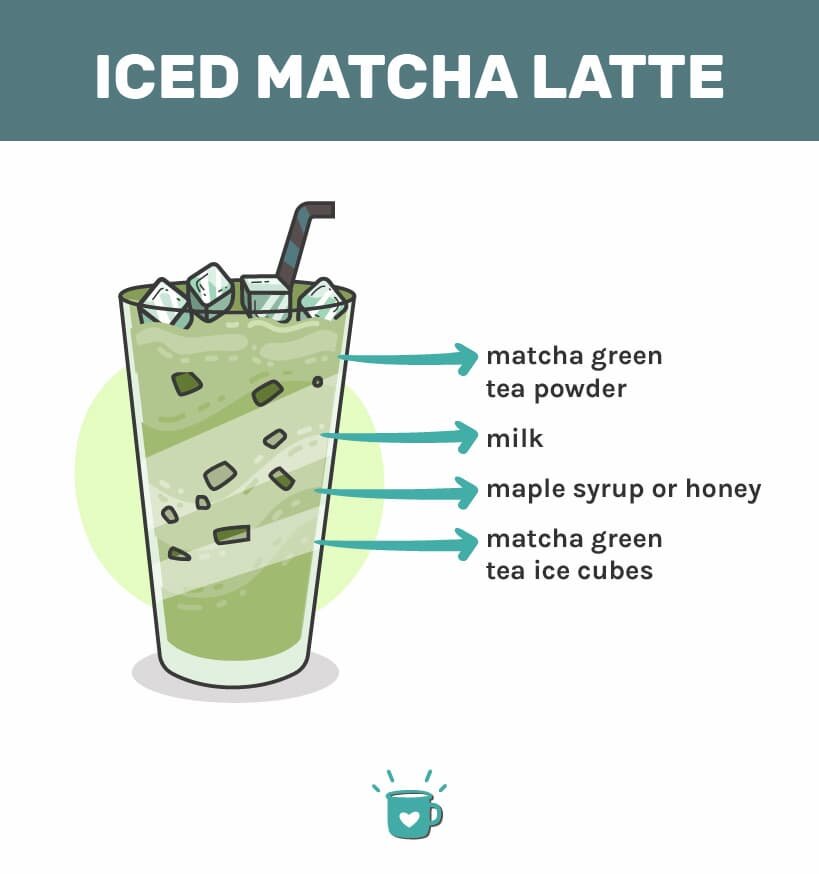
Temperature matters for texture. Pour your chilled milk over a full glass of ice before adding the matcha paste. The cold milk helps suspend the matcha, creating a layered look initially, but stirring it in creates a uniform, creamy emulsion. Warm milk can cause the matcha to separate or taste bitter. Always use fresh, cold milk for the best creamy consistency.
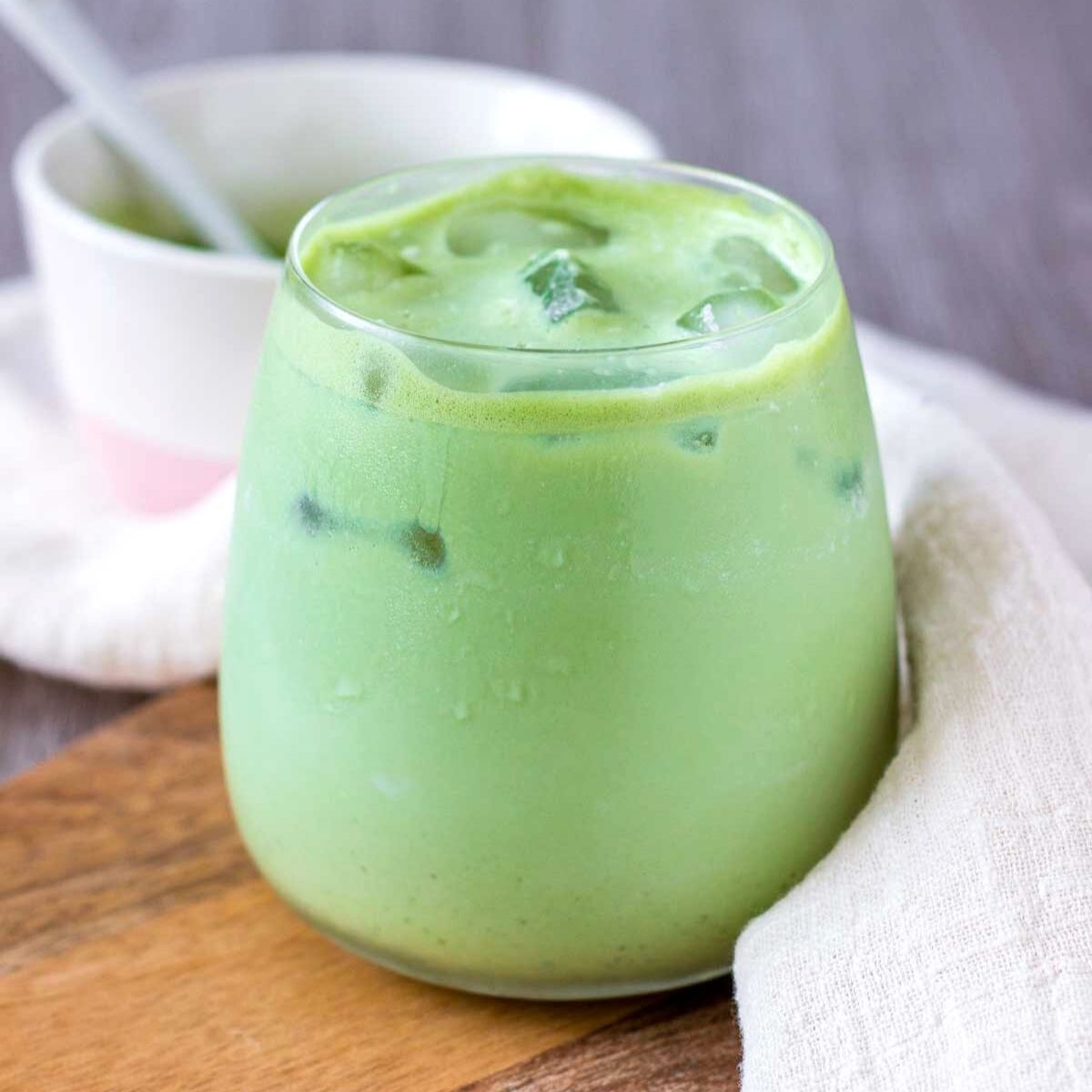
Unlike espresso-based iced drinks, matcha doesn’t need to be shaken to create foam, which can actually make it look frothy but taste watery. Instead, use a spoon or a small whisk to gently stir the matcha paste into the milk. This ensures the powder is fully dissolved and integrated. If you used a bamboo whisk earlier, give it a final gentle swirl to combine everything evenly.
Swaps that still work
You can adjust the base ingredients of your iced matcha latte without losing the creamy texture or the distinct grassy flavor. The goal is to maintain the balance between the matcha powder and the liquid, ensuring the drink doesn't become watery or overwhelmingly bitter.
Milk alternatives
Dairy milk provides a classic creamy mouthfeel, but plant-based options work just as well if you choose the right type. Oat milk is a top choice because its natural sweetness and thickness mimic dairy creaminess without overpowering the matcha. Almond milk is lighter and nuttier, which pairs well with the tea but may result in a thinner texture. Coconut milk adds a tropical note and richness, though the flavor profile shifts significantly. For a lighter option, soy milk offers protein and stability, preventing the matcha from separating too quickly in the ice.
Sweeteners
Matcha is naturally bitter, so sweetening is often necessary for balance. Granulated sugar dissolves best in the warm water used to whisk the matcha powder. Honey and agave syrup are excellent liquid alternatives that blend seamlessly without leaving grit. Maple syrup adds a distinct woody flavor that complements the earthy notes of the tea. If you prefer zero-calorie options, stevia or monk fruit extract work, but use them sparingly as they can have a metallic aftertaste that clashes with the delicate tea.
Powder and water ratios
The foundation of a good latte is the correct powder-to-liquid ratio. A standard starting point is 2 teaspoons (about 4 grams) of matcha powder to 60 grams of water for whisking. This creates a concentrated paste that prevents clumps. When adding milk or water, keep the total volume around 200-250ml. If you find the matcha too strong, increase the liquid slightly, but avoid diluting the powder too much, or the flavor will disappear.
| Ingredient | Swap | Effect on Texture/Flavor | Best For |
|---|---|---|---|
| Dairy Milk | Oat Milk | Similar creaminess, slightly sweeter | Lactose-free creaminess |
| Dairy Milk | Almond Milk | Thinner, nutty flavor | Lighter, lower-calorie drink |
| Sugar | Honey/Agave | Dissolves easily, floral notes | Smooth, natural sweetness |
| Hot Water | Cold Water | Harder to whisk, potential clumps | Quick prep without heating |
Serve and store it
Your iced matcha latte is best enjoyed immediately while the ice is cold and the matcha is vibrant. If you’re making a batch for later, keep the matcha concentrate and milk separate until you’re ready to pour. This prevents the milk from absorbing the strong green tea flavor and keeps the texture smooth.
Storing leftovers
Store any unused matcha concentrate in an airtight container in the refrigerator for up to two days. The flavor will degrade slightly over time, so use it within 48 hours for the best taste. Do not freeze the concentrate, as this can alter the texture and flavor profile of the matcha powder.
Reheating and serving
Since this is an iced drink, reheating isn’t necessary. However, if you accidentally leave it out for too long, the matcha may become bitter. For the best results, stir the concentrate well before adding it to your cold milk and ice. This ensures an even distribution of flavor and color in every sip.
iced matcha latte ratio questions
Even with the right tools, getting the balance just right can feel tricky. Here are the most common hurdles readers face when dialing in their iced matcha latte ratio, along with practical fixes.
How much matcha powder should I use for one cup?
For a standard 12-ounce drink, start with 2 teaspoons (about 4 grams) of ceremonial-grade matcha. This amount provides a vibrant green color and a strong, earthy flavor that stands up to the milk and ice. If you prefer a milder taste, reduce it to 1 teaspoon, but be aware the flavor may get lost under the dairy.
What is the best water-to-matcha ratio for whisking?
The golden rule is a 1:10 powder-to-water ratio. For 4 grams of matcha, use roughly 40 milliliters (about 1.5 ounces) of hot water, ideally between 175°F and 180°F. Using too much water will make the base thin and watery, while too little will create a thick paste that is hard to whisk smooth. Whisk vigorously until you see a layer of fine foam on top.
Can I use cold water instead of hot water to mix the matcha?
Hot water is essential for properly dissolving matcha powder. Cold water will leave you with clumps and a gritty texture because the fine particles don't disperse well without heat. If you are short on time, you can use a small amount of hot water to create the paste, then immediately add cold water or milk to cool it down before pouring over ice.
Does the type of milk change the ideal ratio?
Yes. Oat milk and whole dairy milk are naturally creamy and slightly sweet, so the standard 2 teaspoons of matcha to 1 cup of milk works perfectly. If you use thinner milks like almond or rice milk, you might want to increase the matcha to 2.5 or 3 teaspoons to ensure the flavor isn't diluted. You can also add a teaspoon of simple syrup if your milk is unsweetened and you want a sweeter latte.
No comments yet. Be the first to share your thoughts!