


The Science Behind Matcha Lattes and Metabolism
When it comes to choosing between an iced or hot matcha latte, many health-conscious consumers wonder which option delivers better metabolic benefits and calorie efficiency. The answer isn't as straightforward as you might think, as both temperature and preparation methods play crucial roles in determining the overall health impact of your matcha beverage.
Matcha lattes have gained tremendous popularity not just for their distinctive earthy flavor, but also for their impressive array of health benefits. This finely ground green tea powder contains concentrated levels of catechins, particularly epigallocatechin gallate (EGCG), which research suggests can support metabolism and fat oxidation. Understanding how temperature affects these compounds is essential for maximizing your matcha latte's potential benefits.

Understanding the Caloric Differences
The caloric content between iced and hot matcha lattes varies significantly based on preparation methods and ingredient choices. An iced matcha latte typically contains approximately 195 calories per serving, with 7g of fat, 26g of carbohydrates, and 8g of protein when prepared with matcha powder, full-fat milk, sweetener, and ice. In contrast, hot matcha lattes generally range from 150 to 200 calories per serving, depending on milk type and sweetener amounts.
The primary factors influencing these caloric differences include:
- Milk concentration: Hot lattes often use less milk due to the warming process, while iced versions may require more liquid to achieve the desired consistency
- Sweetener absorption: Cold beverages typically require more sweetener to achieve the same perceived sweetness level
- Preparation additives: Iced versions may include additional ingredients like syrups or cream to enhance texture and flavor
Nutritional Breakdown: Iced vs Hot Matcha Latte Comparison
Temperature's Impact on Matcha Benefits
The temperature at which you consume your matcha latte can significantly affect the bioavailability and potency of its beneficial compounds. Hot matcha lattes may offer enhanced absorption of certain antioxidants, as heat can help break down cell walls in the matcha powder, potentially making nutrients more accessible to your digestive system.
However, excessive heat can also degrade some of matcha's delicate compounds. The traditional Japanese tea ceremony typically uses water heated to around 175-185°F (79-85°C), which is hot enough to extract beneficial compounds without destroying them. Many commercial hot matcha lattes exceed these temperatures, potentially reducing the concentration of heat-sensitive antioxidants.
Iced matcha lattes preserve the integrity of temperature-sensitive compounds but may have slower absorption rates. The cold temperature can slow down your body's metabolic processes initially, though this effect is temporary and often offset by matcha's natural metabolism-boosting properties.
Metabolism and Thermogenesis Considerations
Both hot and iced matcha lattes can support metabolism through different mechanisms. Hot beverages create a temporary increase in thermogenesis – the process by which your body burns calories to produce heat. This thermal effect can boost your metabolic rate for 30-60 minutes after consumption, potentially burning an additional 10-15 calories.
Iced matcha lattes trigger a different metabolic response. Your body must work to warm the cold liquid to body temperature, a process that burns calories through thermogenesis. While this effect is modest – typically burning 5-10 additional calories per cold beverage – it demonstrates that both temperature options can contribute to metabolic activity.
The matcha itself provides the most significant metabolic benefits regardless of temperature. The catechins in matcha, particularly EGCG, have been shown to increase fat oxidation and boost metabolic rate by 4-5% in clinical studies. These effects are present in both hot and iced preparations, making the choice more about personal preference and specific health goals.
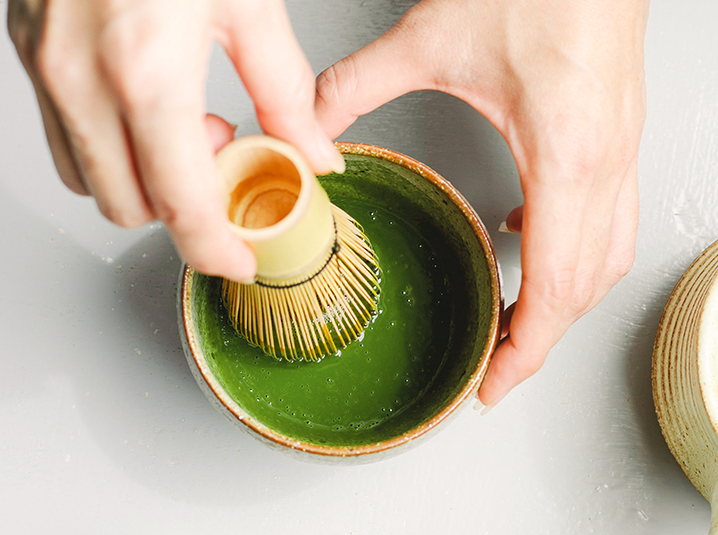
Temperature's Impact on Matcha's Bioactive Compounds
The temperature at which you consume your matcha latte significantly affects the bioavailability of its key metabolic compounds. Research indicates that hot beverages can enhance the absorption of catechins, particularly EGCG (epigallocatechin gallate), which is the primary compound responsible for matcha's metabolism-boosting properties. Hot water extraction increases the solubility of these antioxidants, potentially making them more readily available for your body to utilize.
Conversely, iced matcha lattes may preserve certain heat-sensitive vitamins and amino acids, including L-theanine, which works synergistically with caffeine to provide sustained energy without jitters. The cold preparation method prevents the degradation of these delicate compounds that can occur during hot brewing processes.
Calorie Burn Analysis: Hot vs Cold Consumption
The metabolic impact of consuming hot versus cold beverages extends beyond the matcha itself. When you drink a hot matcha latte, your body experiences thermogenesis - a temporary increase in metabolic rate as it works to cool down your internal temperature. This process can burn an additional 8-15 calories per cup, though the effect is relatively modest.
Metabolic Rate and Calorie Burn: Hot vs Iced Matcha Lattes Over 2 Hours
Interestingly, consuming iced beverages also triggers a metabolic response, but in the opposite direction. Your body must expend energy to warm the cold liquid to body temperature, burning approximately 5-10 calories per cold beverage. While this difference seems minimal, regular consumption patterns can accumulate over time.
Optimizing Your Matcha Latte for Maximum Benefits
To maximize the health benefits of matcha lattes regardless of temperature preference, focus on ingredient quality and preparation methods. High-grade ceremonial matcha contains higher concentrations of beneficial compounds compared to culinary-grade varieties. Additionally, choosing unsweetened plant-based milk alternatives can reduce overall caloric content while maintaining the drink's creamy texture.
The timing of consumption also plays a crucial role in metabolic benefits. Consuming matcha lattes 30 minutes before physical activity can enhance fat oxidation during exercise, regardless of whether you choose hot or iced preparation. The caffeine and EGCG combination works to mobilize fatty acids and increase energy expenditure during workouts.
Perfect Metabolism-Boosting Matcha Latte Recipe
This versatile recipe can be prepared hot or iced while maintaining optimal nutritional benefits:
For the hot version, use water heated to 175°F to preserve delicate compounds while ensuring proper extraction. For the iced version, prepare a concentrated matcha base with slightly less water, then add ice and cold milk to maintain flavor intensity without dilution.
The Verdict: Which Reigns Supreme?
The difference in calorie burn and metabolic boost between hot and iced matcha lattes is marginal from a purely thermodynamic perspective. Hot matcha lattes may have a slight edge in compound bioavailability and thermogenic effect, burning approximately 3-5 more calories per serving. However, this advantage is easily offset by personal preference and consistency of consumption.
The most significant factor in maximizing matcha benefits is regular consumption of high-quality matcha prepared with minimal added sugars and healthy milk alternatives. Whether you prefer the warming comfort of a hot latte or the refreshing coolness of an iced version, both provide substantial health benefits including improved metabolism, enhanced fat oxidation, and sustained energy levels.
Frequently Asked Questions
Ultimately, the best matcha latte for metabolism is the one you'll drink consistently as part of a healthy lifestyle. Focus on quality ingredients, proper preparation techniques, and enjoy your preferred temperature while reaping the numerous health benefits of matcha.
No comments yet. Be the first to share your thoughts!