

Why homemade matcha beats cafe versions
Making matcha lattes at home offers three distinct advantages over buying them: cost savings, total customization, and quality control. When you brew your own, you eliminate the markup for labor and rent, turning a $5–$7 cafe habit into a sub-dollar daily ritual.
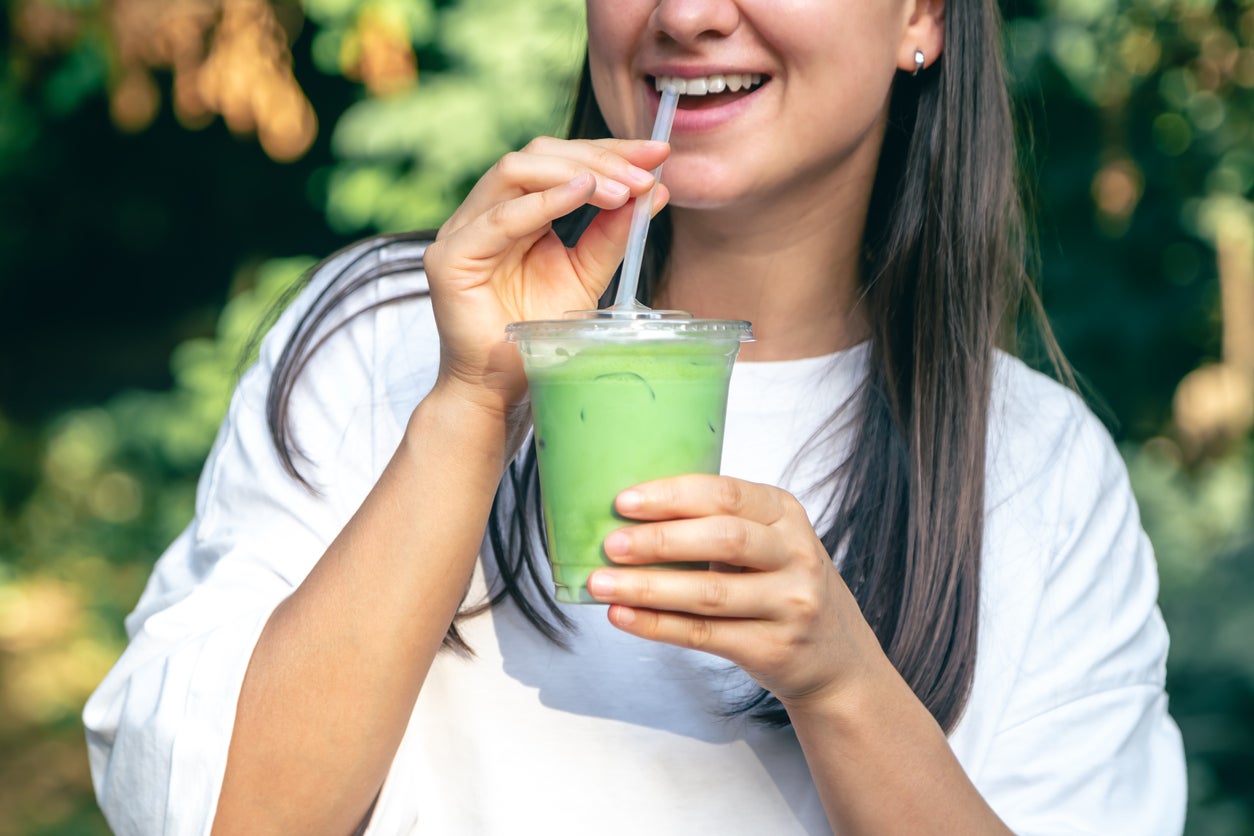
You also gain full control over sweetness and milk. A cafe latte is locked into their standard syrup pumps and dairy choices. At home, you can swap almond milk for oat, adjust honey to your taste, or skip sweeteners entirely. This flexibility ensures every cup aligns with your dietary preferences.
Finally, homemade brewing lets you choose high-grade ceremonial matcha. Many cafes use culinary-grade powder that can taste bitter or grassy. By sourcing premium powder and whisking it fresh, you use the vibrant green color and smooth, umami-rich flavor that defines a true matcha latte.
Choosing the right matcha powder
Selecting the correct grade of matcha is the single most important decision in brewing a good latte. Matcha is not a single product; it is categorized by quality, which directly dictates flavor, color, and price. For home brewing, you will primarily choose between ceremonial grade and culinary grade. Understanding the difference ensures you don't waste money on powder that is too bitter for your taste or too expensive for your needs.
Ceremonial grade matcha is made from the youngest tea leaves, stone-ground into a fine, vibrant green powder. It has a sweet, umami-rich flavor and a smooth texture, designed to be whisked with hot water and drunk plain. Because it is meant to be enjoyed without masking agents, it commands a higher price. Culinary grade matcha, on the other hand, is made from slightly older leaves. It has a stronger, more astringent, and bitter profile. This robustness allows it to stand up to the sweetness of milk and syrup, making it the practical choice for lattes.
Using ceremonial grade in a latte is often unnecessary and can feel wasted. The milk and sweetener will mask the delicate nuances of the premium powder. Conversely, using culinary grade for a plain tea will result in a harsh, grassy drink that many beginners find unpleasant. Think of it like coffee: you wouldn't use espresso beans for a slow drip brew if you wanted a smooth, nuanced cup, nor would you use light roast for a strong espresso if you wanted intensity. Matcha works the same way.
The table below compares the two main types to help you decide which one fits your brewing style.
| Grade | Flavor Profile | Best Use | Price |
|---|---|---|---|
| Ceremonial | Sweet, smooth, umami | Plain tea, traditional preparation | Higher |
| Culinary | Bold, astringent, bitter | Lattes, baking, smoothies | Lower |
For your first DIY matcha lattes, start with a mid-range culinary grade powder. It offers the best balance of flavor and cost, allowing you to experiment with milk-to-powder ratios without breaking the bank. As you refine your palate, you can invest in ceremonial grade for days when you want to enjoy the tea on its own.
The whisking technique for smooth lattes
Whisking is the single most important step in making a matcha latte. It breaks up the fine powder into tiny particles, allowing it to dissolve completely into the water. Without proper whisking, you will end up with a gritty drink full of bitter clumps.
Think of the whisk as a mixer that aerates the tea. The goal is to create a creamy, frothy layer on top that looks like the foam on a cappuccino. This foam traps the aroma and gives the latte its signature silky texture. It also helps distribute the matcha evenly throughout your milk.
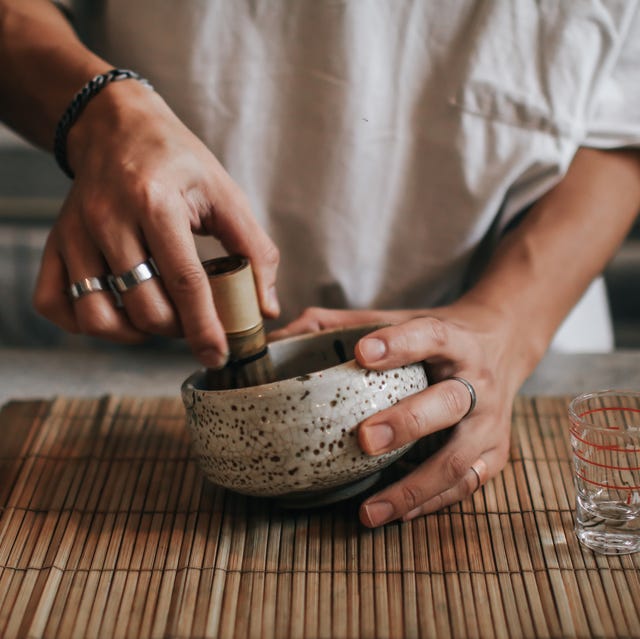
To get this result, you need a bamboo whisk, known as a chasen. These whisks have many fine, flexible tines that are designed specifically for breaking up matcha clumps. A standard kitchen whisk is too stiff and won't create the same delicate foam.
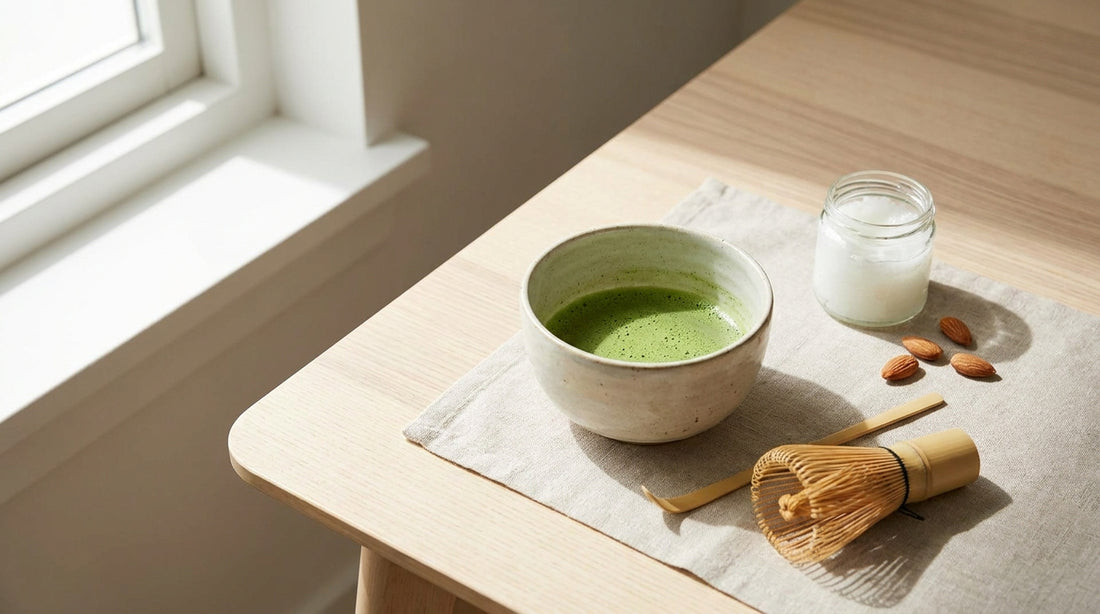
Once the foam is ready, you can pour the matcha concentrate over your steamed or frothed milk. The foam will rise to the top, creating a beautiful layered effect. If you prefer a more integrated drink, you can stir the foam into the milk for a uniform, creamy texture.
Hot and iced matcha latte recipes
Brewing the perfect matcha latte at home is simple once you master the whisking technique. The process is nearly identical for both hot and cold versions; the only difference is the temperature of your liquid and whether you add ice. Start with high-quality ceremonial grade matcha for the best flavor, as culinary grade can taste bitter when mixed with milk.
The secret to a smooth latte is removing clumps before the milk hits the bowl. Sifting your powder ensures a creamy texture without gritty bits. Whether you prefer the comfort of a warm morning drink or the refreshing snap of an iced version, these recipes give you precise measurements to start.
Milk choices that change the flavor
The milk you choose acts as a canvas for the matcha, shifting the drink from earthy and astringent to sweet and creamy. Since matcha has a distinct grassy profile, the fat content and natural sugars in your milk determine how balanced the final cup feels.
Dairy
Whole milk is the traditional standard for a reason. Its high fat content coats the tongue, softening matcha’s bitterness while letting the umami shine. If you prefer a lighter option, skim milk works but may result in a thinner texture and less sweetness.
Oat Milk
Oat milk has become a favorite among baristas for its natural sweetness and ability to froth well. It creates a velvety mouthfeel that mimics dairy without the heaviness. Look for barista editions, which contain added oils to prevent separation when mixed with hot matcha.
Coconut Milk
For a tropical twist, coconut milk adds a distinct aromatic note that pairs surprisingly well with matcha’s vegetal tones. Use canned coconut milk for a rich, decadent latte, or carton coconut milk for a lighter, lower-calorie option. Note that it will impart a stronger coconut flavor than other alternatives.
Almond Milk
Almond milk offers a nutty, subtle backdrop that doesn’t overpower the tea. It is a popular low-calorie choice, though it can sometimes taste slightly watery if not steamed properly. Choose unsweetened varieties to control the overall sugar content of your latte.
-
Dairy-free: Choose oat, almond, or coconut milk.
-
Low-calorie: Opt for unsweetened almond or skim milk.
-
High-protein: Use dairy or soy milk for a fuller experience.
Common mistakes to avoid when brewing
Even with high-quality ingredients, a dull, clumpy, or bitter matcha latte usually comes down to technique. You can fix most issues by adjusting three simple variables: water temperature, sifting, and whisking motion.
Water temperature that’s too high
Boiling water scorches matcha, releasing excessive tannins that make the drink taste bitter and astringent. Instead, use water heated to about 175°F (80°C). If you don’t have a thermometer, let the kettle sit for two minutes after boiling. This small wait preserves the sweet, umami notes of the tea.
Skipping the sift
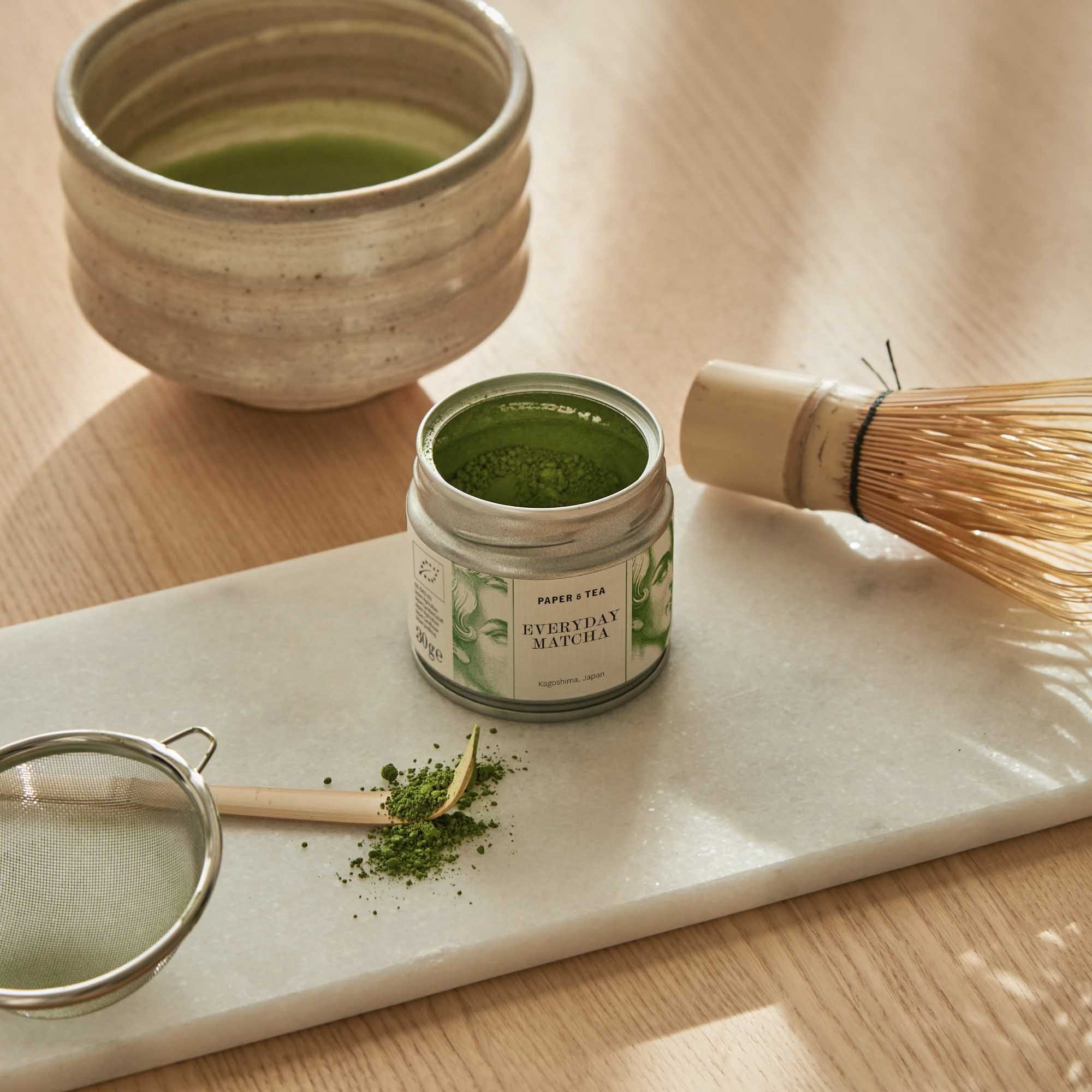
Matcha powder is fine and prone to clumping. Adding it directly to liquid creates stubborn lumps that are hard to dissolve. Always sift your matcha into the bowl before adding water. This breaks up the clumps and ensures a smooth, vibrant green base for your latte.
Incorrect whisking motion
Many beginners whisk in a circular motion, which tends to create large bubbles and doesn’t fully dissolve the powder. Instead, use a rapid "W" or "M" zigzag motion with your bamboo whisk. Keep the whisk tips close to the bottom of the bowl. This creates a fine, frothy layer without the large, unappetizing bubbles.
Using cold milk directly
Pouring cold milk over matcha powder can cause it to seize and clump instantly. If you’re making a hot latte, warm your milk slightly before frothing. This helps the matcha integrate smoothly, resulting in a creamy, uniform texture rather than a separated, grainy drink.
Health benefits of daily matcha consumption
Drinking matcha latte regularly offers a distinct wellness advantage over standard brewed tea. Because you consume the entire ground leaf, you get a higher concentration of antioxidants, particularly catechins like EGCG, which support cellular health.
Matcha also provides a unique energy profile. It contains caffeine, but it is balanced by L-theanine, an amino acid that promotes relaxation without drowsiness. This combination helps create a state of "calm alertness," making it a popular choice for morning routines or focused work sessions.
Frequently asked questions about matcha
Here are answers to common questions about brewing the perfect DIY matcha latte at home.
How much matcha powder should I use?
For a standard single serving, start with 1 to 2 teaspoons of ceremonial-grade matcha. If you prefer a milder flavor, use 1 teaspoon. For a stronger, more traditional taste, use 2 teaspoons. Always sift the powder before adding water to prevent clumps.
Can I make an iced matcha latte?
Yes, iced matcha lattes are popular and easy to make. Whisk the matcha powder with a small amount of hot water to create a smooth concentrate. Then, pour the concentrate over a glass filled with ice cubes and top it with your choice of cold milk, such as almond, oat, or coconut milk.
What is the best water temperature for matcha?
Use water heated to approximately 175°F (80°C). Water that is too hot can scorch the delicate matcha leaves, resulting in a bitter and astringent taste. If you do not have a thermometer, let boiling water sit for about two minutes before whisking.
How do I store matcha to keep it fresh?
Matcha is sensitive to light, heat, and air. Store your powder in an airtight container in the refrigerator or freezer to preserve its vibrant green color and fresh flavor. Use it within a few months of opening for the best quality.
No comments yet. Be the first to share your thoughts!