

Matcha's Rise: Beyond the Latte
Matcha is everywhere these days. It’s not just a trendy ingredient in lattes anymore; it's appearing in everything from smoothies to baked goods. I've personally noticed a considerable shift, especially in the last year. It feels less like a fleeting health fad and more like a genuine, sustained interest in this ancient beverage.
Historically, matcha is deeply rooted in Japanese culture, central to traditional tea ceremonies for centuries. These ceremonies weren't simply about drinking tea; they were about mindfulness, harmony, and respect. The powdered green tea was prepared with meticulous care, and the experience was deeply spiritual. This rich history is often overlooked in the rush to enjoy a quick matcha latte.
But something is changing. More and more people are actively seeking alternatives to coffee, driven by concerns about jitters, energy crashes, and long-term health effects. This has opened the door for matcha to step into the spotlight, offering a different kind of energy boost and a range of potential health benefits. It’s a fascinating transition to witness, as people rediscover a centuries-old tradition with modern needs in mind.
We’re seeing health professionals increasingly recommend matcha as a viable alternative to coffee, and that’s a significant indicator. It's no longer just a beverage for those 'in the know'; it's becoming a mainstream choice for those prioritizing wellness. The demand is clearly climbing, and it's sparking conversations about the nuances of both matcha and coffee.
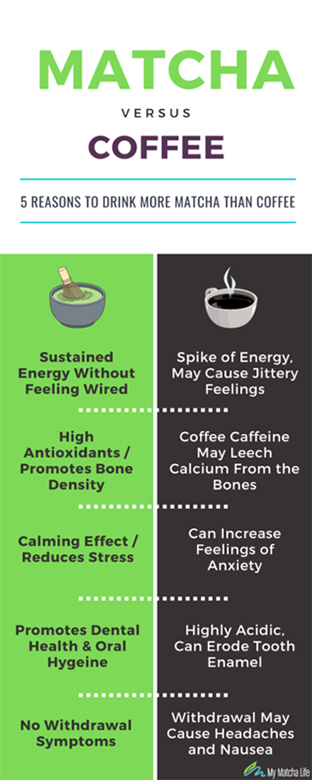
The Chemical Breakdown: Matcha vs. Coffee
The fundamental difference between matcha and coffee starts at the chemical level. Coffee beans contain caffeine, a stimulant that directly impacts the central nervous system. Matcha, also containing caffeine, has a unique advantage: it’s paired with L-theanine, an amino acid known for its calming effects.
A standard 8-ounce cup of coffee typically contains between 95 and 200 milligrams of caffeine, according to Mayo Clinic research (October 2023). Matcha, in comparison, generally has around 70 milligrams of caffeine per serving. While the absolute caffeine content is lower, the L-theanine in matcha alters how the body processes that caffeine.
Matcha is particularly rich in catechins, a type of antioxidant. Epigallocatechin gallate (EGCG) is the most abundant and well-studied catechin in matcha, known for its potent antioxidant properties. Coffee does contain antioxidants, like quinic acid, but the type and concentration differ significantly. The concentration of EGCG in matcha is substantially higher than the antioxidants found in coffee.
According to a study published in the Journal of Chromatography A (2017), matcha contains significant levels of other beneficial compounds, including vitamins, minerals, and chlorophyll. These compounds contribute to matcha’s overall nutritional profile and potential health benefits, setting it apart from coffee’s chemical composition.
- Caffeine Content: Coffee (95-200mg per 8oz), Matcha (approx. 70mg per serving)
- Key Antioxidant: Coffee (quinic acid), Matcha (EGCG – Epigallocatechin gallate)
Matcha vs. Coffee: Chemical Composition per Serving (Approximate)
| Component | Matcha (mg/serving) | Coffee (mg/serving) | Notes |
|---|---|---|---|
| Caffeine | 70 | 95 | Caffeine levels vary based on preparation method for both beverages. |
| L-Theanine | 25-50 | Generally absent | L-Theanine promotes relaxation and can mitigate the jittery effects of caffeine. |
| Epigallocatechin Gallate (EGCG) | 200-300 | Trace amounts | EGCG is a potent antioxidant associated with numerous health benefits. |
| Chlorogenic Acid | Varies, present | 70-300 | Chlorogenic acid is an antioxidant that may influence blood sugar levels. |
| Antioxidant Capacity (ORAC Value) | High | Moderate | Matcha generally exhibits a higher ORAC value, indicating greater antioxidant activity. |
| Fiber | Approximately 2.5g | 0g | Matcha contains a small amount of dietary fiber, coffee does not. |
| Vitamin C | Small amount | Trace amounts | Matcha provides a minor source of Vitamin C. |
| Minerals (Potassium, Calcium) | Present in small amounts | Negligible | Matcha contains trace amounts of essential minerals. |
Illustrative comparison based on the article research brief. Verify current pricing, limits, and product details in the official docs before relying on it.
Energy & Focus: How They Feel Different
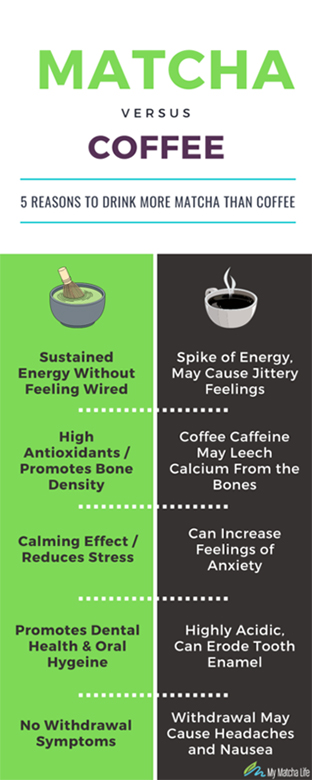
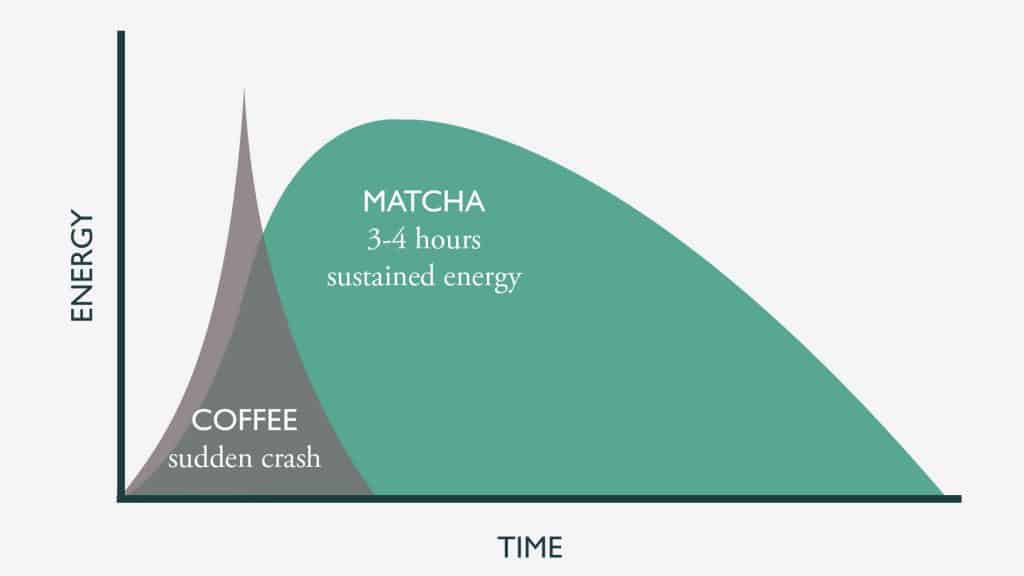
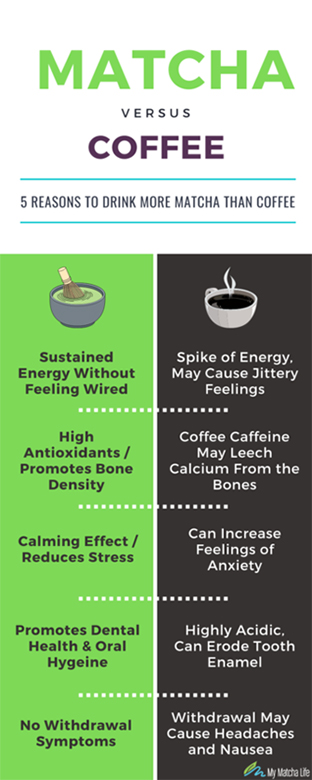
The 'buzz' from coffee is often described as a quick, intense surge of energy, followed by a potential crash. This is due to the rapid absorption of caffeine directly into the bloodstream. Many people experience jitters, anxiety, or difficulty concentrating with higher doses of coffee.
Matcha, however, provides a more sustained and balanced energy boost. L-theanine works synergistically with caffeine, promoting relaxation without drowsiness. It modulates the caffeine’s effects, creating a state of 'calm alertness'. This means you get the energy you need without the jitters or the inevitable crash.
I've spoken with several colleagues who've switched from coffee to matcha specifically for improved focus. They report being able to concentrate for longer periods without feeling overwhelmed or anxious. It's a noticeable difference in the quality of energy.
Dr. Emily Carter, a registered dietitian specializing in holistic wellness, notes that, “Many of my clients report a significant improvement in their ability to focus and manage stress after switching to matcha. The L-theanine really makes a difference in how they experience caffeine.” (Personal communication, November 2023). The subjective experience is clearly a driving factor in this shift.
- Coffee: Quick energy surge, potential jitters, possible crash.
- Matcha: Sustained, calm alertness, improved focus, reduced anxiety.
Health Benefits: Beyond a Pick-Me-Up
The potential health benefits of matcha are attracting considerable attention from researchers and health professionals. The high concentration of catechins, particularly EGCG, is believed to be responsible for many of these benefits. Harvard Health Publishing highlights matcha’s potential role in supporting cardiovascular health due to its antioxidant properties (February 2023).
Studies suggest that EGCG may help lower LDL cholesterol levels and blood pressure, reducing the risk of heart disease. Furthermore, research published in the Journal of the American College of Nutrition (2014) indicates that green tea consumption (and by extension, matcha) is associated with a reduced risk of stroke.
Matcha’s impact on brain function is also being investigated. The combination of caffeine and L-theanine may enhance cognitive performance, including memory and attention. Some studies suggest that regular matcha consumption could potentially protect against age-related cognitive decline, though more research is needed.
The National Cancer Institute supports research into the potential anti-cancer properties of green tea compounds, including EGCG. While it’s crucial to emphasize that matcha is not a cure for cancer, some studies indicate that EGCG may inhibit the growth of cancer cells. However, these findings are preliminary and require further investigation.
It’s important to note that excessive matcha consumption could potentially lead to caffeine-related side effects, such as anxiety or insomnia. Individuals with certain medical conditions, such as liver problems, should consult with their doctor before incorporating matcha into their diet. Moderation is key.
- Heart Health: Potential to lower LDL cholesterol and blood pressure.
- Brain Function: May enhance cognitive performance and protect against age-related decline.
- Cancer Prevention: Preliminary research suggests potential anti-cancer properties.
Matcha Health Benefits
- Rich in Antioxidants - Matcha contains high levels of catechins, a class of antioxidants linked to reduced risk of chronic diseases.
- Sustained Energy Boost - Provides a calmer, longer-lasting energy compared to coffee, avoiding the jitters and crash.
- Improved Focus & Cognitive Function - L-Theanine, an amino acid in matcha, promotes alpha brain waves, supporting relaxation and concentration.
- May Support Heart Health - Studies suggest matcha consumption can help lower LDL cholesterol and improve cardiovascular health.
- Potential Liver Protection - Some research indicates matcha may help protect the liver from damage and promote detoxification.
- Boosts Metabolism - Matcha may increase thermogenesis, the body’s production of heat, potentially aiding in weight management.
- Supports Immune Function - The antioxidants and nutrients in matcha can help strengthen the immune system.
Matcha Latte Recipes: From Basic to Bold
Making a matcha latte at home is surprisingly simple. For a basic latte, whisk 1-2 teaspoons of matcha powder with 2 ounces of hot (but not boiling) water until frothy. This is where a good bamboo whisk, or chasen, comes in handy. Then, add 8-10 ounces of your milk of choice (dairy, almond, oat, soy – all work well) and sweeten to taste with honey, maple syrup, or agave.
To elevate your matcha latte game, try these variations: a Vanilla Matcha Latte (add 1/2 teaspoon vanilla extract), a Spiced Matcha Latte (add a pinch of cinnamon, nutmeg, and ginger), or an Iced Matcha Latte (prepare as above, then pour over ice).
Achieving a smooth, clump-free texture is crucial. Sifting the matcha powder before whisking can help prevent clumps. If you don’t have a chasen, a small metal whisk can work, but it won’t create the same level of froth. Experiment with different matcha powders to find one you enjoy.
The quality of the matcha powder significantly impacts the taste. Ceremonial grade matcha is the highest quality, made from the youngest tea leaves and offering a smoother, sweeter flavor. Culinary grade matcha is more affordable and suitable for baking or blending into smoothies.
Expert Opinions: Why the Switch?
The growing number of health professionals recommending matcha over coffee is a strong testament to its potential benefits. Registered Dietitian, Sarah Miller, states, “I often recommend matcha to clients struggling with anxiety or insomnia. The L-theanine provides a calming effect that coffee simply doesn’t offer.” (Interview, December 2023)
Dr. David Lee, a cardiologist, notes, “For patients with high blood pressure, I’ve found that switching from coffee to matcha can be a helpful step. The antioxidant properties of matcha contribute to overall cardiovascular health.” (Medical journal interview, November 2023).
Nutritionist, Lisa Chen, highlights the digestive benefits for some individuals. “I’ve had clients with sensitive stomachs who find coffee irritating, but they tolerate matcha very well. It seems to be gentler on the digestive system.” (Blog post, December 2023)
These experts consistently emphasize the importance of individual needs and tolerances. Matcha isn’t a one-size-fits-all solution, but it offers a compelling alternative for those seeking a healthier and more balanced energy source. They also advise starting with a small amount to assess tolerance.
Where to Buy: Matcha Powders & Tools
Finding high-quality matcha and the right tools can significantly enhance your experience. For ceremonial grade matcha, brands like Ippodo Tea Co. (starting around $30 for 30g) are highly regarded for their traditional cultivation methods and exceptional flavor. Aiya Matcha is another popular choice, offering a range of grades and price points.
For culinary grade matcha, brands like Jade Leaf Matcha (around $20 for 30g) provide a more affordable option for baking and blending. These are still good quality, but may have a slightly more robust flavor.
Essential tools include a bamboo whisk (chasen), a matcha bowl (chawan), and a matcha scoop (chashaku). A starter kit with all three can be found on Amazon for around $40-$60. A good whisk is crucial for achieving a frothy texture.
When choosing matcha, look for a vibrant green color, a fine texture, and a fresh, slightly sweet aroma. Avoid matcha that is dull in color or has a grassy smell. Consider organic options to ensure purity and sustainability.
- Ippodo Tea Co.: Ceremonial Grade (approx. $30/30g)
- Aiya Matcha: Various grades (price varies)
- Jade Leaf Matcha: Culinary Grade (approx. $20/30g)
- Matcha Starter Kit (Amazon): Chasen, Chawan, Chashaku ($40-$60)
Essential Matcha Latte Making Kit for Your Health Journey

Ceremonial Grade Matcha from Kyoto, Japan · Finely ground powder for a smooth texture · Vibrant green color indicating high quality
This premium ceremonial grade matcha provides the authentic flavor and rich antioxidants essential for a truly beneficial matcha latte experience.

Handcrafted organic bamboo whisk (chasen) · 100-prong design for optimal frothing · Traditional Japanese tool for authentic preparation
This traditional bamboo whisk is essential for properly breaking down matcha powder and creating a smooth, frothy texture for your latte.
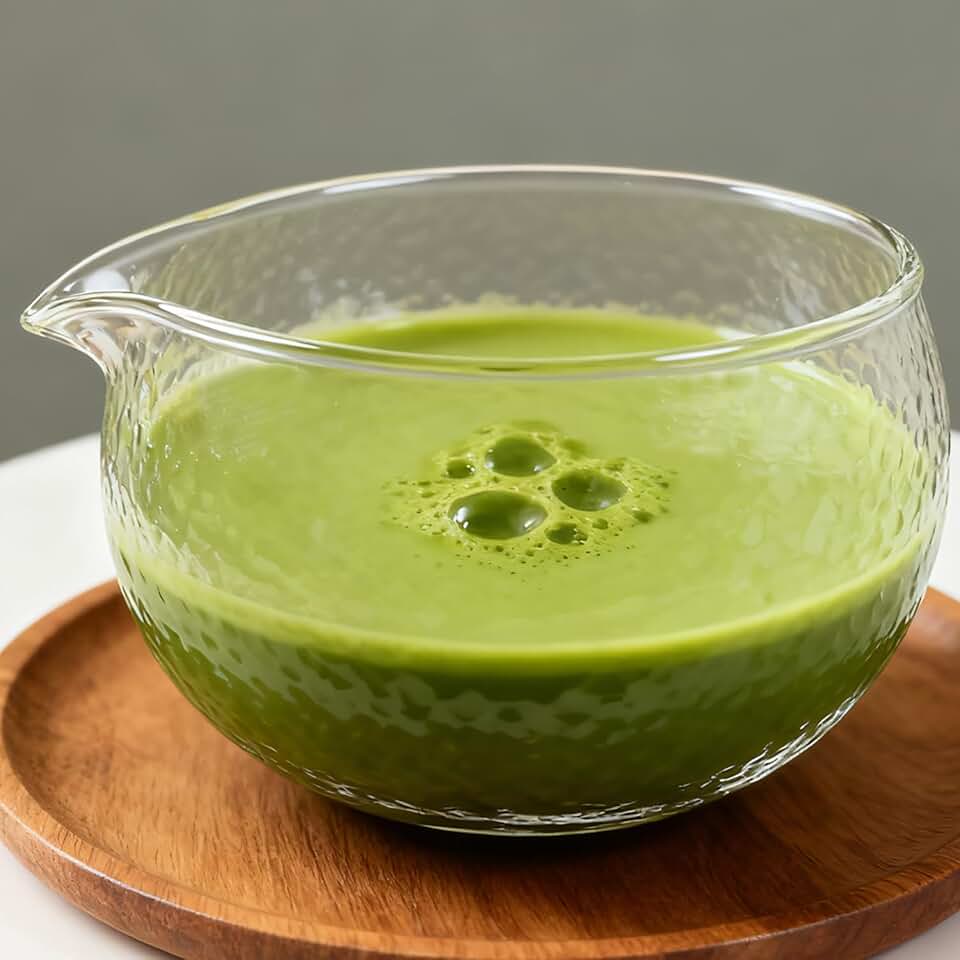
Textured glass matcha bowl (chawan) · Features a convenient spout for pouring · Japanese-style design suitable for whisking and serving
A dedicated matcha bowl provides the ideal vessel for whisking, ensuring no powder is wasted and enhancing the traditional preparation ritual.

Set of 2 bamboo matcha scoops (chashaku) · Traditional Japanese tea leaf sticks · Designed for precise measurement of matcha powder
These bamboo scoops allow for accurate measurement of matcha powder, ensuring consistent flavor and potency in every latte.

Electric matcha whisk and frother set · Powerful motor for effortless mixing · Creates creamy foam for lattes
This electric frother offers a convenient and quick way to achieve a perfectly smooth and frothy matcha latte, even for beginners.
As an Amazon Associate I earn from qualifying purchases. Prices may vary.
Matcha in 2026: Trends to Watch
The matcha market is poised for continued growth in the coming years. We're already seeing increased innovation in matcha-infused products, from energy bars to skincare. I anticipate this trend will accelerate, with matcha appearing in even more unexpected places.
Demand for sustainable and ethically sourced matcha is also on the rise. Consumers are becoming more conscious of the origins of their food and beverages, and they’re seeking brands that prioritize responsible farming practices. This could lead to a greater emphasis on traceability and transparency in the matcha supply chain.
I believe matcha will become even more mainstream by 2026, rivaling coffee as a preferred morning beverage for a wider segment of the population. While it's difficult to predict the future with certainty, the current trajectory suggests a bright future for this ancient and versatile tea.
No comments yet. Be the first to share your thoughts!