

Iced Matcha: Summer’s New Obsession
Iced matcha lattes are everywhere. Searches are up 450% year-over-year according to Google Trends, and TikTok is flooded with aesthetically pleasing videos of swirling green drinks. People are genuinely drawn to matcha’s unique flavor and reported health benefits, making it the summer drink of choice for a growing number of people.
Beyond the social media hype, there’s a real appeal to the subtle energy boost matcha provides, compared to coffee’s often jarring effects. It’s a refreshing and nourishing alternative. This guide helps you navigate the world of matcha and create perfect iced lattes in your own kitchen, consistently.
This guide shares insights from experimenting with different matcha powders, milk alternatives, and techniques, drawing from established sources like Love and Lemons and A Cozy Kitchen. The goal is to help you confidently make a delicious iced matcha latte every time.
Understanding Matcha Quality
Not all matcha is created equal. The quality significantly impacts the flavor, color, and overall experience of your latte. Matcha is broadly categorized into three grades: ceremonial, premium, and culinary. Ceremonial grade is the highest quality, made from the youngest tea leaves, and is intended for traditional tea ceremonies – it has a delicate, sweet flavor and bright green color.
Premium matcha is still high quality, but may come from slightly more mature leaves. It’s a good all-purpose option, suitable for lattes and other drinks. Culinary grade matcha is often used in baking and smoothies; it has a bolder, slightly more bitter flavor and a less bright color. When choosing matcha, look for a bright green color – a dull or yellowish hue indicates lower quality. The texture should be very fine, almost powdery.
Spending a little more on good quality matcha makes a huge difference. Inexpensive options often result in bitter and muddy-tasting lattes. Brands like Ippodo Tea or Aiya Matcha are good choices, even though they are pricier. Japanese-grown matcha is generally considered superior, due to the country’s strict quality control standards and centuries of tea cultivation expertise. However, matcha is now grown in other regions, so origin isn’t the only factor.
Essential Equipment: Keep it Simple
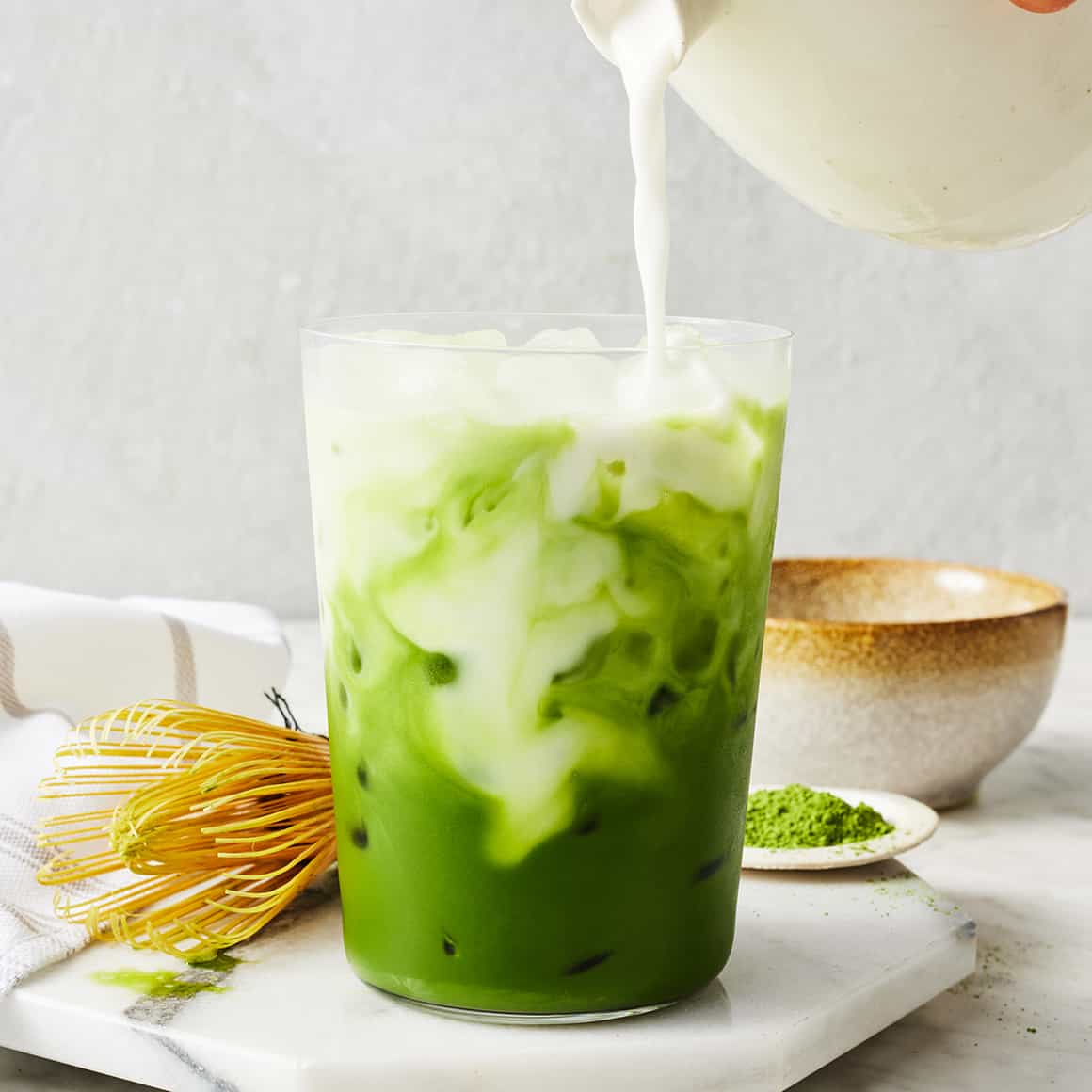
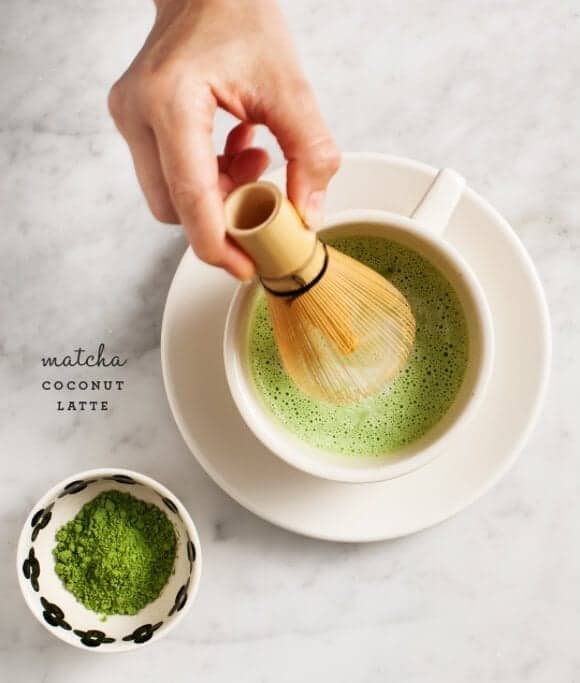
You don’t need a ton of fancy equipment to make a great iced matcha latte. The essentials are a whisk (chasen), a bowl (chawan), and something to froth your milk. A chasen is a bamboo whisk specifically designed for matcha, and it’s essential for creating a smooth, frothy consistency. A chawan is a traditional matcha bowl, but any small bowl will do.
For frothing milk, you have a few options. An electric frother is convenient and efficient, but a manual frother (like a handheld whisk) works just as well, it just requires a bit more effort. A handheld frother is easy to clean and doesn’t take up much space. You’ll also need a measuring spoon or scale for precise matcha measurements, and an ice cube tray, of course.
A traditional chasen and chawan are nice to have, but they aren’t strictly necessary. A small whisk and a regular bowl will work perfectly well to start. Start with the basics and add more specialized tools as you become more comfortable making matcha lattes.
- Chasen: Bamboo whisk for creating a smooth matcha paste
- Chawan: Traditional matcha bowl (or a small bowl)
- Frother: Electric or manual for frothing milk
- Measuring spoon/scale: For accurate matcha measurements
- Ice cube trays: For making ice
Iced Matcha Latte Setup
- Matcha Powder - High-quality, culinary-grade matcha is essential for flavor and color. Look for vibrant green hues.
- Whisk (Chasen) - A bamboo whisk is traditional for creating a frothy matcha base, though alternatives exist.
- Whisk Holder (Chasen Tatsu) - Protects the delicate bristles of your chasen.
- Matcha Bowl (Chawan) - A wide-mouth bowl makes whisking easier. Any small bowl can work in a pinch.
- Milk Frother - Optional - For extra creamy lattes, a handheld or electric milk frother can create a stable foam.
- Ice Cube Trays - Essential for an iced latte! Consider silicone trays for easy removal.
- Sweetener - Optional - Honey, maple syrup, agave nectar, or simple syrup to taste. Many prefer the natural taste of matcha without sweetener.
- Measuring Spoons - Accurate measurements ensure a consistent flavor profile.
The Core Recipe: Matcha Latte Basics
This recipe is for a single-serving iced matcha latte. Start with 1-2 teaspoons of matcha powder – 1.5 teaspoons strikes a good balance between flavor and intensity. Sift the matcha powder through a fine-mesh sieve to remove any clumps. Add 2 ounces of hot (not boiling) water – around 175°F (80°C) is ideal – to the matcha powder.
Whisk vigorously using a chasen in a “W” or “M” motion until a smooth, frothy paste forms. There should be no lumps. Next, add 8-10 ounces of your milk of choice – oat milk is a good option for its creamy texture and subtle sweetness. You can use dairy milk, almond milk, soy milk, or any other milk you prefer.
Pour the matcha mixture over ice in a glass. Top with the milk and stir gently to combine. Adjust the amount of milk to your liking. For a sweeter latte, add a teaspoon of honey, maple syrup, or agave nectar. Using good quality matcha and sifting the powder are the two most important factors in achieving a delicious, clump-free latte.
A good starting ratio is 1.5 tsp matcha, 2 oz hot water, and 8 oz oat milk. Feel free to experiment and find what tastes best to you.
Beyond the Basic: Flavor Variations
Once you’ve mastered the basic iced matcha latte, try these variations. Vanilla is a classic addition – add ½ teaspoon of vanilla extract to the matcha paste before adding the milk. Lavender is another lovely pairing, use ¼ teaspoon of culinary lavender buds steeped in the hot water with the matcha. For a chocolate matcha latte, add 1 tablespoon of cocoa powder to the matcha paste.
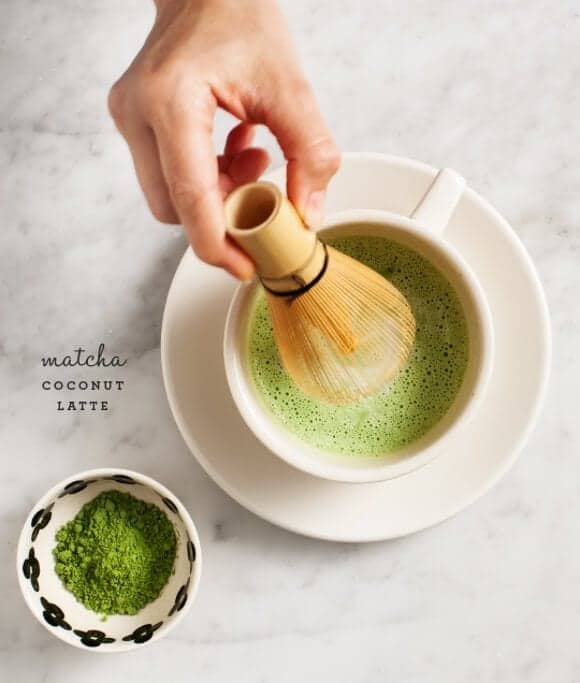
Coconut matcha lattes are refreshing, especially in the summer. Use coconut milk instead of dairy milk, and add a teaspoon of coconut flakes to the matcha paste. Seasonal variations are also fun to experiment with. In the fall, try adding a pinch of pumpkin spice to the matcha paste. During the holidays, peppermint extract is a festive addition.
Rosewater can be added, just a few drops to the matcha paste for a floral, aromatic latte. It's delicious! You can also create a salted caramel matcha latte by adding a tablespoon of caramel sauce and a pinch of sea salt. Try different flavor combinations when making matcha lattes at home.
To adjust the base recipe, add the flavoring ingredients to the matcha paste before adding the hot water. This ensures they dissolve properly and blend with the matcha.
Troubleshooting Common Issues
Clumping is the most common problem when making matcha lattes. Sift the matcha powder and whisk vigorously to avoid clumps. If clumps do form, add a tiny bit more hot water and whisk again. Bitterness is another issue. Using too much matcha, or using water that’s too hot, can result in a bitter latte. Start with less matcha and use water around 175°F (80°C).
A weak flavor usually means you’re not using enough matcha. Experiment with adding a bit more matcha powder until you achieve your desired intensity. Another factor is the quality of the matcha – lower quality matcha will have a less pronounced flavor. I’ve learned that water temperature makes a big difference, too. Boiling water can scald the matcha and make it taste bitter.
If you’re still struggling with clumps, try using a different whisk or bowl. Sometimes, the shape of the bowl can make it difficult to whisk properly. Remember, practice makes perfect! Don’t get discouraged if your first few lattes aren’t perfect. Keep experimenting and you’ll eventually find a method that works for you.
Iced Matcha Latte Standouts
From all my experimenting, a few recipes really stood out. First, the Lavender Honey Matcha Latte. Combine 1.5 tsp matcha, ¼ tsp culinary lavender buds, and 2oz hot water. Whisk well, then add 8oz oat milk and 1 tsp honey. The floral aroma and subtle sweetness are incredibly calming. Inspired by A Cozy Kitchen's emphasis on comfort, this one is a true treat.
Next, the Salted Caramel Matcha Latte is a delightful indulgence. Combine 1.5 tsp matcha, 1 tbsp caramel sauce, and a pinch of sea salt with 2oz hot water. Whisk until smooth, then add 8oz milk of your choice. This recipe is a bit more decadent, but the salty-sweet combination is irresistible. I got the idea from seeing similar combinations trending on social media.
Finally, the Rose Vanilla Matcha Latte is a sophisticated and elegant option. Combine 1.5 tsp matcha, a few drops of rosewater, and ½ tsp vanilla extract with 2oz hot water. Whisk, then add 8oz milk. The delicate floral notes of the rosewater complement the matcha beautifully. Love and Lemons sparked my interest in floral infusions, and this is a beautiful result.
Making Matcha Lattes Ahead of Time
You can definitely streamline the matcha latte-making process by prepping components in advance. I often make a matcha concentrate by whisking matcha powder with a small amount of hot water. This concentrate can be stored in the refrigerator for up to 24 hours. When you’re ready to make a latte, simply add the concentrate to ice and milk.
You can also pre-froth your milk and store it in the refrigerator, although it won’t stay frothy for very long. I find that pre-making the matcha concentrate is the most effective time-saver. If you’re making lattes for multiple people, you can make a larger batch of concentrate to save even more time.
To maintain freshness and flavor, store the matcha concentrate in an airtight container in the refrigerator. Avoid freezing it, as this can affect the texture. Matcha powder itself should also be stored in an airtight container in a cool, dark place to prevent oxidation.
No comments yet. Be the first to share your thoughts!