

The Cookie That Conquered TikTok
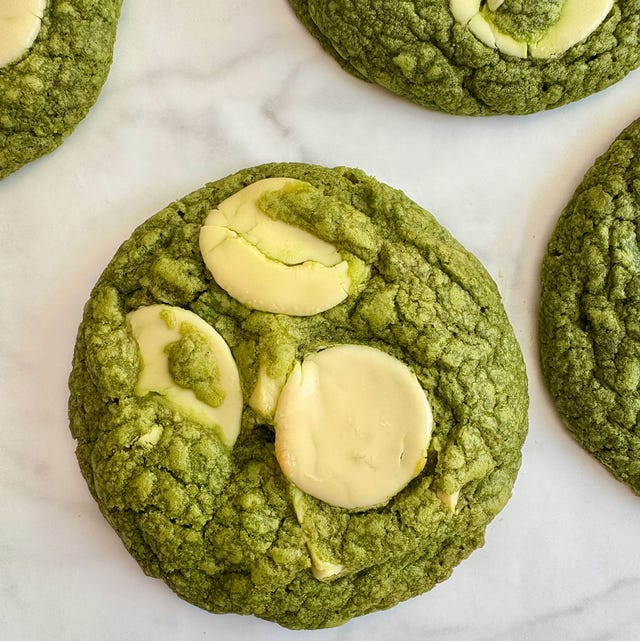
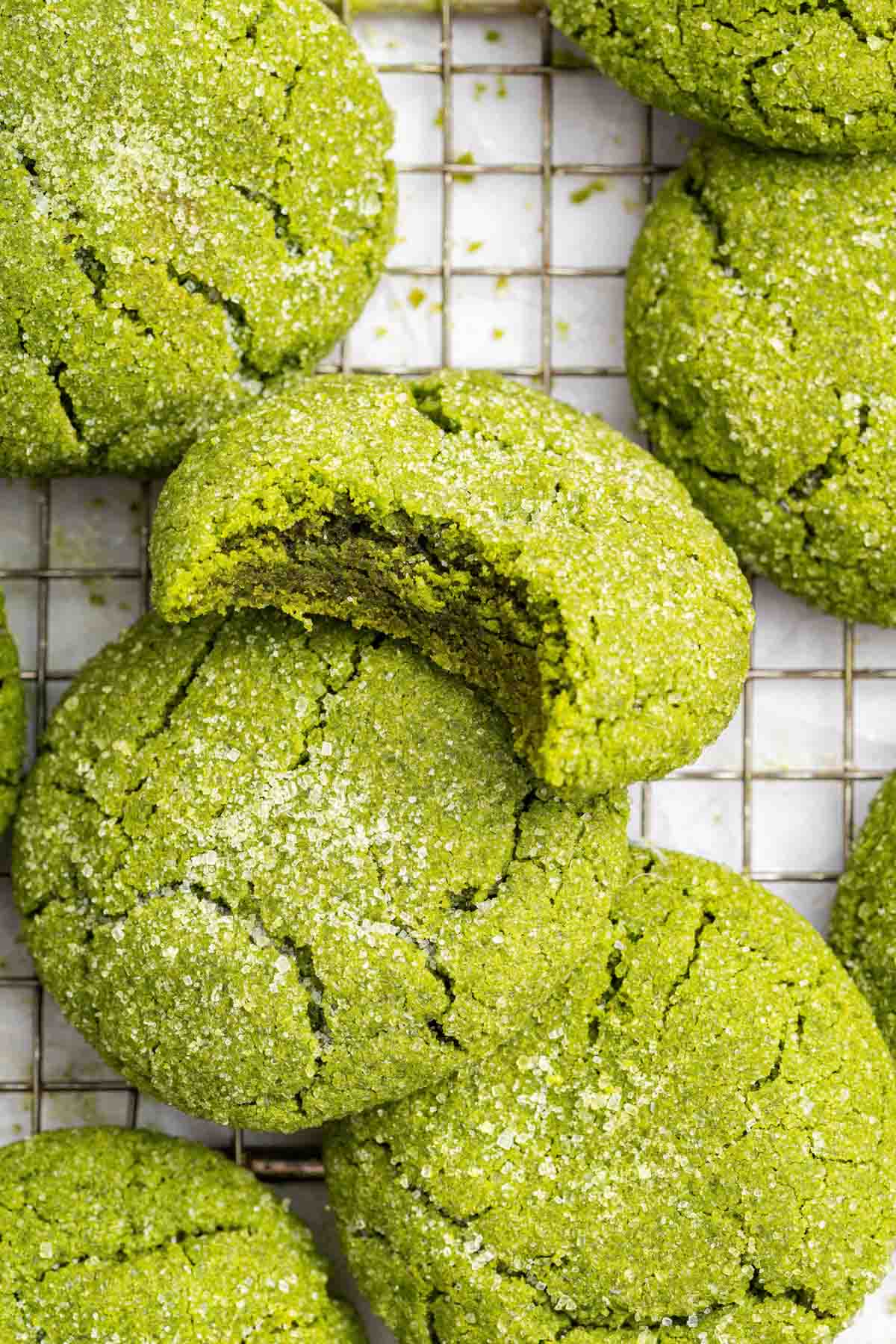
Matcha cookies have taken TikTok by storm. They became the go-to matcha treat in early 2026, with home bakers sharing their attempts and dreamy, pastel-toned aesthetics.
Influencers like @CloudNineCravings and @SweetSimplicity amplified the trend with posts of perfectly swirled green cookies and close-ups of their soft, chewy texture. Their videos garnered millions of views, sparking copycat creations. The cookies' photogenic quality is a major draw.
The 2026 food scene favors simplified baking and visually appealing treats. Alongside popular cottagecore baking, 'aesthetic' food—dishes that look as good as they taste—is trending. These matcha cookies fit both trends. Japanese-inspired flavors are also popular, with matcha at the forefront.
Decoding the Recipe's Simplicity
This recipe's speed is its standout feature. Five minutes from start to finish is exceptionally fast for cookies, unlike most recipes that require chilling, complex techniques, and significant time. The quick bake time comes from the white chocolate, which melts and binds the cookies.
The recipe's intentional simplicity lowers the barrier for novice bakers, creating an 'I can make this' appeal. This contrasts with more elaborate matcha baking like layered cakes or meticulously crafted mochi.
This cookie feels rebellious, discarding traditional matcha baking precision and Japanese techniques for a relaxed, approachable style. It shows how a simple, well-executed idea can capture internet attention.
Ingredient Breakdown: Quality Matters
Ingredient quality matters. Use good quality block white chocolate, not chips, as chips often contain stabilizers that affect texture. Valrhona or Callebaut yield the best results.
Quality butter also makes a difference. Salted butter balances sweetness and complements matcha. If using unsalted, add a pinch of sea salt. Granulated sugar works, but caster sugar dissolves more easily for a smoother texture.
Eggs are standard. All-purpose flour is fine, but cake flour yields a softer, more tender cookie. Baking soda is essential for leavening. Invest in good matcha powder – it's the star.
Ceremonial grade matcha, meant for tea ceremonies, has a delicate flavor and vibrant green color but is expensive. Culinary grade, designed for baking, has a more robust, sometimes grassy flavor. For cookies, good quality culinary grade matcha is cost-effective and its flavor shines. Look for matcha from Uji, Japan, with a bright, vibrant green color.
Matcha Powder Grade Comparison
| Color | Flavor Profile | Texture | Best Uses |
|---|---|---|---|
| Vibrant Green | Sweet, vegetal, umami-rich | Very fine, silky smooth | Traditional tea ceremonies, high-quality lattes where nuanced flavor is desired |
| Bright Green | Slightly less sweet than ceremonial, balanced vegetal notes | Fine, but may have a slight graininess | Everyday lattes, baking where a noticeable matcha flavor is desired |
| Green, may lean yellowish | More robust, slightly bitter, less nuanced | Coarser texture | Baking, smoothies, recipes where the matcha flavor will be combined with other strong flavors |
| Pale Green | Strong, sometimes astringent, grassy | Can be quite coarse | Food coloring, recipes where color is prioritized over delicate flavor |
| Deep Green | Rich, creamy, minimal bitterness | Extremely fine and smooth | Specialty lattes, desserts demanding a premium matcha experience |
Illustrative comparison based on the article research brief. Verify current pricing, limits, and product details in the official docs before relying on it.
Step-by-Step: From Bowl to Bite
Preheat your oven to 330°F (160°C). This lower temperature prevents quick browning and keeps cookies soft and chewy. Whisk together flour, matcha powder, and baking soda, then sift. Sifting aerates dry ingredients and removes lumps for an even texture.
In a separate bowl, beat softened butter until light and creamy. Ensure butter is soft but not melted; it should hold its shape but yield to pressure. Slowly add sugar, beating until pale and fluffy. This 'creaming' process incorporates air, contributing to tenderness.
Add eggs one at a time, beating well after each. Slowly add dry ingredients to wet, mixing until just combined. Avoid overmixing, which develops gluten and can lead to tough cookies. Stir in chopped white chocolate.
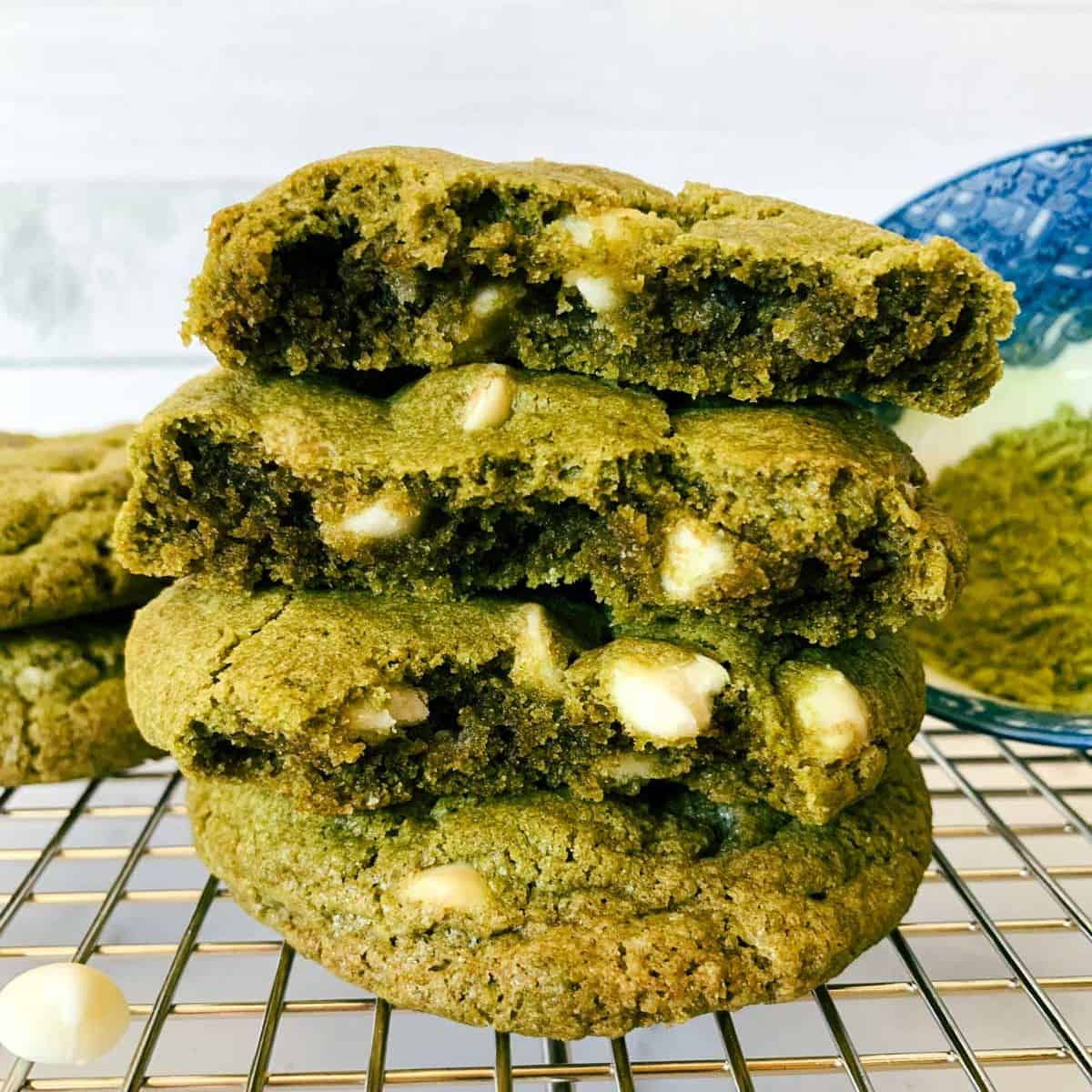
Drop rounded tablespoons of dough onto a parchment-lined baking sheet. They spread little, so place them relatively close. Bake for 8-10 minutes, until edges are lightly golden. The centers will remain soft and set as they cool. Cool on the sheet for a few minutes before transferring to a wire rack.
Troubleshooting: If dough is too dry, add milk or water teaspoon by teaspoon. If too wet, add flour tablespoon by tablespoon. Properly creamed butter looks light and fluffy. If your oven runs hot, reduce the temperature by 25°F (15°C).
Beyond the Basic: Flavor Twists
After mastering the basic recipe, experiment with variations. A pinch of sea salt on top before baking enhances flavor and contrasts sweetness. Add raspberries or other berries for a fruity twist; white chocolate and raspberry is a classic pairing.
Matcha and black sesame pair well; the nutty, savory sesame complements matcha's earthy notes. Experiment with extracts: vanilla adds warmth, almond provides a pronounced nutty flavor.
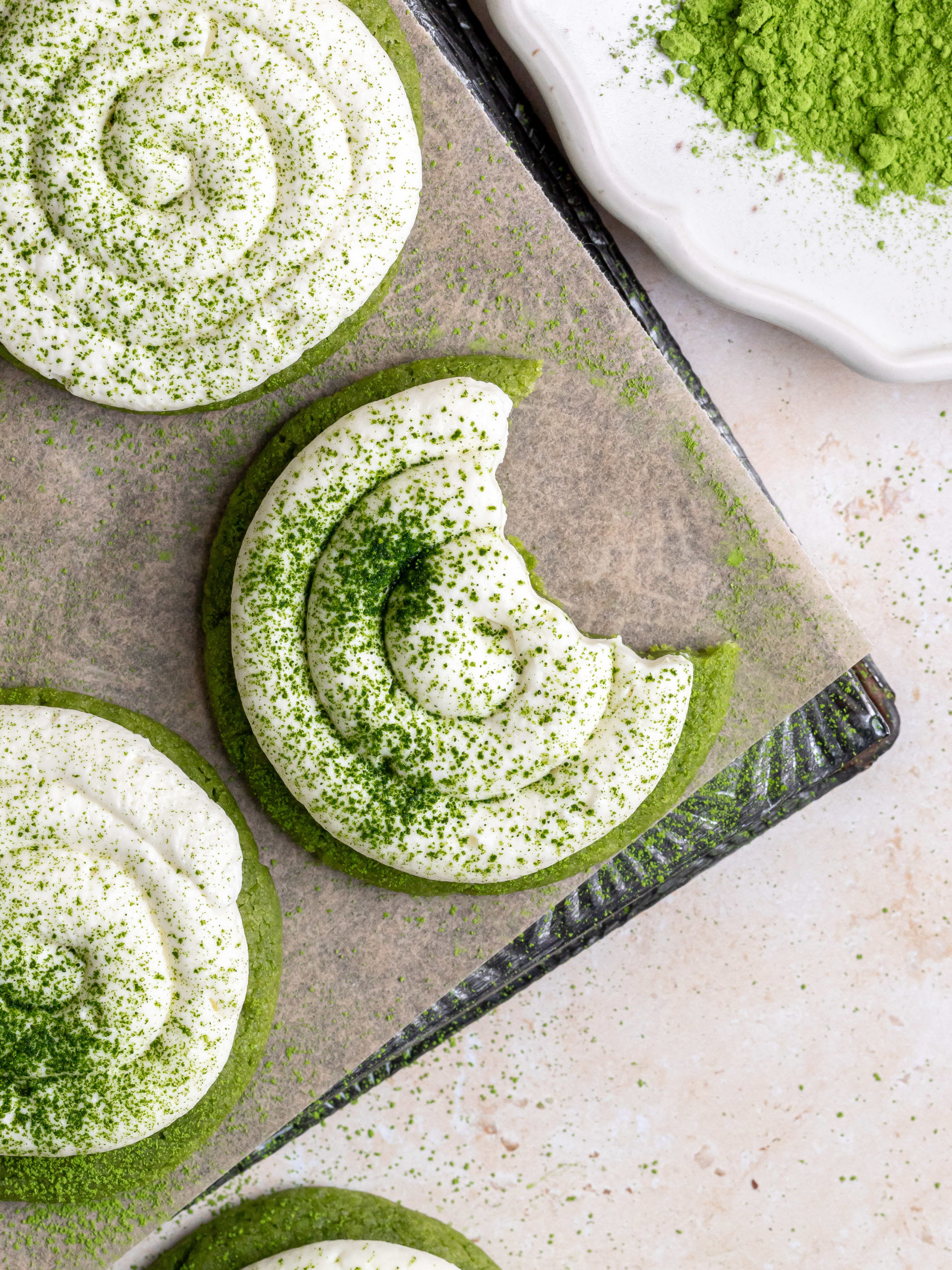
undefined light dusting of extra matcha powder is also a nice visual touch. Don't be afraid to get creative!
Matcha's Health Perks: It's Not Just a Trend
Beyond its delicious taste and aesthetic appeal, matcha does offer some health benefits. It’s packed with antioxidants, which help protect the body against cell damage. It also contains L-theanine, an amino acid that promotes relaxation and focus without the jitters often associated with coffee.
Matcha provides a sustained energy boost, thanks to a combination of caffeine and L-theanine. However, it’s important to remember that these are still cookies, and moderation is key. A serving of matcha cookies isn’t a health food, but it’s a slightly more mindful indulgence than some other treats.
The caffeine content in matcha is roughly half that of coffee, but the L-theanine helps to mitigate some of the negative side effects of caffeine, such as anxiety and jitters. It’s a gentler energy boost, making it a good choice for those who are sensitive to caffeine.
Community Creations: The Best TikTok Takes
The real magic of these cookies lies in the community that has sprung up around them on TikTok. Users are constantly sharing their own variations and presentations, pushing the boundaries of what’s possible with this simple recipe. @PastelBakery’s cookies, decorated with edible glitter and delicate floral patterns, are a visual masterpiece.
@MinimalistMeals took a more understated approach, focusing on perfectly baked cookies and a simple dusting of matcha powder. Their video highlights the beauty of the cookie's natural color and texture. And @BakingAdventures added a swirl of raspberry jam to the center of each cookie, creating a stunning marbled effect.
It's inspiring to see how people are taking ownership of the recipe and making it their own. The hashtag #matchacookie has over 50 million views, and new videos are being uploaded every day. It’s a testament to the power of social media to connect people through a shared love of baking.
Troubleshooting & Common Mistakes
Cookies spreading too much? Your butter was likely too soft. Next time, ensure it’s softened but still holds its shape. Too crumbly? You might have overmixed the dough, developing too much gluten. Gently combine ingredients until just mixed. Matcha flavor too subtle? Increase the amount of matcha powder slightly, but be careful not to add too much, as it can affect the texture.
Don't have a sifter? A fine-mesh sieve will work in a pinch, or you can simply whisk the dry ingredients together thoroughly. Overbaked them? Unfortunately, there’s not much you can do. They’ll be dry and crumbly. Next time, start checking for doneness a minute or two earlier.
No comments yet. Be the first to share your thoughts!