

The Matcha Cookie Takeover
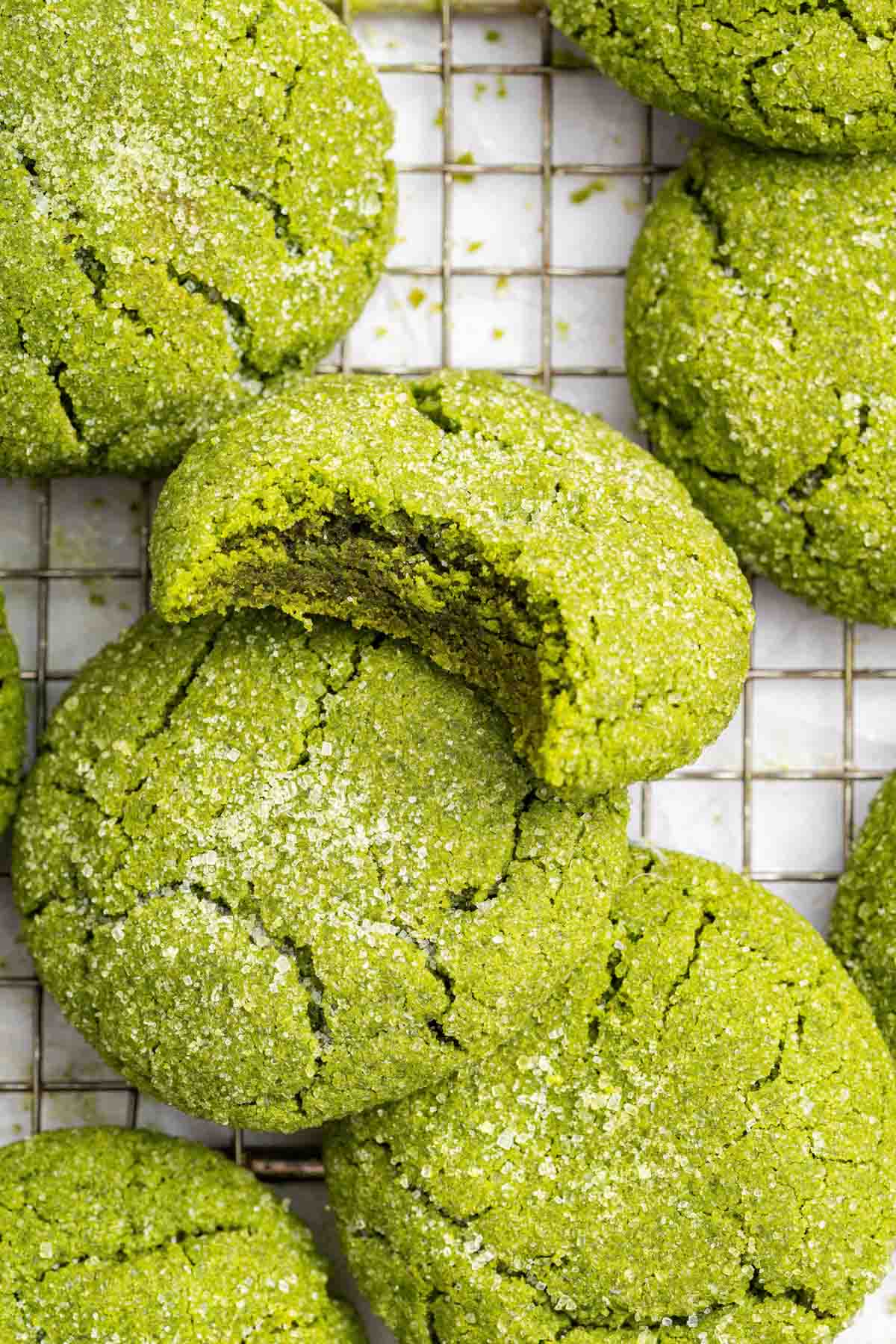
Matcha cookies are everywhere. They're dominating feeds on TikTok, Instagram, and Pinterest. Matcha used to be just for lattes, but now it's in our cookies, and people are obsessed. This trend has been building, and it feels like it's hit the mainstream baking scene.
The virality is clear. Searching 'matcha cookies' on TikTok shows thousands of videos, from decorating tutorials to simple demos. The aesthetic plays a role; that green color is photogenic, and the cookies often have minimalist designs. But it's more than looks. People enjoy the unique flavor matcha adds to a classic treat.
Several factors drive this popularity. There's continued interest in Japanese cuisine, plus a desire for healthier-feeling desserts. Matcha, with its health benefits, fits this trend. A bright green cookie is also just fun. It's different and unexpected, which is what people want.
Decoding the Green: Matcha Quality
Not all matcha is created equal. Matcha quality dramatically impacts flavor, color, and cookie success. There are two main grades: ceremonial and culinary. Ceremonial grade is the highest quality, made from the youngest tea leaves for traditional tea ceremonies. It has a smoother, sweeter flavor and a bright green color.
Culinary grade matcha uses slightly older leaves and has a more robust, sometimes slightly bitter flavor. It's designed for cooking and baking and is more affordable. While ceremonial grade can be used in cookies, it's not the best use of a more expensive product. For most recipes, good quality culinary grade matcha delivers excellent results. Look for bright green matcha; a dull or yellowish hue can indicate lower quality or oxidation.
Most matcha comes from Japan, where the highest quality is generally found. Matcha is now grown elsewhere. Be wary of cheap matcha, as it may be adulterated with other green teas or artificial coloring. Whisk a small amount with hot water; genuine matcha creates a frothy, bright green liquid. If it’s grainy or the color is off, it's likely not the real deal. Brands like Ippodo Tea and Aiya Matcha are often praised for quality.
The OG: NYT Cooking's Matcha Latte Cookies
Eric Kim’s Matcha Latte Cookies for NYT Cooking arguably launched the matcha cookie craze. It's a benchmark for many home bakers. These cookies are chewy, with a distinct matcha flavor balanced by the sweetness of the ermine frosting. The recipe focuses on achieving a "Grinch green" color and a soft, almost cake-like texture.
Key ingredients include all-purpose flour, matcha powder, softened butter, sugar, eggs, and baking soda. The ermine frosting, a boiled milk frosting, provides a cloud-like texture and subtle sweetness that complements the matcha. The process involves sifting dry ingredients, creaming butter and sugar, and carefully incorporating eggs and dry ingredients. It's a straightforward recipe, but attention to detail matters.
Overmixing the dough can result in tough cookies. Using low-quality matcha affects flavor and color. The ermine frosting can be tricky; it requires careful monitoring to achieve the right consistency. If it’s too thin, it won’t hold its shape; too thick, and it will be difficult to spread. This recipe isn’t fast, but the end result is worth the effort. The full recipe and video tutorial are on cooking.nytimes.com.
San Diego's Simple White Chocolate Matcha
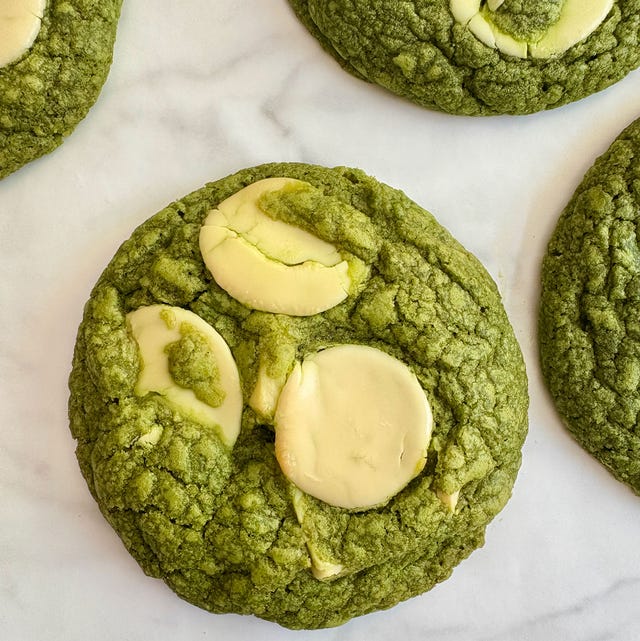
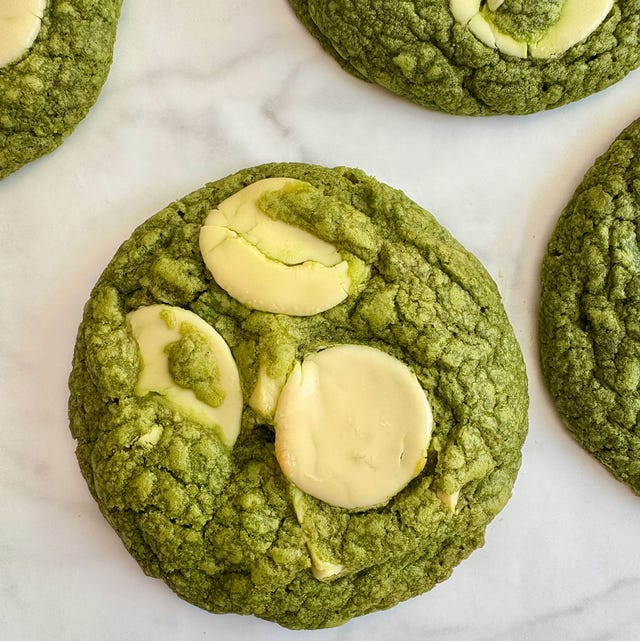
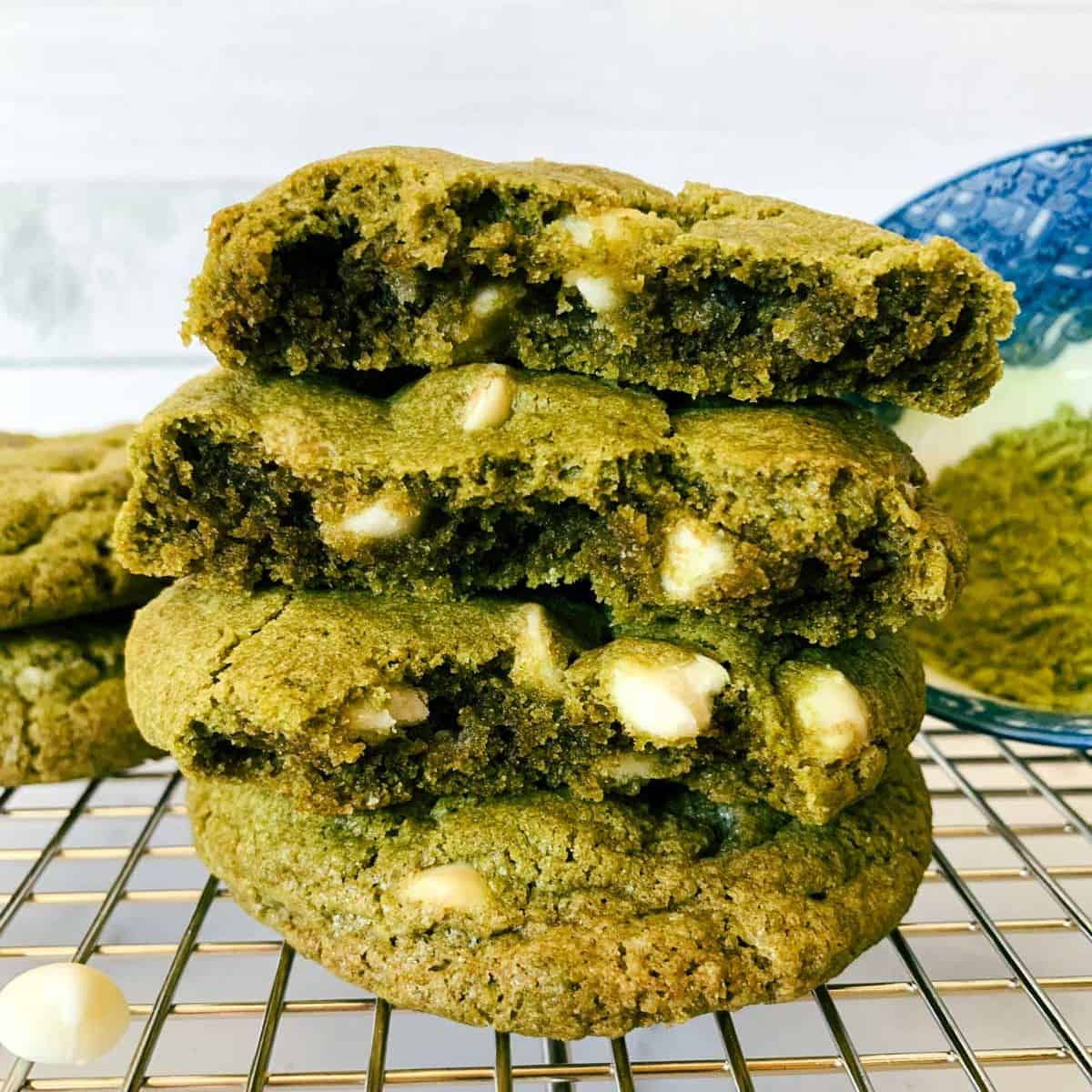
The City of San Diego published a recipe for matcha cookies. This recipe, available as a PDF from sandiego.gov, offers a more streamlined approach than the NYT Cooking version. It includes chopped white chocolate, adding sweetness and a contrasting texture to the matcha flavor. It's a simple recipe, using common pantry ingredients.
Ingredients are straightforward: white chocolate, butter, sugar, eggs, flour, baking soda, and matcha powder. Instructions are clear and concise, making it a good option for beginner bakers. The process involves creaming butter and sugar, adding eggs, and slowly incorporating dry ingredients. White chocolate is folded in at the end. Bake cookies at 330 degrees F until golden brown.
This recipe focuses on delivering a quick and easy matcha cookie. The white chocolate shines, providing sweetness that balances the matcha's slight bitterness. It's a good starting point for anyone intimidated by more elaborate recipes. The City of San Diego's cookie recipe is a welcome addition to the matcha cookie universe.
Julie Marie Eats' Mascarpone Dream
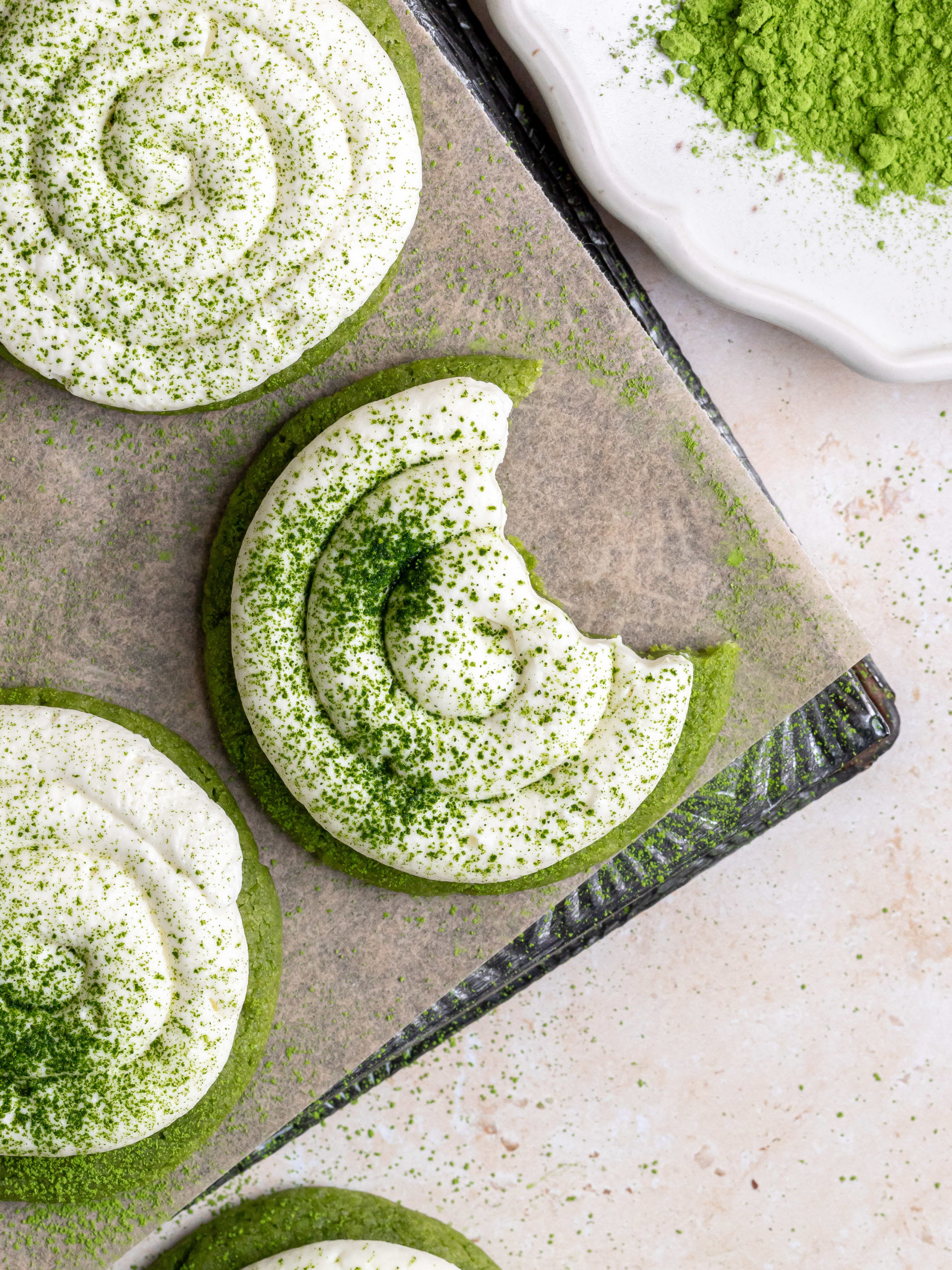
Julie Marie Eats offers a sophisticated matcha cookie with a mascarpone cream topping. It's a mini-dessert. The cookies are thick and chewy, providing a solid base for the creamy topping. The recipe emphasizes chilling the dough to prevent spreading during baking.
The mascarpone cream is the star. It's made by whipping mascarpone cheese with powdered sugar and vanilla extract. The cream is dusted with matcha powder, adding a final pop of color and flavor. Working with mascarpone can be tricky; don't overwhip it, or it can become grainy. This recipe requires more time and effort than simpler versions.
This recipe is ideal for those who want to impress. The combination of the chewy cookie, smooth mascarpone cream, and bright matcha powder creates an elegant treat. It's more complex, but the results are worth it. The full recipe and detailed instructions are on juliemarieeats.com.
Beyond the Basics: Viral Variations
The matcha cookie trend has inspired creativity. Beyond core recipes, bakers are experimenting with variations. One popular trend is using different chocolates – dark chocolate matcha cookies offer intense flavor, while milk chocolate provides a sweeter contrast. Some bakers use ruby chocolate for a pink hue.
Flavor pairings are another area of innovation. Matcha and black sesame is a particularly popular combination, offering a nutty, earthy flavor that complements the matcha perfectly. Matcha and yuzu, with its bright citrus notes, is another winning pairing. Some bakers are even adding a pinch of sea salt to enhance the sweetness and balance the flavors. On TikTok, I’ve seen a lot of people adding mochi to the cookie dough for an extra chewy texture.
Decoration is also a key element. Many bakers are using edible gold leaf or sprinkles to add a touch of glamour. Others are creating intricate designs with royal icing or matcha powder stencils. The possibilities are endless! One interesting trend is the "matcha cookie sandwich" – two matcha cookies filled with a creamy matcha frosting or ganache. It's a testament to how versatile this simple cookie can be.
Troubleshooting Common Matcha Cookie Issues
Making matcha cookies isn’t always smooth sailing. A common complaint is that the cookies are too dry or crumbly. This is often caused by overbaking or using too much flour. Be sure to measure your flour accurately – using a kitchen scale is the best way to ensure consistency. Also, check your oven temperature to make sure it’s accurate. Another issue is that the cookies don’t have enough matcha flavor. This is usually a sign that you didn’t use enough matcha powder.
If your cookies are spreading too much during baking, it’s likely because the dough was too warm. Chilling the dough for at least 30 minutes (or even overnight) will help to firm it up and prevent spreading. If your cookies are pale and lack color, it could be due to using low-quality matcha or not baking them for long enough. Remember, matcha oxidizes quickly, so store it in an airtight container away from light and heat.
Finally, if your ermine frosting is too thin, add a little more powdered sugar. If it’s too thick, add a tiny bit of milk or cream. Don’t be afraid to experiment and adjust the recipe to your liking. Baking is a science, but it’s also an art. Don't get discouraged if your first batch isn't perfect – keep practicing, and you'll eventually master the art of the matcha cookie.
The Future of Matcha Baking
The matcha cookie trend feels like just the beginning. I anticipate we’ll see even more matcha-infused desserts emerge in the next year or two. Matcha brownies, matcha cheesecake, matcha macarons – the possibilities are endless. I suspect we’ll also see more creative flavor combinations, pushing the boundaries of what’s possible with matcha.
Perhaps we’ll see matcha paired with unexpected ingredients like chili or lavender. Or maybe we’ll see a rise in vegan matcha desserts, using plant-based alternatives to traditional ingredients. It's even possible that chefs will start incorporating matcha into savory dishes, adding a subtle earthy note to things like sauces or marinades.
Ultimately, the future of matcha baking is uncertain, but it’s undoubtedly exciting. The growing popularity of matcha, combined with the creativity of home bakers and pastry chefs, suggests that this vibrant green ingredient will continue to be a major force in the dessert world for years to come. It's a fun trend to watch, and even more fun to participate in.
No comments yet. Be the first to share your thoughts!