

Matcha Latte Mania: 2026 Trends
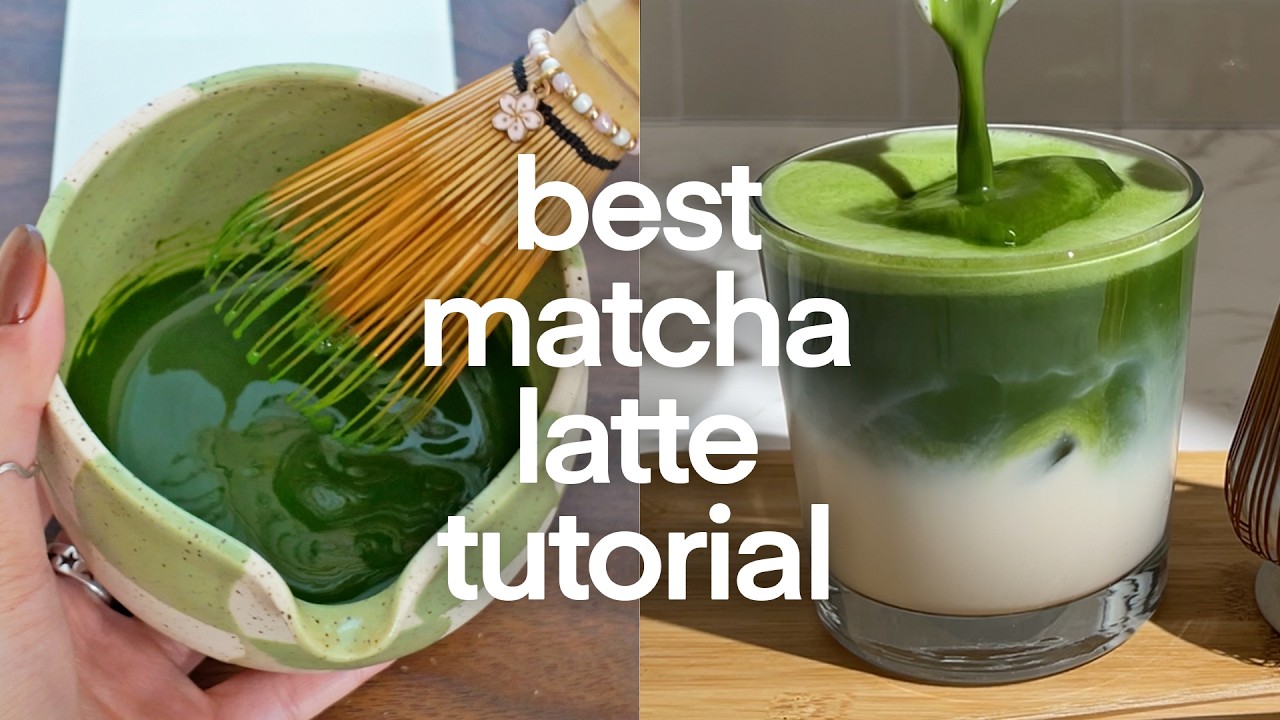
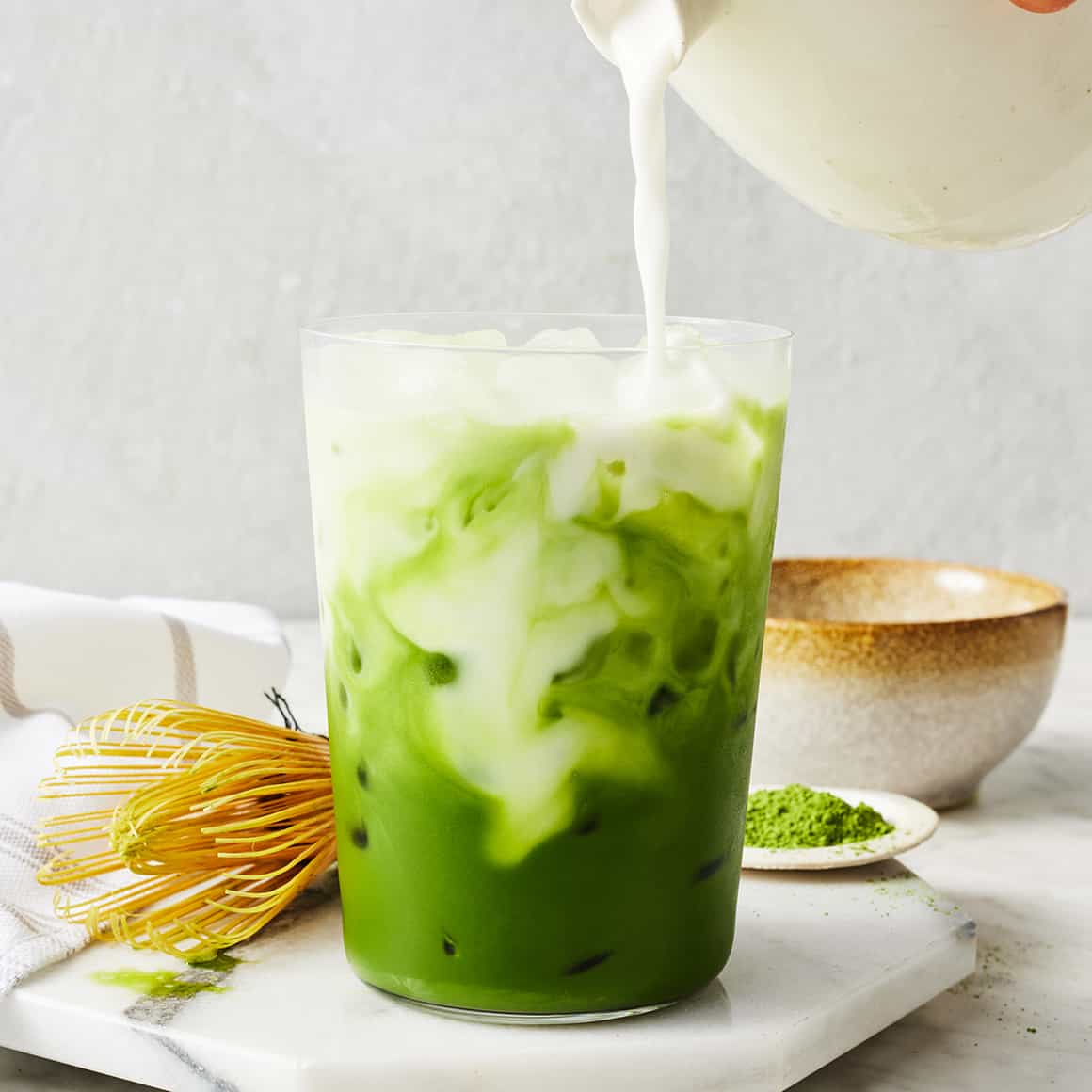
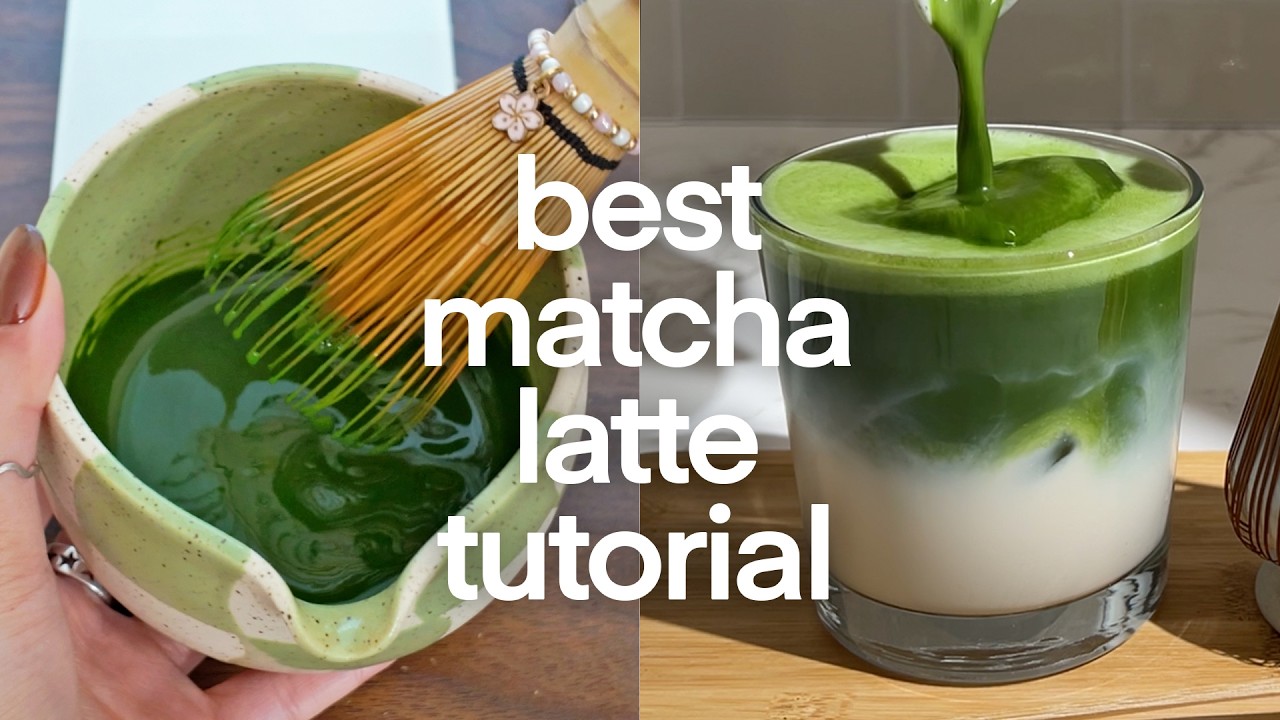
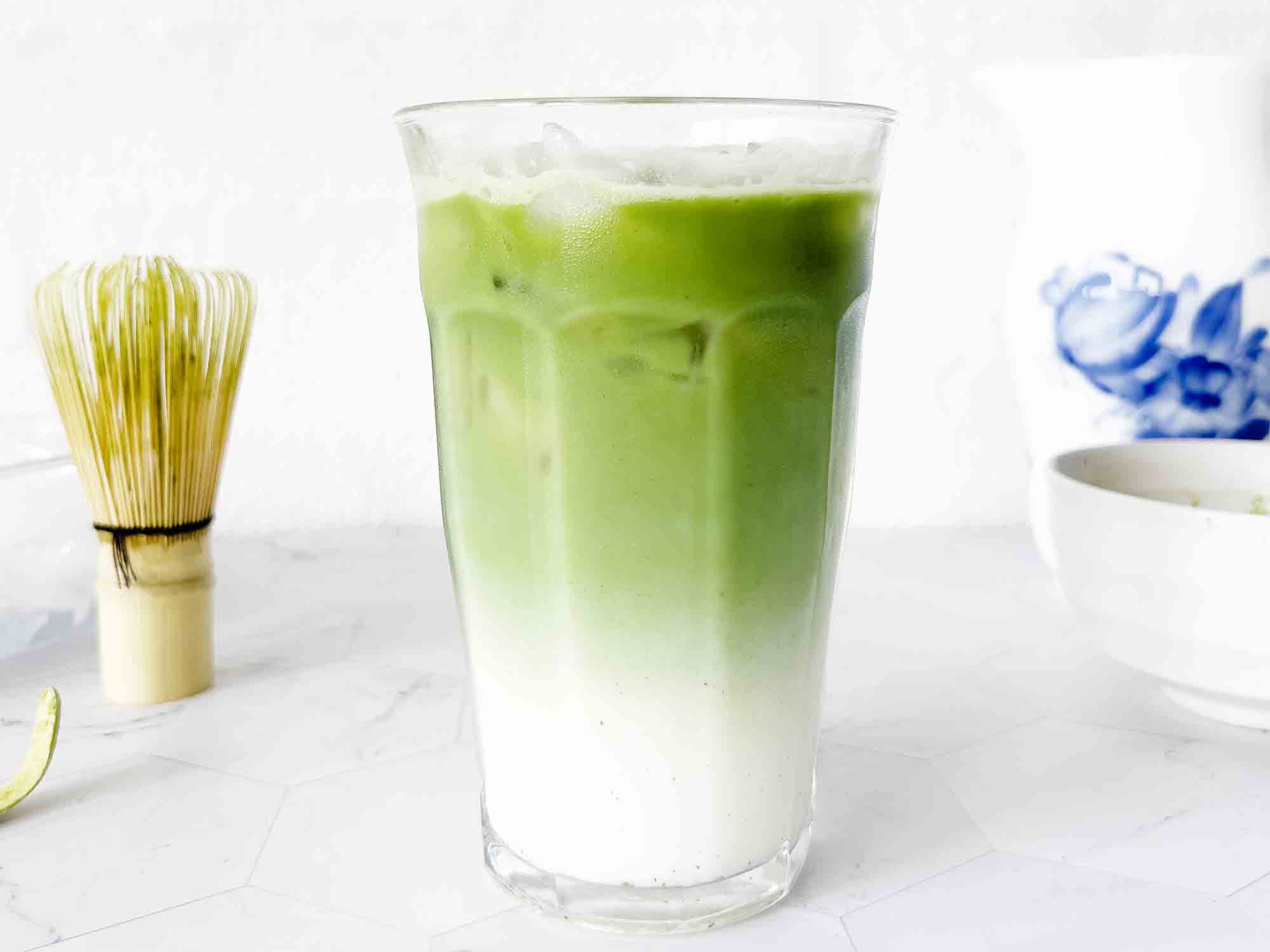
Matcha lattes are seeing a surge in creativity. What began as a simple mix of matcha and milk has evolved into a diverse range of colors, flavors, and presentations, largely driven by platforms like TikTok and YouTube.
Consumers now seek unique, visually appealing matcha lattes that also deliver on taste. This has spurred experimentation with ingredients and techniques, moving beyond simple sweetness to explore more complex flavor profiles. There's a noticeable shift towards homemade matcha creations.
Five recipes stand out for their unique blend of flavor and visual appeal. These are more than just drinks; they offer a distinct experience.
Blue Butterfly Pea Matcha
The Blue Butterfly Pea Matcha Latte is visually striking, made with butterfly pea flower petals that create a deep blue color. Its unique feature is its color-changing ability: adding an acid, like lemon juice, shifts the blue to purple.
Butterfly pea flower is caffeine-free with a subtle, earthy flavor that complements matcha. Dried flowers are available online or at specialty tea shops. To prepare, steep about a teaspoon of flowers in hot water, then combine with matcha and your preferred milk. Adding lemon juice initiates the color change.
Achieving the perfect color requires careful adjustment of lemon juice. Too much results in a muddy purple, while too little leaves it blue. The effort is rewarded by the striking visual effect. Basic recipe: 1 tsp matcha, 1 tsp butterfly pea flower tea, 8oz milk, lemon juice to taste.
- Steep butterfly pea flowers in hot water for 5-10 minutes.
- Whisk matcha powder with a small amount of hot water until smooth.
- Combine matcha, butterfly pea tea, and milk in a glass.
- Add a squeeze of lemon juice and watch the color change!
- Sweeten to taste with honey or maple syrup.
Spicy Mango Matcha
The Spicy Mango Matcha Latte offers a surprisingly addictive flavor. The combination of sweet mango, earthy matcha, and chili powder creates an intriguing profile that works well when balanced.
Balance is key; the spice should be noticeable but not overpowering. Start with a pinch of chili powder (cayenne or ancho work well) and adjust to taste. Some recipes use a sliver of fresh chili for more heat, or mango puree for sweetness and texture.
This latte is a conversation starter. Adjust the spice level to your preference. A good starting point is 1 tsp matcha, 1/2 cup mango puree, 8oz milk, and a pinch of chili powder.
Lavender Honey Dream
The Lavender Honey Dream offers a calming matcha latte. Lavender's floral notes complement the earthy matcha for a relaxing experience, with honey adding sweetness.
Use culinary-grade lavender to avoid a soapy taste; it's available online or at specialty spice shops. Start with a small amount and adjust to taste. Local wildflower honey adds an extra layer of flavor.
This latte is ideal for a moment of relaxation, perfect for enjoying with a book or bath. Manuka honey adds a notable depth of flavor. Recipe: 1 tsp matcha, 1/4 tsp culinary lavender, 8oz milk, 1-2 tbsp honey.
Black Sesame & Matcha
The Black Sesame Matcha Latte appeals to matcha enthusiasts seeking unique flavors. Black sesame paste offers a nutty, savory contrast to matcha's bitterness, creating a harmonious combination.
Black sesame paste can be made by toasting and grinding black sesame seeds, or purchased at Asian grocery stores. Toasting the seeds beforehand enhances their flavor.
This latte offers a sophisticated flavor profile, ideal for those who appreciate subtle, nuanced tastes. If new to black sesame, start with a small amount and adjust. Suggested recipe: 1 tsp matcha, 1 tbsp black sesame paste, 8oz milk, sweetener to taste.
- Toast black sesame seeds in a dry pan until fragrant.
- Grind the toasted sesame seeds into a smooth paste.
- Whisk matcha powder with a small amount of hot water.
- Combine matcha, black sesame paste, and milk in a glass.
- Sweeten to taste.
Pistachio Rose Delight
The Pistachio Rose Matcha Latte offers a luxurious experience. Rose water's floral notes and pistachio's creamy texture create a decadent combination that feels like a treat.
Pistachio paste is available online or can be made by grinding pistachios. Use good quality rosewater made with real rose petals; Cortas Rose Water offers a subtle, natural flavor.
This latte is all about indulgence. It’s the perfect drink to enjoy when you want to treat yourself. The combination of flavors is simply divine. Recipe: 1 tsp matcha, 1 tbsp pistachio paste, 1/2 tsp rosewater, 8oz milk, sweetener to taste.
Sourcing & Quality: Matcha Basics
Navigating the world of matcha can be confusing. There are so many different grades and price points, it’s hard to know where to start. Generally, matcha is categorized into two main grades: ceremonial and culinary. Ceremonial grade is the highest quality matcha, made from the youngest tea leaves and designed for traditional tea ceremonies. It has a bright green color, a smooth texture, and a delicate flavor.
Culinary grade matcha is made from older tea leaves and is often used in lattes, smoothies, and baking. It has a slightly more robust flavor and a less vibrant color. It's perfectly fine for everyday use, and it’s generally more affordable. Don't feel like you need to spend a fortune to enjoy a good matcha latte.
When purchasing matcha, look for a bright green color, a fine texture, and a fresh, slightly sweet aroma. Avoid matcha that is dull green or yellowish, as this indicates that it is old or of poor quality. Naoki Matcha and Ippodo Tea Co. are both reputable brands that offer a wide range of matcha grades. You can find them online or at specialty tea stores. Don't be afraid to experiment with different brands to find one you like.
- Color: Bright green is a good sign.
- Texture: Fine and powdery is ideal.
- Aroma: Should be fresh and slightly sweet.
- Origin: Japanese matcha is generally considered to be the highest quality.
Matcha Grade Comparison
| Grade | Color | Texture | Taste | Best Uses |
|---|---|---|---|---|
| Ceremonial | Vibrant Green | Extremely Fine, Silky | Sweet, Umami-rich, Minimal Bitterness | Traditional Tea Ceremonies, Premium Lattes (focus on flavor) |
| Premium | Bright Green | Very Fine, Smooth | Balanced Flavor, Slight Bitterness | High-Quality Lattes, Smoothies, Baking where matcha flavor is prominent |
| Culinary | Green | Fine to Slightly Coarse | Stronger, More Noticeable Bitterness | Baking, Cooking, Recipes where matcha is one of many flavors |
| Ceremonial | Consistent Green Hue | Whisked to a Frothy Consistency | Delicate and subtly sweet | Best for hot matcha preparations and appreciating nuanced flavors |
| Premium | Slightly Less Vibrant Green | Easily Dissolves | Balanced with a mild vegetal note | Versatile for both hot and cold beverages, good for everyday use |
| Culinary | May Vary in Green Shade | Can clump if not properly mixed | Robust and earthy, more pronounced bitterness | Ideal for adding color and matcha flavor to desserts and snacks |
Qualitative comparison based on the article research brief. Confirm current product details in the official docs before making implementation choices.
Beyond Lattes: Adapting the Trends
These trending flavor combinations aren’t limited to lattes. The beauty of these recipes is their versatility. The Blue Butterfly Pea Matcha, for example, would be stunning in a cheesecake, adding both color and a subtle floral flavor. The Spicy Mango Matcha could be transformed into a delicious ice cream or a unique filling for macarons.
I’ve been experimenting with a Lavender Honey Matcha shortbread cookie recipe, and it’s been a huge hit. The Black Sesame Matcha flavor pairing would be incredible in a mochi or a Japanese-inspired cake. The possibilities are endless. Don’t be afraid to get creative and experiment!
I encourage you to take these ideas and run with them. Matcha is a surprisingly adaptable ingredient, and these flavor combinations are a great starting point for your own culinary adventures. Share your creations online—I’d love to see what you come up with.
- Matcha cookies
- Matcha cakes
- Matcha ice cream
- Matcha macarons
- Matcha cheesecakes
Which of these matcha latte trends are you most excited to try?
Cast your vote for the 2026 trend you find most intriguing based on our latest research.
No comments yet. Be the first to share your thoughts!