

Matcha's Rise: Beyond the Latte
Matcha has undergone a remarkable transformation. What began as a powdered green tea enjoyed by Zen Buddhist monks in Song Dynasty China around the 12th century eventually found a home in Japan, where the practice of chanoyu – the Japanese tea ceremony – elevated it to an art form. For centuries, matcha remained largely within these cultural boundaries. But in the past decade, its presence in Western cafes and kitchens has exploded.
This isn't just a fleeting trend. People are genuinely drawn to matcha for a variety of reasons. The wellness aspect is huge, with matcha being touted for its high antioxidant content and sustained energy boost. It’s a different kind of energy than coffee provides, often described as calm and focused. Beyond the health benefits, there’s an undeniable aesthetic appeal – the vibrant green color is incredibly photogenic, contributing to its popularity on social media.
However, it’s important to understand that matcha isn't monolithic. Different grades exist, impacting both flavor and price. Ceremonial grade matcha, meant for drinking straight, offers a smooth, subtly sweet flavor. Culinary grade, designed for blending into lattes and baked goods, typically has a bolder, more robust taste. The increasing accessibility of matcha is fantastic, but understanding these nuances allows you to choose the right type for your needs. It’s more than just a pretty drink; it’s a beverage steeped in tradition and offering genuine benefits.
The versatility of matcha is another key driver of its popularity. While a matcha latte is the most recognizable application, it’s increasingly being used in everything from smoothies and desserts to savory dishes. This adaptability ensures that matcha’s presence will likely extend far beyond the current latte craze. It feels like we're only beginning to scratch the surface of what's possible with this fascinating ingredient.
Decoding Matcha Grades: What You Pay For
Understanding matcha grades is essential for navigating the market and getting the best value for your money. Ceremonial grade matcha is considered the highest quality, made from the youngest tea leaves, shaded for several weeks before harvest to boost chlorophyll production and amino acid content. This results in a vibrant green color, a delicate aroma, and a naturally sweet flavor that’s pleasant to drink on its own. It’s the grade you’d use for traditional tea ceremonies.
Premium grade matcha occupies a middle ground. It’s often made from slightly older leaves and may not have the same level of sweetness as ceremonial grade, but it still offers a good flavor profile and vibrant color. It's a good all-purpose option, suitable for both drinking straight and incorporating into recipes. Culinary grade matcha, on the other hand, is made from the most mature leaves and is specifically designed for cooking and baking. It has a bolder, more astringent flavor that can stand up to other ingredients.
Price is heavily influenced by several factors. The age of the leaves is a primary determinant, with younger leaves commanding higher prices. Growing region also plays a role, with matcha from Uji and Nishio in Japan being particularly prized for their quality. Processing methods, including the way the leaves are steamed, dried, and ground, also impact the final price. However, price doesn’t always equate to quality. Marketing and branding can significantly inflate the cost of some matcha powders.
Spotting lower-quality matcha isn’t always easy, but there are a few telltale signs. A dull, yellowish-green color is a red flag, as is a bitter or grassy taste. If the matcha feels grainy or doesn’t dissolve easily in water, it’s likely a lower grade. A good quality matcha should have a smooth, velvety texture and a vibrant green hue. Don't be afraid to experiment with different brands and grades to find what suits your palate and budget. It’s about finding what you enjoy.
- Ceremonial Grade: Youngest leaves, vibrant color, sweet flavor, best for drinking straight.
- Premium Grade: Good all-purpose option, suitable for lattes and baking.
- Culinary Grade: Bolder flavor, designed for cooking and baking.
Matcha Grade Comparison
| Color | Texture | Taste | Best Use | Price Range |
|---|---|---|---|---|
| Vibrant Green | Very Fine, Silky | Sweet, Vegetal, Umami – minimal bitterness | Traditional Matcha Tea Ceremony, high-quality lattes where subtle flavor is desired | Generally the most expensive |
| Bright Green | Fine, Smooth | Balanced flavor – a slight sweetness with a mild vegetal note. Some bitterness may be present. | Everyday lattes, smoothies, and general beverage preparation | Mid-range price point |
| Green, can vary in shade | Slightly Coarser | More robust, earthy, and sometimes bitter flavor. | Baking, smoothies, and recipes where the matcha flavor will be combined with other strong ingredients | Generally the most affordable |
| Light Green | Noticeably Coarse | Strongly vegetal and bitter. | Recipes where a vibrant color is desired, but subtle flavor is not critical. Good for blending into baked goods. | Least expensive |
| Deep Emerald Green | Extremely Fine, almost fluffy | Delicate sweetness, minimal astringency, complex umami | Usucha (thin tea) preparation, achieving a nuanced flavor profile in lattes. | Premium price, reflecting quality and origin |
Illustrative comparison based on the article research brief. Verify current pricing, limits, and product details in the official docs before relying on it.
Essential Tools: Your Matcha Starter Kit
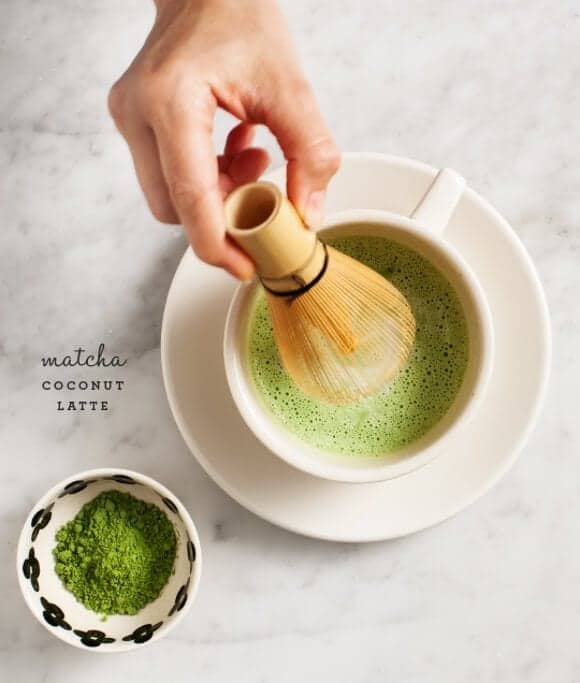
While you can certainly get by with minimal equipment, having the right tools significantly enhances the matcha-making experience. The chawan is a traditional tea bowl, designed with a wide, open shape to allow for easy whisking. A chasen, a bamboo whisk, is crucial for creating a smooth, frothy texture. The chashaku, a bamboo scoop, is used to measure the matcha powder. A fine-mesh sifter is also highly recommended to break up any clumps.
Investing in these tools isn’t necessarily a requirement, especially if you’re just starting out. A regular bowl can be substituted for a chawan, and a small stainless steel whisk can work in a pinch, though it won’t achieve the same level of froth. You can use a teaspoon to measure the matcha, although a chashaku offers more precision. The sifter is perhaps the most important tool to not skip, as it prevents clumping and ensures a smoother texture.
Proper care is essential for extending the life of your tools. The chasen, in particular, requires gentle handling. Rinse it thoroughly after each use and allow it to air dry with the tines facing up. Avoid using soap, as it can damage the bamboo. Store it in a chasen holder to maintain its shape. The chawan and chashaku are relatively low-maintenance, but should be washed and dried after each use. Taking care of your tools will ensure they last for years.
Classic Matcha Latte: The Base Recipe
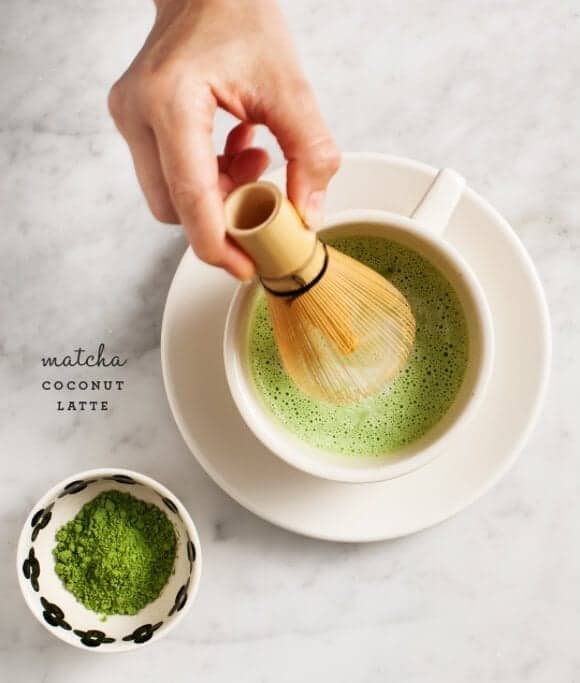
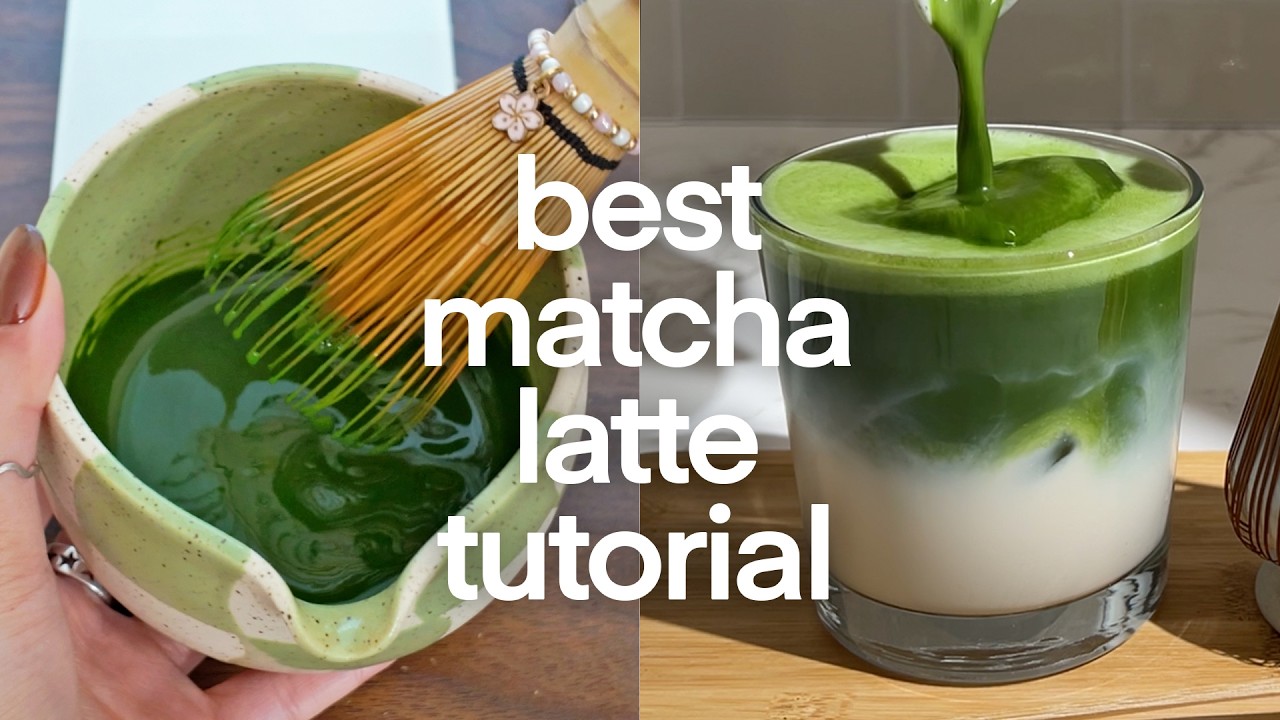
The classic hot matcha latte is a perfect starting point for your matcha journey. The key is to start with high-quality matcha and pay attention to detail. Begin by sifting 1-2 teaspoons of matcha powder into your chawan (or bowl). This is a non-negotiable step – sifting prevents clumps and ensures a smooth, even texture. Add 2 ounces of hot (not boiling) water, around 175°F, and whisk vigorously with your chasen in a “W” or “M” shape until a frothy layer forms.
Next, gently pour in 8-10 ounces of your milk of choice. Dairy milk creates a richer, creamier latte, while plant-based alternatives like oat milk or almond milk offer a lighter, vegan option. Adjust the amount of milk to your preference. Sweeten to taste with a touch of honey, maple syrup, or agave nectar. A Cozy Kitchen’s recipe (acozkitchen.com) provides a solid foundation, but don’t be afraid to experiment with the ratios to find your perfect balance.
The consistency of the matcha paste is important. You're aiming for a smooth, even paste before adding the milk. If the paste is too thin, add a little more matcha. If it’s too thick, add a tiny bit more water. Don't be afraid to practice – it takes a little getting used to. The whisking technique is also crucial. The “W” or “M” motion ensures that the matcha is fully dissolved and creates a beautiful, frothy texture.
Ultimately, making a great matcha latte is about personal preference. Play around with the amount of matcha, water, and milk until you find a combination that suits your taste. Don’t be discouraged if your first attempt isn’t perfect – practice makes perfect! And remember, using a good quality matcha powder will always make a difference.
Beyond the Basics: Flavor Variations
Once you’ve mastered the classic matcha latte, the possibilities for flavor variations are endless. Vanilla is a simple yet elegant addition. Add ½ teaspoon of vanilla extract to your matcha paste before whisking in the milk. Lavender matcha lattes are surprisingly delightful, with a floral aroma and delicate flavor. Infuse your milk with a few drops of lavender extract or use lavender simple syrup.
For a touch of decadence, try a rose matcha latte. Rosewater adds a subtle floral sweetness that complements the earthy notes of matcha. Chocolate matcha lattes are a classic combination. Add 1-2 tablespoons of cocoa powder to your matcha paste or use chocolate syrup. Spiced matcha lattes are perfect for cooler months. Add a pinch of cinnamon, cardamom, or nutmeg to your matcha paste.
Homemade syrups are a great way to control the flavor and sweetness of your lattes. You can easily make lavender simple syrup by simmering equal parts water and sugar with a handful of lavender buds. Rose simple syrup can be made similarly with rose petals. Experimenting with different extracts and spices allows you to create unique and customized flavor combinations.
Consider seasonal variations too. A pumpkin spice matcha latte in the fall, a peppermint matcha latte during the holidays, or a strawberry matcha latte in the spring. The beauty of matcha is its ability to pair well with a wide range of flavors. Don’t be afraid to get creative and explore your own combinations! The options are truly limitless.
- Vanilla: ½ tsp vanilla extract
- Lavender: Lavender extract or simple syrup
- Rose: Rosewater
- Chocolate: 1-2 tbsp cocoa powder or chocolate syrup
- Spiced: Pinch of cinnamon, cardamom, or nutmeg
Flavor Pairing Checklist
- Vanilla - A classic pairing; vanilla extract or vanilla bean paste enhances matcha's natural sweetness.
- Dark Chocolate - Cocoa powder or melted dark chocolate (70% cacao or higher) creates a rich, bittersweet latte.
- Lavender - Use culinary-grade lavender buds infused in your milk (or a lavender syrup) for a floral and calming drink.
- Rose - Rose water or rose syrup adds a delicate floral aroma and flavor. Start with a small amount as it can be potent.
- Cinnamon - A dash of ground cinnamon or a cinnamon stick steeped in your milk provides warmth and spice.
- Maple - Pure maple syrup is a natural sweetener that complements matcha’s vegetal notes beautifully.
- Coconut - Coconut milk or coconut flakes add a creamy texture and tropical flavor.
- Cardamom - A pinch of ground cardamom offers a complex, aromatic spice that pairs surprisingly well with matcha.
Iced Matcha Magic: Cool & Refreshing
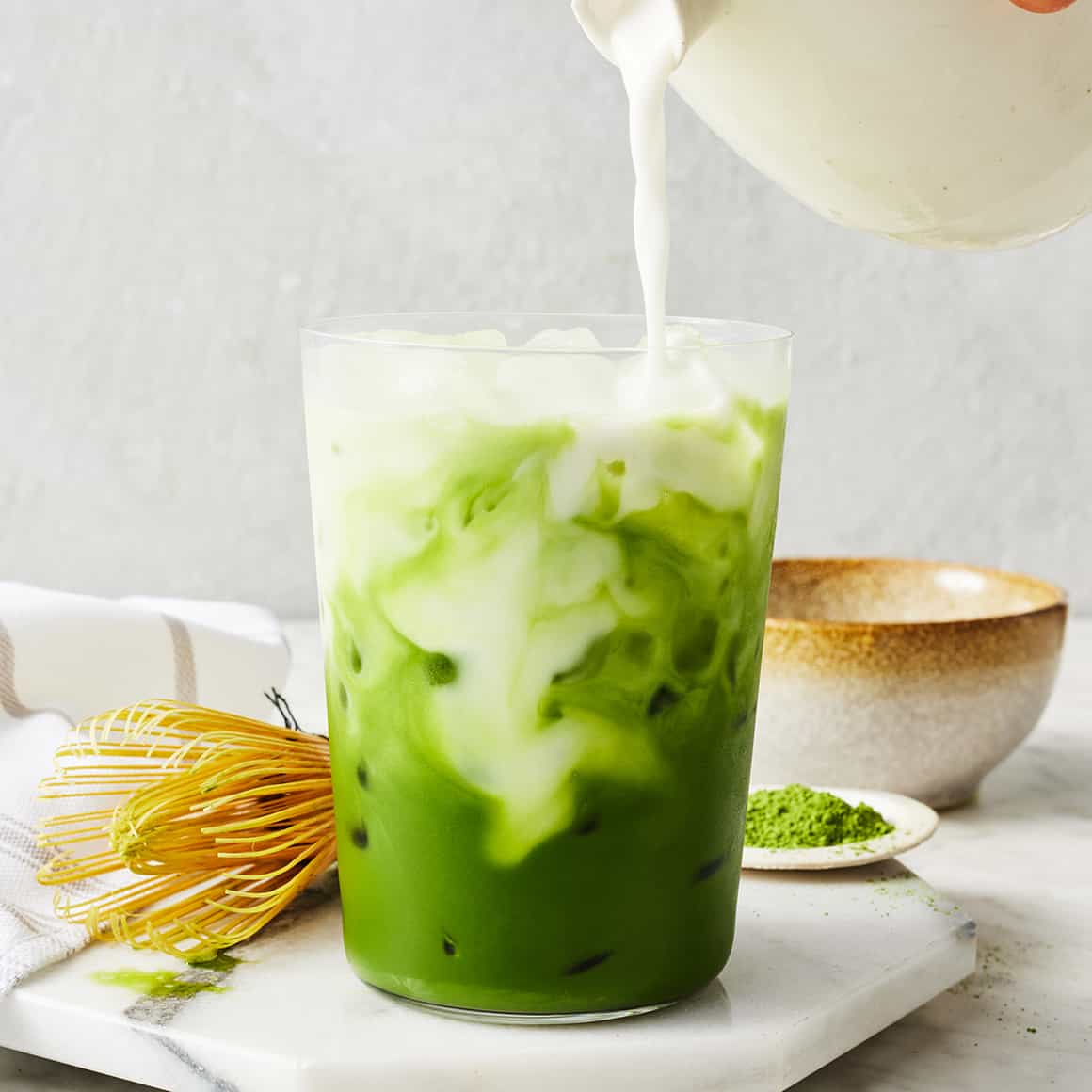
Iced matcha lattes require a slightly different approach than hot lattes. The key is to use less water initially to create a concentrated matcha paste. Combine 1-2 teaspoons of matcha powder with 1 ounce of hot water and whisk vigorously until smooth. This creates a stronger flavor that won’t be diluted by the ice. Then, pour the matcha paste into a shaker filled with ice and 8-10 ounces of milk.
Shake vigorously for 15-20 seconds to chill and combine the ingredients. The shaking process also helps to create a frothy texture, mimicking the effect of whisking. Strain the latte into a glass filled with ice. Sweeten to taste. Love and Lemons’ recipe (loveandlemons.com) offers a great starting point for creating perfect iced matcha lattes.
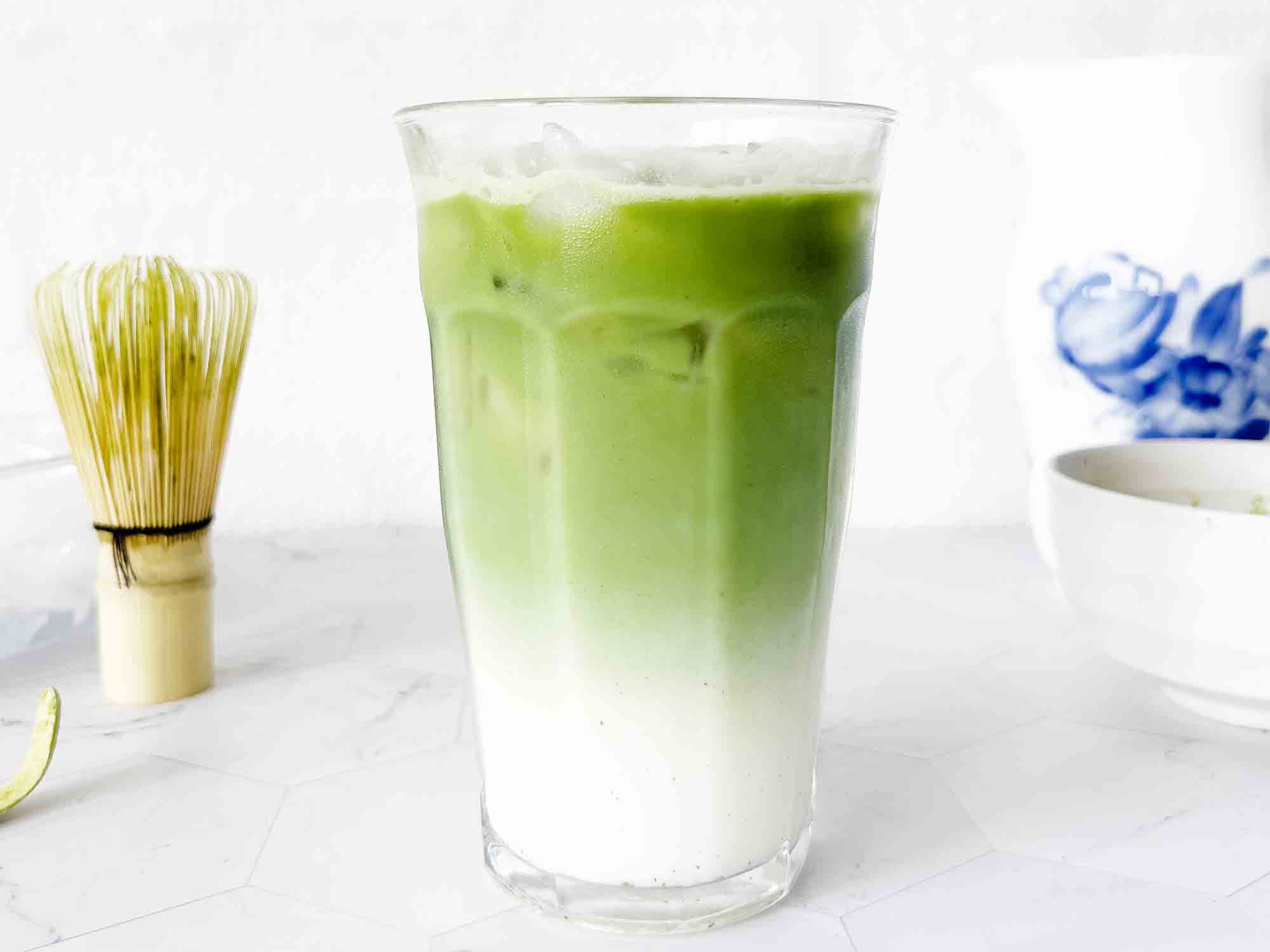
A common problem with iced matcha lattes is separation. To prevent this, ensure the matcha paste is fully dissolved and shake the latte vigorously. You can also add a small amount of xanthan gum (⅛ teaspoon) to the shaker to help emulsify the ingredients. Another issue is dilution. Using frozen milk cubes can help maintain the latte's strength as the ice melts.
For a blended iced matcha latte, combine the matcha paste, milk, and ice in a blender and blend until smooth. This creates a thicker, more milkshake-like consistency. Experiment with different ratios of matcha, milk, and ice to find your ideal texture. Iced matcha is a fantastic way to enjoy the benefits of matcha on a warm day.
Matcha in the Kitchen: Beyond Beverages
Matcha isn’t limited to just drinks. Its unique flavor profile makes it a versatile ingredient in a variety of culinary applications. In baking, matcha can add a vibrant color and subtle earthy flavor to cookies, cakes, and muffins. It pairs particularly well with white chocolate and citrus flavors. Adding 1-2 tablespoons of matcha powder to your favorite cookie or cake recipe is a great starting point.
Matcha also works wonderfully in smoothies. Adding a teaspoon of matcha to your morning smoothie provides a boost of antioxidants and sustained energy. It complements fruits like banana, mango, and pineapple. For a savory twist, try dusting salmon or other fish with matcha before baking or grilling. The matcha creates a beautiful crust and adds a subtle umami flavor.
Matcha can even be used to make matcha-infused oil or vinegar, which can be used in salad dressings or marinades. Experimenting with matcha in the kitchen is a fun and rewarding experience. Don't be afraid to try new combinations and see what works. Matcha's flavor is complex and can enhance a wide range of dishes.
A simple matcha shortbread cookie recipe is a great place to start. Combine 1 cup of butter, ½ cup of powdered sugar, 2 cups of flour, and 2 tablespoons of matcha powder. Bake at 350°F for 12-15 minutes. The possibilities are endless; matcha is a surprisingly adaptable ingredient.
Troubleshooting: Common Matcha Mistakes
One of the most common complaints is a bitter taste. This is often caused by using too much matcha or using water that’s too hot. Lower-quality matcha can also contribute to bitterness. Using less matcha and ensuring the water is around 175°F can help. Clumpy matcha is another frequent issue. This is easily solved by sifting the matcha powder before whisking. A fine-mesh sifter is essential for preventing clumps.
A weak matcha flavor can be caused by using too little matcha or not whisking vigorously enough. Increase the amount of matcha or whisk for a longer period to extract more flavor. Separation in iced matcha lattes can be prevented by shaking vigorously and using a small amount of xanthan gum. If your matcha latte tastes grassy, it could be a sign of lower-quality matcha.
Remember, the quality of the water matters too. Filtered water is always recommended. Don't be afraid to experiment and adjust the recipe to your liking. Making perfect matcha takes practice, but by understanding these common mistakes and how to fix them, you’ll be well on your way to enjoying delicious, homemade matcha drinks every time.
Ultimately, the goal is to create a matcha experience that you enjoy. Don't be afraid to break the rules and experiment with different flavors and techniques. With a little practice and patience, you’ll be able to consistently make high-quality matcha drinks at home.
No comments yet. Be the first to share your thoughts!