

The shift toward iced matcha
Matcha has been around for centuries, originating with Japanese tea ceremonies. It's essentially powdered green tea leaves—specifically, tencha—ground into a fine powder. For a long time, it was mostly associated with that traditional preparation, but it’s exploded in popularity in recent years. I think it’s because people are looking for alternatives to coffee that still offer a boost, but without the jitters.
Matcha contains L-theanine, which helps balance the caffeine. When served over ice, the cold temperature cuts the natural grassiness of the powder. It is a reliable choice for 90-degree days when hot tea feels impossible.
I’ve been making iced matcha drinks at home for years, and I’ve seen the trend grow. It’s no longer just a coffee shop novelty; it’s something people are actively seeking out and recreating themselves. And honestly, that’s fantastic. It’s a versatile ingredient, and these recipes prove just how easy it is to make incredible matcha drinks at home.
The classic iced latte
The foundation is a smooth paste. Sifting the powder through a fine-mesh sieve is the only way to avoid clumps. Even high-grade powders tend to settle and ball up in the tin, so don't skip this step.
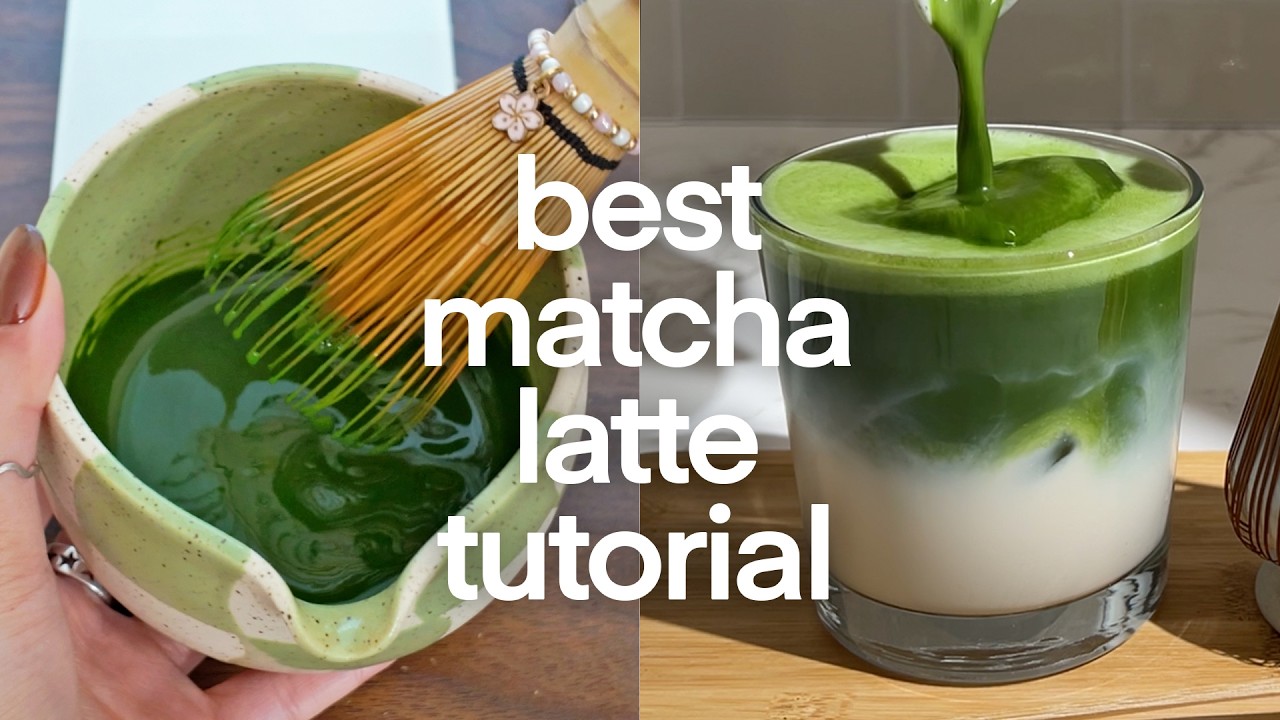
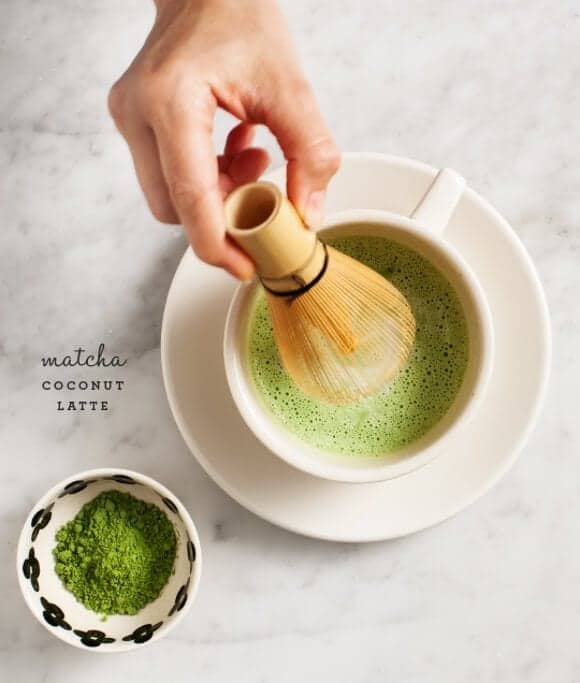
Next, the whisking. Traditionally, a bamboo whisk—a chasen—is used. Add about a teaspoon of matcha to your mug, then pour in 2 ounces of water that’s around 175°F (80°C). Water that's too hot will make the matcha bitter. Whisk vigorously in a W-shape until a frothy layer forms. It takes practice, but it’s worth it. You can use an electric frother if you prefer, but the chasen offers a unique texture.
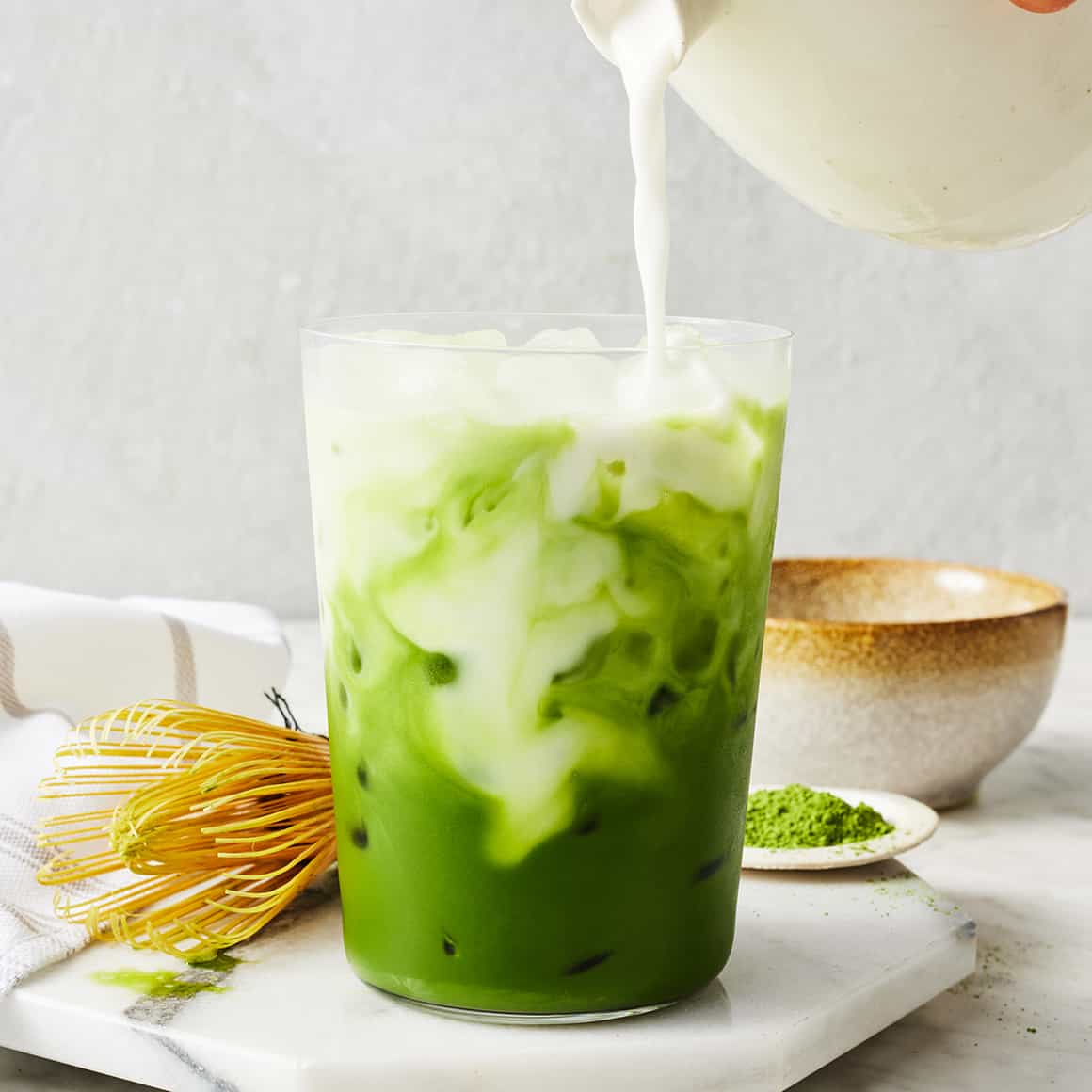
For an 8oz latte, I recommend 1-2 teaspoons of matcha, depending on your preference. Then, add 6-8 ounces of milk. Dairy milk works well, but oat milk is my go-to—it’s creamy and complements the matcha flavor beautifully. Almond milk is also good, but can be a little thinner. Soy milk is another solid option. Fill a glass with ice, pour in the matcha, then top with your milk of choice. Adjust the matcha and milk to taste.
Strawberry matcha
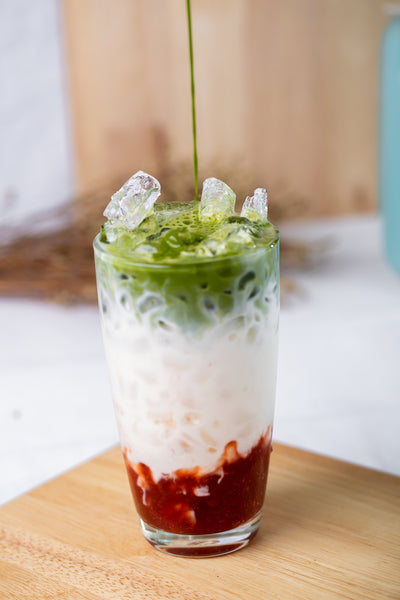
Building on the classic, this recipe introduces the bright, sweet flavor of strawberries. You have a few options for incorporating the berries: puree them, slice them, or make a strawberry syrup. I prefer a puree, as it blends seamlessly with the matcha and milk. About half a cup of pureed strawberries is a good starting point for an 8oz drink.
The flavor pairing is fantastic. The earthy notes of matcha are perfectly balanced by the sweetness of the strawberries. It’s a surprisingly harmonious combination. If you're using fresh strawberries, using frozen ones alongside them can help chill the drink without needing as much ice, preventing dilution.
Adjust the sweetness to your liking. Strawberries vary in sweetness, so you might need to add a little simple syrup or honey. I usually taste as I go and add sweetener gradually. This one is particularly good with oat milk, in my opinion, but any milk will work.
Mango and matcha
Mango and matcha might sound unusual, but trust me on this one. The tropical sweetness of mango complements the earthy matcha in a really interesting way. You can use mango puree, or blend fresh mango chunks with a little water to create your own. About ¾ cup of mango puree is a good amount for an 8oz drink.
This recipe really evokes a tropical vibe, making it a perfect pick-me-up on a hot day. It’s a little more adventurous than the strawberry latte, but it’s worth trying if you’re looking for something different. I find the mango flavor really cuts through the slight bitterness of the matcha.
I recommend garnishing with a sprinkle of toasted coconut flakes. It adds a lovely texture and enhances the tropical flavors. A splash of pineapple juice can also be a nice addition, but be careful not to overpower the matcha.
Vanilla and spice
This recipe adds a touch of sophistication with the warm, comforting flavors of vanilla and spice. You can use vanilla extract—about ½ teaspoon for an 8oz drink—or vanilla bean paste for a more intense flavor. I prefer the paste, as it has little black flecks of vanilla bean that look beautiful.
The spices are where you can really get creative. I recommend starting with a pinch of cinnamon, nutmeg, and cardamom. Start small—you can always add more—but it’s hard to take away. I’m not entirely sure about allspice, but a tiny amount might work; it's something I haven't tried extensively. The goal is to create a warming, comforting flavor profile.
This drink pairs well with any milk, but I think almond milk really lets the vanilla and spice flavors shine. It’s a little more complex than the other recipes, but the extra effort is rewarded with a truly delicious and unique matcha drink.
Cocoa and matcha
For the chocolate lovers out there, this recipe is a dream come true. You can incorporate chocolate in a few ways: add a tablespoon of cocoa powder directly to the matcha paste, or use chocolate syrup. I personally prefer cocoa powder, as it gives a more intense chocolate flavor. For an 8oz drink, start with a tablespoon of good quality cocoa powder.
The type of chocolate you use will change the flavor profile. Dark chocolate will create a richer, more intense drink, while milk chocolate will be sweeter and milder. White chocolate is also an option, but it’s quite sweet, so you might want to reduce the amount of sweetener. A pinch of sea salt really enhances the chocolate flavor.
This is my personal favorite. The combination of earthy matcha and rich chocolate is irresistible. It's a bit of an indulgence, but it’s worth it. I often add a little extra cocoa powder and a sprinkle of sea salt on top.
Fixing bitterness and choosing powder
Let’s address some common issues. Clumpy matcha is usually caused by moisture. Make sure your matcha is stored in an airtight container in a cool, dry place. If your matcha is clumping, sift it before using. A bitter taste often indicates that the water was too hot, or you used too much matcha. Experiment with lower water temperatures and smaller amounts of matcha.
Not sweet enough? Add a little simple syrup, honey, or maple syrup. Taste as you go and adjust to your liking. But beyond these fixes, the quality of your matcha matters a lot. There's a big difference between ceremonial grade and culinary grade matcha.
Ceremonial grade matcha is made from the youngest tea leaves and is intended for traditional tea ceremonies. It has a smoother, sweeter flavor and a vibrant green color. Culinary grade matcha is made from older leaves and is more suitable for baking and smoothies. I recommend Ippodo Tea Co. and MatchaBar for reliable quality. You can find good matcha online or at Japanese grocery stores.
No comments yet. Be the first to share your thoughts!