

The shift toward homemade matcha cookies
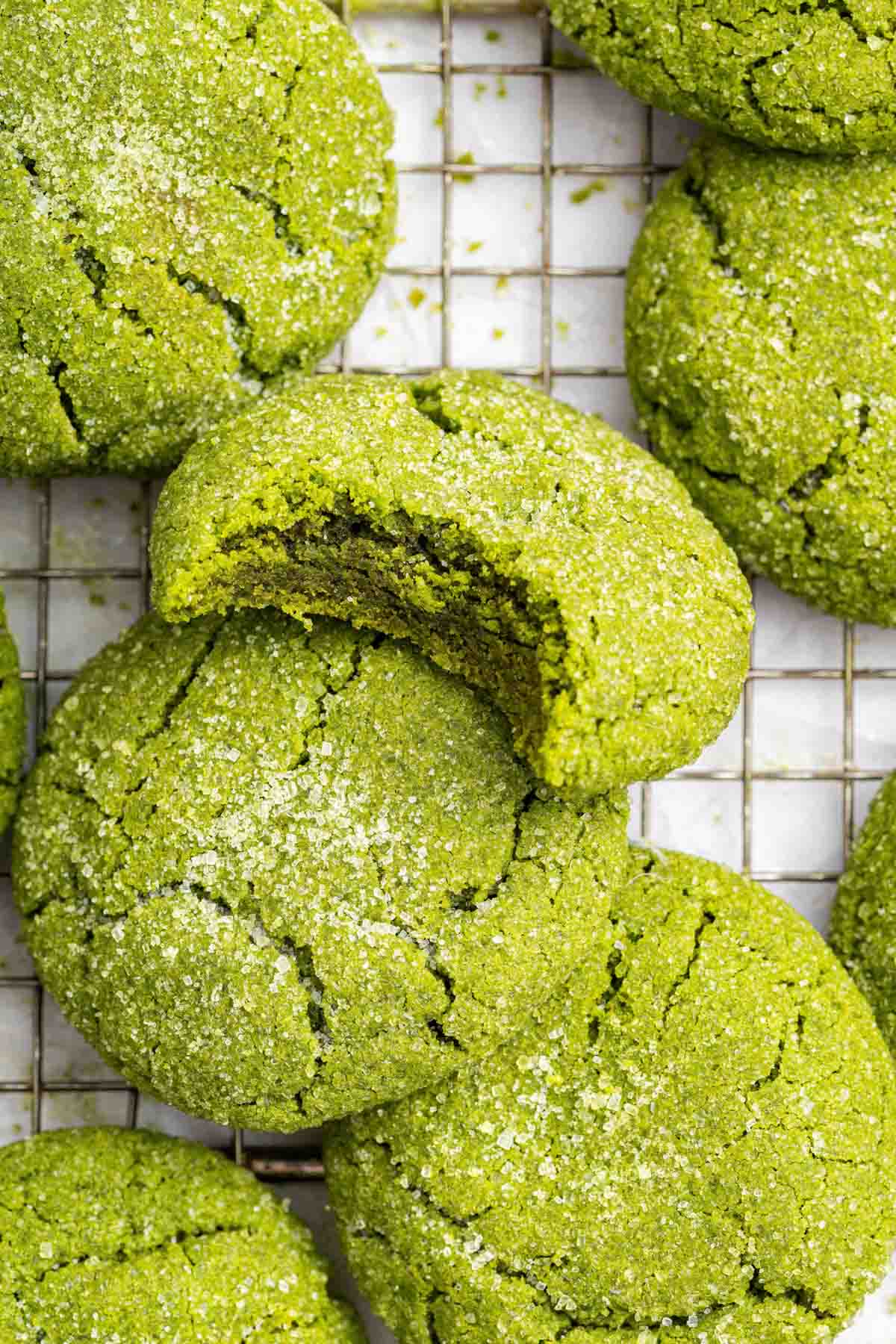
I remember the first time I tried a matcha cookie from a bakery. It was…disappointing. The color was pale, the flavor muted, and frankly, it tasted mostly of sugar. That experience sparked a bit of a mission for me: to create the perfect matcha cookie at home. And I wasn’t alone. Over the last few years, I’ve noticed a significant surge in people ditching store-bought options and embracing the art of homemade matcha cookies.
This isn't just about cookies, of course. Matcha itself has exploded in popularity, moving beyond lattes and becoming a staple in everything from ice cream to granola. But the desire for homemade matcha cookies specifically seems rooted in a broader trend: a craving for control. We want to know what’s going into our food, and we’re willing to put in the effort to make it ourselves.
Many of us are tired of processed snacks. We're looking at the labels on those bright green supermarket cookies and realizing they don't match the quality we can get in our own kitchens. I want a cookie that actually tastes like tea, not just green-dyed sugar.
The hidden costs of store-bought convenience
Let’s be real: store-bought matcha cookies are convenient. That’s their biggest selling point. But that convenience often comes at a cost. A quick scan of ingredient lists from major retailers like Trader Joe’s and Whole Foods reveals a common pattern: a reliance on preservatives, artificial flavors, and lower-quality matcha powder.
For example, many commercially produced matcha cookies include ingredients like partially hydrogenated oils, high fructose corn syrup, and artificial coloring to enhance the green hue. The matcha itself is often listed simply as 'matcha powder,' with no indication of its grade or origin. This is a red flag, as lower-grade matcha tends to be more bitter and lacks the vibrant color of ceremonial or premium grades.
Price-wise, a package of six matcha cookies from Trader Joe’s costs around $3.99 (as of late 2023), while similar options at Whole Foods can range from $4.50 to $6.00. Considering the ingredients used, the price point isn't necessarily a bargain. You're paying for convenience, but sacrificing quality and control.
I looked at a few brands recently and found that many rely heavily on stabilizers and emulsifiers which, while not necessarily harmful, aren’t ingredients I want in a treat I’m making (or hoping to find) something delicious with. It makes you wonder what they're masking.
How to judge matcha quality
Understanding matcha quality is essential to appreciating the difference between a truly exceptional matcha cookie and a mediocre one. Matcha is broadly categorized into three main grades: ceremonial, premium, and culinary. Ceremonial grade is the highest quality, made from the youngest tea leaves, and is designed for traditional tea ceremonies. It boasts a vibrant green color and a smooth, slightly sweet flavor.
Premium grade is also high quality, but may come from slightly older tea leaves. It's a great all-purpose matcha, suitable for lattes, smoothies, and baking. Culinary grade is the least expensive and often has a more bitter taste and duller color. It’s typically used in foods where the matcha flavor isn’t the primary focus.
Unfortunately, many store-bought matcha cookies utilize culinary-grade matcha, or a blend of grades. This results in a cookie that lacks the bright green color and subtle sweetness that high-quality matcha provides. While I haven’t found precise data on the percentage of matcha used in these cookies, it’s likely a relatively small amount, further diminishing the flavor impact.
The origin of the matcha also matters. Matcha from Uji, Japan, is widely considered to be the highest quality, due to the region’s ideal growing conditions and centuries of tea cultivation expertise.
- Ceremonial: Best for color and sweetness but expensive for baking.
- Premium Grade: Excellent quality, versatile for lattes and baking.
- Culinary Grade: Least expensive, more bitter, best for blending.
Matcha Grade Comparison for Baking
| Grade | Color | Texture | Taste Profile | Common Uses |
|---|---|---|---|---|
| Ceremonial | Vibrant Green | Very Fine, Silky | Sweet, vegetal, minimal bitterness | Traditional tea ceremonies, high-end lattes where subtle flavor is key |
| Premium | Bright Green | Fine | Balanced vegetal notes with slight sweetness, low bitterness | Everyday lattes, smoothies, delicate baked goods |
| Culinary | Green, may have yellow tones | Slightly Coarse | Stronger vegetal flavor, more pronounced bitterness | Baking (cookies, cakes), ice cream, recipes where matcha flavor should be prominent |
| Premium (approximate price) | Bright Green | Fine | Balanced | $20 - $30 per ounce |
| Culinary (approximate price) | Green, may have yellow tones | Slightly Coarse | Stronger | $8 - $15 per ounce |
| Ceremonial (approximate price) | Vibrant Green | Very Fine, Silky | Sweet, vegetal | $30+ per ounce |
Illustrative comparison based on the article research brief. Verify current pricing, limits, and product details in the official docs before relying on it.
Why control over ingredients matters
This is where the real magic happens. Making matcha cookies at home gives you complete control over every ingredient. You can choose high-quality matcha from a reputable source, adjust the sugar content to your liking, and avoid unwanted additives and preservatives. It’s about knowing exactly what you’re putting into your body.
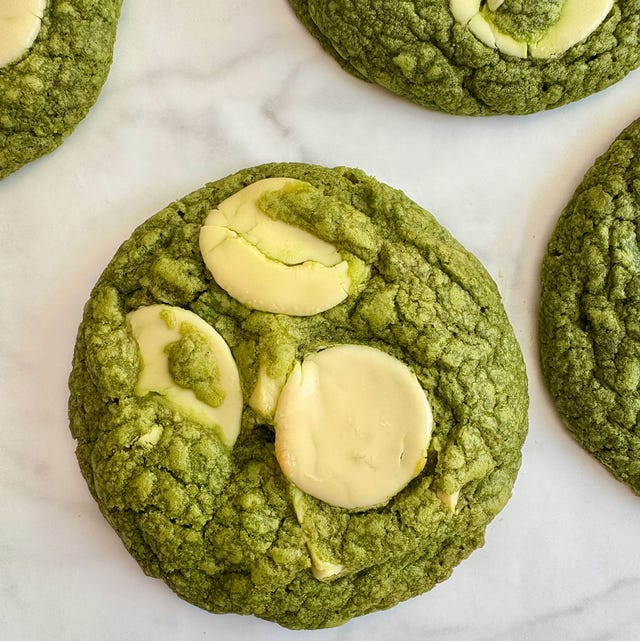
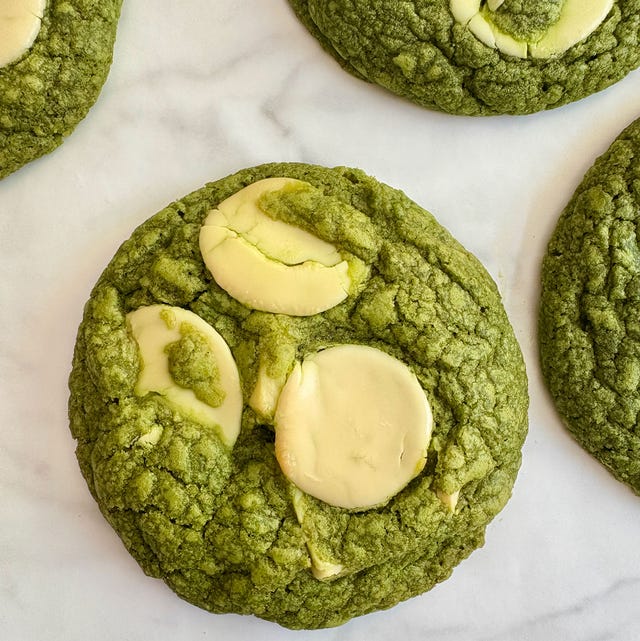
The satisfaction of creating something from scratch is also a huge factor. There’s a genuine sense of accomplishment that comes with transforming simple ingredients into a delicious, vibrant treat. Plus, you can customize the flavors to your heart’s content. Want a hint of lemon zest? Go for it. Craving a white chocolate matcha cookie? Absolutely.
A great starting point is the recipe from the City of San Diego website (How-To Make Matcha Cookies by Thuy (Titi) Nguyen). It's a fairly straightforward recipe that provides a solid base for experimentation. It calls for 1 1/3 cup chopped white chocolate, 14 tablespoons of butter, 1 1/2 cups of sugar, 2 eggs, 2 1/4 cups of flour, 1/2 teaspoon of baking soda, and 2 tablespoons of matcha powder.
More than just the ingredients, though, is the experience. Turning on some music, measuring everything out precisely, and the smell of cookies baking in the oven… it's a little ritual that's incredibly rewarding.
A reliable matcha cookie recipe
Let's build on that San Diego recipe and create a truly exceptional matcha cookie. Here's a detailed guide, incorporating tips from NYT Cooking and Julie Marie Eats. First, preheat your oven to 330°F (165°C). Sift together 2 1/4 cups of all-purpose flour, 2 tablespoons of high-quality matcha powder (I recommend a premium grade), and 1/2 teaspoon of baking soda. Sifting is crucial for preventing clumps and ensuring the matcha is evenly distributed.
In a separate bowl, cream together 14 tablespoons (about 1 3/4 sticks) of softened unsalted butter and 1 1/2 cups of granulated sugar until light and fluffy. Beat in 2 large eggs, one at a time, ensuring each is fully incorporated before adding the next. Gradually add the dry ingredients to the wet ingredients, mixing until just combined. Be careful not to overmix, as this can result in tough cookies.
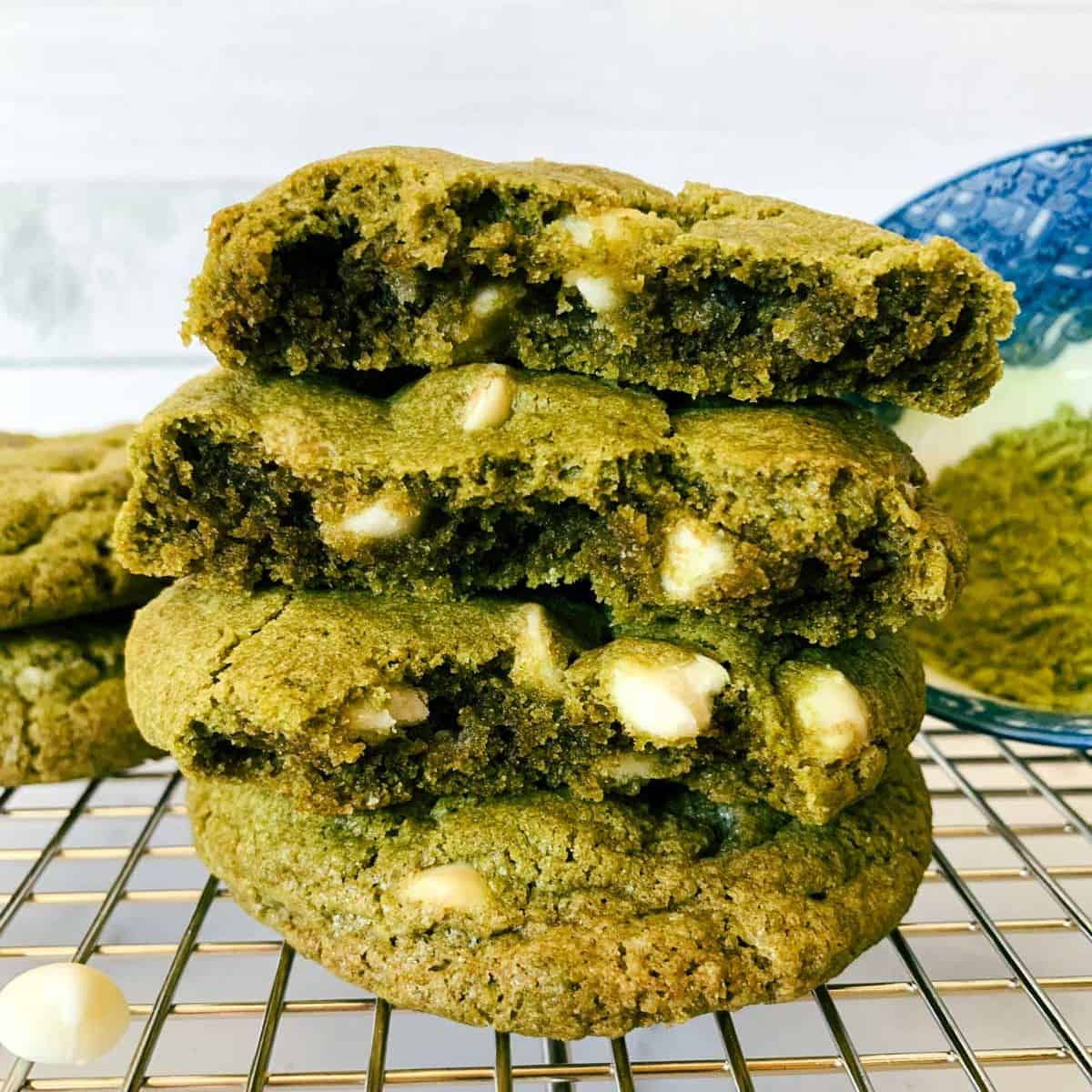
Finally, gently fold in 1 1/3 cups of chopped white chocolate. Drop rounded tablespoons of dough onto ungreased baking sheets, leaving about 2 inches between each cookie. Bake for 10-12 minutes, or until the edges are golden brown and the centers are set. Let the cookies cool on the baking sheets for a few minutes before transferring them to a wire rack to cool completely.
A common pitfall is using too much flour, which leads to dry, crumbly cookies. Measure the flour carefully, and avoid packing it into the measuring cup. Another tip: chilling the dough for 30 minutes before baking can help prevent the cookies from spreading too much.
Better flavor combinations
While a classic matcha cookie is delicious, don't be afraid to experiment with different flavor pairings. White chocolate and matcha are a match made in heaven – the sweetness of the white chocolate complements the subtle bitterness of the matcha perfectly. Citrus fruits like lemon and orange also pair beautifully with matcha, adding a bright, zesty note.
For a more exotic twist, try adding a pinch of sesame seeds to the dough. The nutty flavor of the sesame seeds enhances the earthy notes of the matcha. I've also had success with adding a hint of spice, such as ginger or cardamom. A quarter teaspoon of ground ginger can add a warm, comforting flavor.
Recently, I experimented with a matcha and black sesame cookie, and it was a revelation. The combination of the vibrant green matcha and the dark, nutty sesame seeds was visually stunning and incredibly flavorful. Don't be afraid to get creative and find your own signature combination.
I've also been thinking about a matcha and yuzu cookie – the floral, citrusy aroma of yuzu would be a fantastic complement to the matcha's earthiness.
Tools and sourcing
Baking matcha cookies doesn’t require a ton of specialized equipment, but a few key tools can make the process much easier. A good quality whisk is essential for incorporating the matcha powder evenly into the dough. A sifter is also important for preventing clumps and ensuring a smooth texture.
You’ll also need a set of baking sheets, parchment paper, and measuring cups and spoons. A stand mixer can be helpful for creaming the butter and sugar, but it’s not essential – you can easily do it by hand with a sturdy whisk. Beyond that, standard cookie baking tools will do the trick.
I usually buy Ippodo Tea or Aiya Matcha. They are consistent and easy to find. A 30g tin of Ippodo's culinary grade is about $20 on Amazon, which is fair for the quality you get compared to generic grocery store brands.
Here are a few other helpful items:
- A metal whisk to break up tea clumps.
- Sifter: Prevents clumps and ensures even distribution.
- Baking Sheets: Essential for baking.
- Parchment Paper: Prevents sticking.
- Matcha Powder: Ippodo Tea or Aiya Matcha are good choices.
Essential Tools for Baking Perfect Matcha Cookies at Home

Ceremonial Grade Matcha · First Harvest from Uji, Kyoto · Authentic Japanese Origin
This high-quality matcha provides a superior flavor and vibrant color essential for exceptional homemade matcha cookies.

Includes Whisk, Holder, Sifter, and Scoops · Bamboo Construction · Aids in Matcha Paste Preparation
This set provides all the necessary tools to properly prepare matcha, ensuring a smooth and well-integrated flavor in your cookies.

Set of Two Fine Mesh Sieves (8-inch 40-mesh, 6-inch 60-mesh) · Durable Stainless Steel Construction · Ideal for Sifting Flour and Matcha Powder
These fine-mesh sieves are crucial for achieving a delicate texture in your cookies by ensuring all dry ingredients are lump-free.

Commercial Quality Aluminum · Warp-Resistant Encapsulated Rim · Even Baking Performance
This reliable sheet pan guarantees even heat distribution for perfectly baked matcha cookies, preventing burnt bottoms or unevenly cooked centers.

Set of 12 Round Cutters (1/2" to 5") · Durable 304 Stainless Steel · Dishwasher Safe with Storage Box
These versatile cookie cutters allow for consistent sizing and professional presentation of your homemade matcha cookies.
As an Amazon Associate I earn from qualifying purchases. Prices may vary.
No comments yet. Be the first to share your thoughts!