

The shift from lattes to baking
Matcha isn't just for lattes anymore. Most people buy it for that grassy, earthy hit or the caffeine kick that doesn't leave you jittery. While it started in Japanese tea ceremonies, it's now a staple in my kitchen for baking because of that deep green color and specific bitterness.
Historically, matcha was reserved for Japanese aristocracy and Buddhist monks. It was a symbol of status and spiritual practice. Now, it’s accessible to everyone, and that accessibility has sparked creativity in the kitchen. We’re seeing matcha infused into everything from smoothies and ice cream to cakes and, of course, cookies. This isn’t a fleeting trend; it's a genuine appreciation for a distinctive flavor profile.
Homemade matcha cookies are a natural extension of this growing enthusiasm. They allow you to control the quality of the matcha, adjust the sweetness to your liking, and experience a freshness that’s simply impossible to find in a store-bought version. More than just a treat, baking these cookies is a way to connect with the tradition and savor the true essence of matcha.
What's actually inside store-bought cookies
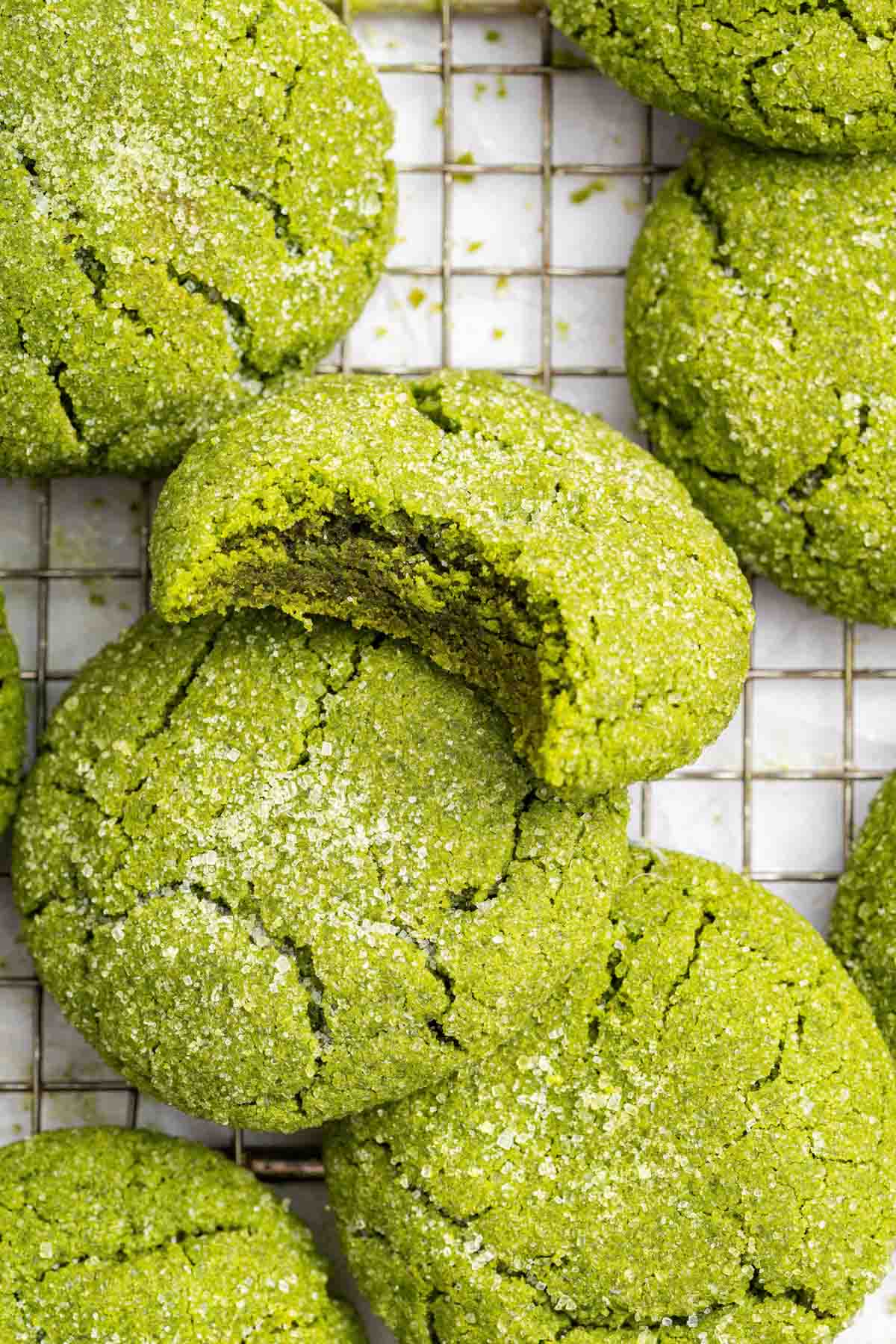
Let's be honest, convenience is king. Grabbing a package of matcha cookies from the grocery store is undeniably easier than baking them yourself. But that convenience comes at a cost, and often, it's the quality of the matcha itself. Many commercially produced matcha cookies contain very little actual matcha powder, relying instead on artificial flavorings and food coloring to achieve that signature green color.
Check the back of a bag from the grocery store and you'll see why they taste off. Most use palm oil and corn syrup to stay shelf-stable. Even decent brands like Tate's often rely on 'natural flavors' and green dye rather than actual ground tea leaves. You end up with a cookie that smells like matcha but tastes like sugar.
The trade-off is clear: speed and affordability versus authentic flavor and ingredient quality. Store-bought options prioritize shelf life and mass production over the delicate nuances of good matcha. While they can satisfy a quick craving, they rarely deliver the complex, slightly bitter, and subtly sweet experience that a well-made homemade matcha cookie can offer. It’s a different product entirely.
How to spot good matcha
Not all matcha is created equal. The quality of matcha dramatically impacts the flavor and color of your cookies, and understanding the differences is key to getting the best results. Matcha is generally categorized into ceremonial, premium, and culinary grades. Ceremonial grade is the highest quality, intended for traditional tea ceremonies, and is quite expensive.
Premium matcha is still excellent for drinking and baking, offering a vibrant green color and a smooth, slightly sweet flavor. Culinary grade matcha, while less expensive, is often duller in color and can have a more bitter taste. This is often what you’ll find in cheaper store-bought cookies. The growing region also matters; matcha from Uji and Nishio in Japan is particularly prized.
Look at the color before you buy. If it's neon green, it's fresh. If it looks like dead grass or hay, it's oxidized and will taste like dirt in your dough. I've found that spending an extra five dollars on a small tin of premium powder is the only way to actually taste the tea after it comes out of the oven.
A basic recipe to get started
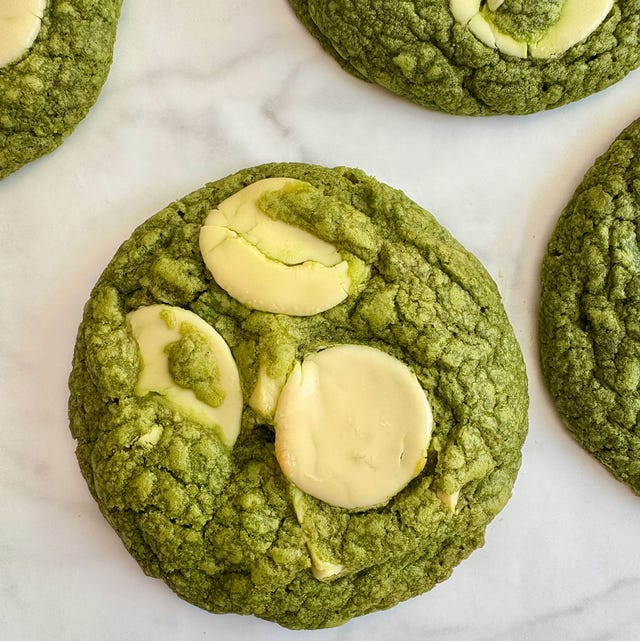
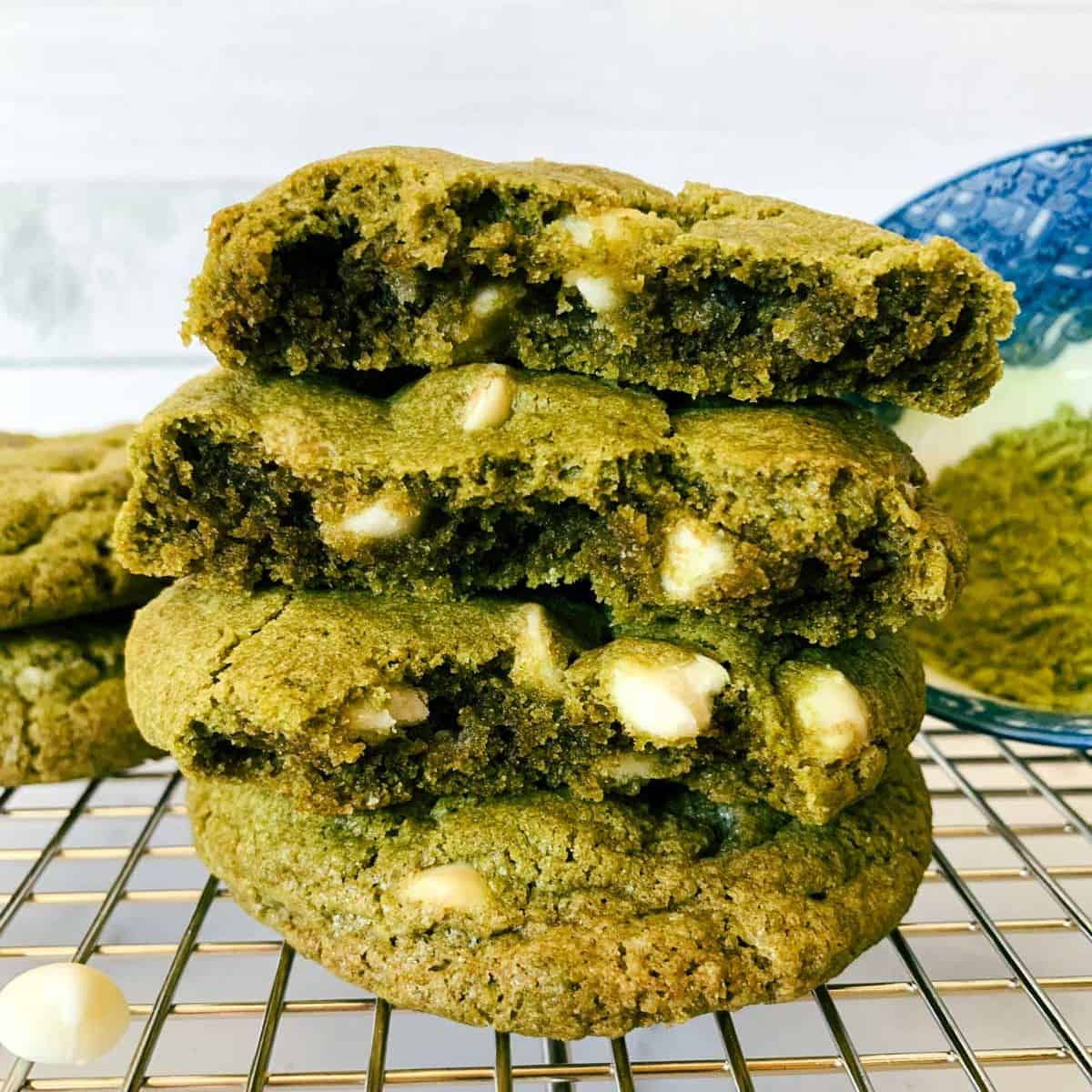
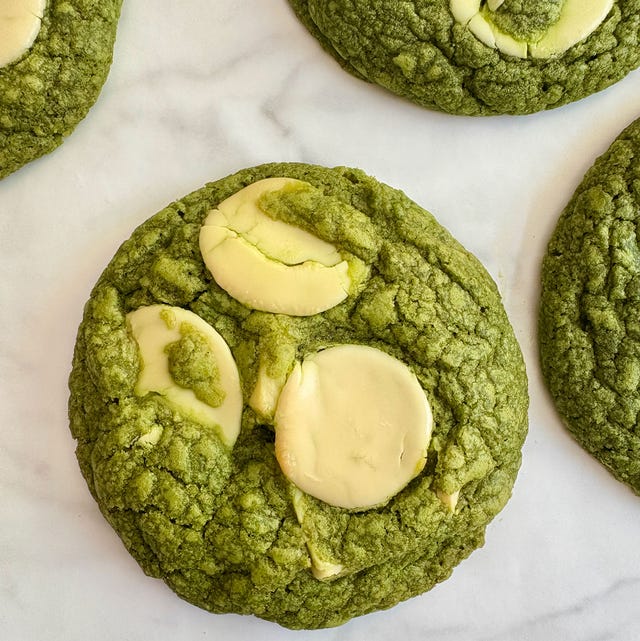
The City of San Diego’s website actually offers a remarkably straightforward matcha cookie recipe from Thuy (Titi) Nguyen. It’s a great starting point for anyone new to baking with matcha. The recipe calls for 1 1/3 cups of chopped white chocolate, 14 tablespoons of softened butter, 1 1/2 cups of sugar, 2 eggs, 2 1/4 cups of flour, 1/2 teaspoon of baking soda, and 2 tablespoons of matcha powder.
The process is simple: preheat your oven to 330 degrees F, sift together the flour, matcha powder, and baking soda. Cream together the butter and sugar, then beat in the eggs. Gradually add the dry ingredients, followed by the white chocolate. The key here is sifting the dry ingredients – this ensures the matcha powder is evenly distributed, preventing clumps and ensuring consistent flavor.
Why these ingredients? The white chocolate complements the subtle bitterness of the matcha, creating a balanced flavor profile. Butter provides richness and tenderness, while the flour and baking soda give the cookies structure. Matcha, of course, is the star, providing the flavor, color, and those beneficial antioxidants. This recipe focuses on a classic cookie texture, letting the matcha shine through.
Here's a breakdown of the steps: 1. Preheat oven to 330°F. 2. Sift flour, matcha, and baking soda. 3. Cream butter and sugar. 4. Add eggs. 5. Slowly add dry mixture. 6. Stir in white chocolate. 7. Drop by rounded tablespoons onto a baking sheet. 8. Bake for 10-12 minutes. This recipe is a solid foundation for experimentation.
NYT Cooking's Twist: The Matcha Latte Cookie
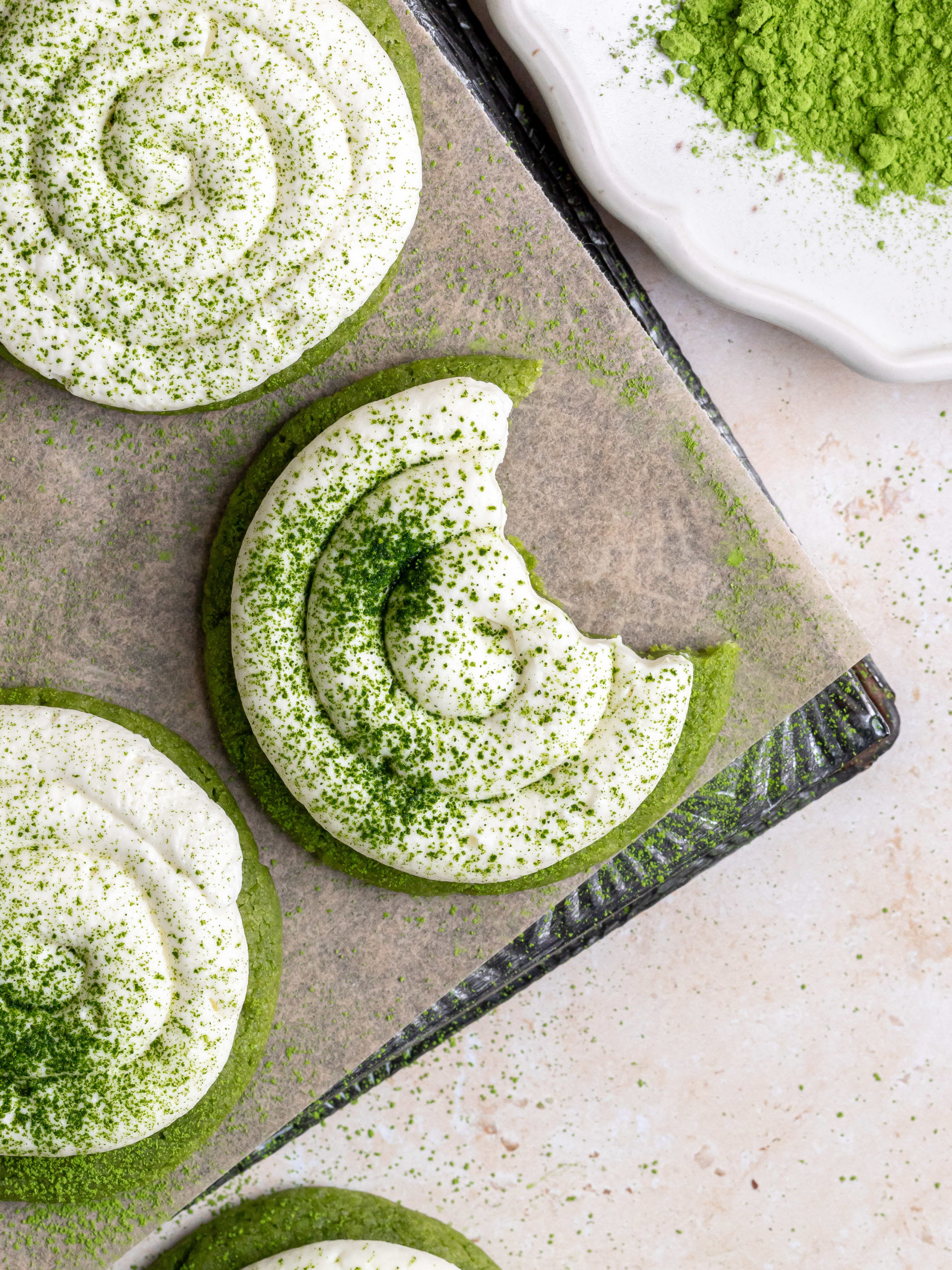
For a more sophisticated take, consider the Matcha Latte Cookies from NYT Cooking. This recipe elevates the experience with an ermine frosting – a silky, old-fashioned boiled milk frosting that perfectly complements the matcha flavor. It's a bit more involved than the San Diego recipe, but the result is worth the effort.
The cookies themselves are described as chewy and a striking “Grinch green” color. The ermine frosting adds a cloud-like texture and a subtle sweetness that balances the earthy notes of the matcha. This recipe really leans into the 'latte' aspect, creating a cookie that truly tastes like a decadent matcha beverage.
The textural difference is notable. The San Diego recipe yields a more classic, slightly crisp cookie, while the NYT Cooking version is softer and chewier, thanks to the different ratios of ingredients and the addition of the frosting. Both are excellent, but they offer distinct experiences. If you’re looking for a showstopper, the NYT version is a great choice.
Level Up: Ingredient Swaps & Customization
Once you’ve mastered a base recipe, the real fun begins: customization. Don't be afraid to experiment with different ingredients to create your perfect matcha cookie. Swap the white chocolate for dark chocolate chips for a more intense flavor, or add a handful of macadamia nuts for a delightful crunch.
Consider adding a teaspoon of vanilla extract to enhance the sweetness and aroma. You can also adjust the sweetness level by reducing the amount of sugar. For a gluten-free option, substitute almond flour for the all-purpose flour – just be mindful that this may slightly alter the texture. A touch of orange zest can also brighten up the flavor.
To really amplify the matcha flavor, you can increase the amount of matcha powder slightly, but be careful not to overdo it, as too much can make the cookies bitter. Remember, baking is a science, but it’s also an art. Don’t be afraid to play around and discover what works best for your palate.
The gear you need
You don't need a professional bakery to make amazing matcha cookies. The good news is that most of the equipment you’ll need is likely already in your kitchen. Essential tools include mixing bowls (a set of three different sizes is ideal), measuring cups and spoons, baking sheets, parchment paper, and a whisk. A rubber spatula is also incredibly useful for scraping down the sides of the bowl.
A stand mixer can be a game-changer if you bake frequently, but it’s not essential. You can easily cream the butter and sugar with a hand mixer or even a sturdy whisk and some elbow grease. The most important investment is in a good quality matcha powder. Look for reputable brands that source their matcha from Uji or Nishio, Japan.
Finding quality matcha can be done online. Sites like Ippodo Tea and MatchaBar offer a wide selection of matcha powders at various price points. You can also find matcha at specialty tea shops and some well-stocked grocery stores. Don't be afraid to experiment with different brands to find one you love.
Essential Tools for Perfect Homemade Matcha Cookies

Includes 25 pieces for versatile kitchen prep · Nesting design saves storage space · Durable stainless steel construction
This comprehensive set provides all the essential bowls for mixing your homemade matcha cookie dough.
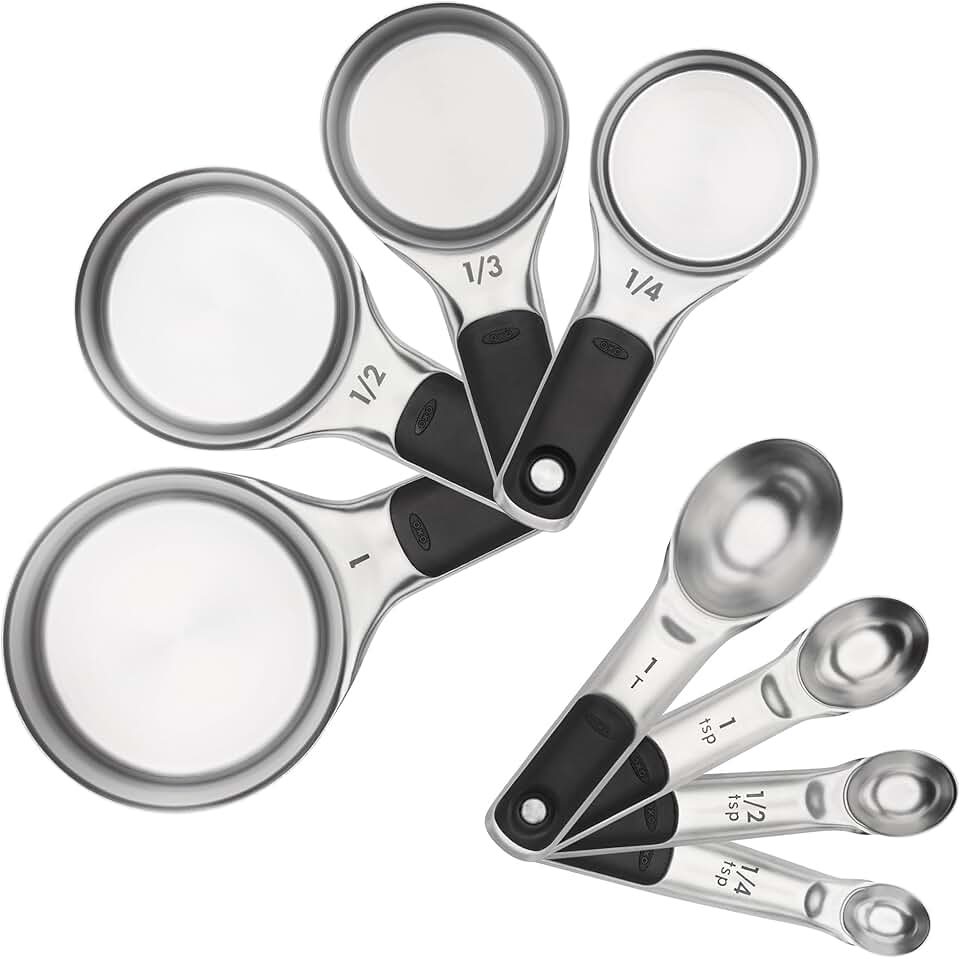
Durable stainless steel construction · Comfortable, non-slip grip · Includes 8 essential measuring cups and spoons
Achieve precise ingredient measurements for perfectly balanced matcha cookie flavor with this reliable set.

Durable aluminum construction for even heating · Galvanized steel rim prevents warping · Commercial quality for consistent baking results
Ensure your homemade matcha cookies bake evenly and achieve a perfect texture with this high-quality sheet pan.
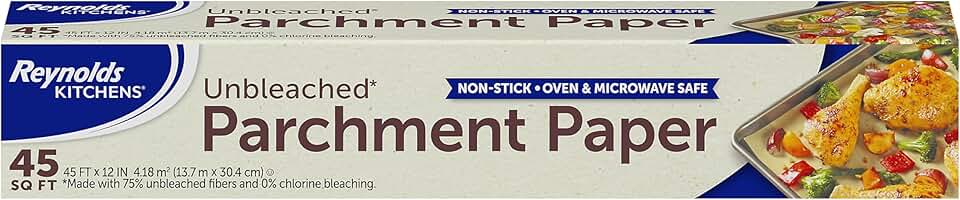
Non-stick surface for easy food release · Oven safe up to 425 degrees Fahrenheit · Chlorine-free and unbleached
Prevent sticking and ensure easy cleanup while baking your delicious matcha cookies with this reliable parchment paper.

Traditional bamboo whisk for matcha preparation · Hand-curled design for optimal frothing · Essential for authentic matcha flavor
Properly prepare your matcha powder for the smoothest, most authentic flavor in your homemade cookies with this traditional whisk.
As an Amazon Associate I earn from qualifying purchases. Prices may vary.
No comments yet. Be the first to share your thoughts!