

Matcha's growing popularity
Matcha is everywhere these days. From coffee shop menus to health food stores, this vibrant green powder seems to have taken over. But this isn’t a fleeting trend; it’s a resurgence. Matcha’s roots run deep in Japanese history, originating with Zen Buddhist monks who used it to enhance meditation practices centuries ago. The traditional Japanese tea ceremony, chanoyu, centers around the preparation and consumption of matcha, emphasizing harmony, respect, purity, and tranquility.
For a long time, matcha remained largely within the realm of this ceremony. Its recent explosion in popularity, particularly in the West, is tied to a growing interest in wellness and functional foods. People are actively seeking out ingredients with perceived health benefits, and matcha delivers on several fronts. The focus on antioxidants, adaptogens—substances believed to help the body resist stressors—and a more mindful approach to consumption all contribute to its appeal.
Matcha fits into current lifestyles by offering a sustained energy boost without the jitters often associated with coffee. It’s versatile, lending itself to everything from lattes and smoothies to baking and even savory dishes. Its brilliant green color is undeniably Instagrammable, which certainly doesn’t hurt its reach. But beyond the aesthetics, there's a genuine appreciation for its unique flavor and potential health properties.
The shift isn't simply about adding a new ingredient to our diets. It feels like a broader cultural movement toward valuing tradition, seeking natural remedies, and prioritizing well-being. Matcha, in this context, isn’t just a drink; it’s a symbol of a more conscious and balanced lifestyle. It's a return to a practice that, for centuries, has been intertwined with mindfulness and holistic health.
Understanding matcha grades
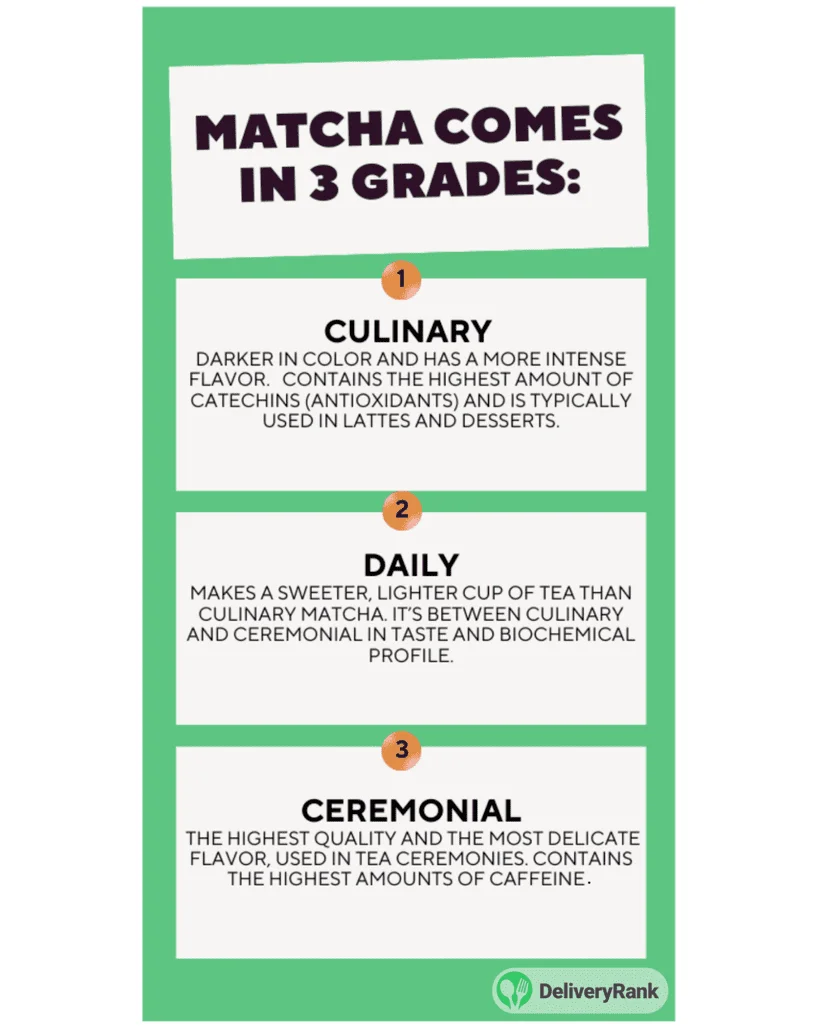
Navigating the world of matcha can be confusing. You’ll quickly encounter terms like “ceremonial grade” and “culinary grade,” and the price differences can be significant. Understanding what these grades mean is essential for making informed choices. Ceremonial grade matcha is considered the highest quality, intended for use in traditional tea ceremonies. It’s made from the youngest tea leaves—the first flush—harvested in the spring.
These leaves are shaded for approximately 20-30 days before harvest, which increases chlorophyll production, resulting in that vibrant green color and boosting amino acid content. This shading process is key to the flavor profile, contributing to a natural sweetness and umami. The leaves are then stone-ground, a slow and meticulous process that preserves the delicate flavor and texture. Because of the care involved, ceremonial grade matcha is typically more expensive.
Culinary grade matcha, on the other hand, is made from more mature leaves, often from later harvests. It may also be stone-ground, but the process isn't always as refined. It’s designed for use in cooking and baking, where its stronger flavor and slightly more bitter notes can stand up to other ingredients. It’s perfectly acceptable to use culinary grade matcha in lattes, especially if you're adding other flavors like vanilla or sweeteners. It's also commonly used in smoothies.
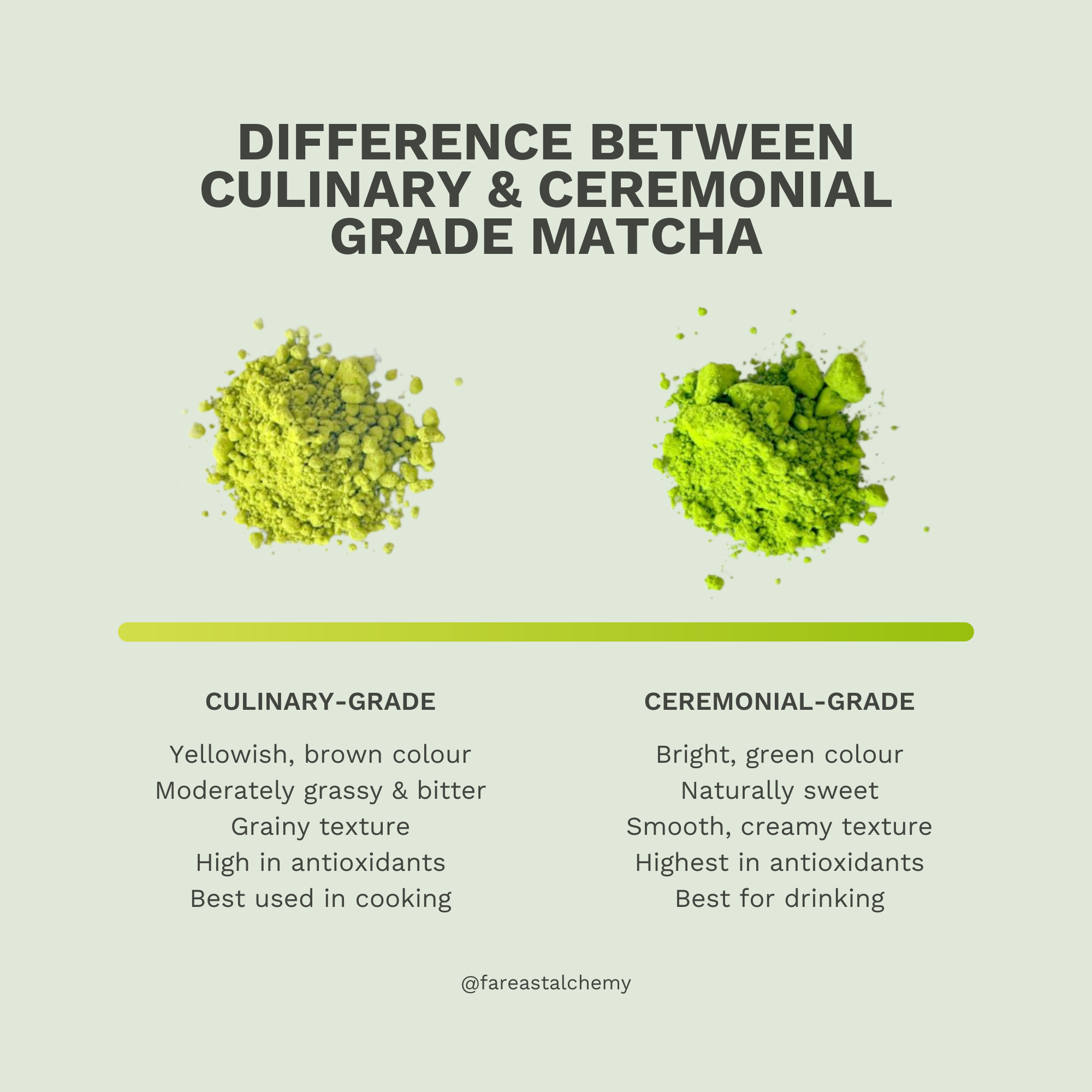
Determining quality can be tricky. Look for a bright green color, which indicates freshness and high chlorophyll content. The texture should be very fine and smooth. Avoid matcha that appears yellowish or brownish, as this suggests oxidation and lower quality. The origin of the matcha also matters; Uji and Nishio in Japan are particularly well-regarded growing regions. While organic certifications are helpful, they aren't always a guarantee of superior quality. Ultimately, tasting is the best way to assess matcha.
- Ceremonial Grade: Best for traditional tea ceremonies, vibrant green color, sweet and umami flavor, made from the youngest leaves.
- Culinary Grade: Ideal for cooking and baking, bolder flavor, slightly bitter, made from more mature leaves.
Ceremonial Grade vs. Culinary Grade Matcha
| Characteristic | Ceremonial Grade | Culinary Grade |
|---|---|---|
| Color | Vibrant green, often with a slight bluish undertone | Yellowish-green, sometimes duller in appearance |
| Texture | Very fine and smooth, almost silky to the touch | Slightly coarser texture |
| Taste | Sweet, vegetal, and umami-rich with minimal bitterness. Delicate flavor profile. | More robust and slightly bitter flavor. Can have a grassier taste. |
| Price (per 28g/1oz) | Generally higher price point, reflecting quality and processing | More affordable price point |
| Best Uses | Traditional matcha tea ceremonies, enjoying as a simple hot tea, or in lattes where the matcha flavor is central. | Baking, smoothies, lattes where other flavors are prominent, and recipes requiring a stronger matcha presence. |
| Leaf Source | Typically made from young tea leaves, harvested during the first flush. | Often made from more mature tea leaves. |
| Processing | Stems and veins are removed before stone-grinding, resulting in a smoother texture and sweeter taste. | May include stems and veins, contributing to a more robust flavor. |
Illustrative comparison based on the article research brief. Verify current pricing, limits, and product details in the official docs before relying on it.
Matcha's health benefits
Matcha is often touted as a superfood, and it is packed with nutrients. One of the most significant benefits is its high concentration of antioxidants, particularly epigallocatechin gallate (EGCG). According to a 2016 study published in the Journal of Chromatography A, matcha contains significantly higher levels of EGCG than most other green teas. EGCG has been linked to various health benefits, including reducing inflammation and protecting against chronic diseases.
Beyond antioxidants, matcha may also offer cognitive benefits. The combination of L-theanine, an amino acid that promotes relaxation without drowsiness, and caffeine provides a sustained energy boost and improved focus. A study in the Journal of Functional Foods (2017) found that participants who consumed matcha experienced increased attention and improved memory compared to those who consumed caffeine alone. It’s a much smoother experience than a typical coffee jolt.
There's also some evidence suggesting that matcha may support metabolism and aid in weight management. While more research is needed, some studies indicate that EGCG can boost metabolism and increase fat oxidation. However, matcha isn’t a magic bullet for weight loss; it should be part of a healthy diet and exercise routine. The long-term effects of high matcha consumption are not yet fully understood, so moderation is key.
Approach health claims with a critical eye. While matcha offers promising benefits, many studies are still in their early stages. Individual responses can vary. Matcha is not a substitute for medical treatment, and it’s always best to consult with a healthcare professional before making significant changes to your diet.
- Antioxidants (EGCG): May reduce inflammation and protect against chronic diseases.
- Cognitive Benefits: Improved attention, memory, and focus due to L-theanine and caffeine.
- Potential Metabolic Support: May boost metabolism and increase fat oxidation (more research needed).
Making a matcha latte
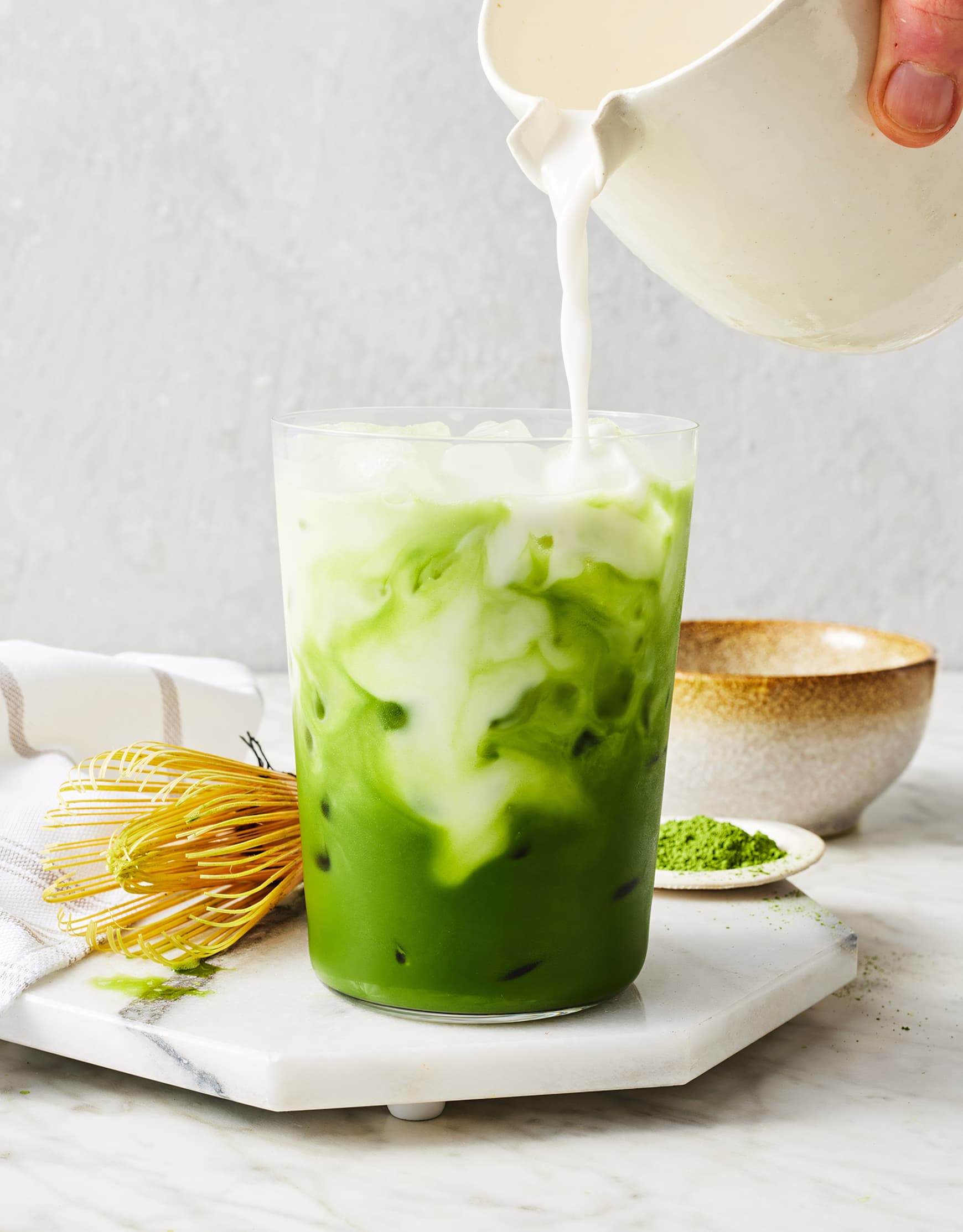
Making a matcha latte starts with sifting about 1-2 teaspoons of matcha powder through a fine-mesh sieve. This is essential to prevent clumps. Add a small amount of hot (not boiling) water – around 2 ounces – and whisk vigorously using a chasen (bamboo whisk) in a "W’ or ‘M" shape until a frothy layer forms. This takes practice, but it's rewarding.
Next, steam or froth about 8-10 ounces of your milk of choice. Dairy milk creates a classic, creamy latte, while almond or oat milk offer plant-based alternatives. Pour the frothed milk over the matcha paste, and sweeten to taste with honey, maple syrup, or your preferred sweetener. I often prefer a touch of vanilla extract for added flavor. The ratios can be adjusted to your liking – experiment to find your perfect balance.
For an iced matcha latte, prepare the matcha paste as above, but use less water (around 1 ounce). Pour over ice, add cold milk, and stir well. You can also blend the ingredients for a smoother, more homogenous texture. One common issue is bitterness. Using high-quality matcha and avoiding boiling water can help minimize this. If your latte is still too bitter, try adding a pinch of salt.
To troubleshoot, sift the matcha thoroughly to prevent clumping. Bitterness can be mitigated with a touch of sweetness and lower water temperature. A lack of froth can be addressed by ensuring your milk is properly steamed or frothed and using a vigorous whisking technique. Experiment with different milk types and sweeteners to create a latte that suits your palate.
- Sift 1-2 tsp matcha powder.
- Whisk with 2 oz hot water until frothy.
- Steam/froth 8-10 oz milk.
- Combine and sweeten to taste.
Matcha in the kitchen
Matcha isn't limited to beverages. Its unique flavor profile makes it a surprisingly versatile ingredient in the kitchen. Matcha cookies are a popular starting point, offering a delicate green tea flavor and a subtle sweetness. You can easily incorporate matcha into your favorite cookie recipe by adding 1-2 tablespoons of matcha powder to the dry ingredients. Matcha also works wonders in cakes and muffins.
Smoothies are another excellent way to enjoy matcha. Add a teaspoon or two to your favorite smoothie blend for a boost of antioxidants and a vibrant green hue. Matcha can even be used in savory dishes, such as matcha-infused pasta or sauces. The flavor pairs well with seafood and vegetables. I’ve even seen recipes for matcha guacamole!
Consider how heat affects matcha's flavor. Heating matcha can diminish some of its delicate aroma and sweetness, resulting in a more pronounced bitterness. For baking, it’s often best to add the matcha powder to ingredients that won’t be heavily heated. Experimenting with different applications is part of the fun.
Matcha lends itself well to white chocolate. The slight bitterness of the matcha balances the sweetness of the white chocolate beautifully. This combination is highly recommended for matcha white chocolate cookies or a matcha white chocolate cheesecake.
- Matcha Cookies: Add 1-2 tbsp matcha to your favorite recipe.
- Matcha Smoothies: Blend with fruits and vegetables.
- Matcha Cakes & Muffins: Incorporate into batter for a green tea flavor.
- Savory Dishes: Experiment with matcha-infused sauces or pasta.
Unexpected Matcha Uses
- Matcha Hummus - A vibrant green twist on a classic dip, incorporating matcha for a subtle earthy flavor and antioxidant boost. Pairs well with vegetables and pita bread.
- Matcha Compound Butter - Blend matcha powder into softened butter for a unique spread for toast, pancakes, or to finish steamed vegetables. The butter retains a beautiful pale green hue.
- Matcha Salad Dressing - Whisk matcha into a vinaigrette for a light and refreshing salad dressing. It complements Asian-inspired salads particularly well.
- Matcha Shortbread Cookies - Infuse classic shortbread with the delicate flavor of matcha. The result is a crumbly, subtly sweet cookie with a striking green color.
- Matcha Guacamole - A surprising but delicious addition to guacamole, matcha adds a subtle vegetal note and a vibrant color. It balances the richness of the avocado.
- Matcha Popcorn - Toss freshly popped popcorn with melted butter and matcha powder for a unique and flavorful snack. A light dusting is key to avoid overpowering the popcorn.
- Matcha Mousse - Incorporate matcha into a classic chocolate or white chocolate mousse for a sophisticated dessert with a beautiful color and nuanced flavor.
Sourcing & Storage: Where to Buy, How to Keep It Fresh
Finding high-quality matcha requires a bit of research. Online retailers like Naoki Matcha offer a wide selection, as do specialty tea shops. When purchasing, look for matcha that is vibrant green in color and comes in an airtight container. The packaging should clearly state the origin of the matcha and the grade (ceremonial or culinary). Don’t be swayed by overly aggressive marketing; focus on the quality indicators.
Cost is often a reflection of quality, but it’s not the only factor. Be wary of extremely cheap matcha, as it may be of lower grade or contain additives. It's often better to spend a little more for a reputable brand. Check the harvest date – fresher matcha will have a more vibrant flavor and color. Buying smaller quantities more frequently ensures freshness.
Proper storage is crucial for maintaining matcha’s quality. Matcha is sensitive to light, air, and moisture, which can cause it to oxidize and lose its flavor. Store matcha in an airtight container in a cool, dark, and dry place. Avoid storing it in the refrigerator, as condensation can develop and affect the powder. Keeping it in the freezer can extend its shelf life, but ensure the container is completely airtight.
Matcha degrades over time, even when stored properly. It’s best to use matcha within a few months of opening the container. If you notice a significant change in color or flavor, it’s time to replace it. Investing in quality matcha and storing it correctly will ensure you enjoy the best possible flavor and benefits.
- Airtight Container: Essential for preventing oxidation.
- Cool, Dark, Dry Place: Protects from light, air, and moisture.
- Avoid Refrigeration: Condensation can damage the matcha.
- Use Within a Few Months: Matcha degrades over time.
Matcha Tools: What You Really Need
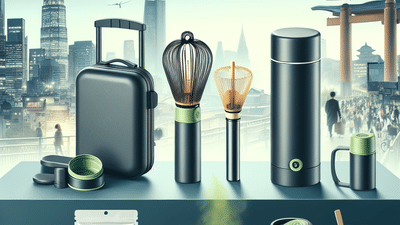
While the traditional matcha ceremony involves a specific set of tools, you don’t need to invest in everything right away. The essential tools are a chawan (tea bowl), a chasen (bamboo whisk), and a chashaku (tea scoop). The chawan provides a comfortable vessel for whisking and drinking matcha. The chasen is crucial for creating a frothy texture, and the chashaku helps measure the correct amount of matcha.
You can find affordable starter sets online or at specialty tea shops. If you’re just starting out, a simple bowl and whisk are sufficient. A small spoon can be used in place of a chashaku, although it won’t be as precise. As you become more comfortable with matcha preparation, you may want to invest in a higher-quality chasen and chashaku.
There are alternatives to the traditional tools. A small electric milk frother can be used to whisk matcha, although it won’t produce the same delicate froth as a chasen. A regular spoon can be used for measuring, but it’s less accurate. The most important thing is to have a way to sift the matcha to prevent clumps. A fine-mesh sieve is essential, regardless of your other tools.
I believe investing in a good chasen is the most worthwhile initial investment. A well-maintained chasen will last a long time and significantly improve the quality of your matcha. The other tools can be upgraded later as your interest and skill grow. Don't feel pressured to buy everything at once – start with the basics and build from there.
- Chawan (Tea Bowl): For whisking and drinking.
- Chasen (Bamboo Whisk): Creates frothy texture.
- Chashaku (Tea Scoop): Measures matcha powder.
- Fine-Mesh Sieve: Prevents clumps.
What is your biggest challenge when making matcha at home?
Whether you are a matcha beginner or a seasoned enthusiast, we all face hurdles in perfecting our homemade matcha drinks. We want to hear from you so we can create content that helps you overcome these obstacles. Vote below and let us know where you need the most guidance!
No comments yet. Be the first to share your thoughts!