

The color tells the story
Most people know matcha from lattes, but the powder has a history in Japanese tea ceremonies that goes back centuries. When you're buying it, ignore the health claims and look at the color. That bright green isn't just for show; it tells you exactly how the leaves were handled and how the tea will taste.
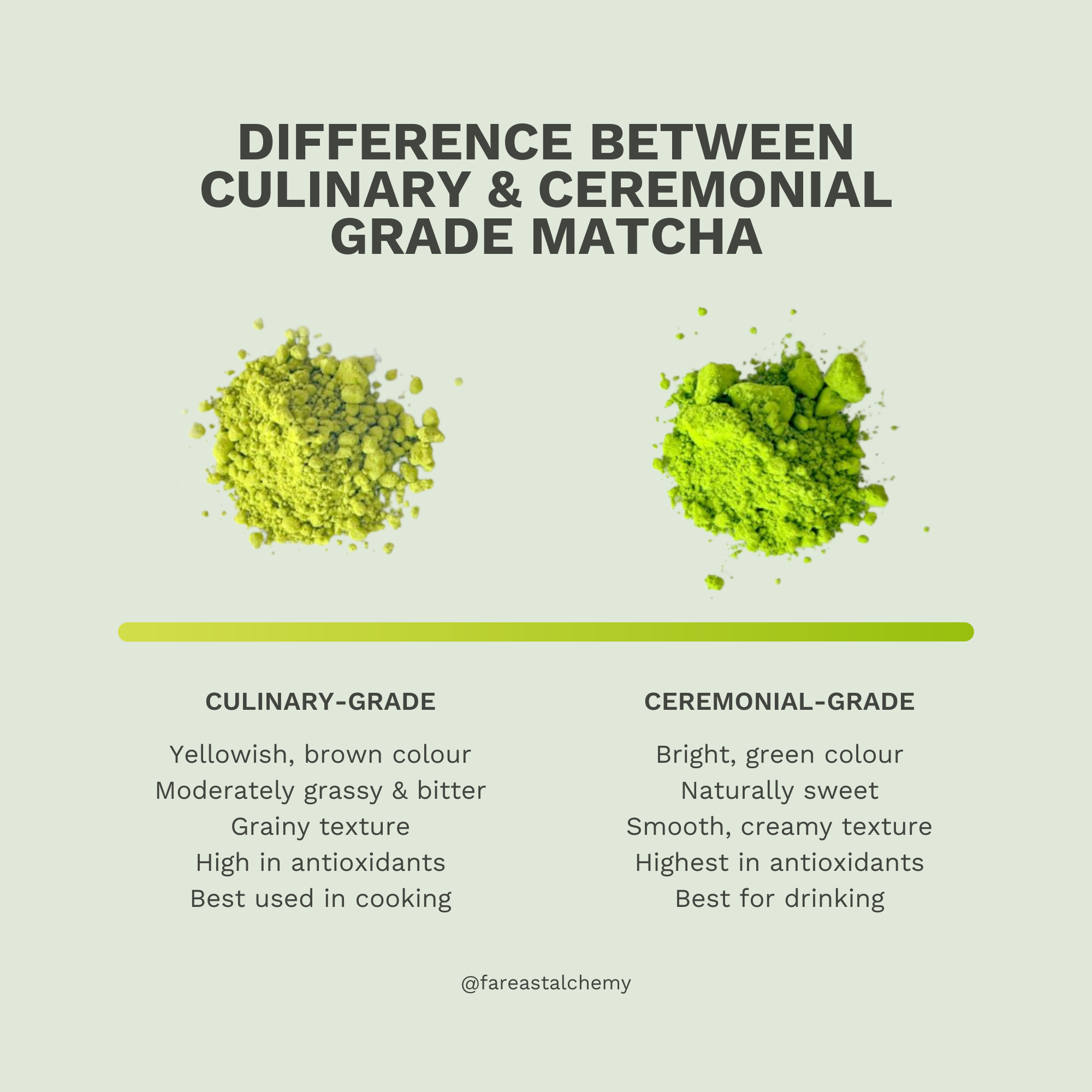
A brighter, more vivid green generally signals a higher quality matcha. This color comes from chlorophyll, preserved during the growing and processing stages. Lower quality matcha tends to be a duller green, sometimes even yellowish, because more of the chlorophyll has been lost. This loss happens through oxidation and harsher processing methods. Think of it like fresh spinach versus spinach that’s been sitting in the fridge for a week – the difference is noticeable, and the same principle applies to matcha.
The color difference isn't merely cosmetic. It’s linked to the amino acids, particularly L-theanine, which contribute to matcha’s unique umami flavor and calming effect. Shade-growing the tea plants boosts chlorophyll and amino acid production, leading to that sought-after vibrant color. Therefore, choosing matcha based on color is a surprisingly effective way to ensure you’re getting a product that’s been handled with care and will deliver a satisfying experience. It’s a simple visual cue that separates the exceptional from the ordinary.
Understanding this color spectrum sets the stage for the central debate: ceremonial versus culinary matcha. Both come from the same plant – Camellia sinensis – but their production and intended uses differ significantly. We’ll explore those differences in detail, but keep in mind this initial point: color is your first and most reliable indicator of what you’re getting.
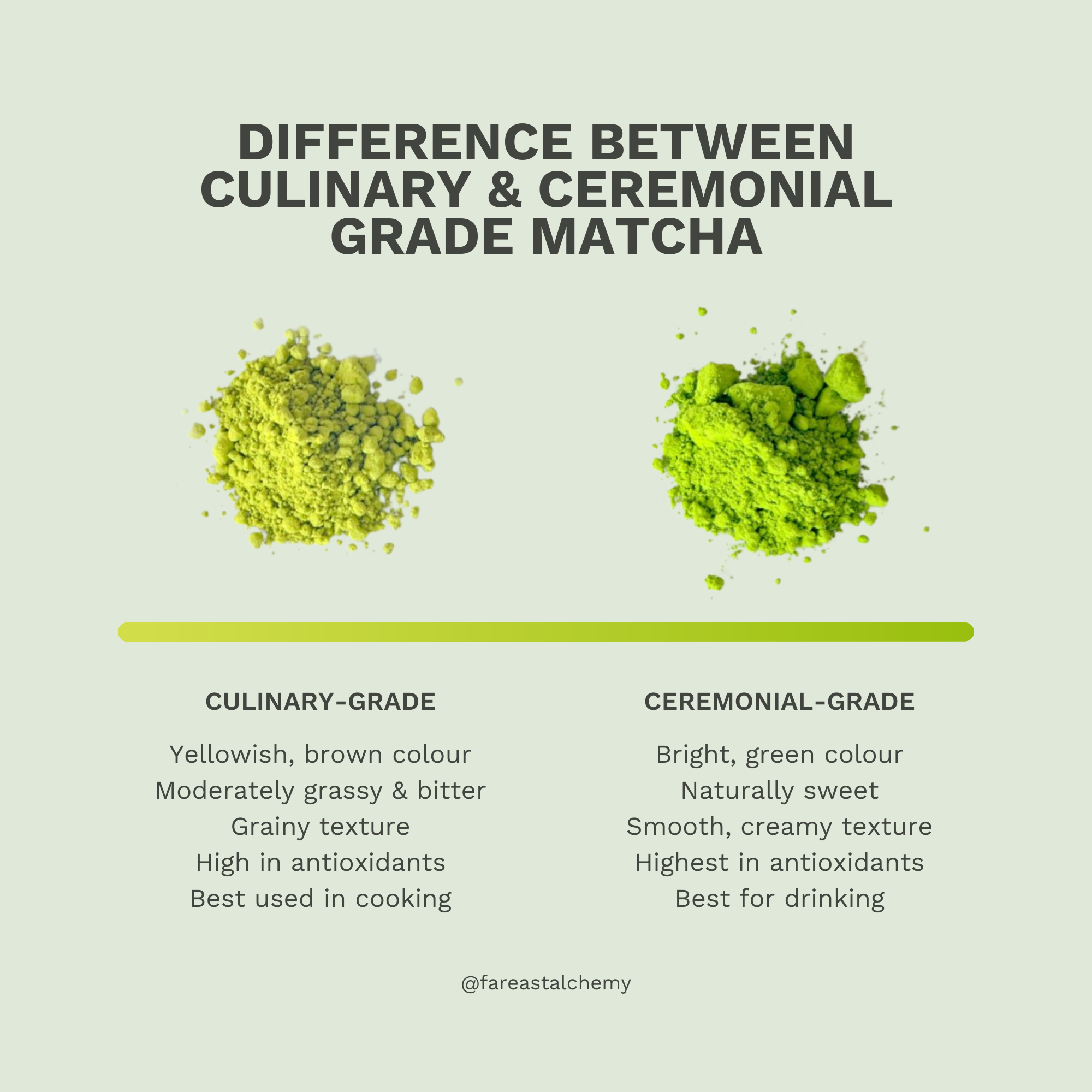
Ceremonial grade for drinking straight
Ceremonial matcha is the top grade. Farmers shade the plants for about three weeks before harvest, which forces the leaves to produce more chlorophyll and L-theanine. After picking, the leaves are steamed to stop them from turning brown, then dried.
What truly sets ceremonial matcha apart is the stone-grinding process. Unlike mass-produced matcha, which is often ground using metal blades, ceremonial matcha is ground slowly and meticulously using granite stone mills. This method minimizes heat and friction, preserving the delicate flavor and aroma of the tea. It's a painstaking process, yielding a very small amount of matcha per batch which naturally increases the price.
The most prized cultivars for ceremonial matcha include Yabukita, known for its balanced flavor profile, and Okumidori, which offers a richer, more complex taste. While specific amino acid profiles for each cultivar aren’t widely published, growers often select cultivars based on their ability to retain L-theanine during processing. The goal is consistently high levels of this amino acid, which contributes to the characteristic umami flavor and calming effect.
Traditionally, ceremonial matcha is prepared using a specific method. Usucha, or thin tea, uses approximately 1.5 to 2 grams of matcha per 70-80ml of hot water (around 80°C or 176°F). Koicha, or thick tea, uses a much higher ratio – around 3 to 4 grams per 30-40ml of water. Koicha is prepared with a slower, more deliberate whisking motion, resulting in a thick, almost paste-like consistency. The experience is meant to be a moment of mindfulness, a focused appreciation of the tea’s subtle nuances.
The entire process, from cultivation to preparation, is designed to create a tea that’s more than just a beverage. It’s an experience centered around harmony, respect, purity, and tranquility – the core principles of the Japanese tea ceremony. The flavor is intended to be subtly sweet, vegetal, and intensely umami, with a smooth, lingering finish.
Culinary grade for baking and mixing
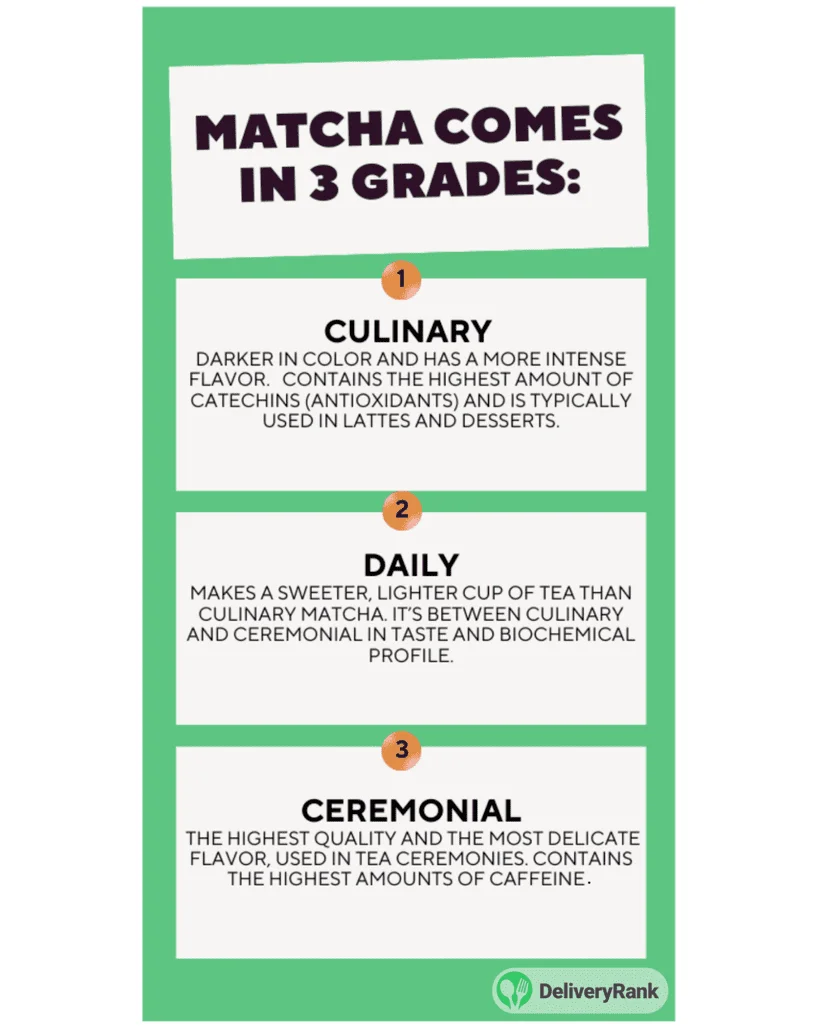
Culinary matcha, as the name suggests, is designed for use in cooking and baking. It’s often made from the same tea leaves as ceremonial matcha, but the processing differs. Typically, the leaves are de-veined and ground into a finer, more consistent powder using faster, often metal-blade grinding methods. This process generates more heat, which can slightly diminish the color and flavor complexity.
Because of the processing, culinary matcha generally has a more pronounced astringency and a less delicate flavor profile than ceremonial matcha. It’s still matcha, and it still offers health benefits, but the emphasis is on its ability to impart a strong matcha flavor rather than a nuanced sensory experience. It's perfectly suited for applications where the matcha flavor needs to stand out, like in lattes, smoothies, or baked goods.
Don’t mistake "culinary’ for ‘low quality.’ It simply means ‘different purpose.’ Culinary matcha is designed to hold up to heat and other ingredients without losing its color or flavor. It"s a workhorse ingredient, capable of adding a vibrant green hue and a distinctive taste to a wide range of dishes. It's a great option if you're looking for a cost-effective way to incorporate matcha into your everyday routine.
The larger particle size of culinary matcha also contributes to its versatility. It blends more easily into batters and doughs, and it’s less likely to clump when added to liquids. This makes it ideal for baking matcha cookies, cakes, or even adding a subtle green tea flavor to bread.
Lattes & Beyond: Practical Applications
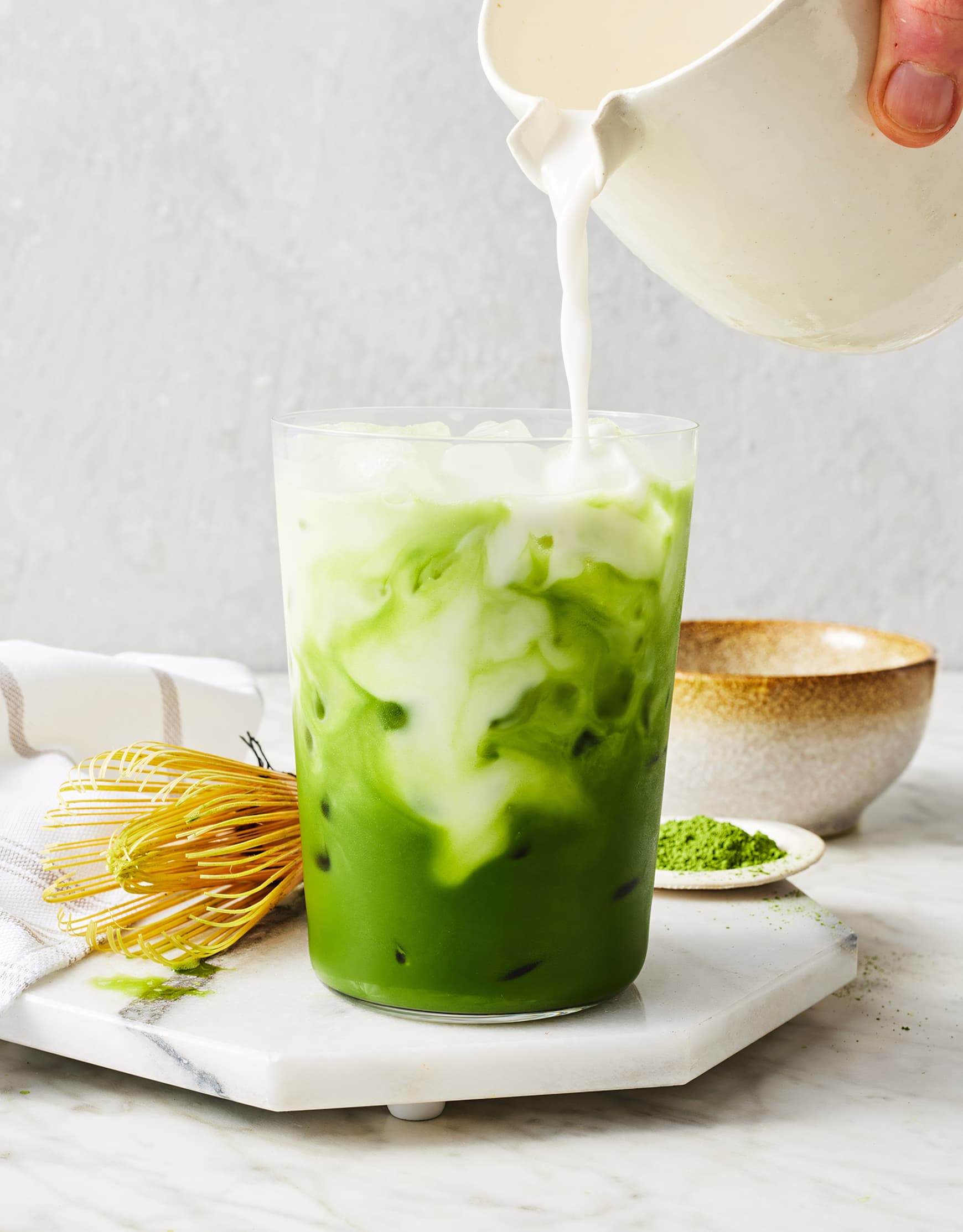
For lattes, I prefer ceremonial matcha if I want a smooth drink where the tea isn't fighting the milk. It stays creamy and sweet. If you want a recipe to start with, Love and Lemons has a solid guide on their site.
Culinary matcha, however, will deliver a bolder, more pronounced matcha flavor. It’s a good choice if you want a latte that really tastes like matcha, even with the addition of milk and sweetener. Be careful not to over-whisk culinary matcha in a latte, as this can exacerbate the bitterness. A gentle whisking is sufficient to create a smooth, even consistency.
Beyond lattes, culinary matcha shines in other applications. It’s excellent for baking – adding a vibrant green color and a subtle tea flavor to cookies, cakes, and muffins. It can also be blended into smoothies for a nutritional boost and a unique flavor twist. Try adding it to ice cream for a refreshing matcha-flavored treat.
The versatility of culinary matcha extends to savory dishes as well. You can use it to create matcha-infused sauces, marinades, or even to season vegetables. Experiment and have fun – the possibilities are endless. Just remember that culinary matcha is designed to be a flavor component, not the star of the show.
Ceremonial vs. Culinary Matcha: Flavor Profile Comparison
Data: AI-generated estimate for illustration
Top Matcha Brands: 2026 Roundup
The matcha market is growing rapidly, making it challenging to navigate. Here's a curated selection of brands, categorized by their primary focus – ceremonial or culinary – as of late 2026. Price points are approximate and may vary.
Ceremonial Grade:
Naoki Matcha (naokimatcha.com): A popular choice known for its commitment to quality and sustainable sourcing. They offer a range of ceremonial grade matcha, with prices starting around $35 for 30g. They emphasize the 'Matcha Masters Collection' as their highest quality offering.
Ippodo Tea Co.: A long-established Japanese tea company with a reputation for excellence. Their ceremonial matcha is highly regarded by tea connoisseurs, but comes with a premium price tag – around $50 for 30g.
Hibiki-an : Specializing in Uji matcha, Hibiki-an offers a variety of ceremonial grades, known for their complex flavor profiles. Expect to pay around $40 for 30g.
Culinary Grade:
Jade Leaf Matcha: A widely available and affordable option, perfect for everyday use. Their culinary grade matcha is around $20 for 28g. It’s a good starting point for those new to matcha.
Aiya Matcha: Another popular brand offering a range of matcha products, including a well-regarded culinary grade. Prices start around $25 for 30g. They provide options for bulk purchases.
Rishi Tea: Known for their organic and ethically sourced teas, Rishi offers a culinary grade matcha that's a step up in quality from some of the more budget-friendly options. Expect to pay around $30 for 30g.
Troubleshooting Common Matcha Problems
Even with high-quality matcha, you might encounter a few common issues. Clumping is often caused by moisture. Ensure your matcha is stored in an airtight container in a cool, dark place. If it does clump, gently break it up with a spoon or whisk.
Bitterness is usually a result of over-whisking, using too much matcha, or using water that’s too hot. Experiment with reducing the amount of matcha and lowering the water temperature. Also, avoid vigorous whisking with culinary matcha. A gentle, circular motion is sufficient.
A dull color can indicate low-quality matcha or improper storage. If your matcha is yellowish or brownish, it’s likely been exposed to air and light for too long. Invest in a good-quality matcha and store it properly to preserve its vibrant green color.
Beware of fake matcha! Some products are diluted with spinach powder or other additives. Look for brands with transparent sourcing information and a vibrant green color. If the price seems too good to be true, it probably is. To properly clean your chawan and chasen, avoid soap. Rinse thoroughly with warm water and allow to air dry. Referencing guides like the one on YouTube (if accessible) can be helpful for proper chasen care.
Featured Products

Ceremonial Grade · First Harvest · USDA Organic
This ceremonial grade matcha is ideal for those seeking an authentic, high-quality base for traditional matcha preparation or a premium latte.

Culinary Grade · 2 Pounds · USDA Organic
A cost-effective, large-quantity option for culinary grade matcha, perfect for frequent latte drinkers and baking enthusiasts.

Complete 5-Piece Set · Ceramic Bowl Included · Handcrafted Bamboo Chasen
This comprehensive and affordable set provides all the essential tools for beginners to start preparing matcha.

Ceremonial Grade · USDA Organic · Smooth Taste, Low Bitterness
This ceremonial grade matcha offers a smooth, less bitter taste profile, making it a great choice for those new to ceremonial matcha or who prefer a milder flavor.

Premium Bamboo Chasen · 100 Prongs · Creates Lump-Free Froth
This high-quality whisk is specifically designed to create the ideal froth for matcha lattes, enhancing both texture and presentation.
As an Amazon Associate I earn from qualifying purchases. Prices may vary.
No comments yet. Be the first to share your thoughts!