

The latte reality
Matcha lattes are everywhere now. What started as an Instagram trend has become a morning staple for people looking for a caffeine kick without the coffee jitters. But there is a lot of confusion about whether you actually need to spend $40 on a tiny tin of ceremonial powder just to make a decent drink at home.
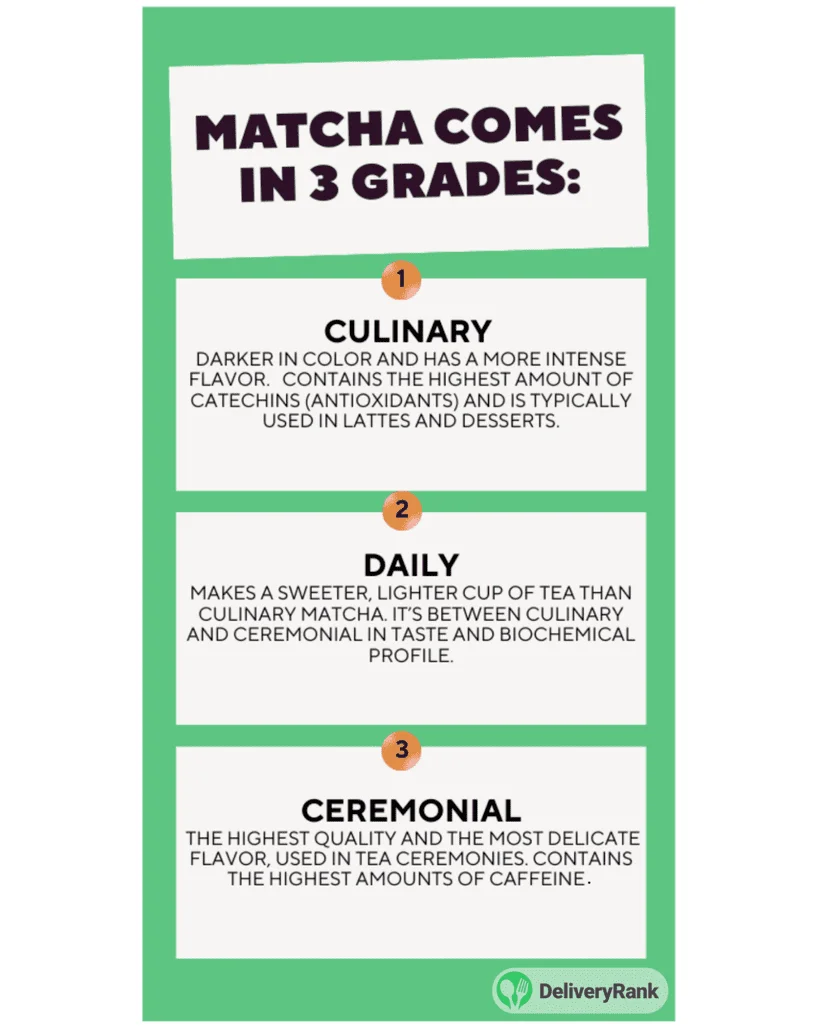
You’ll quickly encounter two main classifications: ceremonial and culinary matcha. Marketing loves to play up the mystique around 'ceremonial grade' – associating it with ancient traditions and superior quality. The truth, as often happens, is more nuanced. A lot of the difference comes down to intended use, and what you’re willing to spend.
I don't think ceremonial grade is always the answer. When you're pouring in eight ounces of oat milk and a squeeze of syrup, those delicate tea notes often disappear. I tested both to see where the value actually lies.
There’s a lot of hype, and a lot of price gouging. Don’t automatically assume the most expensive option is best for you. This guide will help you navigate the world of matcha and make an informed decision.
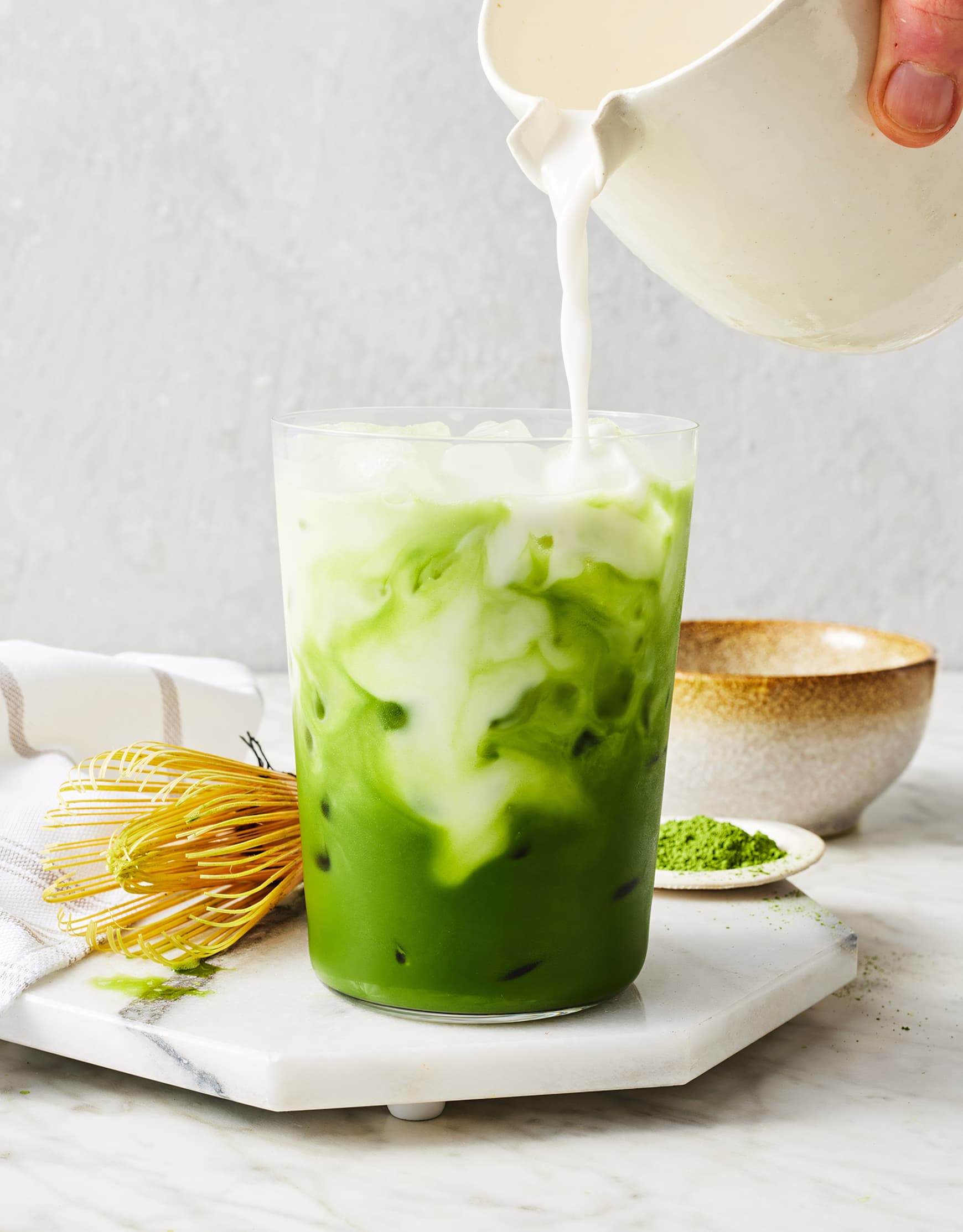
Ceremonial grade and tradition
Ceremonial grade matcha is steeped in history. It’s the matcha traditionally used in Japanese tea ceremonies – chanoyu – a practice that emphasizes harmony, respect, purity, and tranquility. The entire process, from cultivation to preparation, is carefully considered. It’s a ritual as much as a beverage.
Farmers shade the tea plants for about three weeks before harvest. This process forces the leaves to produce more chlorophyll and L-theanine, which is why the powder looks so bright green and tastes less bitter. They only use the youngest leaves from the first spring harvest for this grade.
After harvesting, the leaves are steamed, dried, and de-veined and de-stemmed. Then comes the crucial part: stone-grounding. Traditionally, this is done using granite stone mills, a slow process that minimizes heat and oxidation, preserving the delicate flavor and vibrant color. This slow grinding creates an incredibly fine texture – almost silky – which is essential for whisking into a smooth, frothy tea.
The flavor profile of ceremonial matcha is complex. You should experience a natural sweetness, a savory umami flavor, and very little bitterness. It’s meant to be enjoyed on its own, allowing the nuances of the tea to shine. Because of its high quality and labor-intensive production, ceremonial matcha is generally the most expensive grade. It's truly designed for sipping, appreciating, and experiencing the tea in its purest form.
Culinary grade for daily use
Culinary grade matcha isn’t trying to be anything it’s not. It’s a workhorse ingredient, designed to be blended, baked, and mixed into all sorts of things. Don't let the name fool you, this doesn’t mean it’s “bad” matcha, just different. It’s simply made for a different purpose.
Unlike ceremonial matcha, culinary matcha is often harvested later in the season – second or third flush (nibancha or sanbancha). These leaves are still green tea, but they have a slightly less refined flavor profile. It can be stone-ground, but it’s also commonly milled using more efficient methods, which can generate more heat and potentially affect the flavor.
The flavor of culinary matcha tends to be more robust and slightly bitter, with a hint of grassy notes. This bitterness isn’t a flaw – it’s actually desirable when you’re adding it to other ingredients. The stronger flavor can hold its own against chocolate, vanilla, or fruit. It cuts through sweetness and adds a distinctive matcha flavor.
The price point is significantly lower than ceremonial matcha, making it a much more accessible option for everyday use. This is a major factor for many consumers. Let's be honest, cost often dictates choices.
The blind taste test
To settle the debate, we conducted a blind taste test. I enlisted a barista experienced with matcha preparation, and we prepared lattes using both a ceremonial grade matcha (Naoki Matcha, sourced directly from their website, around $35 for 30g) and a culinary grade matcha (Jade Leaf Organic Matcha, purchased from Amazon, around $15 for 28g).
The methodology was simple: the barista prepared two lattes, identical in every way except for the matcha grade. We used oat milk – a popular choice for matcha lattes – and a small amount of agave nectar for sweetness. The barista didn't know which latte contained which matcha, and neither did I during the initial tasting. We prepared multiple lattes to ensure consistency.
The initial impression was surprisingly similar. Both lattes had a pleasant green hue and a creamy texture. The ceremonial matcha latte had a slightly smoother mouthfeel, but the difference was subtle. The culinary matcha latte had a very slight edge of bitterness, but it wasn't unpleasant.
The biggest difference emerged after a few sips. The ceremonial matcha latte’s flavor was more delicate and nuanced, with a lingering sweetness. The culinary matcha latte’s flavor was bolder and more assertive. However, when blended with the oat milk and agave, the bitterness of the culinary matcha was largely masked. In fact, some tasters preferred the slightly bolder flavor of the culinary matcha latte, finding it more satisfying.
- The ceremonial latte was smooth and had a natural sweetness that lingered, but the flavor was very light.
- Culinary Latte: Bolder flavor, slight bitterness (masked by milk/sweetener). More assertive matcha presence.
Ceremonial vs. Culinary Matcha: Decision Matrix for Lattes
| Flavor (Umami) | Flavor (Bitterness) | Flavor (Sweetness) | Texture | Best Use Cases |
|---|---|---|---|---|
| High | Low | Moderate | Very Fine | Traditional tea ceremonies, sipping neat, high-quality lattes where matcha flavor is paramount |
| Moderate | Moderate to High | Low | Fine | Lattes, smoothies, baking, and recipes where the matcha flavor will be combined with other ingredients |
| N/A | N/A | N/A | N/A | Cost (Relative) |
| Higher | Lower | N/A | N/A | Generally more expensive due to harvesting and processing methods |
| Lower | Higher | N/A | N/A | Generally more affordable, making it a cost-effective option for daily use |
Illustrative comparison based on the article research brief. Verify current pricing, limits, and product details in the official docs before relying on it.
Cooking and baking with matcha
The differences between ceremonial and culinary matcha become more pronounced when you move beyond lattes. I experimented with both grades in smoothies, baked goods, and even as a seasoning.
In smoothies, the ceremonial matcha added a subtle vegetal sweetness, but it was easily overpowered by other flavors. The culinary matcha, however, provided a more noticeable matcha flavor, even when combined with fruits and vegetables.
Baking was where the culinary matcha truly shone. When added to cookies and cakes, its bolder flavor held up beautifully, providing a distinct matcha taste that didn't get lost in the mix. I tried adding ceremonial matcha to the same recipes, and the flavor was much more muted, almost undetectable. It felt like a waste of good tea.
For dusting or creating a matcha seasoning, culinary grade is the better choice. Its stronger flavor will provide a more impactful result. Ceremonial matcha is best reserved for applications where its delicate flavor can be fully appreciated.
What's next for matcha
By 2026, I expect we'll see more people asking for specific farm details. It isn't enough to just be 'green' anymore; people want to know the tea was grown without heavy pesticides and that the workers were paid fairly.
The price gap between ceremonial and culinary grades is likely to persist, but I wouldn’t be surprised to see more mid-tier options emerge – matcha that falls somewhere between the two extremes, offering a balance of quality and affordability. We might also see more 'single-origin' matcha, highlighting the unique terroir of different growing regions.
Transparency in grading will be key. Currently, the matcha industry lacks a standardized grading system, which allows for a lot of ambiguity and potential mislabeling. I expect to see more independent certification programs emerge to help consumers make informed choices.
The increasing demand for matcha could put a strain on supply chains, potentially leading to quality control issues. It will be crucial for producers to invest in sustainable farming practices and quality assurance measures to maintain the integrity of the product. I also suspect more innovation in matcha processing techniques.
Featured Products

Ceremonial Grade Matcha · First Harvest from Uji, Kyoto · 100g / 3.5oz tin
This premium ceremonial grade matcha from Uji, Kyoto, offers a smooth, rich flavor ideal for a traditional matcha latte.

Culinary Grade Matcha · Finely Milled Green Tea Leaves · 3.5 Ounce package
A well-balanced culinary grade matcha, this option provides a good value for everyday lattes and other mixed beverages.

USDA Organic Ceremonial Grade Matcha · First Harvest from Kagoshima · 100g / 3.5oz tin
This USDA Organic ceremonial grade matcha from Kagoshima delivers a vibrant flavor profile suitable for discerning matcha latte enthusiasts.
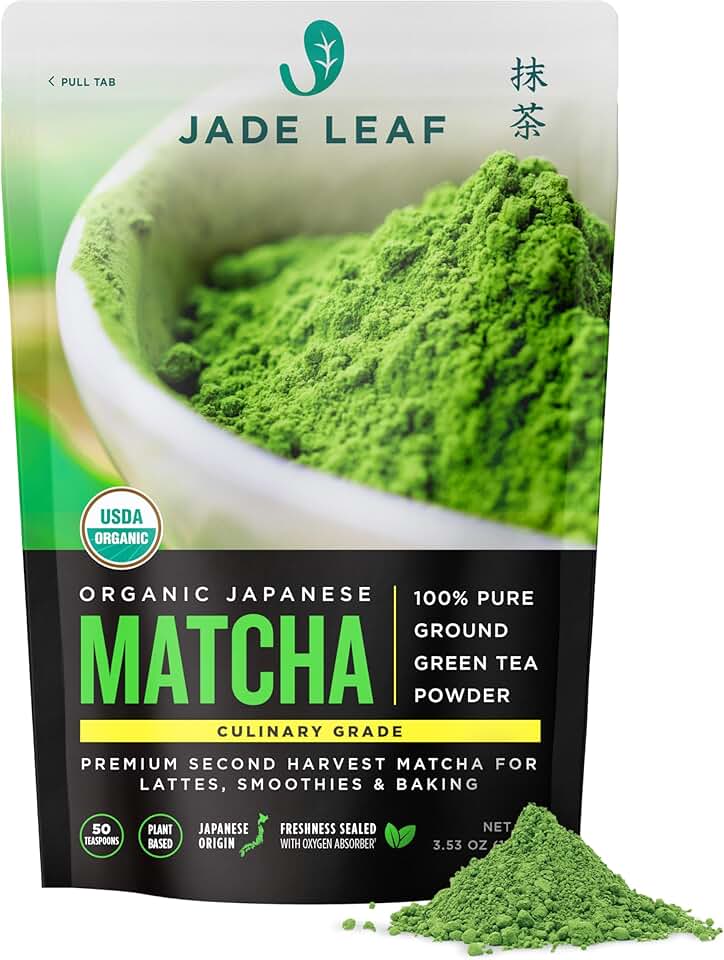
USDA Organic Culinary Grade Matcha · Versatile for lattes, smoothies, and baking · 100g / 3.53 Ounce package
An organic culinary option that performs admirably in lattes, offering a pleasant taste and good mixability for various uses.

Ceremonial Grade Matcha · First Harvest from Uji, Kyoto · 40g / 1.4oz tin
A smaller, more accessible size of the premium Uji, Kyoto ceremonial matcha, perfect for trying a high-quality latte at a lower entry price.
As an Amazon Associate I earn from qualifying purchases. Prices may vary.
How to spot the fakes
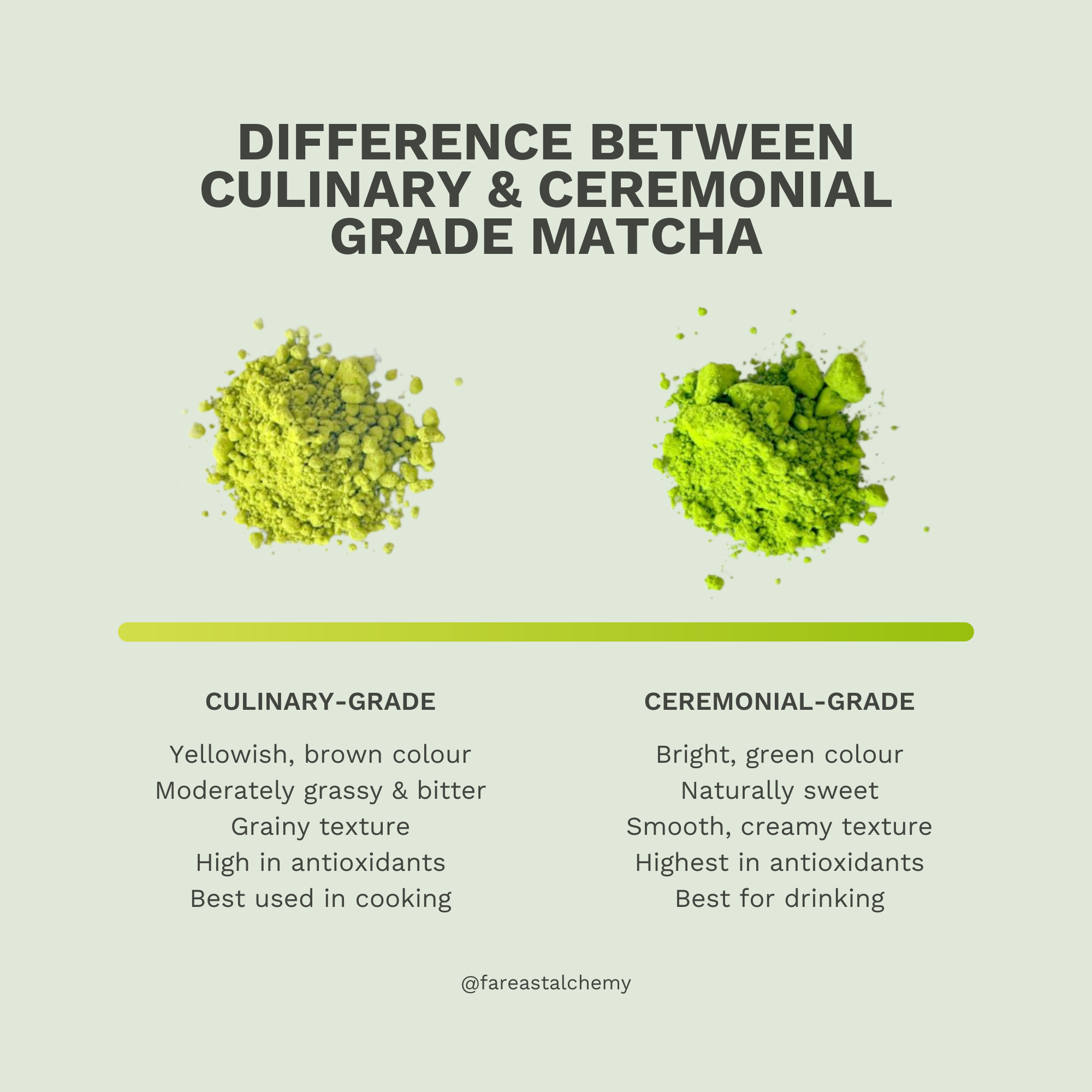
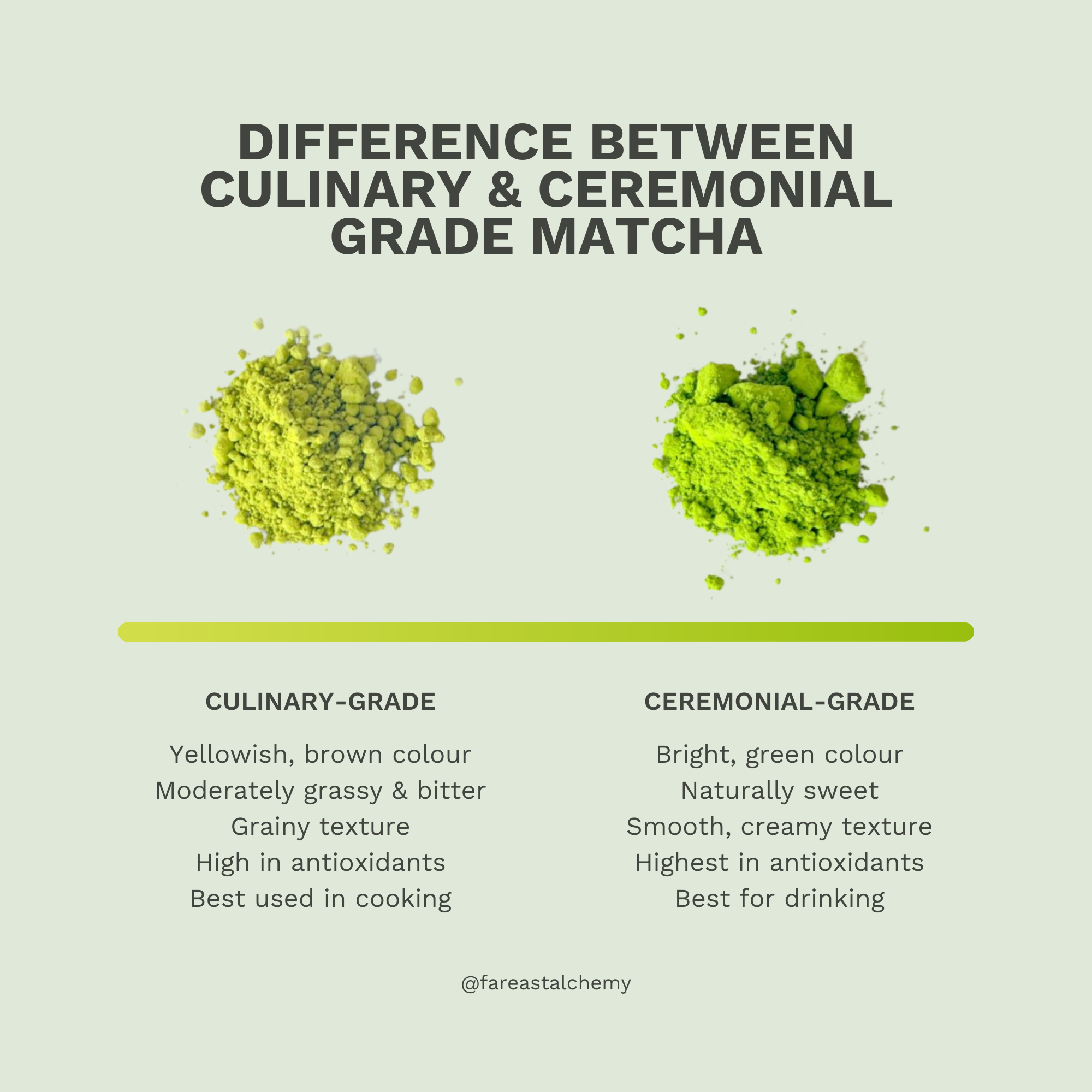
Unfortunately, the popularity of matcha has attracted its share of counterfeiters and low-quality producers. It’s essential to be a discerning consumer. First, pay attention to the color. Genuine matcha should be a vibrant, bright green. Dull, yellowish matcha is a red flag.
Smell is another important indicator. Good matcha should have a fresh, vegetal aroma. A musty or stale smell suggests the matcha is old or of poor quality. And, of course, price is a factor. If a deal seems too good to be true, it probably is. Extremely cheap matcha is unlikely to be authentic ceremonial grade.
Buy from reputable suppliers who can trace their matcha back to the source. Look for certifications like organic or JAS (Japanese Agricultural Standard). Websites like Naoki Matcha and Ippodo Tea Co. are good places to start. Be wary of purchasing matcha from unverified sellers on online marketplaces.
Resources like the Japan Matcha Association () provide valuable information about matcha production and quality control. Don't be afraid to do your research and ask questions.
- Avoid anything that looks dull or yellow; real matcha is a bright, almost neon green.
- Good Signs: Vibrant green color, fresh vegetal aroma, reputable supplier, organic/JAS certification.
No comments yet. Be the first to share your thoughts!