

Choosing the right matcha powder
The foundation of any great matcha latte starts with the powder itself. Using low-grade, culinary-matcha often results in a bitter, grassy, or metallic taste that milk cannot fully mask. To get the vibrant, sweet, and umami-rich flavor profile that defines a high-quality latte, you need ceremonial-grade matcha. This powder is made from the youngest tea leaves, stone-ground into a fine mist that dissolves easily without clumping.

When shopping, look for matcha sourced from Uji, Japan, or other reputable regions known for shade-grown tea. The shade-growing process boosts chlorophyll and amino acids, particularly L-theanine, which gives the tea its smooth texture and calming energy. Avoid powders that list "culinary grade" or "baking grade" if your goal is a refined drink experience. While culinary matcha works fine for lattes with heavy sweeteners or in baked goods, ceremonial grade is the only choice for a pure, balanced latte.
Sifting and whisking the matcha
The difference between a gritty, clumpy drink and a smooth Matcha Latte comes down to how you prepare the powder. Matcha is a fine stone-ground tea that loves to clump. If you dump it straight into liquid, those lumps will never fully dissolve, leaving a unpleasant texture in your cup. You have to break them up before they ever touch the water.
Start by sifting two teaspoons of matcha powder into a wide, shallow bowl. A fine-mesh sieve is the best tool for this. It catches the tiny clumps that form when the powder sits in its tin. This step takes only a few seconds but ensures your base is perfectly smooth.
Next, add about two ounces of hot water, ideally around 175°F (80°C). Water that is too hot will scorch the delicate leaves, turning the vibrant green tea bitter and dull. The small amount of water creates a concentrated paste, which is easier to whisk into a uniform consistency than trying to dissolve a large volume at once.
Now comes the whisking. Use a bamboo chasen whisk, holding it vertically with your wrist, not your whole arm. Move the whisk back and forth in a quick "W" or "M" motion. Do this for about fifteen to twenty seconds. You are not stirring in circles; you are agitating the water to incorporate air and break down any remaining powder. You know you are done when the surface is covered in a layer of fine, frothy bubbles.
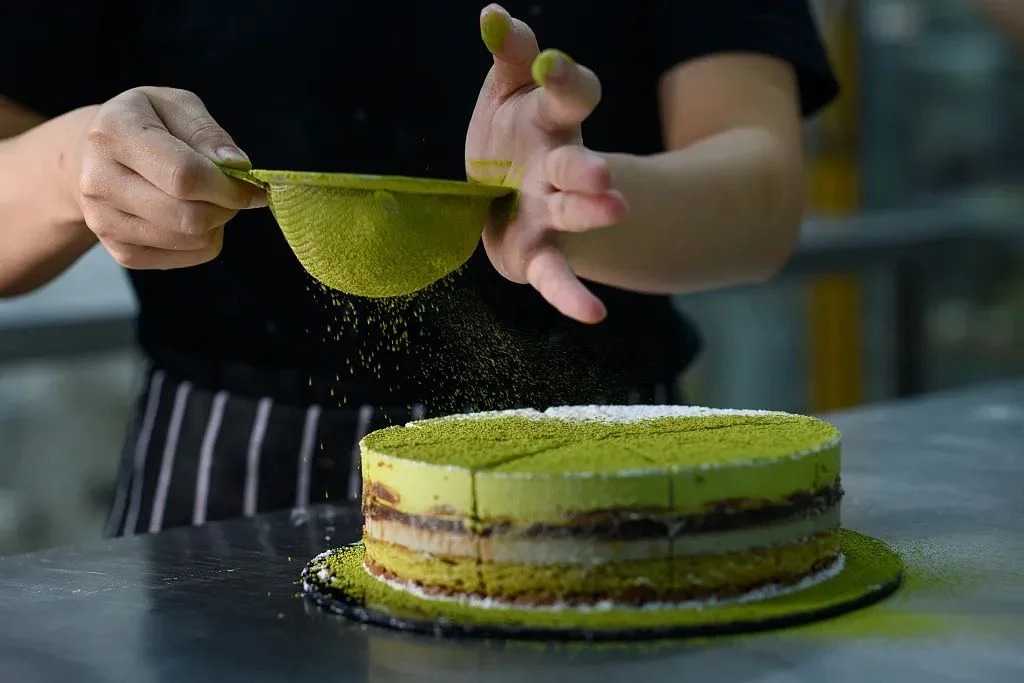
Place a fine-mesh sieve over a wide bowl. Scoop two teaspoons of matcha into the sieve and gently tap the side to let the fine powder fall through, leaving any clumps behind.
Pour two ounces of hot water (175°F) over the sifted powder. The water should be hot enough to dissolve the tea but not boiling, which would burn the leaves and create bitterness.
Using a bamboo chasen whisk, move the tines back and forth in a rapid "W" motion. Keep the whisk vertical and focus on your wrist. Whisk for 15-20 seconds until the surface is covered in fine foam.
Frothing and choosing your milk
The milk you select acts as the canvas for your matcha latte. Because matcha has a distinct, grassy umami flavor, the wrong dairy or plant-based alternative can clash with the tea rather than complement it. The goal is to find a balance where the milk softens the bitterness while allowing the matcha’s natural sweetness to shine through.
Oat milk is widely considered the best option for matcha lattes. Its naturally creamy texture and neutral, slightly sweet flavor profile blend seamlessly with the tea, creating a rich mouthfeel without overpowering the delicate notes of the matcha. Almond milk offers a lighter, nuttier alternative that works well if you prefer a less heavy drink, though it may separate if the milk is too hot. Coconut milk adds a tropical richness, but be mindful that its strong flavor can dominate the matcha if used in high concentrations.
To achieve that signature cafe-style texture, you need to introduce air into the liquid. A handheld frother is the most accessible tool for this task. Pour your chosen milk into a tall, narrow container—this shape helps create a vortex. Froth the milk for about 15 to 30 seconds until it doubles in volume and develops a velvety foam. If you are using dairy, steaming it to 150°F (65°C) works best; for plant-based milks, heat them gently in a saucepan or microwave before frothing to help stabilize the foam.
Sweetening is entirely optional but often recommended to balance the earthiness. Maple syrup, honey, or agave nectar dissolve easily into warm milk. Add your sweetener to the milk while frothing or steaming to ensure it integrates fully. If you are making an iced matcha latte, dissolve the sweetener in a small amount of hot water first, then mix it with the cold milk and ice to prevent graininess.
Assemble Your Matcha Lattes
With your matcha paste whisked to a smooth, vibrant green consistency, the final step is bringing it all together. The process is nearly identical for hot and iced versions, differing only in the temperature of the milk and the presence of ice. This is where the magic happens, transforming simple ingredients into a cafe-quality drink.
For the hot matcha latte, pour your steamed or warmed milk directly into the mug containing the matcha paste. If you prefer a frothy texture, use a handheld frother or steam wand on the milk before pouring. Stir gently to combine the layers, creating a creamy, uniform beverage. The heat from the milk helps dissolve any remaining clumps in the paste, ensuring a silky mouthfeel.
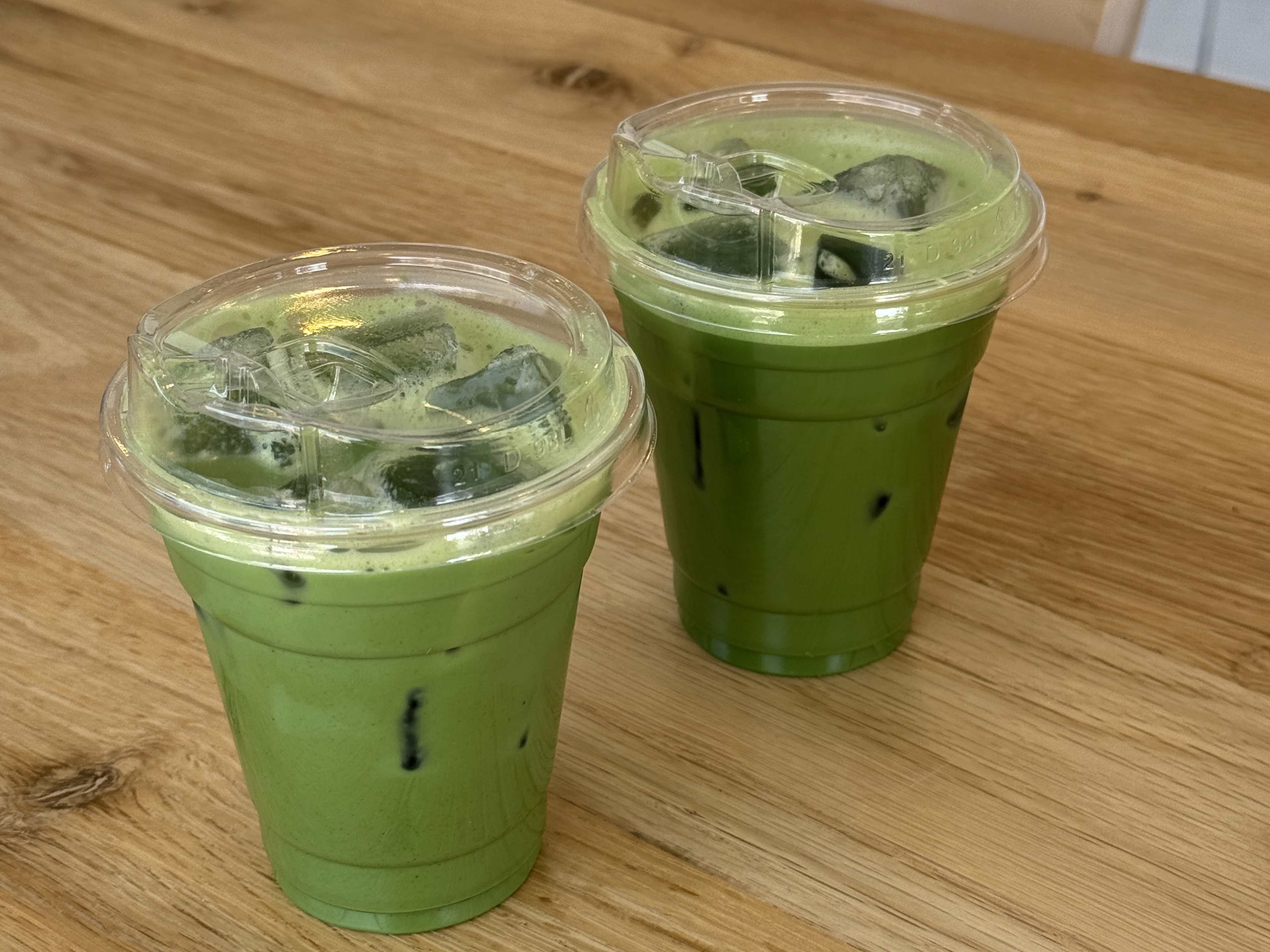
For the iced matcha latte, fill a glass with ice cubes first. Pour your cold milk over the ice, leaving room for the matcha. Slowly pour the matcha paste over the back of a spoon or directly onto the ice. This technique creates a beautiful layered effect, with the green matcha sinking through the white milk. Stir vigorously just before drinking to blend the flavors.
Health benefits and serving tips
Matcha lattes offer more than just a creamy caffeine kick. Because you consume the whole green tea leaf ground into a fine powder, you ingest a higher concentration of antioxidants, specifically catechins, compared to steeped tea. These compounds help combat oxidative stress in the body. Additionally, matcha contains L-theanine, an amino acid that promotes relaxation without drowsiness. When combined with caffeine, L-theanine provides a steady, focused energy boost, avoiding the jittery crash often associated with coffee.
To preserve these nutrients and the vibrant color of your matcha latte, proper storage is essential. Keep your matcha powder in an airtight container, away from light, heat, and moisture. The refrigerator or freezer is ideal for long-term storage, but let the container reach room temperature before opening to prevent condensation from spoiling the powder. Once opened, use it within a few months for the best flavor and health benefits.
Preparing to serve
Before you pour, ensure your matcha is fresh and your tools are ready. A quick checklist helps guarantee the best texture and taste:
- Is the matcha powder vibrant green and free of clumps?
- Is the water temperature between 160°F and 175°F (70°C–80°C)?
- Is the milk frothed to your desired consistency?
How often should you drink it?
Most health experts suggest that one to two matcha lattes per day is a safe and beneficial amount for most adults. This moderate consumption allows you to enjoy the antioxidant benefits and mental clarity without overdoing the caffeine intake. If you are sensitive to caffeine, start with half a serving and monitor how your body reacts. Remember that adding large amounts of sugar or heavy cream can negate some of the health advantages, so consider using natural sweeteners like honey or maple syrup sparingly.
No comments yet. Be the first to share your thoughts!