

Pick the right matcha powder
Your choice of matcha powder dictates the outcome of your latte. Using the wrong grade introduces bitterness and a dull, muddy color that no amount of milk or sweetener can hide. For a smooth, vibrant latte, you need ceremonial grade matcha.
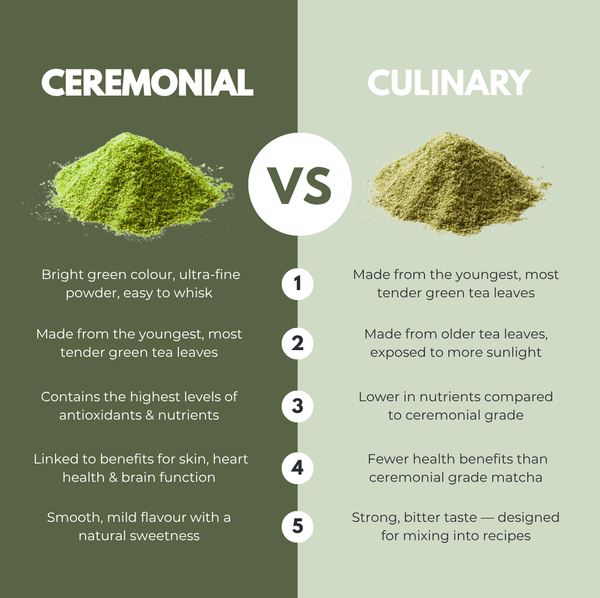
Ceremonial grade matcha is made from the youngest, shade-grown tea leaves. These leaves are stone-ground into an ultra-fine powder that dissolves easily, releasing a sweet, umami-rich flavor. Culinary grade matcha, by contrast, is made from older leaves. It is more astringent and bitter, designed to stand up to heavy flavors in baking or smoothies rather than shine on its own.

A high-quality ceremonial matcha provides a bright, neon-green hue and a creamy texture. When whisked correctly with hot water and milk, it creates a balanced drink that supports steady energy. Lower grades often result in a flat, grayish-brown beverage with a harsh aftertaste. Choosing the right powder is the first step to mastering the perfect matcha latte.
| Grade | Flavor Profile | Color | Best Use |
|---|---|---|---|
| Ceremonial | Sweet, umami, smooth | Vibrant neon green | Lattes, straight tea |
| Culinary | Bitter, astringent, strong | Dull olive green | Baking, smoothies |
| Premium Culinary | Moderately bitter | Muted green | Iced lattes, recipes |
Whisk matcha without clumps
The difference between a gritty, bitter bowl and a smooth, vibrant latte comes down to how you handle the powder. Matcha is a fine powder that clumps easily when it meets moisture. If you skip the preparation, you will end up with bitter lumps floating in your milk.
Start by sifting two teaspoons of matcha powder into a bowl. A fine-mesh sieve catches the tiny clumps that form during storage. This step ensures the powder disperses instantly when the water hits it.
Add about two ounces of hot water. The temperature should be around 175°F (80°C). Water that is too hot will scorch the tea, making it taste grassy and bitter. Water that is too cool will not dissolve the powder properly.
Now, focus on the whisking motion. Use a bamboo chasen whisk and hold it vertically. Whisk vigorously in a quick "W" or "M" shape. Do not use a circular stirring motion. The side-to-side action breaks up surface tension and creates the fine foam on top.
Whisk for about 15 to 30 seconds until you see a thick layer of foam on the surface. The liquid should look bright green and slightly frothy. If the foam dissipates quickly, you may have used water that was too hot or not whisked long enough.
Once you have a smooth paste with no lumps, you are ready to combine it with your milk. The smooth base ensures that your latte feels creamy in the mouth rather than grainy.
Choose your milk and sweetener
The milk you pick changes the whole character of the drink. Matcha has a distinct, earthy umami flavor that needs a partner, not a competitor. Dairy milk brings a natural sweetness and a rich mouthfeel that smooths out the bitterness. For a lighter option, oat milk is a favorite among baristas because its creamy texture stands up well to the powder without overpowering the tea’s vegetal notes.
If you are avoiding dairy, almond milk offers a subtle nuttiness that pairs nicely with matcha’s grassy profile. Coconut milk adds a tropical richness and a slight sweetness, making it a great choice if you want a fully dairy-free latte that still feels indulgent. The key is to warm the milk slightly before whisking; this helps the matcha paste emulsify into a smooth, frothy layer rather than sitting as a clumpy sludge on top.
Make hot or iced matcha lattes
Building the perfect matcha latte is less about complex chemistry and more about mastering the whisk. Whether you want a warming cup for a morning routine or a refreshing iced version for the afternoon, the core technique remains the same: create a smooth, clump-free paste before diluting it. This method ensures every sip has that signature creamy texture and vibrant green color.
The process relies on two main phases. First, you dissolve the matcha powder with a small amount of water to create a concentrated tea base. Second, you combine this base with your choice of milk. The temperature of the water matters significantly; too hot, and you risk burning the delicate leaves, resulting in a bitter taste.
Place a fine-mesh sieve over a bowl or your mug. Add two teaspoons of ceremonial-grade matcha powder. Sifting is non-negotiable because matcha tends to clump due to static and moisture. Breaking up these lumps now prevents gritty spots in your final drink.
Pour in two to three tablespoons of hot water. The ideal temperature is around 175°F (80°C). If you just boiled water, let it sit for a minute. This small amount of water is enough to hydrate the powder without making the base too watery.
Using a bamboo chasen whisk, move your wrist in a quick "W" or "M" motion. Do not stir in circles. This agitation incorporates air and breaks down remaining clumps, creating a frothy, smooth paste. Continue for about 15–20 seconds until the surface is slightly foamy.
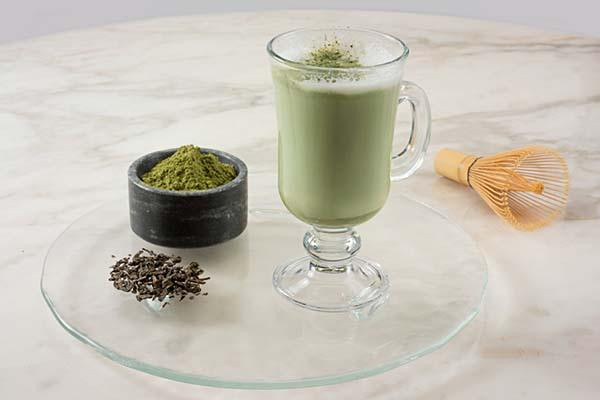
While the matcha rests, prepare your milk. For a hot latte, steam milk in a machine or heat it in a saucepan until it reaches 150°F (65°C). You want it hot but not boiling. For an iced latte, simply pour cold milk over ice in a tall glass.

Pour the hot milk into the matcha paste, stirring gently to blend. For an iced version, pour the cold milk directly over the ice, then slowly pour the matcha paste on top to create a layered effect. Stir before drinking to mix the flavors fully.
Health benefits of matcha lattes
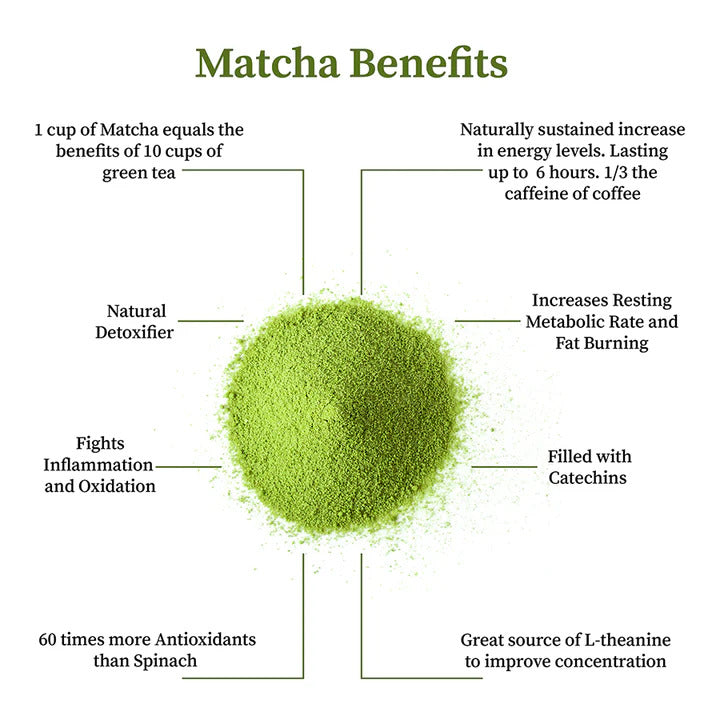
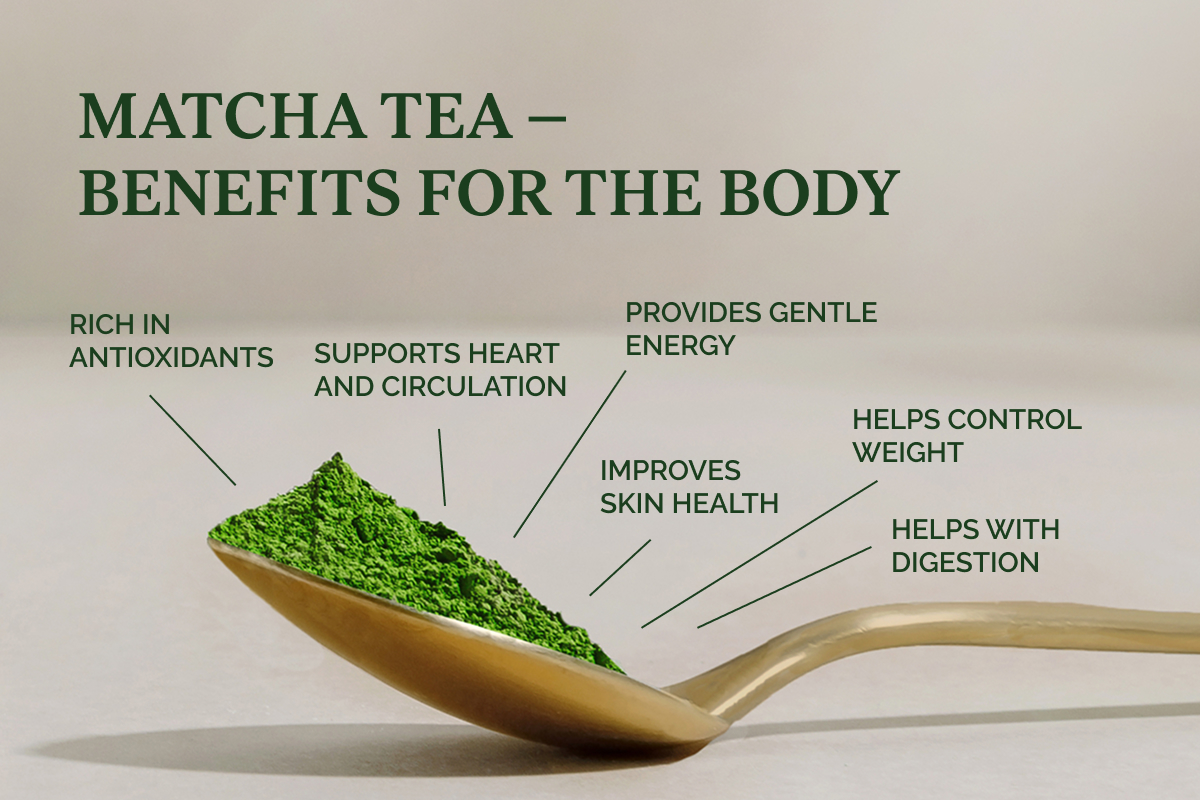
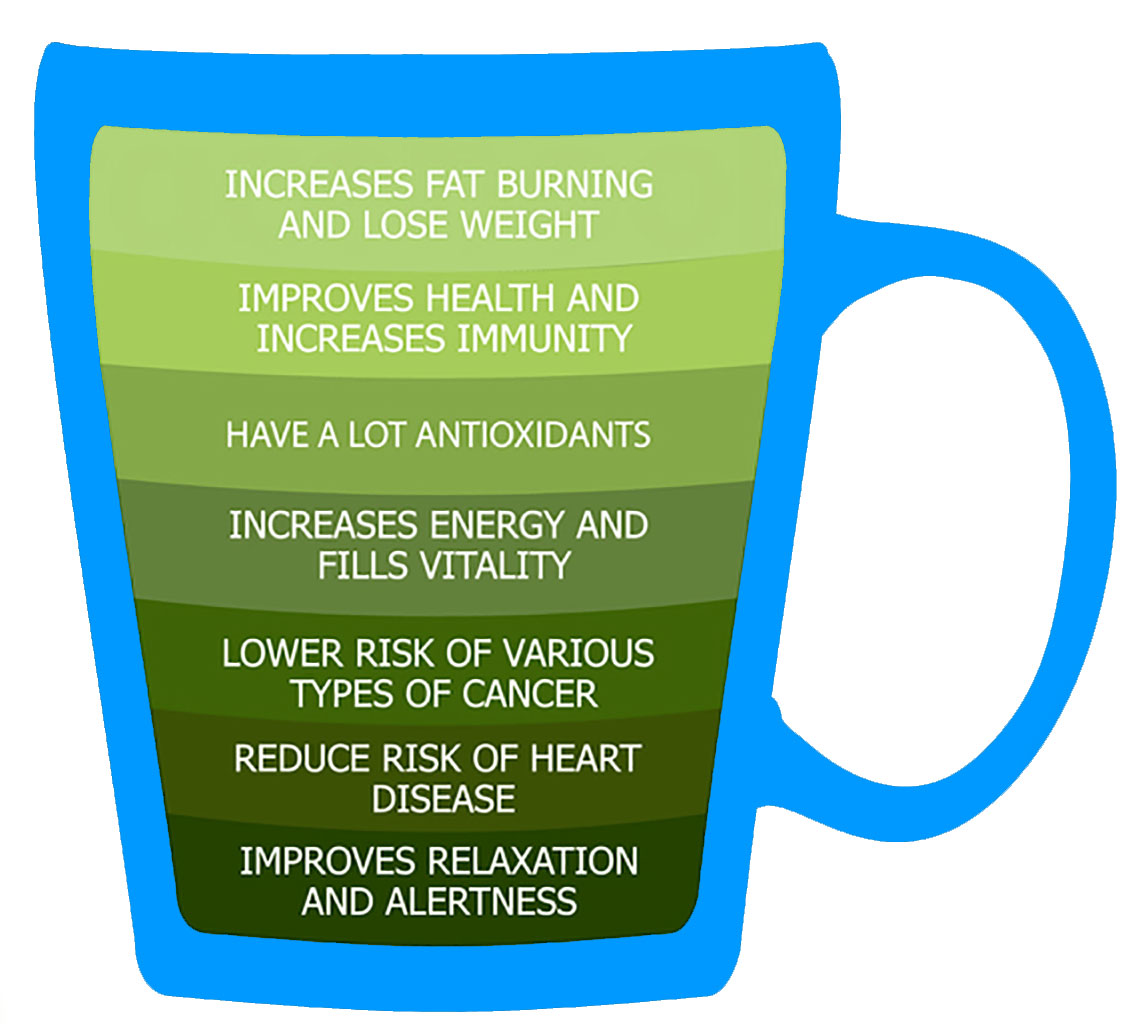
When prepared with high-quality matcha powder and minimal added sugar, a matcha latte offers a nutritional profile that goes beyond simple caffeine delivery. The primary advantage lies in its high concentration of catechins, particularly epigallocatechin gallate (EGCG), a potent antioxidant linked to cellular protection and reduced inflammation.
Unlike the jittery spike often associated with coffee, matcha provides a more sustained energy boost. This is due to the presence of L-theanine, an amino acid that promotes relaxation without drowsiness. When combined with caffeine, L-theanine helps smooth out the energy curve, supporting steady focus and mental clarity throughout the morning or afternoon.
The health impact of your matcha latte largely depends on the ingredients you choose. Using unsweetened milk alternatives or keeping dairy portions moderate ensures you get the antioxidant benefits without excessive calories or sugar. Moderation is key; treating your matcha latte as a functional beverage rather than a dessert allows you to harness its natural focus-supporting properties effectively.
Common Matcha Latte Mistakes
Even with the right tools, small errors can turn a vibrant green drink into a bitter, clumpy mess. The most frequent culprit is water temperature. Boiling water scorches the delicate tea leaves, extracting harsh tannins that overpower the natural sweetness. Aim for water around 175°F (80°C)—hot enough to dissolve the powder, but gentle enough to preserve the umami.
Clumping happens when matcha hits liquid without proper preparation. Matcha is a fine powder that resists water, so adding milk first creates stubborn lumps. Always sift the powder into a dry bowl, add a splash of warm water, and whisk vigorously until the mixture is a smooth, glossy paste. This "niriki" phase ensures the tea disperses evenly when you pour in the rest of the liquid.
Another common error is using low-quality ceremonial grade matcha or skipping the sifting step. If your latte tastes grassy or metallic, the powder may be oxidized or too coarse. Sifting not only removes clumps but also aerates the powder, making it easier to whisk into a frothy crema.
No comments yet. Be the first to share your thoughts!