

Make the recipe
A proper matcha latte starts with the powder, not the milk. The difference between a chalky, clumpy drink and a smooth, vibrant one comes down to how you handle the matcha and water before the milk ever touches the cup. Precision matters more than equipment. You do not need an electric frother or a fancy ceramic chasen whisk to get good results, but you do need to respect the ratio of powder to liquid.
The goal is to create a concentrated "matcha paste" first. This ensures the fine green tea powder is fully hydrated and dispersed before it is diluted. Once you have that smooth base, you can whisk in your milk of choice. Whether you prefer oat, almond, or dairy, the milk should be warmed or frothed separately to add texture without scalding the delicate tea flavors.

If you are making this for a crowd, you can scale the recipe easily. The standard ratio is roughly 2 grams of matcha for every 2 ounces of water, followed by 8-10 ounces of milk. Stick to this balance to avoid a drink that is too bitter or too watery. For a richer texture, use full-fat milk or a creamy oat milk. If you are watching your sugar intake, the natural sweetness of the matcha often pairs well with a touch of vanilla or a sugar-free syrup.
The texture that keeps your matcha latte from turning watery or clumpy
A matcha latte fails when the powder stays suspended or settles into a gritty sludge. The difference between a creamy drink and a muddy cup comes down to hydration ratios and mixing force. You need to create a smooth paste before any liquid touches the milk.
Start with two teaspoons of culinary-grade matcha and a quarter cup of hot water, roughly 175°F. The water must be hot enough to dissolve the fine particles but not boiling, which burns the leaves and creates bitterness. Sift the powder into a bowl to break up clumps before adding water. Whisk vigorously with a bamboo chasen or a small electric frother until the surface is covered in tiny, uniform bubbles. This "blooming" step is non-negotiable for texture.
Once you have a smooth, vibrant green paste, add your milk. For a hot latte, warm your milk separately and pour it slowly over the paste while whisking. If you are making an iced version, add ice cubes to the glass first, then pour the milk, and finally top it with the matcha paste. This layering prevents the powder from clumping at the bottom. Sweeten after mixing so you can taste the true balance of tea and dairy.
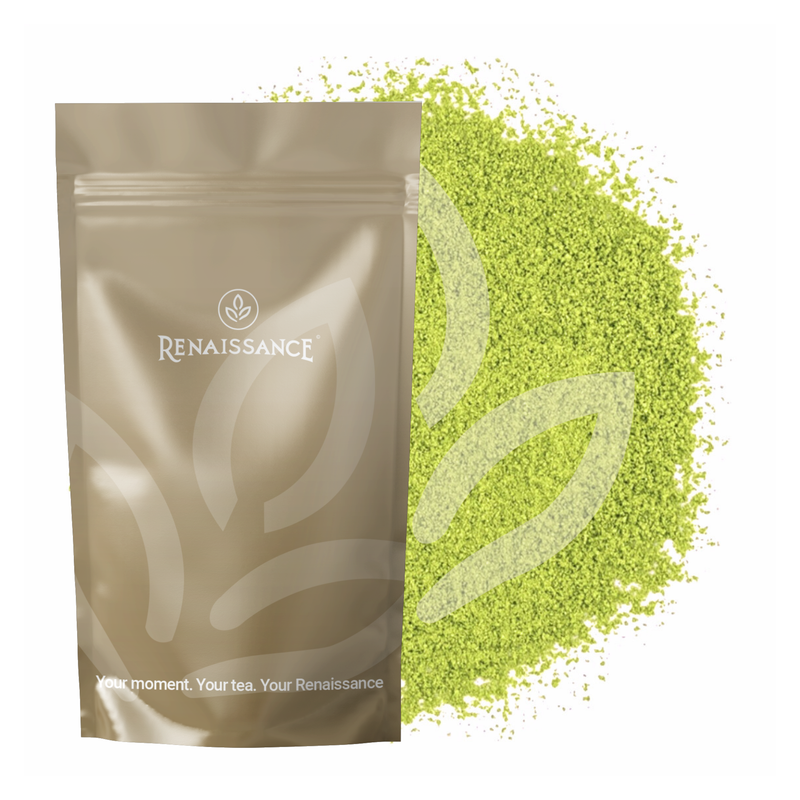
Sift two teaspoons of matcha into a bowl to remove lumps. Add two tablespoons of hot water (175°F) and whisk in a W-motion until you have a smooth, bubble-free paste. This paste is the base of your latte.
Warm one cup of milk—dairy or plant-based—until steaming but not boiling. Froth it with a handheld wand or French plunger until it has a light, creamy foam. The milk should be hot enough to melt the matcha paste but not so hot it curdles.
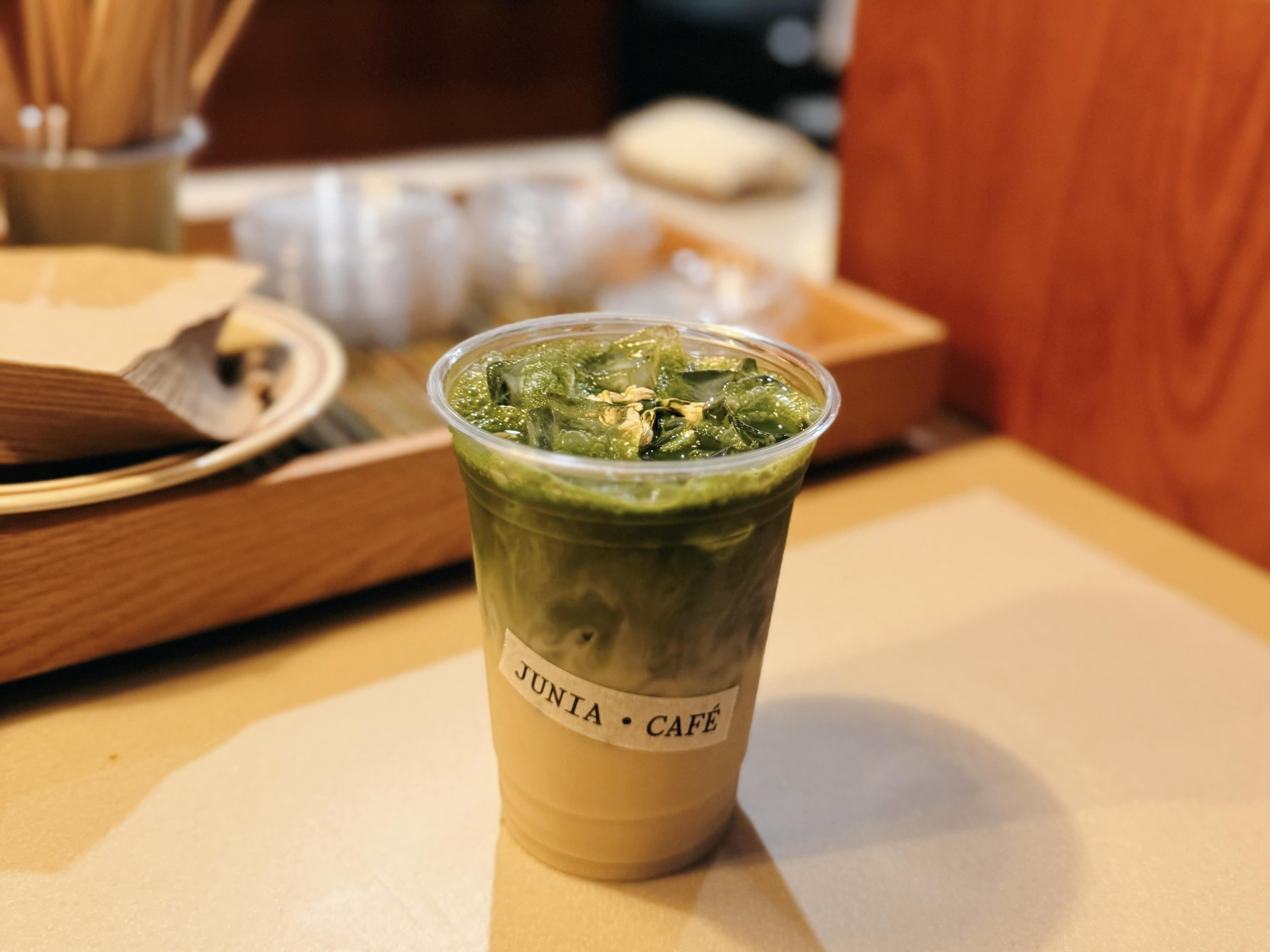
Pour the hot milk into the matcha paste and whisk briefly to integrate. Add sweetener like honey or maple syrup now, as it dissolves easily in the warm liquid. Taste and adjust sweetness before pouring over ice if making an iced latte.
-
Use 175°F water, not boiling, to avoid bitterness
-
Whisk in a W-motion until the surface is bubbly
-
Sift powder first to prevent gritty clumps
-
Add sweetener while warm for even dissolution
-
Use a bamboo chasen or electric frother for best texture
Swaps That Still Work
You don’t need a pantry full of specialty ingredients to make a good matcha latte. The core formula is simple: high-quality matcha, a little hot water to dissolve the powder, and a liquid base. If you’re out of your usual milk or sweetener, you can substitute almost anything without ruining the drink. The goal is to maintain the balance between the grassy bitterness of the tea and the sweetness of the dairy.
Below is a quick guide to common substitutions. Each swap changes the texture or flavor profile slightly, but all of them hold up in a standard preparation.
No comments yet. Be the first to share your thoughts!