
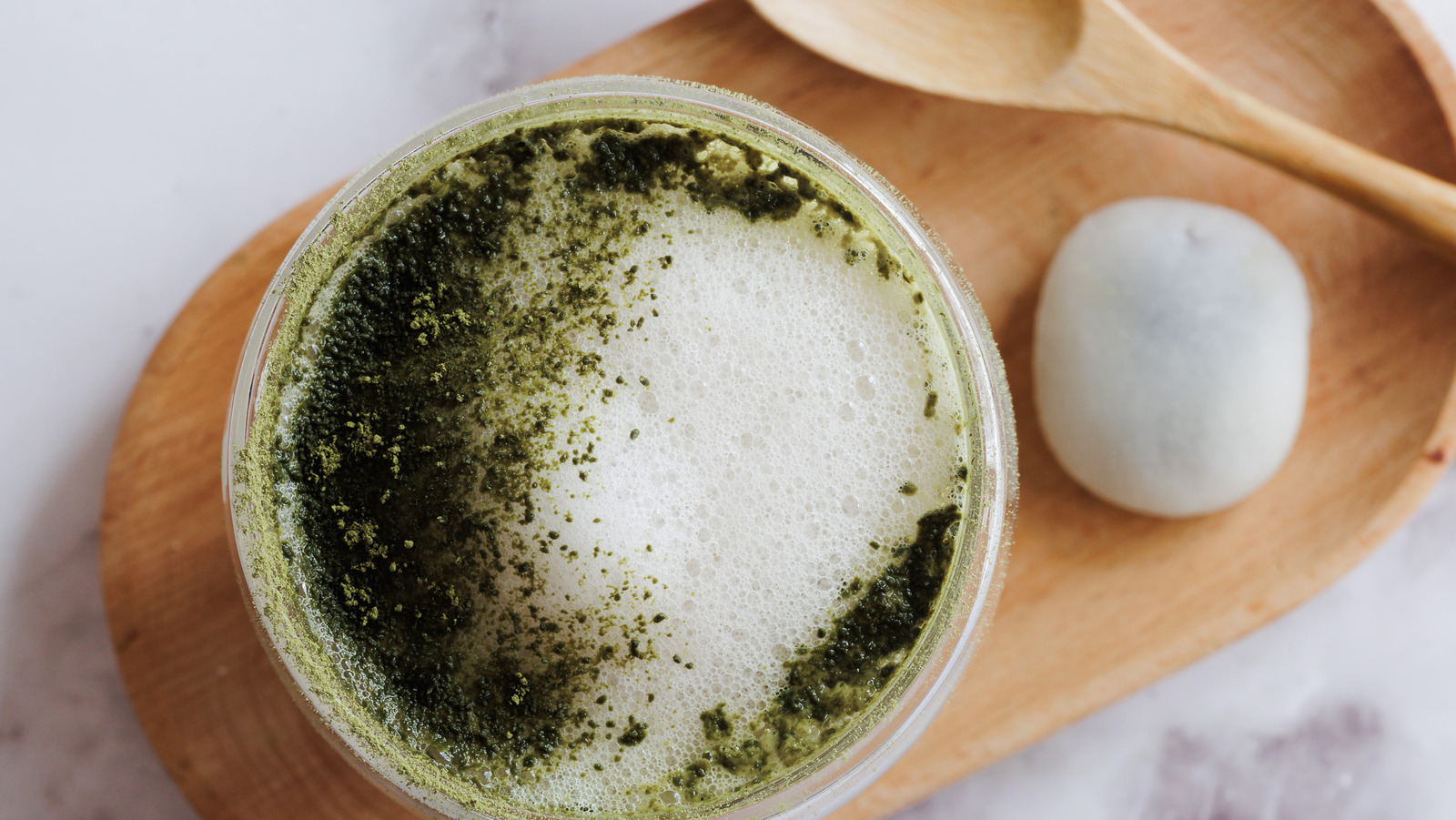

Make the recipe
Making a proper matcha latte at home is less about complex technique and more about respecting the powder. Matcha is a fine green tea powder, not a leaf that steeps and gets discarded. You are consuming the whole leaf, which means the water temperature and whisking method determine whether your drink tastes like grassy, vibrant tea or bitter, clumpy mud. The goal is a smooth, emulsified foam that sits atop warm milk.
Start by softening your bamboo whisk, known as a chasen, in warm water for a minute. This prevents the delicate bristles from snapping. Sift one teaspoon of ceremonial-grade matcha into a bowl to break up clumps. Add two to three tablespoons of hot water—aim for about 175°F (80°C), just below boiling. Boiling water scorches the leaves, destroying the sweet umami flavor and leaving behind astringency. Whisk vigorously in a "W" or "M" motion until the surface is covered in fine foam. This foam is essential for texture.
While the matcha blooms, heat your milk. You can use dairy, oat, or almond milk. Warm it gently; you do not need to scald it. If you want sweetness, add a teaspoon of maple syrup or honey to the warm milk now, not the matcha paste. Pour the milk over the whisked matcha. If you have a milk frother, give it a quick whirl to integrate the foam. The result should be a layered, creamy beverage with a vibrant green top.
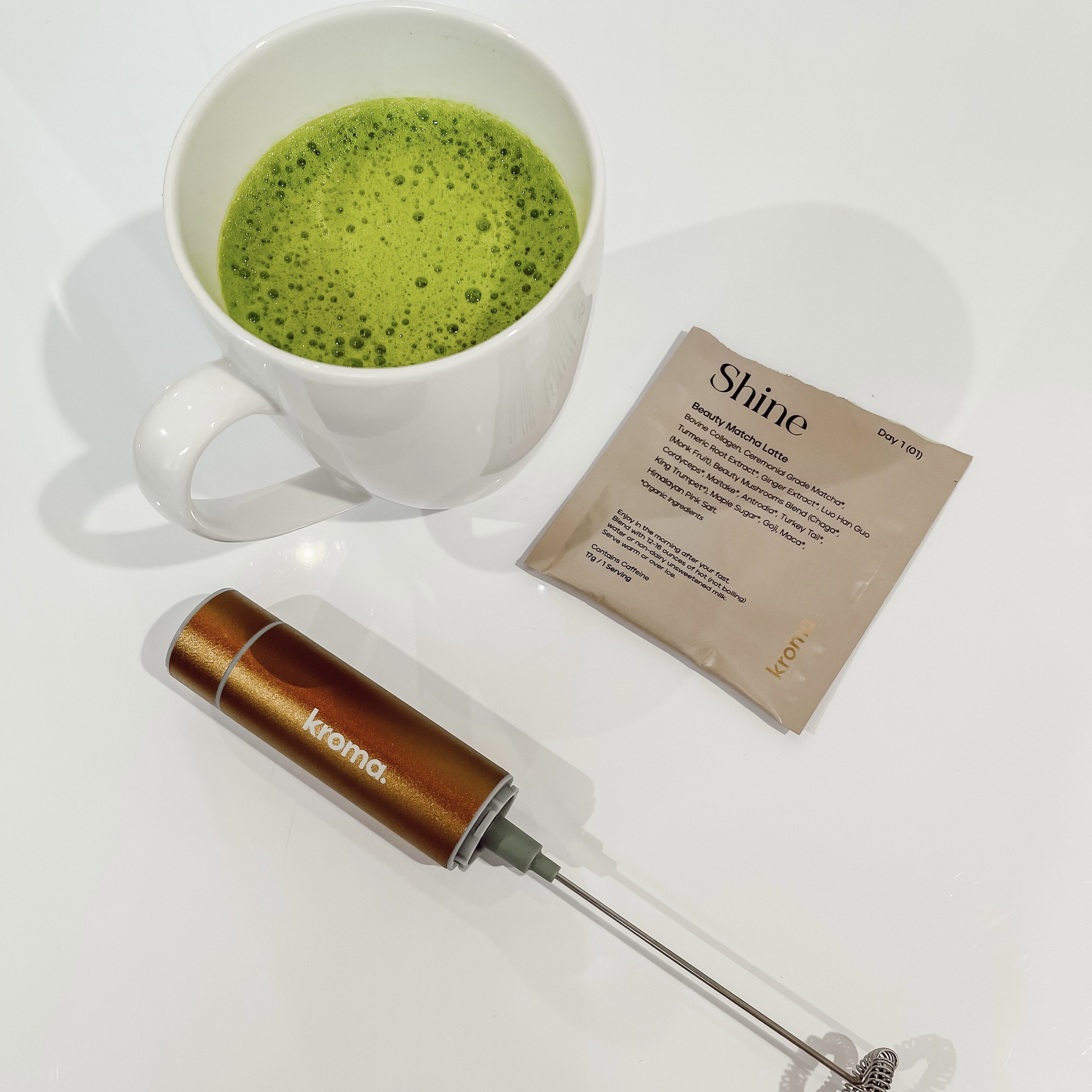
Keep the texture right
The difference between a vibrant, emerald-green matcha and a murky, bitter sludge comes down to hydration and temperature. Matcha is a suspended powder, not a soluble one. If you treat it like instant coffee or cocoa, you will end up with a watery drink or a clumpy mess. To get the smooth, velvety consistency that defines a proper wellness reset, you need to control the water ratio and the whisking technique.
1. Sift to break clumps
Matcha powder tends to compact into hard lumps during storage. Skipping this step means you will spend minutes trying to whisk away stubborn granules that refuse to dissolve. Use a fine-mesh sieve to drop the powder directly into your bowl or cup. This ensures every particle is exposed to water immediately, preventing the dry, chalky texture that ruins the mouthfeel.
2. Use the right water temperature
Never use boiling water. Temperatures above 175°F (80°C) scorch the delicate tea leaves, releasing excessive tannins that make the drink aggressively bitter and astringent. Instead, heat your water to a warm 160–175°F. This temperature range extracts the sweet, umami notes and antioxidants without burning the leaf, preserving the bright green color and smooth flavor profile.
3. Make a paste first
Adding milk or large volumes of water straight to the powder is the most common mistake. This creates dry pockets that are nearly impossible to whisk out. Start by adding just 2–3 tablespoons of your warm water to the sifted matcha. Whisk vigorously until you have a thick, glossy paste with no visible dry spots. This concentrated base ensures the matcha is fully hydrated before dilution.
4. Whisk with a "W" motion
Once your paste is smooth, add the rest of your water or milk. Use a bamboo whisk (chasen) in a rapid "W" or "M" zigzag motion, not a circular stirring motion. This action incorporates air, creating a fine, creamy foam on top. The foam is not just decorative; it traps the volatile aromatics and creates the luxurious texture that makes a matcha latte satisfying rather than thin and watery.
5. Choose the right milk
If you are adding milk, warm it slightly before pouring. Cold milk can shock the matcha paste, causing it to seize or separate. For the best texture, use oat or barista-style almond milk, which have higher fat and protein contents that blend more seamlessly with the tea. Avoid low-fat milks, which can make the final drink feel thin and watery.
Swaps that still work
The Matcha Wellness troubleshooting should start with a clear boundary: what is actually broken, and what still works normally. Check the display, network connection, paired devices, app access, and recent updates before assuming the whole system needs a reset. A small connection failure can make the main screen feel unreliable even when the core system is fine. Work from low-risk checks to deeper resets. Confirm power state, safe parking, account access, and signal first. Then restart the interface, wait for it to reload completely, and test the original symptom. Avoid changing multiple settings at once because that makes it harder to know which step actually fixed the problem. If the issue affects safety information, repeats after every restart, or appears with warning messages, treat the reset as a temporary diagnostic step rather than the final fix. Document the symptom and move to official support instead of stacking more DIY attempts.
| Factor | What to check | Why it matters |
|---|---|---|
| Fit | Match the option to the primary use case. | A good deal still fails if it does not fit the job. |
| Condition | Verify age, wear, and service history. | Hidden condition issues erase upfront savings. |
| Cost | Compare purchase price with likely upkeep. | The cheapest option is not always the lowest-cost option. |
Serve it fresh, store it smart
Matcha’s vibrant color and delicate flavor fade quickly once mixed. For the best results, serve your lattes immediately after whisking. If you’re making them for a crowd, brew the matcha paste separately and keep it in a sealed jar in the fridge. Add it to warm milk and stir just before pouring. This keeps the base from oxidizing while you finish the rest of the drinks.
For iced lattes, brew the matcha with a small amount of hot water first, then pour it over ice and milk. The ice will melt slightly, diluting the drink just enough to balance the bitterness. If you prefer a hot latte, warm your milk gently on the stove or in the microwave. Avoid boiling the milk, as high heat can scald the dairy and create a skin on top that ruins the texture.
Storage and shelf life
Leftover matcha powder should be stored in an airtight container away from light, heat, and moisture. Refrigeration or freezing is best, but make sure the container is completely sealed to prevent the powder from absorbing odors. Once opened, use it within three to six months for the brightest flavor.
A prepared matcha latte does not store well. The emulsion breaks down, and the color turns dull brown within an hour. If you must make it ahead, keep the matcha paste and milk separate in the fridge for up to 24 hours. Reheat the milk gently and whisk the paste with a splash of warm water before combining. Do not microwave the combined latte, as it will likely separate and taste bitter.
Diy matcha lattes: what to check next
Making a smooth, vibrant matcha latte at home is less about expensive equipment and more about technique. The most common hurdle is clumpy powder and a bitter taste, both of which stem from simple preparation errors. By addressing these practical issues, you can replicate the café quality drink without the markup.
How do I prevent clumps in my matcha latte?
Clumps are the enemy of a good latte. Always sift your matcha powder into the bowl before adding water to break up any compacted particles. If you do not have a sieve, use a small electric milk frother or a traditional bamboo whisk (chasen) to vigorously whisk the powder and a splash of warm water into a smooth paste before diluting. This ensures a silky texture rather than a gritty one.
What water temperature is best for matcha?
Never use boiling water, as it scorches the delicate leaves and creates a harsh, bitter flavor. The ideal temperature is between 160°F and 170°F (70°C–80°C). If you do not have a thermometer, boil your water and let it sit with the lid off for about two minutes. This cooling period is crucial for preserving the sweet, umami notes of the tea.
Can I use an electric frother instead of a whisk?
Yes, an electric handheld frother is a perfectly acceptable and efficient alternative to a bamboo whisk. It whips air into the milk and dissolves the matcha powder quickly with minimal effort. While traditionalists argue the bamboo whisk provides a finer foam, the difference in taste is negligible for most home drinkers. The key is consistency: ensure the whisk or frother is fully submerged to avoid splashing.
What milk pairs best with matcha?
While any milk works, oat milk is widely considered the best pairing for matcha. Its natural sweetness and creamy texture complement the earthy bitterness of the tea better than dairy. Almond milk is a lighter, nuttier alternative, while coconut milk adds a tropical richness. For a classic experience, whole milk provides a luxurious mouthfeel that balances the strong green tea flavor.
No comments yet. Be the first to share your thoughts!