

Make the recipe
Building a solid matcha latte comes down to three things: quality powder, proper whisking, and milk temperature. If you skip sifting, you get lumps. If you use boiling water, you get bitterness. Let's stick to a method that keeps the flavor bright and the texture creamy.
Start by sifting 2 teaspoons of ceremonial-grade matcha into a bowl. This breaks up clumps and ensures a smooth base. Add 1 to 2 tablespoons of hot water (about 175°F or 80°C)—never boiling—and whisk vigorously in a "W" motion until you see a fine foam on top. This foam is the signature of a well-made cup.
While the matcha blooms, warm your milk. You can heat almond, oat, or dairy milk in a saucepan or microwave until it's hot but not scalding. Froth it using a handheld whisk, a French press, or a steam wand. Combine the frothed milk with the whisked matcha paste. Add a teaspoon of honey or maple syrup if you prefer it sweet. Stir gently to merge the layers without deflating the foam.

For those who prefer an iced version, skip the steaming. Whisk the matcha with a small amount of cold water until smooth, then pour it over ice and top with cold milk. The key is dissolving the powder completely before it hits the ice, or you'll end up with a gritty bottom layer.
Keep the texture right
The difference between a vibrant, jade-green matcha latte and a muddy, clumpy drink comes down to hydration technique. Matcha is a fine powder that resists water like flour, so skipping the proper mixing step leaves you with dry pockets and a watery finish. To build a smooth base, you need to treat the powder and water as a single emulsion before introducing milk or ice.
Start by sifting two teaspoons of matcha powder into a bowl. This breaks up clumps and ensures an even distribution of color and flavor. Add one to two tablespoons of hot water, ideally between 175°F and 185°F. Water that is too hot scorches the leaves, creating bitterness, while cold water won’t dissolve the powder. Use a bamboo whisk (chasen) or a small electric frother to mix in a quick "W" motion. You are looking for a glossy, foam-topped paste with no visible granules. This paste is the anchor of your drink; if it’s thin or lumpy, the final latte will be too.
Once the paste is smooth, you can expand the volume. For a hot latte, gently whisk in your warmed milk until it integrates with the matcha base. For an iced version, pour the paste over ice and then add cold milk or water. The key is to keep the matcha-to-liquid ratio balanced. If the drink tastes bland, you likely under-sifted or under-whisked the initial paste. If it’s gritty, you didn’t use enough hot water to dissolve the powder before adding the rest of the liquid. A well-made matcha should coat the spoon slightly, signaling that the fats and solids are fully suspended.
Use a fine-mesh sieve to scoop two teaspoons of matcha into a mixing bowl. Tap the sieve gently to break up any compacted clumps. This step is non-negotiable for a smooth texture.
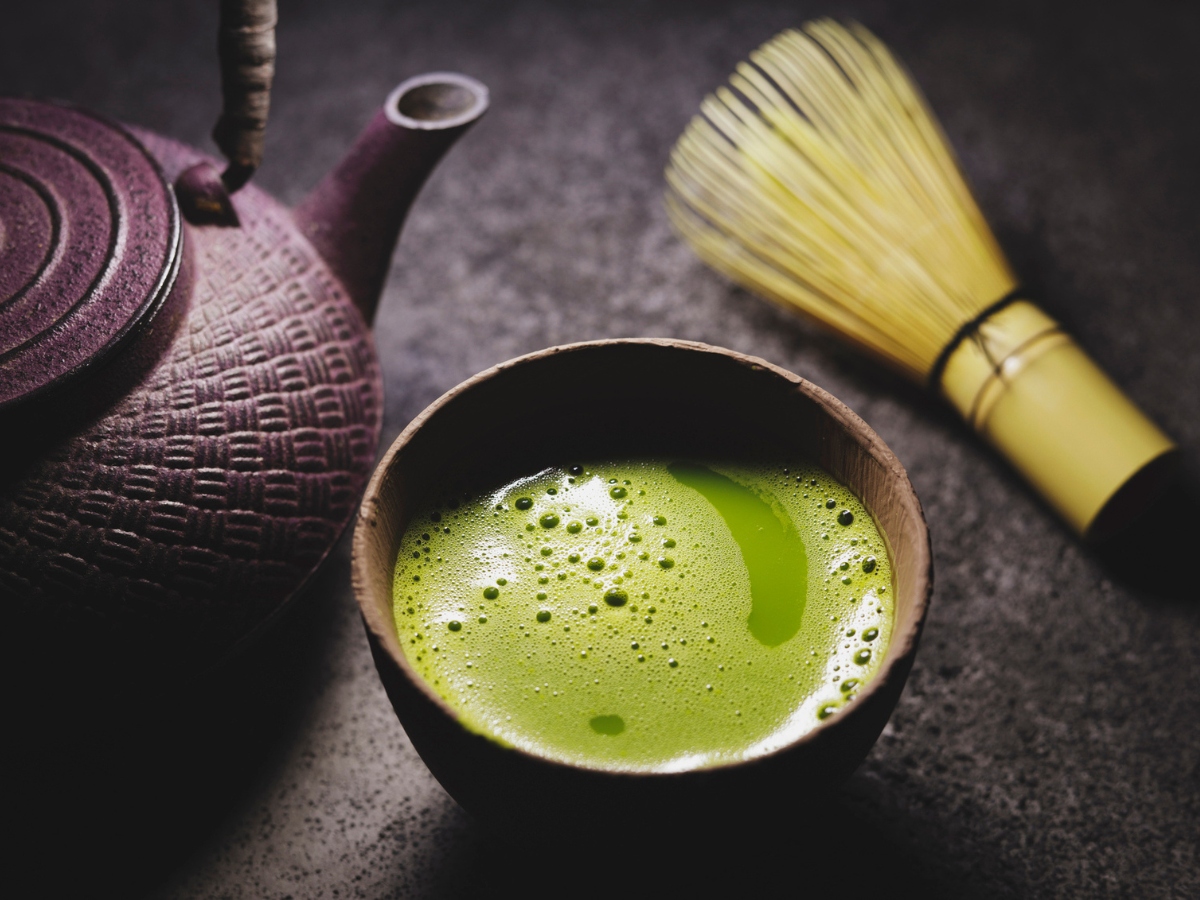
Add one to two tablespoons of hot water (175°F–185°F). Whisk vigorously in a "W" motion until you see a glossy, foam-topped paste with no dry specks remaining.
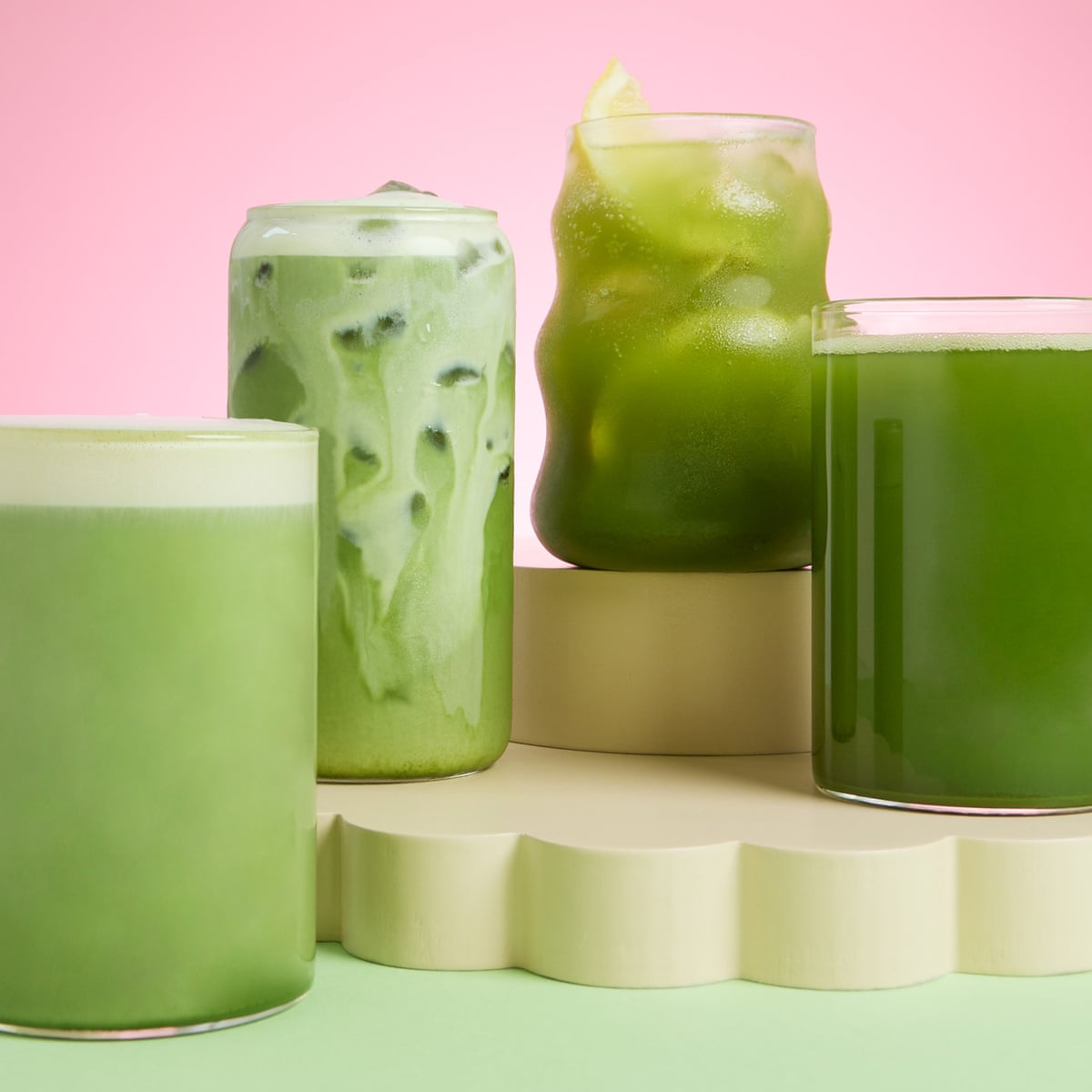
Pour the paste over ice or into warmed milk. Whisk or shake gently to combine. The drink should be uniform in color and slightly viscous, not watery or separated.
Swaps that still work
You don't need a specialty pantry to make a good matcha latte. The foundation is simple: high-quality matcha powder, hot water, and a liquid base. Swapping out any of these components changes the drink's texture and flavor profile, but the core ritual remains the same.
The table below compares common substitutions for milk and sweeteners. Each option affects the drink differently, so choose based on whether you prioritize creaminess, health benefits, or dietary restrictions.
| Base Swap | Texture & Flavor | Best Use Case |
|---|---|---|
| Oat Milk | Creamy, slightly sweet, neutral | Dairy-free latte lovers |
| Almond Milk | Thin, nutty, light | Low-calorie drinks |
| Coconut Milk | Rich, tropical, distinct flavor | Vegan/whole30 diets |
| Maple Syrup | Warming, robust sweetness | Natural sweetener seekers |
| Honey | Floral, thick, sticky | Traditional flavor profiles |
Oat milk has become the standard for home baristas because its natural sugars caramelize slightly when frothed, mimicking dairy without the lactose. Almond milk is lighter and nuttier, which can complement earthy matcha grades but may lack body. Coconut milk adds a distinct tropical note that works well with iced variations.
For sweeteners, maple syrup blends more uniformly than honey, which can clump in cold drinks. If you are avoiding sugar entirely, stevia or monk fruit extract works, but use sparingly as they can leave a bitter aftertaste that clashes with matcha's umami notes.
Serve and store it
How you store your matcha determines whether that vibrant green color stays bright or turns muddy brown. Because matcha is a finely ground leaf, it oxidizes quickly once exposed to air and light. Treat it like fresh herbs or spices rather than a shelf-stable powder.
Storing your powder
Keep your matcha tin in the fridge or freezer, not on the counter. Air is the enemy, so press plastic wrap directly onto the surface of the powder before sealing the lid. If you buy large bags, divide them into smaller, airtight containers to avoid opening the main supply repeatedly. Properly stored, high-quality matcha keeps its flavor for about six months. After that, it won’t spoil, but it will taste flat and grassy.
Making it ahead
You can whisk matcha with a small amount of hot water to create a concentrated paste (known as usucha) and refrigerate it for up to two days. This is useful for busy mornings when you want to skip the whisking step. When you’re ready to drink, simply add your milk of choice and reheat or shake it with ice. The paste will thicken in the cold, so give it a good stir or shake before serving.
Reheating tips
If you made a hot matcha latte and didn’t finish it, avoid boiling it. High heat breaks down the delicate catechins and makes the flavor bitter. Instead, warm it gently on the stove over low heat or microwave it in short bursts, stirring between each. If the milk has separated or formed a skin, whisk it vigorously to bring the texture back together.
Serving suggestions
Serve your matcha in a wide bowl to appreciate the color and foam. For iced lattes, use large ice cubes that melt slower, preventing the drink from becoming watery too quickly. Garnish with a light dusting of matcha powder on top for visual appeal, which also adds a final burst of flavor.
Matcha Lattes: Common Questions Answered
Before you start whisking, here are answers to the most practical questions about making matcha lattes at home. These notes address the tradeoffs between health, taste, and convenience so you can choose the right setup for your morning routine.
If you are new to homemade matcha, start with a simple sift and whisk technique to avoid clumps. The quality of your powder matters more than the frothing method. A smooth, vibrant green latte is a sign of good technique and fresh ingredients.
No comments yet. Be the first to share your thoughts!